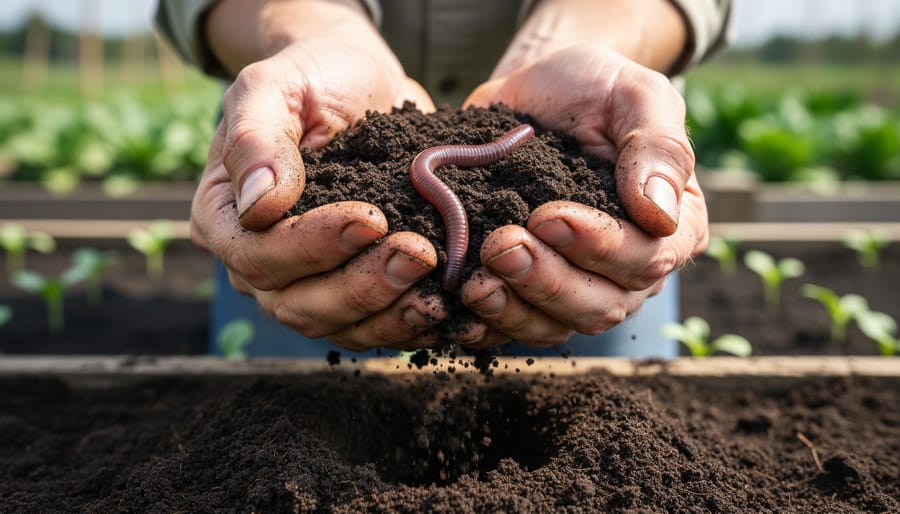
Transform your backyard into a thriving garden oasis by building raised beds 12-24 inches high, filled with nutrient-rich soil that drains perfectly and warms earlier in spring. Position these elevated gardens in full sun, ensuring 6-8 hours of direct sunlight daily for optimal plant growth. Choose rot-resistant lumber like cedar or composite materials for durability, creating beds 4 feet wide to enable easy reaching from both sides. Following these expert raised bed gardening tips, even beginners can create productive growing spaces that yield abundant harvests while minimizing back strain and weeding time. Mix equal parts topsoil, compost, and vermiculite to create the perfect growing medium, ensuring your plants have everything they need to thrive from day one.
Why Raised Beds Are Perfect for New Gardeners
The Perfect Solution for Any Space
One of the greatest advantages of raised bed gardens is their incredible versatility. Whether you have a sprawling backyard or a compact urban patio, raised beds can be customized to fit your available space perfectly. In small yards, a single 4×4-foot bed can provide enough growing space for a satisfying harvest of fresh vegetables. For those with more room, multiple beds can be arranged in attractive patterns, creating dedicated zones for different plant families.
Even challenging spaces can accommodate raised beds. They work wonderfully on slopes when properly leveled, and can be installed over existing concrete or poor soil. Apartment dwellers can opt for smaller containers on balconies, while community gardeners often use raised beds to clearly define their growing spaces. The height can be adjusted to suit your needs, making gardening accessible for everyone, regardless of physical limitations.

Better Growing Conditions from Day One
One of the biggest advantages of raised bed gardening is the superior growing conditions you’ll create from the very start. Unlike traditional garden plots, raised beds give you complete control over your soil quality. You can fill your bed with the perfect blend of nutrient-rich topsoil, compost, and organic matter, creating an ideal environment for your plants to thrive.
The elevated design also provides excellent drainage, preventing water from pooling around your plants’ roots. This reduced risk of waterlogging means healthier plants and fewer disease problems. Plus, the soil in raised beds warms up faster in spring and maintains a more consistent temperature throughout the growing season.
Because the soil isn’t compacted by foot traffic, roots can spread easily and access nutrients more effectively. This loose, well-aerated soil structure promotes stronger root development and ultimately leads to more vigorous plant growth. Your plants will reward you with better yields and healthier growth thanks to these optimal growing conditions.
Planning Your Raised Bed Garden
Choosing the Perfect Location
Selecting the right spot for your raised beds is crucial for gardening success. Start by observing your yard’s sunlight patterns throughout the day – most vegetables need 6-8 hours of direct sunlight. For the best results, consider optimal garden bed placement that maximizes sun exposure while protecting plants from harsh afternoon rays.
Choose a level area or one that can be easily leveled. Avoid low spots where water collects, as this can lead to waterlogged soil and root problems. Consider proximity to a water source – you’ll appreciate having a nearby spigot or irrigation system when it’s time to water your garden.
Think about accessibility too. Leave enough space between beds (at least 2-3 feet) to comfortably work, wheel a garden cart, or navigate with tools. If you’re planning multiple beds, orient them north-south to prevent taller plants from shading shorter ones.
Remember to check for underground utilities before breaking ground, and consider how your garden might affect your neighbors’ views or property. A well-placed raised bed can become a beautiful feature of your landscape while providing abundant harvests.
Selecting Your Materials
Choosing the right materials for your raised bed garden is crucial for long-term success. Let’s explore the most popular options to help you make an informed decision.
Wood is the most common choice, with cedar and redwood being top performers due to their natural resistance to rot and insects. While these premium woods are more expensive initially, they can last 10-15 years with proper care. Pressure-treated lumber is more affordable but stick to newer versions rated for garden use to avoid harmful chemicals.
Metal raised beds, particularly galvanized steel, offer excellent durability and a modern aesthetic. They won’t rot or warp and can last decades, though they may heat up more quickly in summer. Some gardeners prefer their sleek appearance, and they’re typically lightweight and easy to assemble.
Concrete blocks and stone materials provide permanent solutions that can last indefinitely. They’re excellent heat absorbers, which can extend your growing season, and they’re virtually maintenance-free. However, they’re heavy and require more effort to set up initially.
Composite materials, made from recycled plastic and wood fibers, offer the best of both worlds. They resist rot, don’t leach chemicals, and can last for decades. While they’re more expensive upfront, their longevity makes them cost-effective in the long run.
For budget-conscious gardeners, recycled materials like untreated pallets can work well. Just ensure they’re food-safe and haven’t been treated with harmful chemicals. While they might not last as long as other options, they’re an excellent way to start gardening sustainably.
Remember to consider your climate, budget, and aesthetic preferences when selecting materials. Whatever you choose, ensure proper drainage and use high-quality hardware for assembly.
Building Your First Raised Bed
Tools and Materials Checklist
Before starting your raised bed garden project, gather these essential gardening tools and materials:
Construction Materials:
– Lumber (cedar or pressure-treated) for bed frame
– Galvanized screws or nails
– Corner brackets (optional)
– Hardware cloth or wire mesh for bottom
– Landscape fabric
– Measuring tape
– Level
– Wheelbarrow
Tools:
– Power drill with screwdriver bits
– Hammer
– Saw (circular or hand)
– Work gloves
– Safety goggles
– Square tool for measuring corners
Soil and Amendments:
– Quality garden soil
– Organic compost
– Peat moss
– Vermiculite
– pH testing kit
Garden Basics:
– Garden fork
– Hand trowel
– Garden spade
– Watering can or hose
– Plant markers
– Garden twine
– Garden scissors
Optional but Helpful:
– Soil sifter
– Garden kneeler
– Irrigation system components
– Row covers for pest protection
– Mulch materials
Pro tip: Consider borrowing larger tools like power saws if you won’t need them regularly. Most hardware stores also offer tool rental services for one-time projects.

Assembly Steps
Before beginning construction, lay out all your materials and tools in an organized workspace. Always wear safety glasses and work gloves during assembly, and remember to lift with your legs when moving heavy materials.
Start by selecting a level spot for your raised bed. If the ground isn’t perfectly level, use a shovel and level to create an even surface. Remove any grass or weeds from the area, and consider laying landscape fabric underneath to prevent weed growth.
Position your corner posts first, ensuring they’re plumb (perfectly vertical) using a level. For a typical 4×8 foot bed, place posts at each corner and additional support posts every 4 feet along the sides. Temporarily stake these posts to hold them in place while you work.
Beginning with the bottom boards, attach them to the corner posts using weather-resistant screws. Pre-drill holes to prevent wood splitting, especially when working near board ends. Keep the screws about 1 inch from the board edges for maximum strength.
Continue adding boards until you reach your desired height, typically 12-18 inches. Check for level and square as you go – measure diagonally from corner to corner in both directions; these measurements should be equal if your bed is square.
If you’re using cedar or other rot-resistant wood, no additional treatment is needed. However, if you’ve chosen pressure-treated lumber, line the interior with heavy-duty plastic to prevent soil contact with the treated wood.
Once the frame is complete, reinforce the corners with metal brackets if desired. Add a cap rail along the top edge for both aesthetics and comfort while gardening. Sand any rough spots to prevent splinters.
Before filling with soil, check all connections one final time and ensure all screws are flush. If building multiple beds, leave adequate pathways between them – about 24 inches is ideal for comfortable access with a wheelbarrow.
Remember to take your time with each step. A well-built raised bed will last for many years, so attention to detail during construction pays off in the long run.
Setting Up for Success
Soil Selection and Filling
The success of your raised bed garden largely depends on the quality of your soil mix. While you could fill your bed with regular garden soil, creating a custom blend will give your plants the best start possible. A good mixture consists of roughly 60% topsoil, 30% compost, and 10% potting soil or other organic matter like well-rotted manure.
Start with high-quality topsoil as your base. Look for soil that’s dark, crumbly, and free from debris. Mix in plenty of compost, which adds essential nutrients and improves soil structure. You can use store-bought compost or your own homemade variety. Adding a layer of potting soil helps with drainage and creates a lighter texture that roots can easily penetrate.
For optimal results, consider incorporating organic amendments like peat moss, vermiculite, or coconut coir to improve moisture retention. A handful of organic fertilizer mixed into your soil blend will provide additional nutrients for your plants throughout the growing season.
Fill your raised bed in layers, mixing the components thoroughly as you go. Leave about two inches of space at the top to prevent overflow when watering. Water the soil deeply after filling to help it settle. Add more soil mixture if needed to maintain the desired level. Your raised bed is now ready for planting!

Irrigation Solutions
Keeping your raised bed garden properly watered is crucial for plant health, and there are several effective irrigation solutions to choose from. The simplest method is hand-watering with a quality watering equipment, which allows you to monitor each plant’s needs closely and adjust accordingly.
For a more automated approach, consider installing a soaker hose system. These porous hoses can be laid directly on the soil surface, delivering water slowly and efficiently to plant roots. Simply connect the soaker hose to your outdoor spigot, and snake it through your bed, keeping it about 2-3 inches away from plant stems.
Drip irrigation systems offer precise water delivery and can be customized to your garden’s layout. While they require more initial setup, they save time and water in the long run. To install, connect the main water line to your spigot, run distribution tubing along the bed’s edges, and attach emitters near each plant.
Timer-controlled systems work wonderfully with both soaker hoses and drip irrigation. Set the timer to water early in the morning to reduce evaporation and prevent fungal issues. Start with 20-30 minutes of watering every other day, adjusting based on weather conditions and plant needs.
Don’t forget to mulch your beds with straw or wood chips to retain moisture and reduce watering frequency. Consider installing a rain gauge to monitor natural precipitation and adjust your watering schedule accordingly. Remember, consistent moisture is key – your soil should feel like a wrung-out sponge when squeezed.
Starting a raised bed garden is an exciting journey that opens up a world of possibilities for growing your own fresh, healthy produce. Remember, every gardener started somewhere, and the skills you’ll develop along the way will serve you for years to come. Don’t be afraid to experiment and learn from both successes and challenges – they’re all part of the gardening adventure.
Now that you have the knowledge to build and maintain your raised beds, it’s time to get your hands dirty! Begin by selecting your location, gathering your materials, and planning your plant choices. Start small if you’re feeling uncertain – even a single raised bed can yield an impressive harvest and valuable experience.
Join local gardening groups, connect with fellow gardeners online, and don’t hesitate to ask questions when you need help. Your raised bed garden is more than just a project – it’s the beginning of a rewarding hobby that will bring joy, fresh food, and a deeper connection to nature right to your backyard.