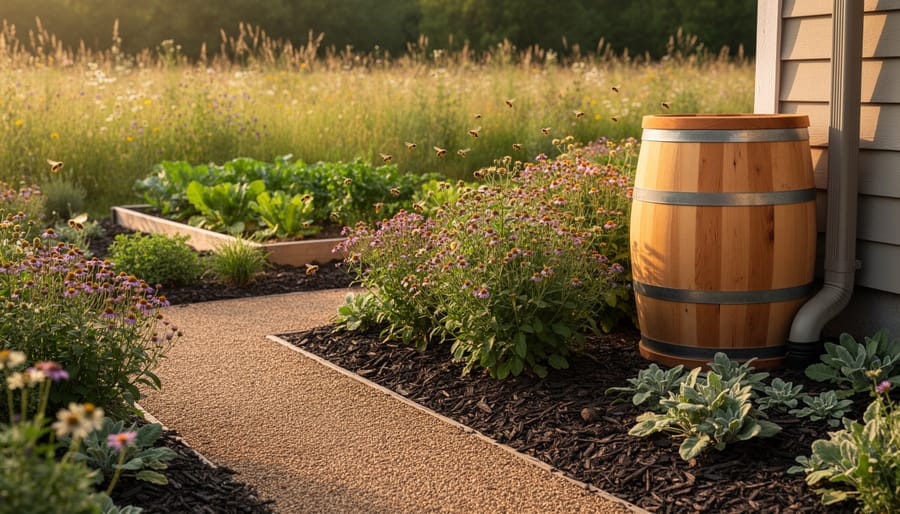
Native landscaping transforms your outdoor space into a thriving ecosystem that celebrates and sustains local plant life. Instead of fighting against nature with high-maintenance exotic species, native landscaping works in harmony with your region’s natural environment by incorporating plants that evolved specifically for your area’s climate, soil, and wildlife.
Picture your garden as a vibrant community where native wildflowers attract butterflies, indigenous grasses provide shelter for birds, and local shrubs offer berries that sustain wildlife through changing seasons. This approach to landscaping isn’t just about creating a beautiful yard—it’s about restoring a piece of your region’s natural heritage while dramatically reducing the time and resources needed for maintenance.
Unlike traditional landscaping that often requires constant watering, fertilizing, and pest control, native plants have already adapted to local conditions over thousands of years. They’re naturally resistant to regional pests, require minimal watering once established, and thrive without chemical fertilizers. This resilience makes native landscaping not just an environmentally conscious choice, but also a practical solution for busy homeowners who want a stunning, low-maintenance landscape that connects them to their local environment.
What Makes Native Landscaping Different?
Local Plants for Local Conditions
Think of native plants as nature’s perfectly adapted survivors – they’ve spent thousands of years fine-tuning themselves to thrive in your local environment. These botanical champions have developed remarkable abilities to handle your area’s specific rainfall patterns, temperature swings, and soil types without needing special care or attention.
Native plants have deep root systems that help them find water during dry spells and stand strong against local weather patterns. They’ve also developed natural resistance to pest problems common in your region and can handle the soil’s unique mineral composition. This means they typically need less watering, fertilizing, and pest control than non-native species.
For example, if you live in a hot, dry climate, local native plants might have waxy leaves to retain moisture or silver-colored foliage to reflect intense sunlight. In wet regions, native plants might have special drainage abilities to handle heavy rainfall. These adaptations make native plants not just survivors, but true champions of efficiency in your garden, requiring minimal intervention while providing maximum beauty and ecological benefits.

Beyond Pretty Plants
Native landscaping goes far beyond creating a pretty garden – it’s about building a living, breathing ecosystem right in your backyard. When you plant native species, you’re actually creating a complex web of life that supports local wildlife, from the tiniest beneficial insects to beautiful songbirds and butterflies.
Think of your native landscape as nature’s bed and breakfast. Native plants provide essential food sources through their nectar, pollen, seeds, and fruits. They offer shelter and nesting sites for birds and create nurseries where butterflies can lay their eggs. Even dead plant material serves a purpose, providing homes for beneficial insects and enriching the soil as it decomposes.
The root systems of native plants work overtime too. They create underground highways for nutrients and water, prevent soil erosion, and filter rainwater before it enters our waterways. Many native plants form partnerships with soil fungi and bacteria, improving soil health naturally.
By choosing native plants, you’re not just making your yard look good – you’re helping restore the natural balance and creating a sustainable environment that works just like nature intended.
Benefits of Going Native

Environmental Impact
Native landscaping plays a crucial role in protecting and enhancing our local environment. When you choose to plant native species, you’re creating valuable habitat for local wildlife, including birds, butterflies, and beneficial insects. These plants have evolved alongside native wildlife for thousands of years, forming intricate relationships that support entire ecosystems.
One of the most significant environmental benefits is water conservation. Native plants have adapted to local rainfall patterns and soil conditions, requiring significantly less supplemental watering than non-native species. This natural efficiency not only reduces water consumption but also helps prevent runoff and soil erosion, protecting our waterways and maintaining healthy soil structure.
Native gardens also contribute to cleaner air and help combat climate change. These plants are excellent at capturing carbon dioxide and other pollutants, while their deep root systems help store carbon in the soil. Additionally, native landscapes typically require fewer chemical fertilizers and pesticides since these plants have natural defenses against local pests and diseases.
The impact extends beyond your garden borders. By creating corridors of native plants, you help connect fragmented habitats, allowing wildlife to move safely between natural areas. This connectivity is essential for maintaining healthy animal populations and genetic diversity. Even a small native garden can serve as a stepping stone for migrating species, contributing to broader conservation efforts in your community.
Lower Maintenance Requirements
One of the most appealing aspects of native landscaping is its inherent low-maintenance gardening approach. Since native plants have evolved to thrive in your local climate and soil conditions, they typically require significantly less attention than non-native species.
Once established, native plants develop deep root systems that help them access water deep within the soil, reducing the need for frequent watering. You’ll find yourself spending less time dragging around the garden hose and more time enjoying your outdoor space. These plants have also adapted to local rainfall patterns, making them naturally drought-resistant.
Native plants rarely need fertilizing because they’re already suited to your soil’s natural nutrient levels. They’ve developed their own defense mechanisms against local pests and diseases, which means you can skip the chemical pesticides and let nature maintain its balance. This not only saves you time and money but also contributes to a healthier ecosystem.
Instead of constant pruning and maintaining perfectly manicured beds, native landscapes embrace a more natural, flowing aesthetic that requires only occasional maintenance to keep plants from spreading too enthusiastically.
Cost Savings Over Time
While the initial investment in native landscaping might be similar to traditional landscaping, you’ll be amazed at how quickly you can save time and money with native plants. The financial benefits become apparent within the first few years and continue to grow over time.
Native plants typically require significantly less water than non-native species, which can lead to substantial savings on your water bill. Many gardeners report a 30-50% reduction in water usage after switching to native plants. You’ll also spend less on fertilizers and pesticides since these plants are naturally adapted to your local soil and resistant to regional pests.
Maintenance costs drop dramatically too. Native plants don’t need frequent mowing, pruning, or replacing like many ornamental species do. Think about it: these plants have thrived in your region for thousands of years without human intervention! This means fewer trips to the garden center for replacements and less money spent on professional landscaping services.
Over a five-year period, many homeowners find their native landscapes cost about half as much to maintain as traditional gardens. That’s money you can reinvest in other aspects of your home or garden!
Getting Started with Native Plants
Site Assessment
Before diving into your beginner-friendly garden transformation, it’s essential to understand your property’s unique characteristics. Start by observing your yard throughout different times of the day to track sunlight patterns. Note which areas receive full sun, partial shade, or complete shade, as this will significantly influence your plant selection.
Next, examine your soil type by performing a simple soil test. Take samples from various areas of your yard and check the texture – is it sandy, clay-heavy, or loamy? Also, measure the soil’s pH level, as native plants often have specific soil preferences. Many local extension offices offer affordable soil testing services.
Consider your property’s topography and drainage patterns. After rainfall, observe where water collects and where it flows naturally. Some native plants thrive in moisture-rich areas, while others prefer well-drained locations. Make note of any existing features like slopes, rocky areas, or low spots.
Don’t forget to account for your local climate zone and typical weather patterns. Research your area’s average rainfall, temperature ranges, and frost dates. This information will help you choose native plants that are truly adapted to your specific region.
Finally, document any existing wildlife activity in your yard. The presence of birds, butterflies, or beneficial insects can indicate which native plants might already be supporting local ecosystems and guide your plant selection process.
Plant Selection Basics
Selecting the right native plants for your landscape is both an art and a science, but don’t let that intimidate you! Start by researching which plants naturally grow in your specific region. Your local extension office or native plant society can be invaluable resources for this information, often providing detailed lists of plants that thrive in your area.
Consider your yard’s specific conditions when choosing plants. Take note of how much sunlight different areas receive throughout the day, check your soil type, and observe natural moisture levels. Native plants have evolved to thrive in certain conditions, so matching these conditions is key to their success.
Think about your goals too. Are you looking to attract butterflies and birds? Do you want year-round visual interest? Perhaps you need ground cover for erosion control? Different native plants serve different purposes, so having clear objectives will help narrow down your choices.
Here’s a practical approach to start your selection process:
– Begin with keystone species that support local wildlife
– Include a mix of flowering periods for continuous blooms
– Combine different heights and growth habits for visual interest
– Consider both evergreen and deciduous plants
– Select species that complement each other’s water needs
Don’t feel pressured to transform your entire landscape at once. Start with a small area and gradually expand as you become more comfortable with native plants. It’s perfectly fine to mix natives with existing non-invasive plants while you transition.
Remember that “native” doesn’t mean “maintenance-free.” While these plants generally require less care than exotic species, they still need attention, especially during their establishment period. Research each plant’s specific needs and growth habits before making your final selections. This preparation will help ensure your native landscape thrives and provides the benefits you’re looking for.
Design Principles
Creating a beautiful native garden starts with thoughtful design principles that honor both nature and aesthetics. When planning your space, think about how native plants grow in their natural habitats – they rarely appear in straight lines or isolated clusters. Instead, consider grouping plants in natural-looking drifts and layers that mimic their wild growth patterns.
Start by mapping your yard’s conditions, including sunny and shady areas, soil types, and moisture levels. This environmental assessment helps you choose plants that will naturally thrive in each spot. For inspiration, check out these creative native landscaping ideas that can transform your outdoor space.
Create visual interest by varying plant heights, with taller species at the back of borders and shorter ones in front. Include a mix of trees, shrubs, and ground covers to establish different vertical layers, just as you’d find in nature. Consider incorporating curved paths and irregular borders rather than straight lines to create a more natural flow through your landscape.
Remember to plan for seasonal changes. Choose plants that bloom at different times throughout the year to ensure continuous color and interest. Include evergreen natives to maintain structure during winter months, and consider plants that provide winter berries or interesting seed heads for both visual appeal and wildlife benefit.
Don’t forget to leave some open spaces – nature isn’t crowded. Allow room for plants to grow and spread naturally, and include gathering spaces where you can enjoy your garden. Consider adding natural elements like rocks, fallen logs, or water features to enhance the authentic feel of your landscape.
When grouping plants, cluster them in odd numbers (3, 5, or 7) for a more natural appearance. This technique creates visual harmony while making maintenance more manageable. Remember that a well-designed native garden evolves over time, becoming more established and beautiful with each passing season.

Native landscaping represents a beautiful harmony between human design and nature’s wisdom. By embracing native plants in our gardens, we not only create stunning outdoor spaces but also contribute to the health of our local ecosystems. As we’ve explored throughout this article, native landscaping offers numerous benefits – from supporting local wildlife and reducing maintenance needs to conserving water and preserving regional biodiversity.
Remember, starting your native landscaping journey doesn’t require a complete garden overhaul. You can begin small by incorporating a few native plants into your existing landscape and gradually expanding over time. The key is to observe your local environment, understand your specific growing conditions, and choose plants that naturally thrive in your area.
Whether you’re a seasoned gardener or just beginning to explore the world of native plants, the rewards of native landscaping are within reach. The satisfaction of watching native birds and butterflies visit your garden, seeing your plants flourish with minimal intervention, and knowing you’re contributing to environmental conservation makes it all worthwhile.
Take that first step today. Connect with local native plant societies, visit nearby native gardens for inspiration, and start planning your own native landscape. Your garden can become a living testament to the beauty and resilience of local ecosystems while providing endless joy and learning opportunities. The future of sustainable landscaping begins in our own backyards.