Your lawn can be lush, beautiful, and kind to the planet when you embrace native ground covers, clover patches, and low-mow grasses in place of the traditional turf monoculture. Transforming your yard into an eco-friendly space takes about a season to establish, requires modest effort, and delivers long-term savings on water, fertilizer, and weekend mowing while supporting pollinators and local wildlife.
Traditional lawns demand roughly 200 gallons of water per week during summer, plus synthetic fertilizers that run off into waterways and frequent gasoline-powered mowing that contributes to air pollution. The ecological cost is steep, yet many homeowners stick with Kentucky bluegrass simply because it’s what they know. Here’s the encouraging truth: alternatives like white clover, creeping thyme, and native sedges thrive in most climates with far less fuss, tolerate foot traffic beautifully, and actually improve soil health over time.
This guide walks you through selecting the right plants for your region, preparing your existing lawn for conversion, and nurturing your new eco-friendly yard through its first year. You’ll discover which ground covers suit sunny versus shady spots, how to phase out grass gradually if you’re not ready for a full overhaul, and practical earth-friendly practices that reduce maintenance while boosting biodiversity. Whether you’re tackling a small front yard or rethinking an entire suburban lot, the steps ahead will help you create outdoor space that looks great and does good.
Why Traditional Lawns Are Hard on the Environment
The well-manicured lawn has been a fixture of American landscapes for decades, but it comes with environmental costs that many of us are only now starting to understand. Traditional turf grass demands an enormous amount of water, the EPA estimates that landscape irrigation accounts for nearly one-third of all residential water use nationwide, with lawns drinking up the majority of that. In arid regions, keeping grass green can mean draining aquifers and diverting water from ecosystems that desperately need it.
Beyond water, conventional lawns rely heavily on synthetic fertilizers and pesticides to maintain that picture-perfect appearance. When it rains, these chemicals wash off into storm drains, rivers, and lakes, contributing to algal blooms and dead zones that harm aquatic life. Even well-intentioned applications can reduce runoff only so much if you’re still using chemical products regularly.
Then there’s the maintenance itself. Gas-powered mowers emit pollutants that contribute to air quality problems and climate change, one hour of mowing with a gas mower produces emissions equivalent to driving a car over 100 miles. Add in the fuel for trimmers and blowers, and you’re looking at a surprisingly carbon-intensive hobby.
None of this means you should feel guilty about your current lawn. Most of us inherited these landscapes and the cultural expectation that they should look a certain way. The good news is that once you understand the impacts, you can make informed choices that work for your yard, your budget, and the planet.
Tools and Materials You’ll Need
The good news is that switching to eco-friendly lawn care doesn’t require a garage full of fancy equipment. Most of what you’ll need is straightforward, affordable, and there’s a good chance you already have some of these items tucked away in your shed or garage.
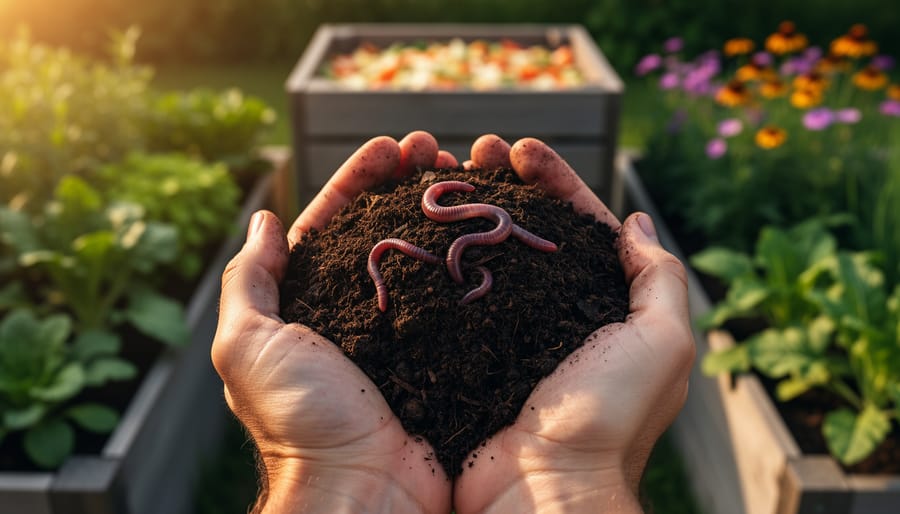
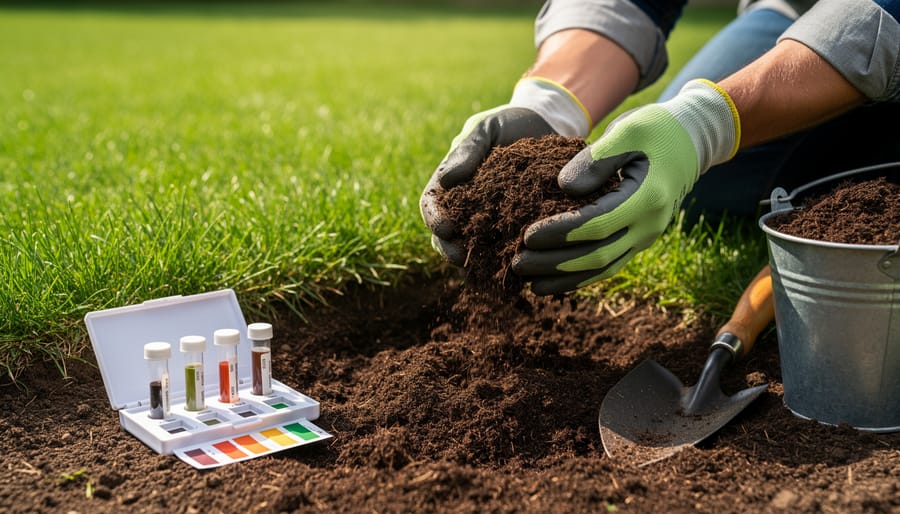
Start with a soil testing kit, which you can pick up at any garden center or order online for under twenty dollars. Understanding your soil’s pH and nutrient levels saves you from guessing what your new ground cover needs to thrive. You’ll also want compost or organic amendments like aged manure or worm castings to enrich the soil before planting.
For the actual planting, gather seeds or starter plants for your chosen alternative, whether that’s white clover, native grasses, creeping thyme, or a wildflower mix. Hand tools are essential: a sturdy rake for leveling and spreading seed, a garden fork for loosening compacted soil, and a hoe for clearing small patches of weeds. A wheelbarrow makes hauling compost much easier, and mulch helps suppress weeds while your new plants establish.
Here’s a quick checklist to help you gather what you need:
- Must-haves: soil testing kit, compost or organic amendments, seeds or starter plants, rake, garden fork, hoe, mulch
- Nice-to-haves: wheelbarrow, manual reel mower or electric mower, watering can or hose with gentle spray nozzle, kneeling pad
- Optional upgrades: soil moisture meter, rain barrel for irrigation, landscape fabric (for sheet mulching)
If you’re keeping some grass and just reducing maintenance, consider a manual reel mower or a battery-powered electric model. Both are quieter and cleaner than gas mowers, and many homeowners find the gentle rhythm of a reel mower surprisingly satisfying. The point is to keep things simple and let your growing plants do most of the work for you.
Safety and Site Considerations
Before you start ripping up turf or spreading seeds, take a moment to think through a few practical matters that’ll save you headaches down the road. A little planning now means smoother sailing and a healthier yard later.
If you’re planning to dig or till, call 811 (or your local utility-marking service) a few days ahead to have underground lines flagged. You don’t want to hit an irrigation pipe, gas line, or electrical cable buried a few inches down. It’s free, quick, and could prevent a dangerous or costly mistake.
Since you’re going eco-friendly, skip the herbicides entirely, especially near water features, storm drains, play areas, or vegetable beds. Chemical runoff defeats the whole purpose of creating an eco-friendly home garden. Manual removal and smothering techniques are safer and just as effective with a bit of patience.
Watch your site’s drainage patterns. If water tends to pool after rain, you might need to grade the area gently or choose plants that tolerate wet feet. Standing water attracts mosquitoes and can drown new plantings before they establish.
Protect existing trees and garden beds during the transition. Piling soil or mulch against tree trunks invites rot and pest problems, so keep amendments a few inches away from the base. Finally, pace yourself. Converting a lawn is physical work, and there’s no rush. Break the project into manageable chunks, take breaks, and listen to your body. Your back will thank you.
Step-by-Step: Transforming Your Lawn the Eco-Friendly Way
Assess Your Yard and Choose Your Alternative
Start by walking your yard at different times of day to note which areas get full sun (six-plus hours), partial shade, or deep shade. Observe foot traffic patterns: do kids or pets run through certain zones, or is the space mostly decorative? Grab a handful of soil and squeeze it. Sandy soil drains fast but dries out quickly; clay holds moisture but can compact. Loam is the sweet spot, but you can work with any type by choosing the right plants.
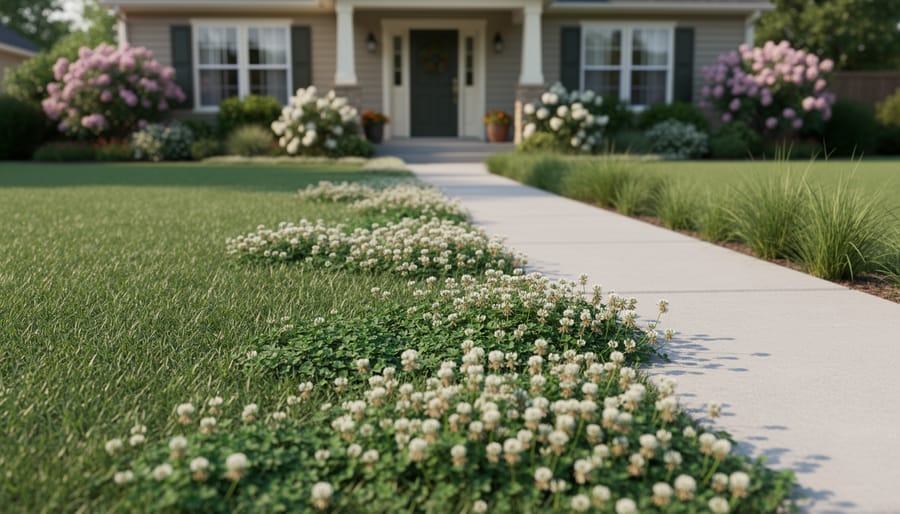
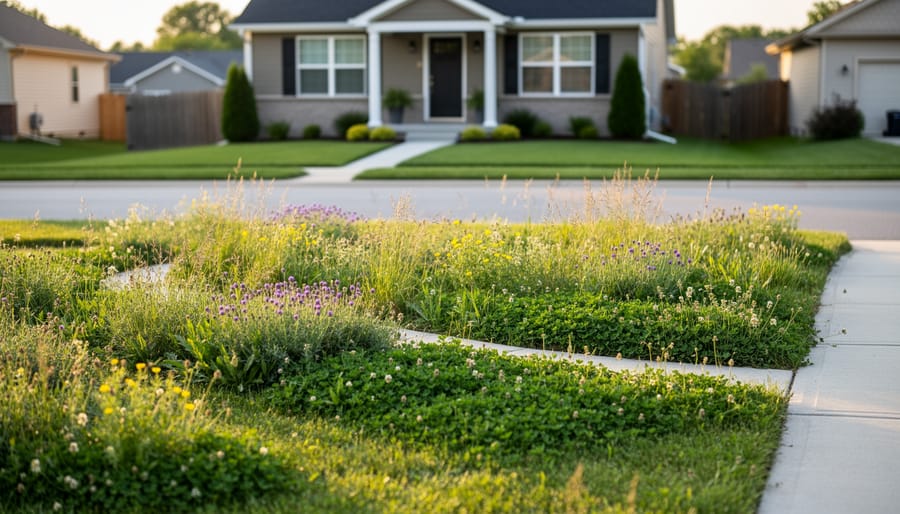
Next, think about your aesthetic. Do you want a tidy, green carpet or a more natural, textural look? Clover thrives in sun to partial shade, handles foot traffic beautifully, and stays green with minimal water. Native ground covers like wild strawberry or creeping thyme suit full sun and poor soil, plus they attract pollinators. Wildflower meadows bring color and biodiversity but need space and look best left unmowed. Moss loves shade and moisture, creating a soft, emerald carpet where grass struggles. Ornamental grasses work in sun, tolerate drought once established, and add movement and height.
When I switched part of my backyard to microclover, I chose it for the sunny patch near the patio where we walk daily. It bounced back from foot traffic and needed far less water than the old turf, making it a perfect first step toward a self-sustaining garden.
Prepare the Site
The good news: you don’t need herbicides to clear the way for your eco-friendly lawn. Start with sheet mulching, which smothers existing grass over several weeks. Lay overlapping sheets of plain cardboard directly on mowed turf, wet them thoroughly, then pile on four to six inches of compost or wood chips. By the time you’re ready to plant, the grass beneath will have broken down into organic matter. If you’re tackling a stubborn patch in summer, try solarization: cover the area with clear plastic, seal the edges with soil, and let the sun cook the turf for four to six weeks. Solarization kills weeds and their seeds without chemicals, though it works best in hot, sunny weather. For smaller areas or faster results, manual removal with a flat spade does the job, it’s a workout, but you’ll see immediate progress. Once you’ve cleared the turf, test your soil with a simple kit from the garden center. Most alternatives thrive in slightly acidic to neutral soil, and knowing your pH and nutrient levels helps you choose the right amendments. Spread a two-inch layer of finished compost across the site and work it gently into the top few inches with a garden fork. This single step improves drainage, feeds beneficial microbes, and gives your new plants the best possible start.
Plant Your Eco-Friendly Alternative
Once your site is prepped, it’s time to get plants in the ground. Timing matters: aim for early spring or early fall when temperatures are mild and rainfall is more reliable. These seasons give roots time to establish before summer heat or winter cold sets in.
For seeding clover or native grasses, spread seeds evenly at the rate listed on the package, usually 4 to 8 ounces per 1,000 square feet for clover, slightly more for grass mixes. Lightly rake the soil surface to ensure good seed-to-soil contact, then cover with a thin layer of compost or straw to protect seeds from birds and retain moisture. Don’t bury them deep; most ground cover seeds need light to germinate, so a quarter-inch is plenty.
If you’re planting plugs or starter plants, space them according to their mature spread, typically 6 to 12 inches apart for ground covers like creeping thyme or ajuga. Dig small holes, set each plant at the same depth it was growing in its pot, firm the soil gently, and water thoroughly.
Keep the area consistently moist for the first three to four weeks. That means light watering daily or every other day if it doesn’t rain. Be patient, germination can take one to three weeks, and full coverage may not appear until the second season. This is normal, and your effort will pay off with a resilient, beautiful lawn alternative.
Establish and Maintain
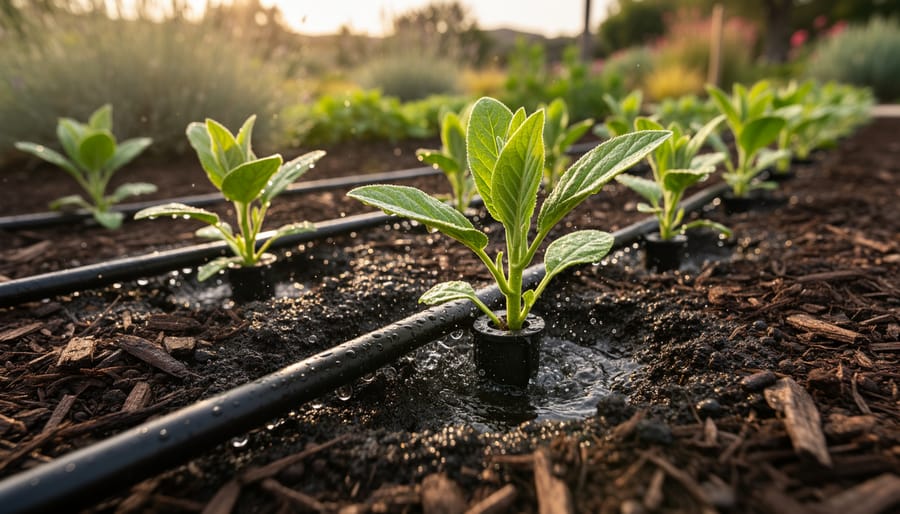
The first few months after planting are the most critical for your new eco-friendly lawn. Water daily for the first two weeks if there’s no rain, keeping the soil consistently moist but not waterlogged. After that, gradually reduce frequency to every other day, then twice a week as roots deepen. Most ground covers need about an inch of water per week during establishment.
Keep foot traffic to a minimum for at least six weeks. I know it’s tempting to walk across your fresh planting, but those tender roots need time to anchor. Weeds will pop up, they always do, but pull them by hand while they’re small rather than reaching for herbicides. Early morning is easiest when the soil is still damp.
Expect patchy coverage at first. Clover typically fills in within 8 to 12 weeks, while native grasses may take a full season. Don’t panic if progress seems slow.
Once established, your maintenance routine changes dramatically. Mow only when plants exceed 4 to 6 inches, leaving clippings as natural mulch. Spread a quarter-inch layer of compost each spring and fall. Spot-seed any bare patches in early autumn. That’s it. No weekly mowing marathons, no fertilizer schedules, just occasional check-ins and simple care.
Reduce Inputs Over Time
Once your eco-friendly lawn hits its stride (usually after the first full growing season), you can dial back your efforts even further. Deep-rooted plants like clover and native grasses become remarkably drought-tolerant, so you can reduce watering to occasional deep soaks during prolonged dry spells rather than frequent shallow sprinklings. Many established ground covers need no supplemental water at all once they’re settled in.
Ditch the fertilizer bags entirely and switch to an annual or biannual top-dressing of compost. Spread a quarter-inch layer in spring or fall and let it work its magic, feeding soil microbes and plants alike. This gentle approach prevents the nutrient spikes that cause excessive growth and actually strengthens plant resilience.
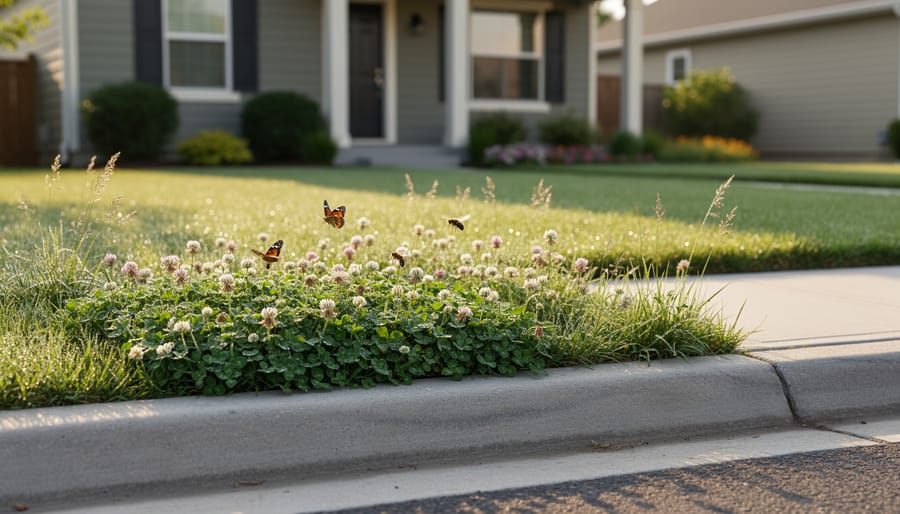
Now comes the fun part: relax your standards. Let clover send up its white blooms for the bees. Allow grasses to grow a bit shaggy between mowings, or skip mowing some areas altogether. That slightly wild look is not only acceptable, it’s the whole point. You’re creating a living, breathing ecosystem, not a golf course. Celebrate every patch of thriving growth and every hour you reclaim from yard work.
How to Know Your Eco-Friendly Lawn Is Thriving
Your new eco-friendly lawn is hitting its stride when you start noticing the small victories. The best indicator is that you’re spending less time outside fussing with it and more time enjoying it. A thriving sustainable lawn typically shows a lush, vibrant color without synthetic fertilizers, though the exact shade depends on what you planted, clover tends toward bright green, while some native grasses lean silvery or blue-green.
Watch for these telltale signs your transition is working:
- Consistent green coverage with only small, scattered bare patches that fill in naturally over time
- Reduced watering frequency as deep roots establish, often down to once weekly or less
- Increased pollinator activity, especially bees visiting clover flowers and butterflies exploring wildflower areas
- Less time spent mowing, fertilizing, and spot-treating compared to your old lawn routine
- Soft, springy texture underfoot that feels pleasant to walk on barefoot
If establishment seems slower than expected, don’t panic. Most eco-friendly alternatives take a full growing season to fill in completely. Sparse coverage in the first few months is normal, especially if you seeded rather than planted plugs. Keep watering consistently during this phase and resist the urge to overseed too heavily, which can crowd out young plants.
Uneven coverage or persistent bare spots often point to compacted soil or poor drainage. Aerate those trouble zones with a garden fork and top-dress with compost. If certain weeds keep returning, hand-pull them before they set seed rather than reaching for chemicals. Patience usually wins here.
Once your eco-friendly lawn is established and thriving, consider extending these principles to other areas. Replace ornamental beds that need constant watering with native perennials, or convert a strip of unused turf into a pollinator garden. Each small expansion builds momentum and makes your whole landscape more resilient.
Interview: Insights from a Sustainable Landscape Designer
We spoke with Maya Chen, a landscape designer based in Portland who’s spent fifteen years helping homeowners transition away from traditional turf. Her firm specializes in native plantings and regenerative landscapes, and she’s worked on everything from quarter-acre suburban yards to multi-acre estates.
What’s your go-to recommendation for someone ready to ditch their grass lawn?
“I always start by asking about their lifestyle. If they have kids or dogs who need play space, I lean toward white clover mixed with fine fescue, it’s tough, stays green with minimal water, and the clover fixes nitrogen so you’re basically never fertilizing. For low-traffic areas, creeping thyme or native sedges are gorgeous and require almost zero maintenance once established.”
What’s the biggest mistake you see homeowners make?
“Trying to do the whole yard at once. That’s overwhelming and expensive. I tell people to start with one problem area, maybe that shady patch where grass won’t grow anyway, or the strip along the driveway. Get comfortable with one alternative, see how it behaves through a full season, then expand. The other mistake is expecting instant results. These plantings need patience, but once they’re established, they outperform turf every time.”
Any advice for dealing with skeptical neighbors or HOA pushback?
“Documentation helps. Take before photos, then show the transformation after six months. Neighbors often come around when they see how good it looks and how little you’re watering. For HOAs, check if there’s language about ‘neat and orderly appearance’ rather than specifically requiring grass. A well-maintained clover lawn or native ground cover usually fits that description. Bring photos of successful installations to the board meeting.”
What long-term benefits do your clients appreciate most?
“Time. Once these systems mature, people tell me they’ve reclaimed their weekends. No more two-hour mowing sessions, no fertilizer schedules, way less watering. And they love the wildlife, suddenly there are butterflies, native bees, even hummingbirds where there used to be just grass.”
Frequently Asked Questions
The transition to eco-friendly lawn care raises practical questions, and I’ve heard most of them from readers and fellow gardeners over the years. Here are the answers to the concerns that come up most often.
How long does the transition take?
Most eco-friendly alternatives need one full growing season to establish, though you’ll see visible progress within weeks. Clover and low-growing ground covers typically fill in faster than wildflower meadows, which may take a full year to look their best.
Can I walk on clover or ground covers?
Yes, most alternatives handle foot traffic well once established. Clover is famously durable and bounces back quickly, while creeping thyme and dwarf mondo grass tolerate moderate use but appreciate stepping stones in high-traffic paths.
What if I have pets or kids?
Eco-friendly lawns are actually safer for children and pets because they eliminate chemical exposure. Clover stays green and soft underfoot, and many ground covers are tougher than traditional turf when it comes to rough play.
How much money will I save?
Once established, eco-friendly lawns cut water bills by half or more and eliminate fertilizer, pesticide, and frequent mowing costs. Most gardeners see a noticeable reduction in yard expenses within the first year.
Will my neighbors complain?
A well-maintained eco-friendly lawn looks intentional and attractive, which helps neighbors see it as a design choice rather than neglect. Starting with a small section and keeping edges tidy goes a long way toward winning them over.
Do I need to remove all my existing grass at once?
Not at all. You can convert your lawn in phases, tackling one section per season, which spreads out the work and lets you refine your approach as you go.
The beauty of eco-friendly lawn care is that it gets easier over time, not harder. Once your alternative is established, you’ll spend less time watering, mowing, and fighting weeds, and more time enjoying your yard. If a question or challenge pops up during your transition, remember that many gardeners have been exactly where you are now and found their way through. Trust the process, and give your new lawn the season it needs to settle in and shine.
Switching to eco-friendly lawn care isn’t just good for the environment, it’s a gift to yourself. You’ll spend less time mowing, watering, and worrying about chemical applications, and more time actually enjoying your outdoor space. The money you save on fertilizers, pesticides, and sky-high water bills can go toward other garden projects or simply staying in your pocket. And those pollinators buzzing around your clover blooms? They’re proof that your yard is now part of the solution, supporting local ecosystems instead of straining them.
If the whole transformation feels overwhelming, remember this: you don’t have to do it all at once. Start with one patch, maybe a shady corner or a strip along the driveway. Watch how your chosen ground cover thrives, how little fuss it requires once established. That success will build your confidence and probably make you eager to expand.
You’re joining a growing community of gardeners who’ve discovered that sustainable lawns can be absolutely beautiful. They’re just different from the old ideal, and honestly, that’s refreshing. The meadow grasses swaying in the breeze, the soft texture of moss underfoot, the cheerful white blooms on a clover carpet, these are landscapes with character and purpose.
We’re cheering you on every step of the way. Your willingness to try something new matters, and your yard will reflect that care for years to come.