Look outside your window right now and notice the weather patterns. That simple observation holds the key to transforming your garden from a collection of struggling plants into a thriving outdoor sanctuary.
Your climate type determines which plants will flourish effortlessly and which will demand constant attention only to disappoint you season after season. Understanding these five major climate classifications isn’t just academic knowledge—it’s the difference between watching your tomatoes wither in unexpected frost or harvesting baskets full of them all summer long.
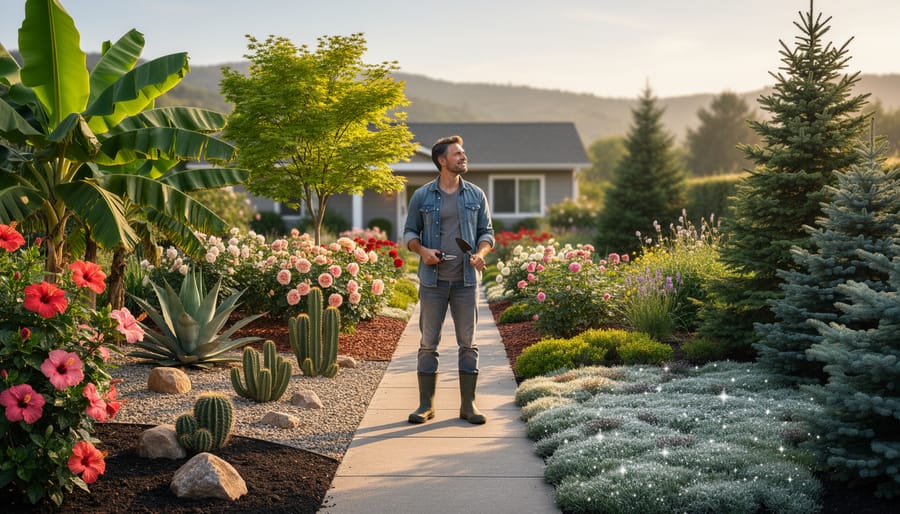
Think of climate types as nature’s instruction manual for your garden. Tropical climates offer year-round warmth and moisture, perfect for lush foliage that would rot in cooler regions. Dry climates demand drought-tolerant succulents and native grasses that conserve precious water. Temperate zones provide distinct seasons that many flowering plants need to complete their life cycles. Continental climates test plant hardiness with extreme temperature swings. Polar regions challenge even the most resilient species with extended freezes and limited growing seasons.
Most gardening frustrations stem from one simple mismatch: forcing plants to survive where they weren’t meant to grow. When you align your plant choices with your climate type, you’ll spend less time fighting nature and more time enjoying the rewards. Your garden becomes easier to maintain, more resilient to weather challenges, and infinitely more beautiful.
Let’s identify your climate type and discover which plants will make your gardening dreams feel effortless rather than exhausting.
What Makes Climate Types Different From Hardiness Zones
If you’ve ever wondered why a plant labeled for your USDA hardiness zone still struggled in your garden, you’re not alone! Here’s the thing: hardiness zones are incredibly helpful, but they only tell part of the story. These zones, which you might see on plant tags at the nursery, focus primarily on one factor—the average annual minimum winter temperature. That’s it.
Climate types, on the other hand, give you the full picture. Think of hardiness zones as knowing only a person’s height, while climate types reveal their entire personality! When you’re understanding climate zones, you’re learning about rainfall patterns, humidity levels, seasonal temperature swings, and even how hot your summers get.
Let me share an example. I once interviewed a gardener in Phoenix who tried growing lavender recommended for her zone 9. It should have worked perfectly, right? Wrong! The lavender sulked because while the winter temperatures matched, the extreme summer heat and monsoon humidity were nothing like the Mediterranean climate lavender craves. Her hardiness zone was correct, but her climate type was completely different.
Climate types consider whether you get summer or winter rainfall, how dry or humid your air is, and whether you experience dramatic temperature fluctuations or gentle transitions between seasons. A coastal zone 8 garden in the Pacific Northwest faces entirely different conditions than an inland zone 8 garden in Texas, even though they share the same minimum winter temperature.
This broader understanding helps you anticipate challenges before they arise. You’ll know whether to worry about summer drought, winter wet, or humidity-loving fungal diseases—invaluable information that goes far beyond just surviving winter cold.
The 5 Major Climate Types Every Gardener Should Know
Understanding your climate type is like having a secret key to gardening success. Rather than guessing which plants might work in your yard, you can make informed choices that save you time, money, and heartache.
The Köppen climate classification system, developed over a century ago by climatologist Wladimir Köppen, divides the world’s climates into five major categories. While the original system can feel overwhelming with its technical subdivisions, we’ve simplified it here for gardeners like you and me.
These five climate types—Tropical, Dry, Temperate, Continental, and Polar—each create distinct growing conditions that determine everything from your planting dates to which vegetables will flourish in your backyard. Think of them as nature’s growing zones on a grand scale.
I learned this lesson the hard way when I first started gardening. I kept trying to grow plants I’d seen in magazines, wondering why they struggled. Once I understood my climate type, everything clicked into place. Suddenly, I knew why some plants thrived while others barely survived.
In the sections ahead, we’ll explore each climate type in detail, giving you practical plant recommendations and growing strategies tailored to your region’s unique conditions.

Tropical Climate: Where Heat and Humidity Rule
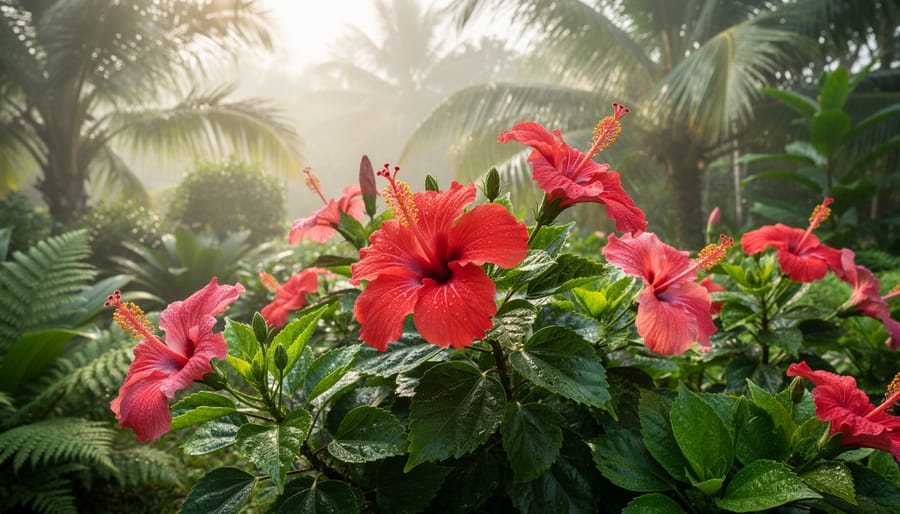
Best Plants for Tropical Gardens
If you’re lucky enough to garden in a tropical climate, you’ve hit the jackpot for growing stunning, lush plants year-round. The warm temperatures and consistent moisture create perfect conditions for so many beautiful varieties.
Hibiscus is a tropical superstar that produces gorgeous blooms in vibrant colors. Plant it in full sun and give it regular watering—you’ll be rewarded with flowers that make your neighbors jealous. Bird of paradise is another showstopper that thrives with minimal fuss, creating that exotic resort feeling right in your backyard.
For foliage that stops people in their tracks, try elephant ears or caladiums. These plants love the humidity and bring incredible texture to shaded areas. I spoke with tropical gardener Maria Santos, who shared her secret: “Feed your foliage plants with balanced fertilizer monthly during the growing season, and they’ll reward you with leaves the size of dinner plates.”
Don’t forget flowering gingers and heliconias—these beauties practically grow themselves in tropical conditions. Plant them in rich, well-draining soil with plenty of organic matter, and they’ll fill your garden with color and movement. The best part? Most tropical plants are surprisingly low-maintenance once established, making them perfect for both beginners and experienced gardeners.
Common Mistakes in Tropical Climates
Many gardeners assume tropical climates mean constant watering, but this is actually a recipe for root rot. While these regions receive significant rainfall, plants often need less supplemental water than you’d think, especially during rainy seasons. The key is ensuring excellent soil drainage—heavy clay soils can quickly become waterlogged, so amending with organic matter is essential. You might also find yourself battling excessive growth rather than encouraging it. Vines and fast-growing shrubs can overtake your garden in weeks, not months. Regular pruning becomes a year-round task rather than a seasonal one. I’ve learned from talking with experienced tropical gardeners that staying ahead of growth spurts, rather than reacting to them, makes all the difference. Don’t feel discouraged—understanding these unique challenges helps you work with your climate instead of against it.
Dry/Arid Climate: Thriving With Less Water
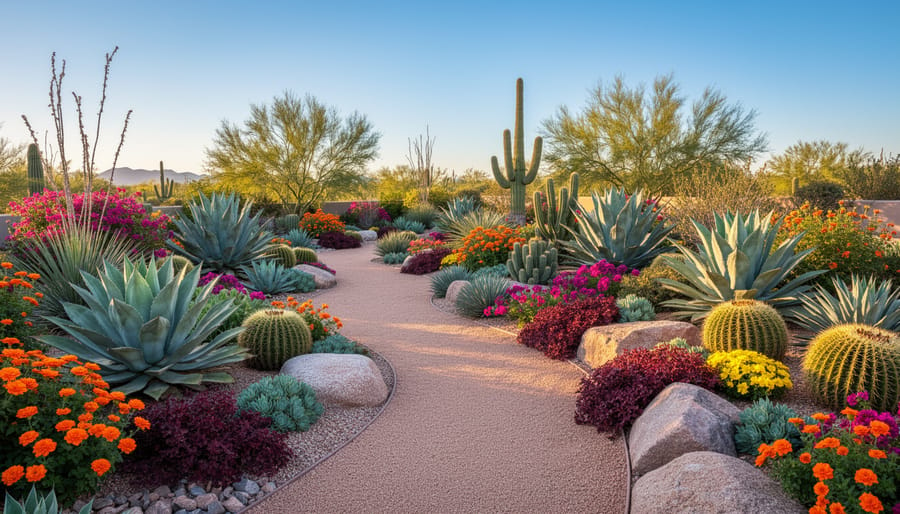
Desert-Tough Plants That Actually Look Beautiful
Who says water-wise gardens have to look barren? Desert-adapted plants offer some of the most striking combinations of color, texture, and form you’ll find anywhere. Let me share what makes these beauties so special.
Succulents and cacti are the obvious stars here, and for good reason. Think beyond the basic green barrel cactus—consider the silvery-blue rosettes of echeveria, the architectural drama of agave, or the surprising blooms of prickly pear. These plants store water in their leaves and stems, making them incredibly forgiving if you forget to water.
Mediterranean herbs like lavender and sage bring both fragrance and visual softness to desert gardens. Their silvery foliage creates beautiful contrast against darker rocks or mulch, and they reward you with aromatic blooms that pollinators absolutely adore. Plus, you can harvest them for cooking or crafts.
Don’t overlook native desert wildflowers either. Plants like desert marigold, penstemon, and brittle bush have evolved specifically for your conditions. They’ll give you seasonal color without the fuss, and they support local wildlife. I’ve found that grouping these plants together creates surprisingly lush-looking vignettes that need watering just once or twice weekly once established. The secret is choosing plants that naturally belong in dry climates rather than fighting against nature.
Water-Saving Techniques That Work
Regardless of your climate type, smart water management makes all the difference in creating a thriving garden. Start with a generous layer of organic mulch around your plants—2 to 3 inches of wood chips, shredded bark, or compost works wonderfully. This simple step reduces evaporation by up to 70% while keeping roots cool and weeds at bay.
Consider switching to drip irrigation or soaker hoses, which deliver water directly to roots rather than wastefully spraying foliage. These systems use about half the water of traditional sprinklers and you can put them on timers for effortless consistency.
Here’s a game-changer: group plants with similar water needs together. Place thirsty vegetables and annuals in one zone, drought-tolerant natives in another. This prevents overwatering some plants while underwatering others.
Finally, improve your soil’s moisture retention by working in compost or aged manure annually. Clay-heavy soils benefit from added organic matter that improves drainage, while sandy soils gain water-holding capacity. These amendments create a reservoir that keeps moisture available to roots longer between waterings, helping your garden weather dry spells with grace.
Temperate Climate: The Goldilocks Zone for Gardening
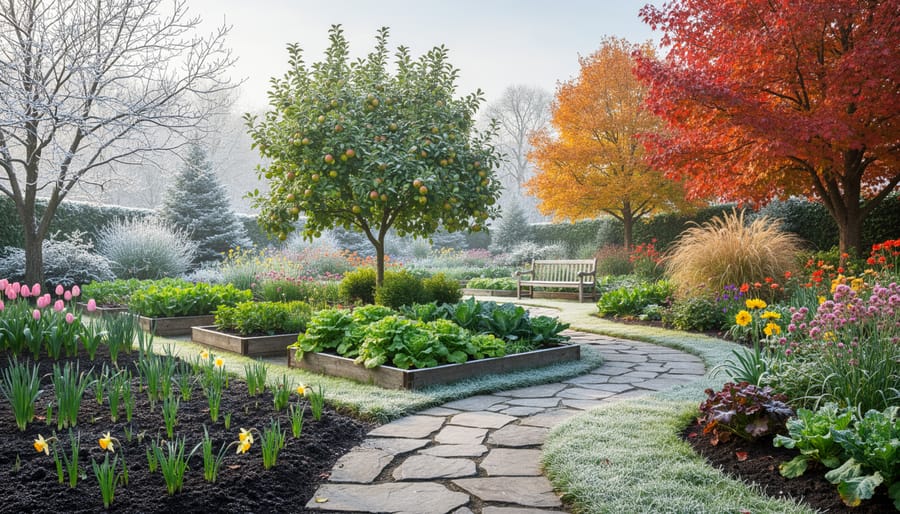
Making the Most of Four Seasons
The secret to creating a stunning temperate climate garden is planning for continuous interest throughout the year. Think of your garden as a four-act play, with each season bringing its own spectacular show.
Start with spring bulbs like daffodils, tulips, and crocuses. Plant them in fall, about 6 inches deep, and you’ll be rewarded with cheerful blooms when you need them most. I like clustering bulbs in groups of seven or more for maximum impact.
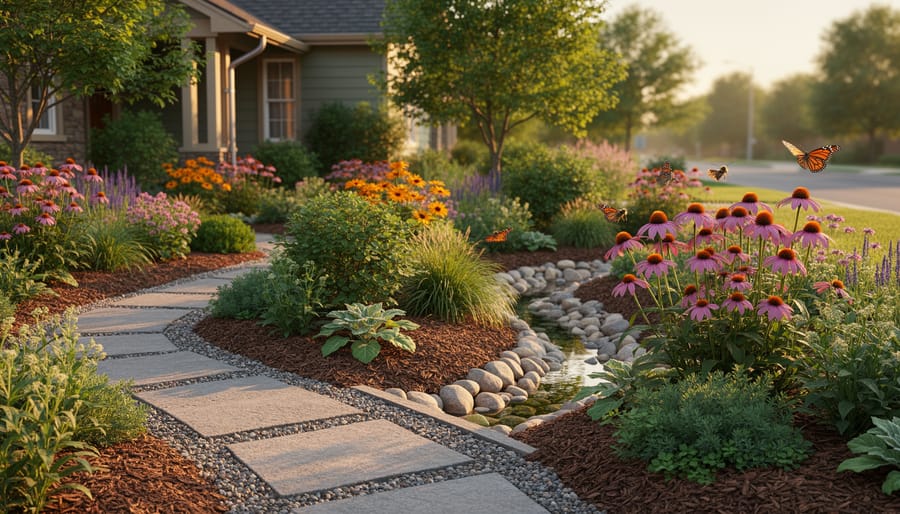
Summer is when perennials truly shine. Choose reliable performers like coneflowers, black-eyed Susans, and daylilies that provide months of color with minimal fuss. These workhorses will return year after year, making them excellent investments for your garden.
Don’t neglect fall interest. Japanese maples, burning bush, and ornamental grasses create breathtaking displays as temperatures drop. Many ornamental grasses also provide winter structure, their seed heads catching frost and snow beautifully.
Finally, evergreens are your garden’s backbone. They provide year-round structure and keep your landscape from looking bare in winter. Boxwood, holly, and various conifers work wonderfully as anchors. Mix different evergreen textures and shades for depth and visual interest even in the coldest months.
Avoiding the ‘Too Many Options’ Trap
When you’re excited about gardening in your climate zone, it’s tempting to plant everything that might possibly work. But here’s the truth: starting with fewer, well-chosen plants leads to more success and less frustration.
Begin by observing your yard’s microclimates. Does that corner stay soggy after rain? Is there a hot, dry spot near your south-facing wall? These variations matter more than the broad climate category. Select plants specifically suited to these conditions rather than fighting against them.
Next, consider your soil honestly. Sandy, clay, or loamy soil each favors different plants. A quick soil test saves countless hours of struggle. If you’re in a dry climate, focus on drought-defying garden strategies rather than trying to grow water-lovers.
Finally, match plants to your maintenance style. Love daily garden visits? Go for vegetables and annuals. Prefer weekend care? Choose reliable perennials and native plants.
Start with five to ten proven performers for your specific conditions. Master those, then expand gradually. Success breeds confidence and genuine gardening joy.
Continental Climate: Mastering the Extremes
Cold-Hardy Champions
If you’re gardening where winter means business, you’ll be thrilled to know there’s a wonderful selection of plants that laugh in the face of frost. These cold-hardy champions don’t just survive freezing temperatures—they actually thrive in them.
Conifers are your backbone plants here. Think evergreen spruce, pine, and fir trees that provide year-round structure and color when everything else has gone dormant. They’re remarkably low-maintenance once established and create gorgeous focal points in winter landscapes.
For perennials, hostas and daylilies are practically indestructible. I’ve seen hostas emerge cheerfully after temperatures dipped to -30°F. They die back completely in winter, which actually protects them, then return with vigorous growth each spring. Daylilies are equally tough and reward you with stunning summer blooms.
Don’t overlook hardy shrubs like lilacs, potentilla, and dogwood varieties. These workhorses handle brutal winters while offering seasonal interest through flowers, berries, or colorful stems. Potentilla, in particular, blooms from June through frost despite harsh conditions.
The secret to success? Choose plants rated at least two zones colder than your actual zone for extra insurance. Your garden will thank you when those unexpected cold snaps arrive.
Protecting Plants From Temperature Shock
Temperature shock can set your garden back weeks, but with a few smart strategies, you’ll help your plants transition smoothly through seasonal changes. Think of mulch as a cozy blanket for your plant roots—apply a 2-3 inch layer around your plants in both spring and fall to insulate the soil and moderate temperature swings. I learned this lesson the hard way when an unexpected late frost wiped out my tomatoes one April!
Wind protection matters more than you might think. Cold winds intensify temperature stress, so position row covers, burlap screens, or even temporary wooden barriers around vulnerable plants during transitional periods. This simple step can make the difference between thriving plants and stressed ones.
Timing is everything when it comes to planting. Rather than racing to get plants in the ground at the first warm spell, wait until nighttime temperatures consistently stay above the minimum for your chosen plants. Your local frost dates are helpful guidelines, but watch the extended forecast too. Patience here pays off with stronger, healthier plants that won’t waste energy recovering from temperature stress.
Polar/Alpine Climate: Short Seasons, Smart Choices
Fast-Growing Plants for Short Summers
When your growing season feels more like a sprint than a marathon, choosing the right plants makes all the difference! I’ve learned this firsthand during my years gardening in Zone 3, where frost can surprise you well into June.
For vegetables, focus on speedy producers like radishes (ready in just 25 days), lettuce, spinach, and snap peas. Bush beans mature faster than pole varieties, and fast-maturing potato varieties like ‘Yukon Gold’ can squeeze into shorter seasons. Brassicas such as broccoli and cabbage are naturally cold-tolerant, giving you extra flexibility with planting dates.
Among annuals, sweet alyssum, calendula, and nasturtiums bloom quickly and often self-seed for next year. Cosmos and zinnias grown from transplants will reward you with flowers all summer long, even if started late.
Don’t overlook hardy perennials that laugh at cold weather. Siberian iris, daylilies, and sedum establish quickly and return reliably each spring. Lupines and columbines also thrive in short-season climates, adding spectacular color without demanding a long growing window.
The secret? Start many crops indoors 4-6 weeks before your last frost date, and always keep row covers handy for unexpected cold snaps. Your short summer can still be incredibly productive!
How to Identify Your Specific Climate Type
Discovering your climate type is easier than you might think, and it’s one of the most empowering steps you can take as a gardener! Let’s walk through some simple methods to pinpoint exactly where you fall.
Start with the USDA Plant Hardiness Zone Map, which you can find online through your local cooperative extension service or the USDA website. Simply enter your zip code, and you’ll discover your zone number. This gives you a baseline understanding of your average minimum winter temperatures, which is incredibly helpful for plant selection.
Next, dig a little deeper by checking resources like the Sunset Climate Zones or the Trewartha climate classification system, which consider factors beyond just cold hardiness. Look at your average rainfall, summer temperatures, and humidity levels. Your local weather station’s historical data is perfect for this.
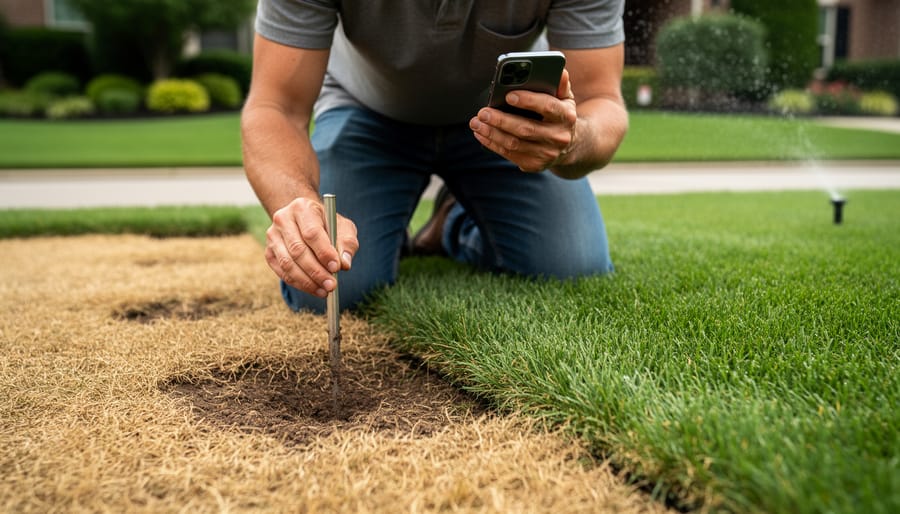
Don’t overlook the power of observation right in your own backyard! Walk around your property at different times of day and notice where frost settles first, which areas stay soggy after rain, and where the sun lingers longest. These microclimates can vary significantly even within a small space. That south-facing wall might create a pocket warm enough for plants typically suited to one zone warmer, while a low-lying corner could be a frost trap.
Connect with your local cooperative extension office—these folks are absolute goldmines of regional expertise. They understand your specific conditions and can provide tailored advice that online resources sometimes miss. Many offer free consultations and soil testing too!
Putting It All Together: Your Climate-Specific Planting Strategy
Now that you understand your climate type, it’s time to create your personalized planting strategy. Think of this as your roadmap to gardening success, tailored specifically to where you live.
Start by making a list of plants that caught your attention from your climate category. Then, dig a little deeper into their specific requirements. Check seed packets, plant tags, or reliable gardening websites for details about sunlight needs, water preferences, and mature sizes. Your local cooperative extension office is also a goldmine of information, offering free resources about what grows best in your exact area.
Here’s my best advice: start small. Choose three to five plants that experts confirm will thrive in your climate. This manageable number lets you observe how they perform throughout the seasons without feeling overwhelmed. I learned this lesson after my first enthusiastic gardening year when I planted everything that looked interesting and couldn’t keep up with the different care requirements.
Take walks around your neighborhood and notice which gardens look healthiest. Don’t be shy about knocking on doors or leaving friendly notes asking about plant varieties. Most gardeners love sharing their knowledge and climate-resilient plant choices. These local success stories give you real-world proof of what works.
Keep a simple garden journal noting what you planted, when, and how it performed. This record becomes invaluable over time, helping you refine your selections each season. Remember, successful gardening isn’t about perfection from day one. It’s about learning what thrives in your unique patch of earth and building on those victories year after year.
Understanding your climate type is like discovering your garden’s secret language. Once you know whether you’re working with tropical heat, desert dryness, or temperate seasons, plant selection becomes remarkably straightforward. Instead of wondering why that gorgeous plant from the nursery didn’t survive, you’ll confidently choose varieties that are practically designed to flourish in your backyard.
The beauty of climate-based gardening is that it invites you to celebrate what your region does best. Rather than fighting endless battles against nature—coaxing Mediterranean lavender through humid summers or babying tropical hibiscus through cold snaps—you can work alongside your climate’s natural rhythms. Desert gardeners can embrace stunning succulents and drought-tolerant blooms. Those in temperate zones can enjoy the spectacular show of four-season gardening.
Here’s the truth: your climate isn’t a limitation; it’s your gardening superpower. When you stop resisting and start collaborating with the conditions nature provides, something wonderful happens. Your plants grow stronger, your efforts go further, and your garden transforms from a constant struggle into a thriving partnership. Nature has already done the hard work of establishing what flourishes in your area—your job is simply to listen and plant accordingly.