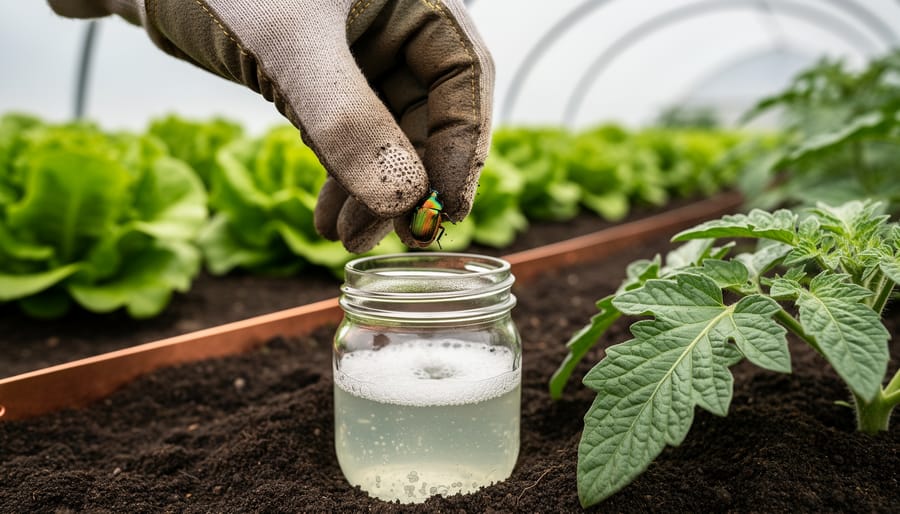
Mechanical pest control uses physical barriers, traps, and hands-on removal to stop garden pests without chemicals. Pull a Japanese beetle off your tomato plant by hand and drop it into soapy water—that’s mechanical control in action. Install a copper barrier around your lettuce bed to block slugs from reaching tender leaves. Set up row covers over young seedlings to prevent moths from laying eggs that become destructive caterpillars.
This straightforward approach puts you in direct contact with your garden’s challenges while protecting beneficial insects and keeping your soil chemical-free. Unlike sprays that drift onto neighboring plants or bait stations that might harm pets, mechanical methods target only the pests you want gone. You’ll see exactly what’s working because the results are right there in front of you—the beetle in your bucket, the slug stopped at the copper edge, the unblemished cabbage under protective netting.
The beauty of mechanical pest control lies in its simplicity and immediate effectiveness. You don’t need to wait for products to arrive or worry about application timing and weather conditions. Your garden gloves, a roll of fine mesh, and a willingness to check your plants regularly become your most powerful tools. Whether you’re growing vegetables for your family or cultivating a pollinator-friendly flower garden, these time-tested methods work alongside nature rather than against it, creating a healthier growing space for everything you plant.
What Exactly Is Mechanical Pest Control?
Let me break this down in the simplest way possible. Mechanical pest control is exactly what it sounds like: using physical methods or barriers to keep pests away from your plants. Think of it as creating obstacles, traps, or removing pests by hand rather than reaching for a spray bottle.
Here’s what makes it different from other approaches. While chemical pest control relies on pesticides and biological pest control uses natural predators like ladybugs, mechanical methods are all about hands-on, physical solutions. You’re literally putting something in the pest’s way or removing them directly.
Let me give you some examples you’ve probably already seen in action. That row cover draped over your seedlings? That’s mechanical pest control. Those copper strips around your raised beds that stop slugs in their tracks? Mechanical control. Even something as simple as picking aphids off your tomato plants by hand counts. Other common examples include setting up traps for rodents, installing bird netting over your berry bushes, or using sticky traps in your greenhouse.
What makes this approach so appealing is its simplicity and safety. You don’t need to worry about chemical residues on your vegetables or timing applications around beneficial insects. It’s also incredibly empowering because you’re taking direct action. When you see a problem, you address it immediately with tools and materials you likely already have.
The beauty of mechanical pest control is that it works alongside other methods too. You might use row covers while your plants are young and vulnerable, then rely on natural predators as your garden matures. It’s a flexible, accessible approach that gives you control without compromising your garden’s health or your family’s safety.
The Difference Between Physical and Mechanical Controls
If you’re diving into natural pest control methods, you’ll probably come across both “physical” and “mechanical” controls mentioned, sometimes separately and sometimes lumped together. Don’t worry if this seems confusing at first—there’s definitely overlap between these two approaches!
Here’s the basic distinction: Physical pest control typically refers to creating barriers or altering the environment to keep pests out or make conditions unfavorable for them. Think of row covers draped over your vegetable beds, copper tape around containers to repel slugs, or simply hand-picking beetles off your plants. These methods use physical materials or actions but don’t necessarily involve moving parts.
Mechanical controls, on the other hand, involve devices or tools with some kind of action or mechanism. Classic examples include mousetraps with spring-loaded bars, insect traps with attractants and sticky surfaces, or even a simple fly swatter with its snapping motion.
That said, the line between them gets pretty blurry in everyday gardening. A sticky trap is technically mechanical because it traps insects through a catching mechanism, but it’s also just a physical barrier. Hand-picking pests could be considered either physical removal or a mechanical action. This is exactly why many gardening experts—and you’ll often hear seasoned gardeners say this too—simply group them together as “physical/mechanical controls.”
Understanding this distinction isn’t about memorizing definitions for a test. It’s about recognizing that you have a whole toolbox of non-chemical options available. Whether you call it physical or mechanical doesn’t matter nearly as much as knowing which approach works best for the specific pest problem you’re facing in your garden. The more methods you’re comfortable using, the more successful your natural pest management will be.
Common Mechanical Pest Control Methods You Can Use Today
Hand-Picking and Manual Removal
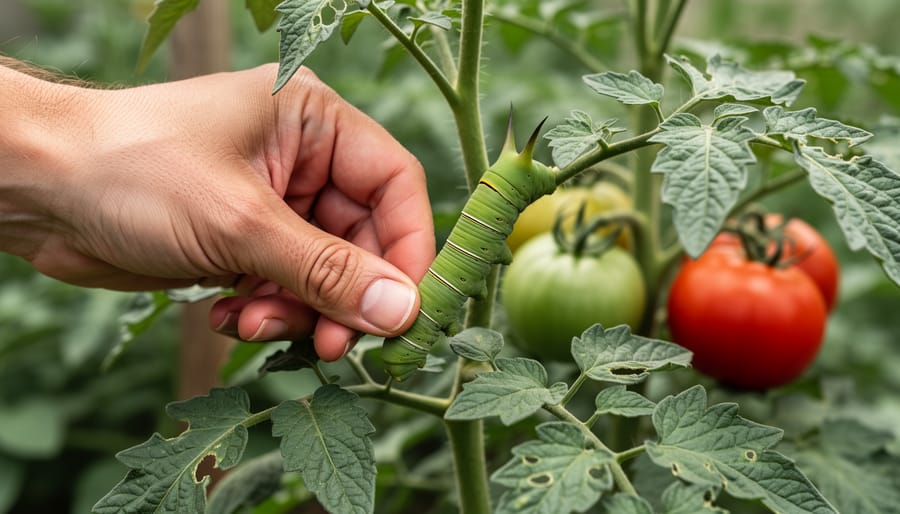
Sometimes the most effective pest control method is also the simplest: using your own two hands! Hand-picking works wonderfully for larger pests that are easy to spot, like tomato hornworms, Japanese beetles, slugs, and caterpillars. Early morning is your golden hour for this task, when many pests are sluggish from cooler temperatures and haven’t scattered yet. You’ll also find slugs and snails most active during dawn or after evening watering.
The technique is straightforward. Walk through your garden with a container of soapy water, and simply pluck visible pests off your plants, dropping them into the solution. For squeamish gardeners, wear gloves or use tweezers. Check the undersides of leaves where many pests hide, and inspect stems near the soil line.
This method works best when you’re consistent, making it part of your daily garden routine. While hand-picking won’t eliminate every pest, it dramatically reduces populations before they cause serious damage. It’s particularly effective for home gardeners with smaller plots who can dedicate a few minutes each day to patrol. Plus, there’s something deeply satisfying about protecting your plants so directly and personally!
Traps and Barriers
Traps and barriers are your frontline defense in mechanical pest control, offering simple yet incredibly effective solutions for protecting your garden. Let’s explore some of the most reliable options that gardeners swear by.
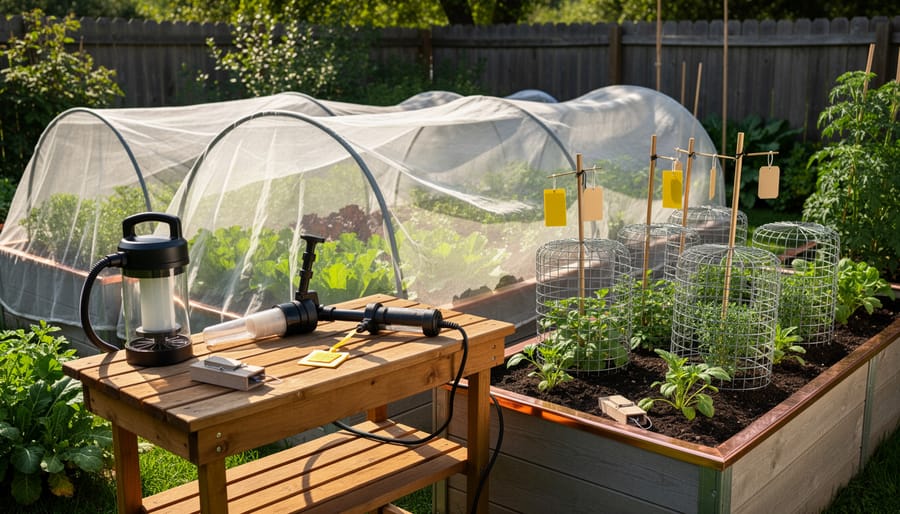
Sticky traps are wonderful for monitoring and catching flying insects like aphids, whiteflies, and fungus gnats. These bright yellow or blue cards coated with adhesive work beautifully when hung near affected plants. I particularly love using them in greenhouses where they double as an early warning system, showing you exactly which pests are present before populations explode.
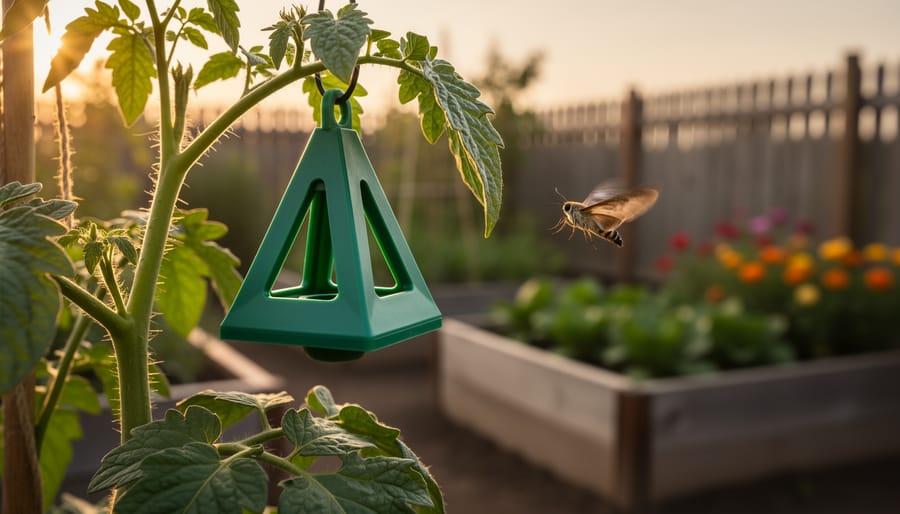
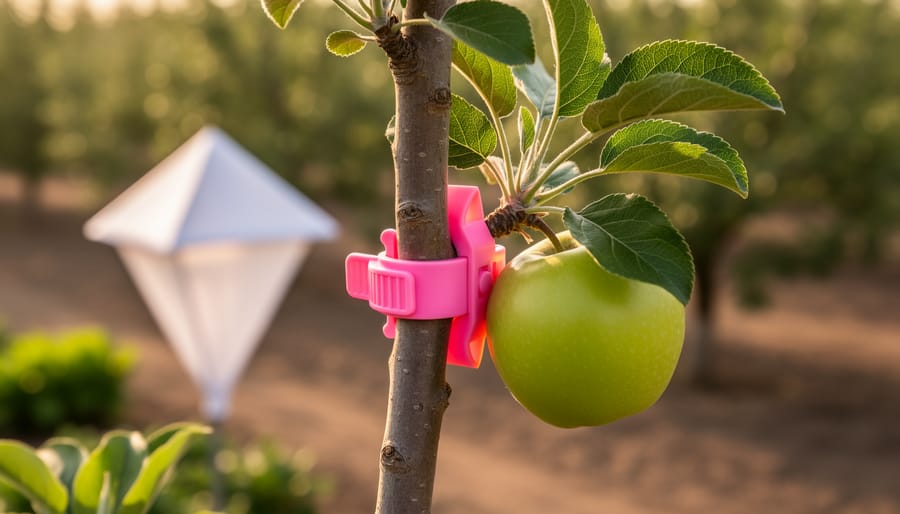
Pheromone traps take things up a notch by using natural insect attractants to lure specific pests. They’re especially effective for moths and beetles that threaten fruit trees and vegetable gardens. The beauty of these traps is their species-specific targeting, meaning beneficial insects go about their business undisturbed.
For slug and snail control, beer traps remain a gardener’s favorite. Simply bury a shallow container at soil level, fill it partially with beer, and these moisture-loving pests will find their way in overnight. Alternatively, copper tape creates a natural barrier that slugs refuse to cross due to a harmless chemical reaction with their slime.
Physical barriers like row covers protect your crops from flying insects while allowing sunlight and water through. Fine mesh netting keeps birds away from berries and butterflies off your brassicas. These barriers are particularly valuable for organic gardeners who want complete protection without any chemical intervention.
Cultivation and Soil Techniques
Your soil management routine can be one of your most powerful allies against garden pests! Tilling and cultivation work by physically disrupting the cozy underground homes where many pests spend their dormant periods. When you turn over soil in late fall or early spring, you’re exposing overwintering insects, larvae, and pupae to harsh weather and hungry birds—nature’s cleanup crew.
Mulching creates a mechanical barrier that prevents pests from reaching plants or emerging from the soil. A 2-3 inch layer of organic mulch around your vegetables makes it tough for ground-dwelling insects to navigate. Just remember to keep mulch a few inches away from plant stems to avoid creating hiding spots right at the base.
Timing matters tremendously here. Fall tilling is particularly effective against beetles and cutworms that burrow down for winter. In spring, wait until soil is workable but not soggy—you’ll want to break up those pest nurseries without damaging soil structure. I’ve found that cultivating shallowly between rows during the growing season not only manages weeds but also disturbs newly hatched pests before they can establish themselves on your precious plants. It’s simple, satisfying work that really pays off!
Water-Based Controls
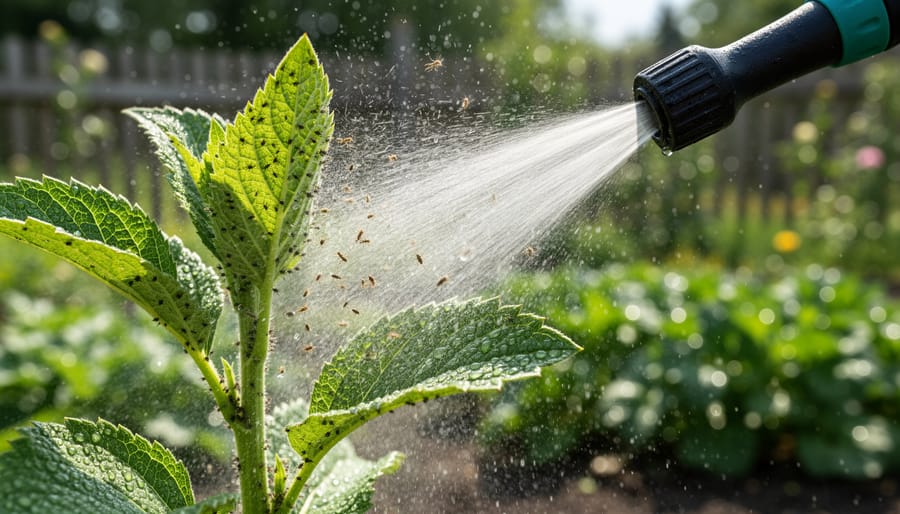
Sometimes the simplest solutions work best, and water-based controls are a perfect example. This straightforward technique uses strong water pressure to physically knock pests off your plants or, in some cases, drown them entirely. It’s particularly effective against soft-bodied insects like aphids, whiteflies, and spider mites that struggle to climb back once displaced.
I find that a simple garden hose with an adjustable nozzle works wonderfully for most situations. Aim for a firm spray setting that won’t damage delicate foliage, and direct the water at the undersides of leaves where pests typically hide. For precision work with houseplants or seedlings, try a spray bottle or sink sprayer instead.
Timing matters too. Early morning applications allow plants to dry quickly, preventing fungal issues. You’ll likely need to repeat this treatment every few days initially, as it doesn’t provide residual protection. For persistent infestations, consider pairing water sprays with other mechanical methods like handpicking or barriers for comprehensive control.
Temperature Treatments
Temperature extremes offer powerful mechanical pest control without chemicals. Soil solarization works beautifully during summer: moisten your garden bed, cover it with clear plastic sheeting, and secure the edges. Over 4-6 weeks, solar heat raises soil temperatures to 120-140°F, effectively eliminating pests, weed seeds, and pathogens. I’ve seen gardeners transform problem beds into thriving spaces using this simple technique.
For stored products like grains or seeds, cold treatment works wonders. Place items in sealed containers and freeze at 0°F for at least four days to kill insects at all life stages. This method is perfect for protecting your harvest without worrying about contamination. Both approaches harness natural temperature changes to mechanically disrupt pest survival, giving you safe, effective control that’s completely chemical-free.
Why Mechanical Pest Control Works Better Than You Think
Here’s something that might surprise you: mechanical pest control often outperforms fancy chemical solutions, and there are solid reasons why.
First, pests can’t develop resistance to a physical barrier or a hand-picking session. While insects regularly evolve to resist pesticides, they’ll never outsmart a simple row cover or copper tape. This makes mechanical methods remarkably reliable over time, which is exactly what you want in a sustainable garden.
The results are also immediate and visible. When you remove aphids by hand or catch slugs in a beer trap, you see the problem disappear right before your eyes. There’s no waiting period, no wondering if the treatment worked, and no concerns about rain washing away your efforts before they take effect.
I love that these earth-friendly pest control methods protect the garden helpers we want to keep around. While broad-spectrum pesticides kill indiscriminately, mechanical approaches target specific pests. Your ladybugs, lacewings, and other beneficial insects remain safe and continue their important work pollinating plants and hunting harmful bugs.
From an environmental perspective, mechanical control leaves no toxic residues in soil or groundwater. Your pets and children can safely enjoy the garden immediately after you’ve employed these methods. Master gardener Sarah Chen, whom I spoke with last month, shared that switching to primarily mechanical methods reduced her environmental footprint while actually improving her pest control success rate.
Now, let’s be honest about the limitations. Mechanical methods require more hands-on time and consistent monitoring. They work best for smaller gardens or specific problem areas rather than large-scale operations. Some methods, like hand-picking, can feel tedious during heavy infestations. But for most home gardeners, the benefits far outweigh these considerations, especially when you view garden maintenance as enjoyable outdoor time rather than a chore.
When to Choose Mechanical Over Other Pest Control Methods
Mechanical pest control shines brightest when you’re dealing with visible pests in manageable numbers and clearly defined areas. If you’ve spotted a few dozen aphids clustering on your rose bushes, a strong spray from the hose works wonders. Similarly, when you can see slugs leaving their telltale trails across your hostas, hand-picking them during evening patrols gives you immediate, satisfying results.
For smaller gardens under 500 square feet, mechanical methods often provide all the pest management you’ll need. You can realistically patrol this space regularly, spot problems early, and address them before they escalate. Barriers like row covers and copper tape around raised beds work exceptionally well in compact spaces where you can maintain them easily.
However, mechanical controls have their limits. When pest populations explode or when you’re facing underground dwellers like root maggots, you’ll benefit from combining methods. Large properties over an acre make purely mechanical approaches impractical unless you’re managing specific problem zones rather than the entire space.
Here’s where integrated pest management becomes your best friend. Think of mechanical methods as your first line of defense, but keep other sustainable options ready. During a severe Japanese beetle invasion last summer, master gardener Elena Martinez shared with me how she combined hand-picking with beneficial nematodes for grubs in the soil, achieving far better control than either method alone.
Choose purely mechanical approaches when pests are visible, populations are small, and you have time for regular monitoring. Embrace integrated strategies when facing persistent problems, large areas, or pests with complex life cycles.
Getting Started: Your First Steps with Mechanical Pest Control
Ready to dive into mechanical pest control? Let’s start with the simplest, most effective approaches that won’t strain your wallet or your patience.
Begin by observing your garden regularly. Walk through at different times of day, checking under leaves and around plant bases. This simple habit helps you catch problems early when they’re easiest to manage. Familiarize yourself with monitoring techniques that work for your schedule and garden size.
Your first toolkit can be beautifully basic. Start with what you likely already have: your hands for handpicking larger pests, a strong spray nozzle for your hose, and some old bedsheets or row covers to protect vulnerable plants. Add a few inexpensive items like yellow sticky cards for flying insects and copper tape for slugs. As you gain experience, you might invest in quality barriers or specialized traps.
Here’s my advice: choose one method that addresses your biggest pest problem right now. Dealing with slugs? Try beer traps or crushed eggshell barriers. Aphids overwhelming your roses? Start with the hose spray method. Master that single technique before expanding your repertoire.
Keep a simple garden journal noting what works and what doesn’t. Every garden is unique, and your observations become your most valuable resource. Don’t worry about perfection. Even experienced gardeners experiment constantly. The beauty of mechanical methods is their forgiving nature—you can adjust and try again without worrying about chemical residues or environmental harm.
You now have everything you need to embrace mechanical pest control in your own garden. Remember, this isn’t about achieving perfection overnight—it’s about taking thoughtful steps toward a healthier, more sustainable approach to managing pests. The beauty of mechanical methods lies in their simplicity and the deep satisfaction that comes from working with nature rather than against it.
Start small if you’re new to this approach. Maybe begin with row covers for your most vulnerable plants or set up a few beer traps for slugs. Observe what works in your unique garden environment, and don’t be afraid to experiment. Each season teaches you something new about the pests in your area and the most effective ways to manage them without chemicals.
You’re joining a vibrant, growing community of gardeners who’ve discovered that the most effective pest control often comes from our own hands and creativity. Your garden becomes more than just a collection of plants—it transforms into a learning laboratory where you develop skills, build resilience, and contribute to a healthier ecosystem.
So grab that row cover, pick up your hand tools, and step into your garden with confidence. The pests don’t stand a chance against your newfound knowledge and determination. Your chemical-free garden adventure starts now.