Mark your calendar now: Zone 7’s extended growing season means pests and diseases operate on predictable schedules, and timing your prevention efforts correctly makes the difference between a thriving garden and a struggling one. Instead of reacting to problems after they damage your plants, you’ll discover how aligning your monitoring and treatment schedule with each pest’s lifecycle gives you the upper hand throughout the year.
Your Zone 7 garden faces distinct challenges each month, from early spring fungal diseases that attack emerging seedlings to late summer insect infestations that target ripening vegetables. Understanding this rhythm transforms your approach from firefighting to strategic planning. When you know aphids typically arrive in mid-April or that powdery mildew predictably appears during June’s humid weeks, you’re prepared with solutions before the first signs of trouble.
This comprehensive monthly calendar breaks down exactly what to watch for and when to take action, helping you protect the time and money you’ve invested in your garden. Whether you’re starting your first vegetable patch or you’ve been gardening for decades, having a clear schedule removes the guesswork from pest and disease management. You’ll learn which tasks deserve attention each month, from February’s dormant oil sprays to September’s disease-resistant fall plantings, creating a proactive routine that fits naturally into your regular garden maintenance. By season’s end, you’ll wonder how you ever gardened without this roadmap guiding your protective measures.
Understanding Your Zone 7 Growing Season
What Makes Zone 7 Special
Zone 7 occupies a sweet spot in the gardening world, stretching across the mid-Atlantic states, parts of the Southwest, and Pacific Northwest. What makes this zone particularly interesting is its moderate climate with average winter lows between 0°F and 10°F. You’ll experience four distinct seasons here, giving you a wonderfully long growing season of roughly 180 to 210 frost-free days.
The Zone 7 climate characteristics create both opportunities and challenges. Spring arrives earlier than northern zones but can bring unpredictable temperature swings that stress plants. Summers range from humid in eastern areas to dry in western regions, each creating different pest pressures. Those warm, moist conditions in the East invite fungal diseases like powdery mildew and blight, while drier western areas might see more spider mites and aphids.
Fall extends your harvest season beautifully, but mild winters mean certain pests survive year-round rather than dying off in harsh cold. This makes timing your preventative measures crucial. Understanding these patterns helps you stay ahead of problems rather than constantly reacting to them, turning potential frustrations into manageable tasks on your gardening calendar.
Your Critical Dates to Remember
In Zone 7, your garden calendar revolves around two essential dates. The last spring frost typically arrives around mid-April, while the first fall frost shows up near mid-November. These critical frost dates give you a generous 200-day growing season to work with.
Understanding these dates helps you stay ahead of pest and disease challenges. As temperatures warm past that final spring frost, insects like aphids and Japanese beetles emerge from winter dormancy. This timing signals when to start monitoring for early-season pests. Similarly, warm, humid conditions following the last frost create perfect environments for fungal diseases like powdery mildew and early blight.
Your fall frost date marks when to wrap up pest prevention efforts and prepare tender plants for winter. Many disease-causing organisms also time their lifecycle around these temperature shifts, making frost dates your best planning tool for protective measures.
Spring Pest and Disease Calendar (March – May)
March: Waking Up to Early Threats
March marks your garden’s awakening, and unfortunately, pests are stirring too! As temperatures creep above 50°F, aphids begin their assault on tender new growth, while overwintering scale insects become active on trees and shrubs. Don’t wait until you spot damage—timing for pest prevention is everything this month.
Start with a thorough garden cleanup. Remove dead leaves, prunings, and plant debris where fungal spores and pest eggs hide. This simple task dramatically reduces disease pressure throughout the season. On a dry morning, apply dormant oil spray to fruit trees and ornamental shrubs before buds swell. This smothers overwintering scale, mites, and aphid eggs without harsh chemicals.
Watch for early fungal diseases like powdery mildew on susceptible plants. Space new transplants properly for good air circulation, and water at soil level rather than overhead to keep foliage dry. Consider applying organic fungicides preventively on roses and other disease-prone plants before symptoms appear.
Master gardener Sarah Chen from Virginia suggests keeping a garden journal: “Note when you first spot pests each year. You’ll discover patterns that help you spray proactively next season.” This observation habit transforms you from reactive to strategic, protecting your garden investment before problems escalate.
April: The Busy Month
April is when your Zone 7 garden truly comes alive, and unfortunately, that includes some unwelcome visitors. This is the month when pest activity really ramps up, so staying vigilant now will save you headaches later.
Cutworms are among the first troublemakers you’ll encounter. These sneaky caterpillars work at night, severing young seedlings right at soil level. Protect your transplants by creating simple collars from toilet paper rolls or cut plastic cups, pushing them about an inch into the soil around each plant. I’ve learned this trick saves so many precious seedlings.
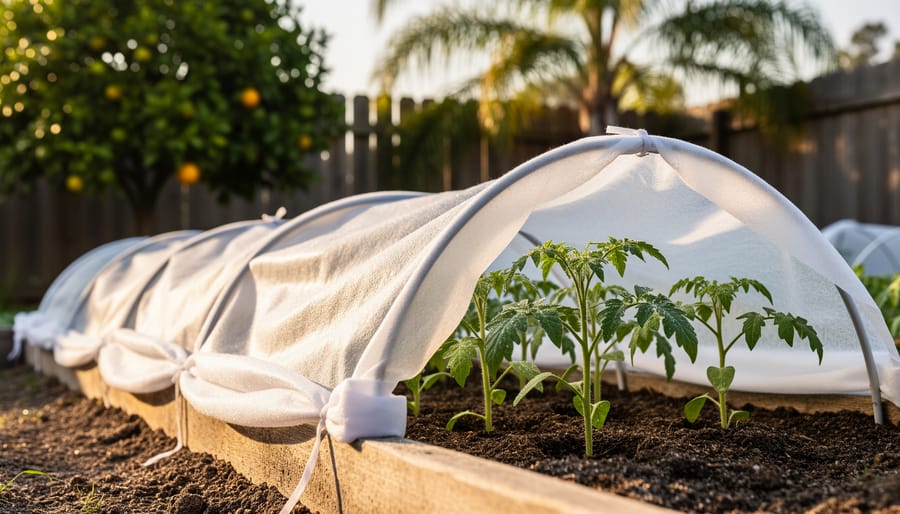
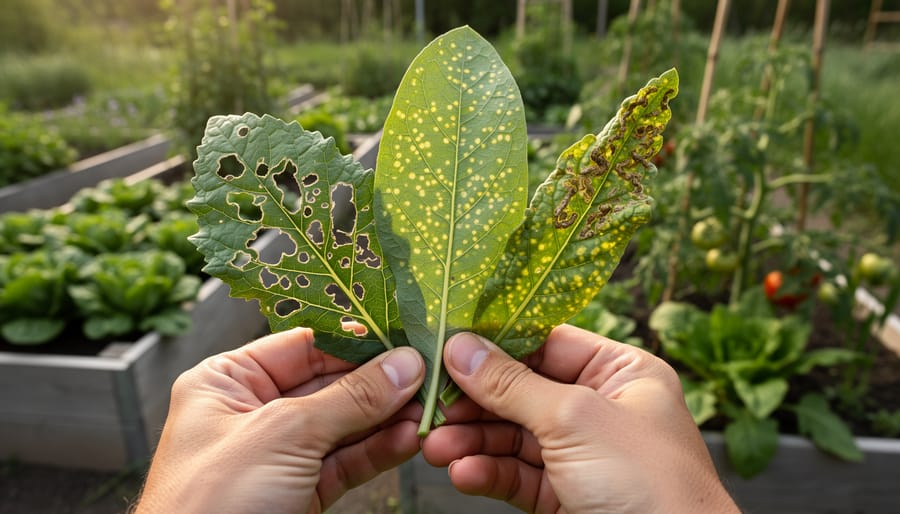
Cabbage worms and flea beetles also emerge in full force during April’s warming weather. Keep a close eye on your brassicas like cabbage, kale, and broccoli. Row covers work wonderfully as a physical barrier, and they’re simple to install. For flea beetles, those tiny jumping pests that leave leaves looking like they’ve been peppered with buckshot, consider companion planting with radishes as trap crops.
Disease prevention deserves attention too. Early blight and powdery mildew thrive in April’s fluctuating temperatures and humidity. Space plants properly for good air circulation and water at the base rather than overhead.
This is also your window to release beneficial insects like ladybugs and lacewings. They’ll establish themselves and begin controlling aphids and other soft-bodied pests naturally, creating a balanced garden ecosystem that works with you all season long.
May: Protecting New Growth
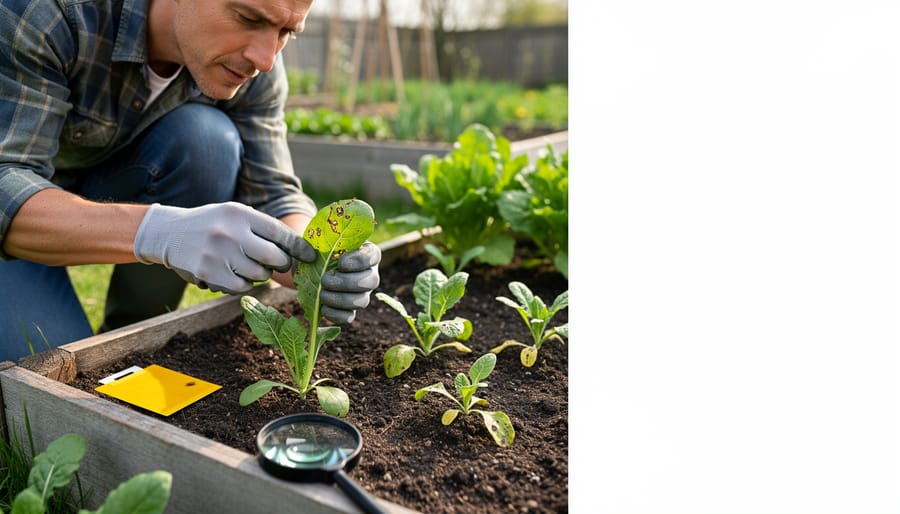
May brings warming temperatures and the arrival of some garden pests that can quickly damage your thriving plants. This is when vigilance really pays off! Start checking your garden every few days, as early detection makes all the difference.
Japanese beetles typically emerge in late May, feeding on roses, grapes, and many vegetable plants. Look for metallic green beetles with copper wings, and handpick them early in the morning when they’re sluggish. Drop them into soapy water for effective control without chemicals.
Keep a close eye on your squash and cucumber plants for signs of squash vine borers. If you notice wilting stems despite adequate watering, these sneaky pests might be tunneling inside. Wrapping the base of stems with aluminum foil can prevent adult moths from laying eggs there.
Tomato hornworms will soon appear, so inspect your tomato plants regularly for missing leaves or dark droppings. These large caterpillars blend in remarkably well, but they’re easy to remove by hand once you spot them.
Late blight conditions favor cool, wet weather, so monitor tomatoes and potatoes closely after rain. Remove any suspicious foliage immediately to prevent spread.
Companion planting is your friend this month! Plant basil near tomatoes, marigolds around vegetables, and nasturtiums as trap crops to lure aphids away from your prized plants. These partnerships create a more resilient, pest-resistant garden naturally.
Summer Pest and Disease Calendar (June – August)

June: The Invasion Begins
June brings the heat, and with it, your garden faces its biggest pest challenge yet. Japanese beetles, cucumber beetles, and squash vine borers arrive in full force this month, so it’s time to get serious about monitoring.
Set aside 15 minutes every Saturday morning for your pest patrol. Walk through your garden with a cup of soapy water, hand-picking Japanese beetles off roses, beans, and grape leaves. Check the base of your squash and cucumber plants for telltale sawdust-like frass, which signals vine borers have moved in. Early morning is the best time for this since beetles are sluggish and easier to catch.
I learned this lesson the hard way when I lost my entire zucchini crop in one week. Now I wrap the base of squash stems with aluminum foil to prevent borer entry, and it works beautifully.
June’s humidity also triggers fungal diseases like powdery mildew and early blight. Improve air circulation by spacing plants properly and removing lower leaves from tomatoes. Water at the soil level in early morning so foliage dries quickly.
For organic control, try neem oil or insecticidal soap for soft-bodied pests, but remember to reapply after rain. Bacillus thuringiensis works wonders on cabbage worms without harming beneficial insects. Stay vigilant now, and you’ll save yourself major headaches come harvest time.
July-August: Heat and Pressure
July and August bring the heat in Zone 7, and with it comes a new set of challenges that can test even experienced gardeners. During these sweltering months, your plants aren’t just dealing with high temperatures—they’re facing peak pest pressure and increased disease risk. The good news? Once you know what to watch for, you can keep your garden thriving through the dog days of summer.
Spider mites become particularly troublesome when temperatures climb above 80°F. These tiny pests thrive in hot, dry conditions and can quickly colonize the undersides of leaves. You’ll notice stippling or tiny yellow spots on leaf surfaces, and severe infestations create fine webbing between stems and leaves. Check tomatoes, beans, and squash regularly by turning leaves over and looking closely. A strong spray from the hose every few days can knock populations back before they explode.
Whiteflies also love the heat and congregate on the undersides of leaves, creating clouds of tiny white insects when disturbed. They’re particularly attracted to tomatoes, peppers, and cucurbits. These pests weaken plants by sucking sap and can transmit viral diseases, so early detection matters.
Water management becomes critical now, but there’s a fine line to walk. Plants need consistent moisture to handle heat stress, yet overwatering in humid conditions creates the perfect environment for fungal diseases like powdery mildew and late blight. Water deeply but less frequently, always aiming for the soil rather than foliage, and water in early morning so leaves can dry quickly.
Learning to distinguish heat stress from pest damage will save you worry and unnecessary treatments. Heat-stressed plants may wilt during the hottest part of the day but perk up by evening—this is normal. However, if leaves show unusual discoloration, spots, or sticky residue, you’re likely dealing with pests or disease. When plants remain wilted despite adequate water, check roots for rot or examine stems for boring insects.
Fall Pest and Disease Calendar (September – November)
September-October: The Second Wave
As the garden transitions into autumn, don’t let your guard down—September and October bring a fresh set of challenges that can catch even experienced gardeners off guard. The cooler nights and lingering warm days create perfect conditions for a second wave of pests and diseases.
Fall armyworms become particularly troublesome during this period, seeming to appear out of nowhere and devouring leafy greens, brassicas, and late-season crops with alarming speed. These caterpillars are especially attracted to newly planted fall vegetables. Check the undersides of leaves every few days, and if you spot them early, hand-picking or applying Bt (Bacillus thuringiensis) works wonderfully. I learned this the hard way when they demolished my fall lettuce one year—now I’m vigilant.
Stink bugs also reach peak populations in early fall, clustering on tomatoes, peppers, and beans still producing. These shield-shaped insects pierce fruit and leave behind corky spots and distorted growth. Morning inspections work best since they’re less active in cooler temperatures. Drop them into soapy water rather than squashing them—trust me on this one.
The combination of warm soil and cool, dewy nights creates ideal conditions for fungal diseases to resurge. Powdery mildew, downy mildew, and late blight can quickly spread through fall plantings. Space plants generously to improve air circulation, water at soil level in the morning, and remove any infected leaves immediately. Consider applying organic fungicides preventively if you’re growing susceptible crops like cucurbits or tomatoes that you’re pushing into fall.
November: Winter Preparation
November marks a crucial time for breaking pest cycles in your Zone 7 garden. As temperatures drop and frost becomes regular, it’s your opportunity to interrupt the overwintering plans of common pests and diseases.
Start by removing spent plant material, especially from vegetables and annuals. Many pests like squash vine borers, cucumber beetles, and fungal diseases hide in garden debris through winter. Don’t compost diseased plants—dispose of them completely to prevent reinfection next season.
Pay special attention to fallen fruit and leaves beneath fruit trees, as these harbor codling moth larvae, apple scab spores, and other troublemakers. Rake and remove them thoroughly.
I always recommend a gentle soil cultivation to expose overwintering pests to predators and freezing temperatures. Japanese beetles, for example, spend winter as grubs in the soil, while asparagus beetles tuck themselves into plant stems.
Clean and sterilize your tools, stakes, and trellises with a 10% bleach solution to eliminate lingering pathogens. This simple step prevents carrying diseases into next season.
Document problem areas in your garden journal while memories are fresh—you’ll thank yourself come spring planning time.
Winter Planning and Prevention (December – February)
Winter might seem like downtime in Zone 7, but these quieter months are perfect for setting yourself up for a healthy, pest-free growing season ahead. Think of it as your garden’s annual health checkup – a little prevention now saves you loads of headaches later!
Start with soil care when the ground isn’t frozen. Adding compost or aged manure during these months gives beneficial microorganisms time to work their magic before spring planting. I always say healthy soil equals resilient plants, and resilient plants naturally resist pests and diseases better. Consider taking a soil test too – your local extension office can help, and it’s the best way to understand exactly what your garden needs.
Tool sterilization is one of those unglamorous tasks that makes a huge difference. Grab a bucket of diluted bleach solution (one part bleach to nine parts water) and clean your pruners, shears, and other tools. This simple step prevents spreading diseases from last season into the new year. While you’re at it, sharpen those blades – clean cuts heal faster and invite fewer problems.
Don’t forget to scout for overwintering pests hiding in plant debris, under mulch, or in tree bark crevices. Remove any mummified fruit still clinging to branches, as these harbor diseases. Pull back mulch occasionally to check for pest eggs or larvae, but remember to replace it to protect plant roots from temperature swings. These winter walkthroughs become almost meditative, and you’ll spot potential issues before they become spring disasters.
Your Zone 7 Prevention Toolkit
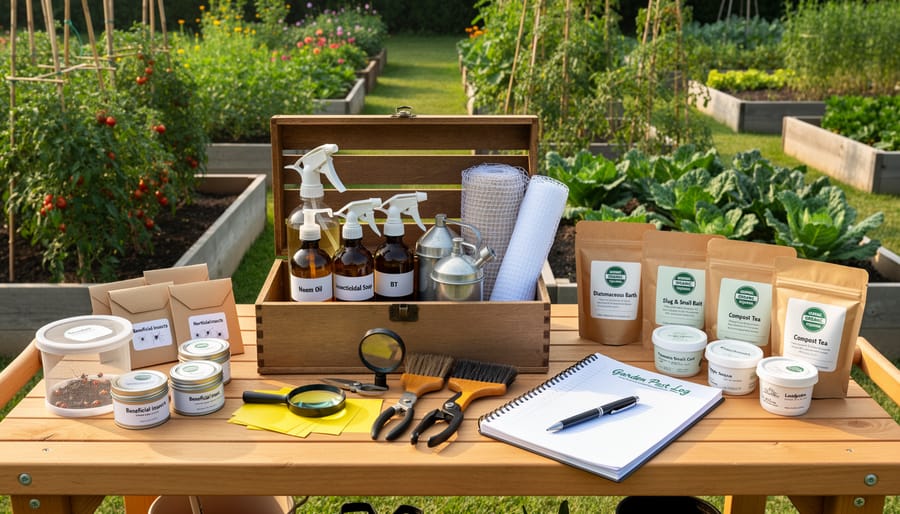
Organic Controls That Actually Work
I’ve learned through years of trial and error that timing makes all the difference with organic pest control. In Zone 7, early spring is when you’ll want to apply neem oil to fruit trees just as buds swell but before they open, preventing aphids and fungal issues before they start. My favorite interview with master gardener Ellen Thompson taught me to mark my calendar for mid-April, when I spray Bacillus thuringiensis (Bt) every two weeks through June to control cabbage worms on brassicas.
For fungal diseases like powdery mildew, which typically appears in our humid June weather, I mix a simple solution of one tablespoon baking soda per gallon of water and spray weekly on susceptible plants like squash and phlox. Come July, when Japanese beetles emerge, I hand-pick them early morning when they’re sluggish and drop them into soapy water. It sounds tedious, but spending just ten minutes daily saves your harvest.
Late summer brings tomato hornworms, so I check plants every three days starting in August. These bright green caterpillars are surprisingly easy to spot once you know what you’re looking for. Remember, successful organic control isn’t about perfection, it’s about catching problems early and staying consistent with your garden walks.
When to Call in Reinforcements
Sometimes, despite our best prevention efforts, garden problems escalate beyond what organic methods can handle. If you’re seeing widespread devastation—like entire rows of plants wilting overnight or pest populations exploding despite repeated treatments—it’s time to consider stronger interventions.
Before reaching for synthetic pesticides, I always encourage a conversation with your local extension office. These experts can identify your specific pest or disease and recommend targeted solutions. Master gardener Jane Thompson shared with me that many Zone 7 gardeners jump to chemical controls too quickly when a different approach might work better.
When you do need commercial products, look for ones labeled for your specific problem and approved for organic gardening if that’s important to you. Products containing Bacillus thuringiensis for caterpillars or neem oil concentrates for various pests offer middle-ground solutions between gentle remedies and harsh chemicals.
Always read labels completely and follow application timing carefully. Many products work best at specific growth stages or temperatures common in Zone 7’s climate. Apply treatments during calm evenings to protect beneficial insects, and never spray open blooms where pollinators are feeding.
Remember, even stronger interventions should be part of an integrated approach, not your only strategy.
Creating Your Personal Pest Calendar
Creating your own personalized pest calendar transforms this general Zone 7 guide into a powerful tool tailored specifically for your garden. Think of it as building a living document that grows smarter with you each season.
Start by downloading or printing a blank monthly calendar template. In each month’s section, note the general pest and disease threats we’ve outlined, but leave plenty of space for your own observations. This is where your garden becomes your teacher.
As you work through the growing season, jot down what you actually see and when. Did aphids arrive two weeks earlier than expected? Mark it down. Notice powdery mildew appearing in late July? Record the weather conditions that week. These patterns will reveal themselves over time, and you’ll start anticipating problems before they become serious.
Keep a simple notebook or use a garden app to track these key details: date of first sighting, weather conditions (temperature, rainfall, humidity), which specific plants were affected, and what treatment worked best. I’ve found that even photos with dates can be incredibly helpful for comparing year to year.
Pay special attention to customizing for your microclimate. Your south-facing slope might warm up faster than your neighbor’s shaded bed, shifting pest arrival by weeks. Low-lying areas often see more fungal issues due to poor air circulation and moisture accumulation.
Different crops also have unique vulnerabilities. If you grow lots of tomatoes, dedicate extra space in your calendar for tracking early and late blight conditions. Cucumber growers should focus on cucumber beetle patterns.
Review your calendar each winter and adjust next year’s prevention schedule based on what you learned. This continuous improvement approach means your pest management becomes more precise and effective with each passing season.
Here’s the truth that experienced gardeners have learned: preventing problems is so much easier than fighting them once they’ve taken hold. I’ve spent countless afternoons battling late-season infestations that I could’ve stopped with five minutes of attention in spring. Don’t make my mistakes!
The good news? You don’t need to memorize this entire calendar overnight. Start simple. Pick three or four key dates that matter most for your favorite plants. Maybe it’s mid-March for tomato planning, late May for squash vine borer prevention, and September for spring bulb planting. Master those first, then gradually add more to your routine.
What surprises most gardeners is how quickly this becomes second nature. After one season of checking your calendar and taking small preventive steps, you’ll start noticing the natural rhythms of your garden. You’ll spot aphids before they multiply, recognize fungal conditions before they spread, and time your plantings to sidestep problems entirely.
Remember, the whole point of gardening is enjoyment, not endless battles with pests and diseases. With your Zone 7 calendar as a guide, you’ll spend more time admiring your blooms and harvesting vegetables, and less time worrying about what might go wrong. That’s the garden life we all deserve.