Water your ZZ plant only when the top 2-3 inches of soil feels completely dry, typically every 2-3 weeks for indoor plants. These resilient houseplants store water in their thick rhizomes, making them remarkably drought-tolerant and far more vulnerable to overwatering than underwatering. During watering, thoroughly soak the soil until water drains from the bottom holes, then empty the drainage tray immediately to prevent root rot. In winter, reduce watering frequency by half, allowing the soil to dry out completely between waterings. ZZ plants thrive on neglect – their glossy leaves will tell you what they need, turning yellow when overwatered or slightly wrinkling when thirsty. Master these simple watering habits, and your ZZ plant will reward you with years of lush, trouble-free growth in almost any indoor environment.
Understanding Your ZZ Plant’s Water Needs
Signs of a Thirsty ZZ Plant
While ZZ plants are known for their resilience, they’ll still let you know when they’re thirsty. The most obvious sign is when the usually firm, upright stems start to droop or lean over. Take a close look at the leaves too – if they’re curling, wrinkling, or turning yellow, your plant is likely asking for a drink.
The soil’s appearance and feel are also reliable indicators. If the top 2-3 inches feel completely dry and the soil has pulled away from the sides of the pot, it’s time to water. You might also notice the plant’s growth has slowed down, or new shoots are smaller than usual.
A lesser-known sign is that the stems become less plump and more flexible when squeezed gently. However, don’t wait until your ZZ plant shows multiple distress signals – it’s better to check the soil regularly and water before severe symptoms appear.
Remember, a thirsty ZZ plant will bounce back quickly once watered properly, but consistent care is always better than waiting for these warning signs to appear.
Warning Signs of Overwatering
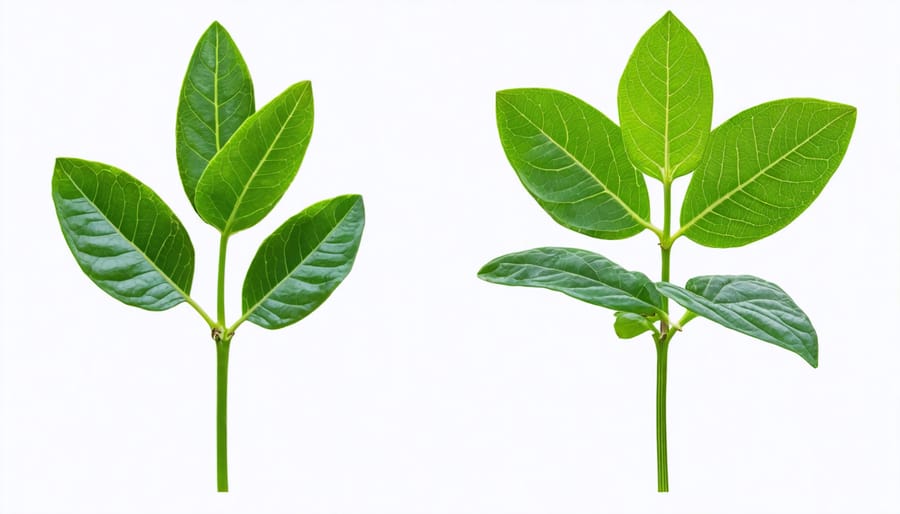
Your ZZ plant will give you clear signals when it’s receiving too much water. The most obvious sign is yellowing leaves, particularly if they feel soft and mushy to the touch. If you notice multiple leaves turning yellow at once, this is a strong indication of overwatering. Black spots on the stems or leaves are another red flag that shouldn’t be ignored.
Check the soil regularly – if it feels constantly wet or has a musty smell, you’re likely watering too frequently. The stems may become squishy and unstable, and in severe cases, they might fall over completely. Root rot is a serious consequence of overwatering, identifiable by brown, mushy roots instead of firm, white ones.
Watch out for mold growth on the soil surface and dropping leaves, especially if they’re yellow or black. These symptoms often appear together and require immediate attention to save your plant. Remember, it’s easier to revive an underwatered ZZ plant than to rescue one from root rot.
Perfect Watering Technique for ZZ Plants
The Right Amount of Water
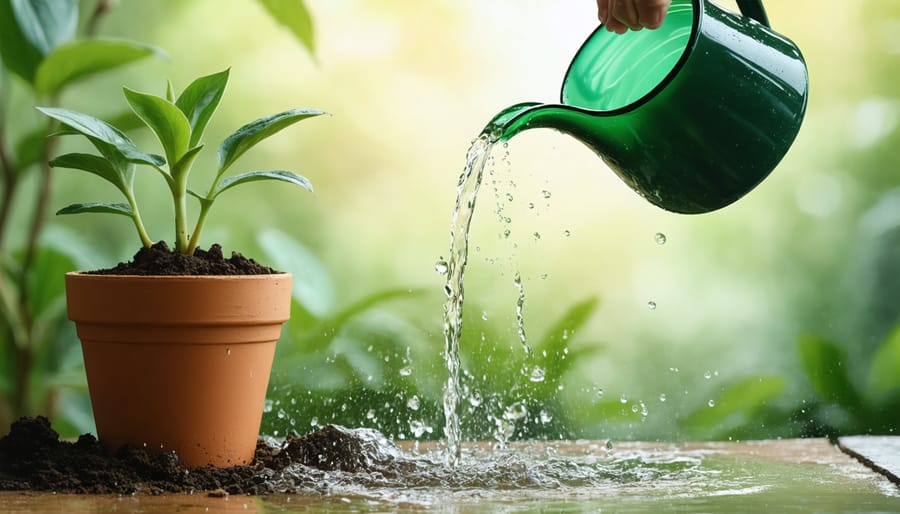
When it comes to watering your ZZ plant, less is definitely more. These resilient plants have evolved to store water in their thick rhizomes, making them incredibly drought-tolerant. Following proper container garden watering techniques will help your ZZ plant thrive.
A good rule of thumb is to water your ZZ plant only when the top 2-3 inches of soil feels completely dry. This usually means watering every 2-3 weeks in average indoor conditions, though this can vary based on factors like humidity, temperature, and season. During winter, you might only need to water once a month.
When you do water, make sure to thoroughly soak the soil until water runs through the drainage holes, then empty the saucer immediately. Never let your ZZ plant sit in standing water, as this can lead to root rot. If you’re unsure whether to water, it’s better to wait a few more days – these plants are much more forgiving of underwatering than overwatering.
For most indoor ZZ plants in 6-inch pots, about 1-1.5 cups of water per watering session is sufficient. Adjust this amount based on your pot size and environmental conditions.
Best Time to Water
The best time to water your ZZ plant is when the top 2-3 inches of soil feels completely dry to the touch. Unlike many houseplants that prefer a regular watering schedule, ZZ plants are quite flexible with timing. However, they typically need water every 2-4 weeks, depending on your home’s conditions.
During spring and summer, when your ZZ plant experiences more active growth, you might need to water slightly more frequently. Using proper deep watering methods during these seasons helps establish strong root systems. In fall and winter, reduce watering frequency as the plant enters its dormant phase.
Morning watering is ideal, giving your ZZ plant time to absorb moisture before evening temperatures drop. This timing helps prevent water from sitting in the soil overnight, which could lead to root issues. If you notice your plant’s leaves looking particularly glossy and firm, you can wait a few more days before watering, as these are signs of adequate hydration.
Remember that factors like humidity, temperature, and pot size will influence how often your ZZ plant needs water. It’s better to underwater than overwater these resilient plants, so when in doubt, wait an extra day or two.
Troubleshooting Common Watering Issues
Even the most attentive plant parents can run into watering issues with their ZZ plants. Let’s explore common problems and their solutions to keep your plant thriving. By following efficient watering practices, most issues can be prevented or easily resolved.
If you notice yellowing leaves, this usually indicates overwatering. The solution is simple: reduce watering frequency and ensure the soil dries out completely between waterings. Remove any yellowed leaves and check that your pot has adequate drainage holes.
Brown, crispy leaf tips often signal underwatering. While ZZ plants are drought-tolerant, they still need consistent moisture. If you spot this issue, gradually increase watering frequency, but avoid overcorrecting by drowning the plant.
Stem rot is a serious problem that develops when roots sit in waterlogged soil. If you notice soft, mushy stems near the base, immediately remove the plant from its pot, trim away affected areas with clean scissors, and repot in fresh, well-draining soil.
Root rot presents similar symptoms to stem rot but occurs below the soil. If your plant seems unstable or you detect a musty smell, gently remove it from the pot, trim away black or mushy roots, and repot in fresh soil after allowing the roots to air dry for a few hours.
Sometimes, water might pool on the soil surface without absorbing. This usually means the soil has become hydrophobic. Fix this by aerating the soil with a chopstick and bottom watering your plant for better moisture distribution.
Remember, it’s always better to underwater than overwater a ZZ plant. When in doubt, wait an extra day or two before watering again.
Mastering the art of watering your ZZ plant doesn’t have to be complicated. Remember that these resilient plants prefer to dry out between waterings, and it’s always better to underwater than overwater. Pay attention to your plant’s signals – yellowing leaves often indicate overwatering, while crispy, brown edges might mean it’s time for a drink. Check the soil moisture with your finger before watering, and adjust your schedule based on seasonal changes and your home’s environment. With these guidelines in mind, you’ll develop a natural rhythm that keeps your ZZ plant healthy and thriving. Just remember: when in doubt, wait a few more days before watering. Your ZZ plant will reward your mindful care with its glossy leaves and steadfast growth for years to come.