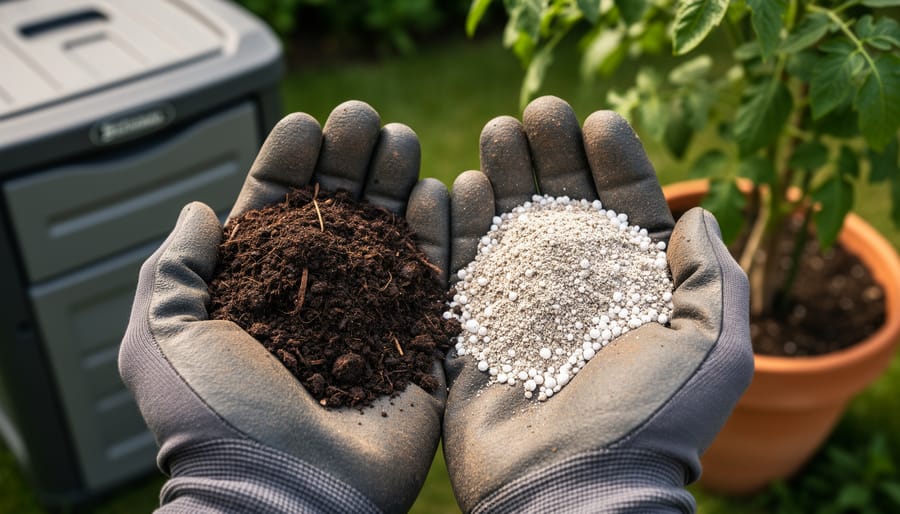
That bottle of weed killer tucked behind your lawn mower? It’s sitting at temperatures that could compromise its effectiveness—or worse, cause the container to expand and leak. Even careful gardeners often overlook how everyday storage mistakes create genuine risks, from chemical reactions between incompatible products to deteriorating containers that fail without warning.
You probably already have fertilizers, pesticides, herbicides, and fungicides somewhere in your garage or shed. These garden essentials help us maintain beautiful outdoor spaces, but they demand respect and proper handling. A fertilizer spill can corrode concrete floors within hours. Pesticides stored near heat sources can release harmful vapors. Garden chemicals left within reach of children or pets can lead to emergencies that change lives in seconds.
The good news? Safe chemical storage doesn’t require expensive cabinets or complicated systems. Most hazards arise from simple oversights—storing liquids above powders, keeping products in direct sunlight, or transferring chemicals to unmarked containers. Understanding what can go wrong helps you prevent problems before they start.
This guide walks you through the specific hazards lurking in typical home storage setups and shows you exactly how to fix them. We’ll cover everything from identifying incompatible chemicals to organizing your storage space for maximum safety. Whether you’re worried about your current system or starting fresh, you’ll find straightforward solutions that protect your family, pets, and property while keeping your garden products effective and ready to use.
Why Chemical Storage Hazards Are More Common Than You Think
If you’re like most home gardeners, you probably have a collection of fertilizers, pesticides, herbicides, and fungicides tucked away somewhere in your garage or garden shed. Maybe they’re lined up on a shelf, stored under the workbench, or stashed in that corner where you keep all your gardening supplies. Here’s the surprising truth: those bottles and bags represent some of the most significant garden safety risks on your property, and most of us don’t even realize it.
The reality is that chemical storage hazards are incredibly common in home gardens, far more so than in professional agricultural settings. Why? Professional growers follow strict regulations and often have dedicated storage facilities designed specifically for hazardous materials. Home gardeners, on the other hand, are working with the same powerful chemicals but storing them in environments that simply weren’t designed for this purpose.
Your garage experiences extreme temperature swings that can degrade chemical containers. That garden shed might seem convenient, but summer heat can cause pressure buildup in sealed containers or even trigger chemical reactions. And those damp corners where we often stash our supplies? Moisture can corrode metal containers and compromise labels, making it impossible to identify products or read safety instructions.
During a recent conversation with a master gardener who’s been in the field for thirty years, she admitted that even experienced gardeners often overlook proper storage protocols. We tend to focus so much on using these products correctly in our gardens that we forget the risks begin the moment we bring them home.
The chemicals themselves are more hazardous than many gardeners realize. Common lawn fertilizers can be oxidizers that intensify fires. Many pesticides are flammable or toxic when their fumes accumulate. Even seemingly harmless products can create dangerous reactions when stored together improperly. Understanding these risks is the first step toward creating a safer garden environment for you and your family.
The Four Major Hazards Lurking in Your Garden Shed
Temperature Extremes and Chemical Breakdown
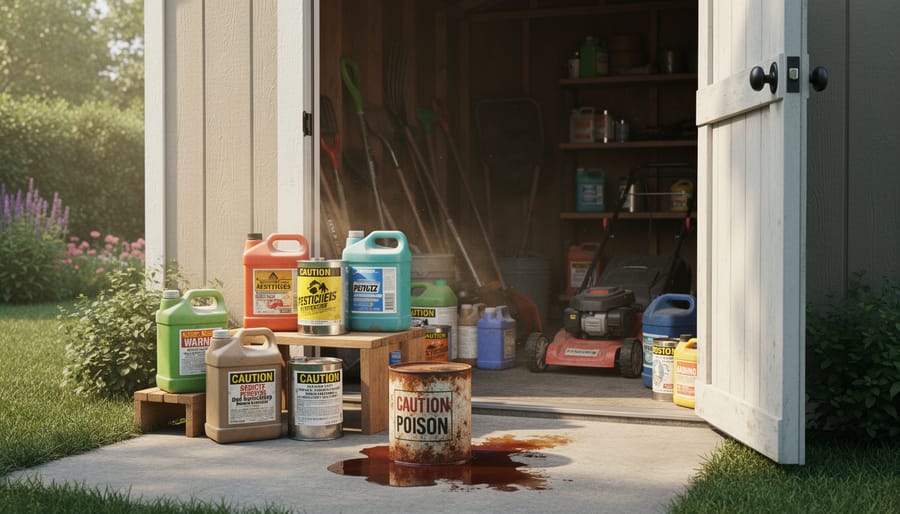
I learned this lesson the hard way when I stored my weed killer in an uninsulated garden shed one sweltering summer. When I opened the container months later, the liquid had separated into layers and smelled completely off. It turned out that extreme temperatures had broken down the active ingredients, making it useless and potentially hazardous.
Most garden chemicals are designed to remain stable within a surprisingly narrow temperature range, typically between 40°F and 85°F. When temperatures climb above 95°F, many liquid fertilizers and pesticides begin to degrade. Their chemical bonds break down, which can create harmful fumes or alter their effectiveness. I spoke with master gardener Patricia Hendricks, who shared that she once witnessed a herbicide container actually bulge from internal pressure buildup after sitting in a hot shed all summer.
Cold weather presents different challenges. Temperatures below 32°F can cause liquids to separate or crystallize, making them impossible to remix properly. Some products become completely inert, while others may concentrate in dangerous ways. These temperature swings also relate to broader safety concerns, including greenhouse fire prevention, since degraded chemicals can become flammable.
The solution? Store your garden chemicals in a climate-controlled space like a basement or utility room, always keeping them in their original labeled containers where temperature guidelines are clearly marked.
Dangerous Chemical Reactions When Products Mix
I learned this lesson the hard way when I stored my liquid fertilizer next to a bottle of pesticide in my garden shed. The caps weren’t quite tight enough, and when vapors mixed, I noticed a strange smell and some discoloration. Thankfully, nothing caught fire, but it was a wake-up call about chemical compatibility.
Here’s what you need to know: never store acids (like certain fertilizers) near bases (such as lime products). When these mix, they can generate heat and release toxic gases. Similarly, keep chlorine-based products away from anything acidic, as this combination can produce dangerous chlorine gas.
Oxidizers, which include many weed killers and fertilizers containing nitrates, should never touch flammable materials like gasoline, kerosene, or oil-based pesticides. This combination can ignite spontaneously or explode.
Watch for warning signs of dangerous reactions: unusual odors, heat coming from containers, fizzing or bubbling sounds, discoloration of products or containers, and corrosion on metal shelves or caps. If you notice any of these, ventilate the area immediately, remove yourself from the space, and call your local fire department’s non-emergency line for guidance.
The simple rule I follow now: store products in their original containers with tight lids, and keep at least two feet of separation between different chemical types. It’s saved me countless worries.
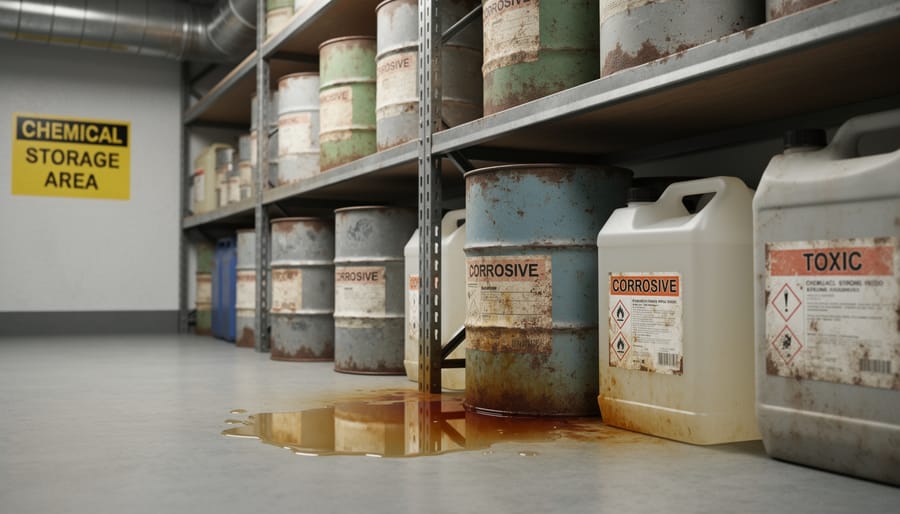
Container Failures and Leaks You Might Not Notice
Here’s something I learned the hard way last spring: I grabbed what I thought was an unopened bottle of fertilizer from my shed, only to find the bottom of the cardboard box completely soggy. A tiny crack near the base had been slowly leaking for weeks, and I’d never noticed until the damage was done.
Containers degrade more quickly than most of us realize, especially in garden sheds where temperature swings and humidity work against us. Plastic bottles become brittle after a year or two of exposure to heat and cold. Metal containers can rust from the inside out. Even those sturdy jugs can develop hairline cracks that seep product so slowly you won’t spot it during a quick glance.
The temptation to transfer chemicals into unmarked containers is real – maybe that spray bottle is more convenient, or you want to consolidate half-empty packages. Please resist this urge. Unmarked containers are accidents waiting to happen, and you’ll forget what’s inside faster than you think.
Watch for warning signs during your regular storage checks: sticky residue around caps, discoloration on container bottoms, crusty buildup, or any unusual odors when you enter your storage area. If a container feels lighter than expected or the label looks suspiciously clean compared to dusty neighbors, investigate closer. These small clues can prevent bigger problems down the road.
Accidental Access by Children and Pets
I’ll never forget the day I found my neighbor’s toddler playing with a brightly colored fertilizer bottle she’d grabbed from their garage. Thankfully, she hadn’t opened it yet, but it was a terrifying reminder that what seems secure to us can be an irresistible adventure for little ones.
The statistics are sobering. According to poison control centers, thousands of children under six are exposed to pesticides and garden chemicals annually in the United States alone. Many of these incidents happen because a child accessed a storage area adults thought was safe. Pets face similar risks – dogs and cats are naturally curious and can knock over containers or lick spilled residue.
Here’s what makes this hazard particularly tricky: children are drawn to bright packaging, interesting smells, and anything that looks like juice or candy. A quick trip to grab your pruning shears can become a dangerous window of opportunity if you leave that shed door ajar.
The solution goes beyond a simple latch. Store chemicals in locked cabinets, not just on high shelves where determined climbers might reach. Always keep products in their original containers with labels intact. Never transfer chemicals to old drink bottles. Consider installing childproof locks on storage areas, and make it a habit to do a quick sweep before leaving any garden storage space. Remember, even “natural” or organic products can be harmful if ingested, so treat all garden chemicals with the same caution.
Setting Up a Safe Chemical Storage System
Choosing the Right Storage Location
Finding the perfect spot for your garden chemicals doesn’t require a fancy shed, though it certainly helps! The ideal location is cool, dry, and away from direct sunlight, which can degrade chemicals and increase pressure in containers. Temperature stability matters more than you might think—extreme fluctuations can cause containers to crack or leak.
Good airflow is essential, so look for spaces with ventilation requirements that prevent fumes from building up. A garage corner with louvered vents works well, or consider a utility closet with a gap under the door. Just keep chemicals away from water heaters, furnaces, or any heat sources.
Don’t have an ideal space? You’re not alone! Many gardeners successfully use weatherproof outdoor storage cabinets, elevated to prevent ground moisture. Place them in shaded areas and secure them with a lock. Even a dedicated section of your basement can work if it stays dry and you follow proper storage practices.
Remember to keep chemicals away from living spaces, pet areas, and especially out of reach of children. A little planning now prevents bigger headaches later.
Essential Storage Equipment and Supplies
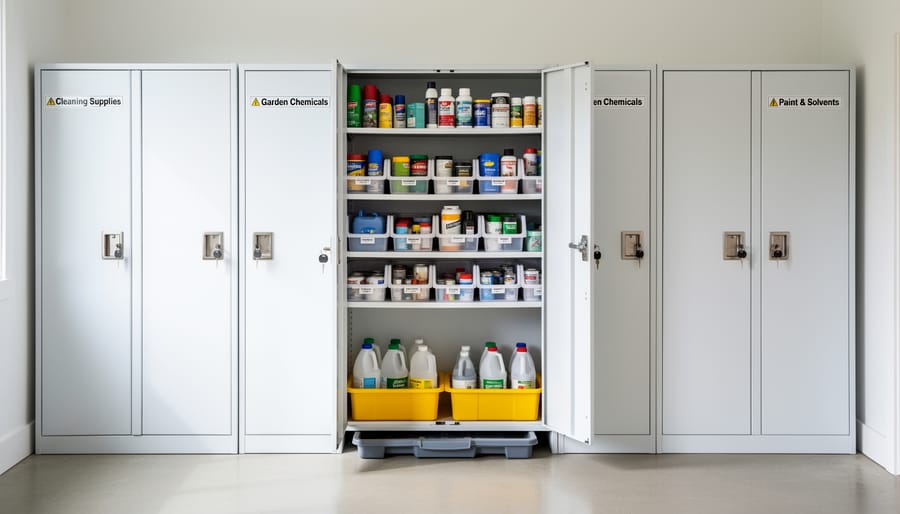
Investing in proper storage equipment doesn’t have to break the bank, and the peace of mind is worth every penny. Let’s start with the cornerstone of safe chemical storage: lockable metal cabinets. These dedicated units keep curious kids, pets, and even wildlife away from potentially dangerous substances. If a commercial chemical cabinet isn’t in your budget right now, consider a sturdy metal tool cabinet with a padlock—just ensure it’s rust-resistant and well-ventilated.
Spill containment trays are absolute lifesavers. Place these under your stored chemicals to catch any leaks before they spread. You can find affordable plastic trays at hardware stores, or get creative with shallow storage bins lined with absorbent materials.
For shelving, skip the particle board and opt for metal or heavy-duty plastic that won’t deteriorate if exposed to spills. Adjust shelves so taller bottles sit at eye level where you can easily read labels, reducing the chance of grabbing the wrong product.
Don’t forget the small essentials: clear plastic bins for grouping similar products, permanent markers for labeling, and absorbent materials like kitty litter for emergency cleanups. A veteran gardener I spoke with swears by keeping a dedicated spill kit right beside her storage cabinet—simple preparation that could prevent a serious incident.
The Organization Method That Prevents Accidents
Creating an organizing system for your garden chemicals doesn’t need to be complicated, and trust me, it’s one of those tasks that pays dividends the moment you need something quickly. I learned this the hard way after spending twenty minutes searching for fungicide while my roses desperately needed treatment.
Start by grouping chemicals by type: fertilizers together, pesticides together, herbicides in their own space, and fungicides separate. This simple step prevents dangerous chemical reactions and makes everything easier to find. Within each group, arrange products by frequency of use, keeping your go-to items at eye level.
Next, create a compatibility chart. This sounds fancy, but it’s really just a simple grid showing which chemicals should never be stored near each other. For example, keep acids away from bases, and never store chlorine-based products near ammonia-containing ones. Post this chart right on your storage area door as a quick reference.
Invest in a labeling system that works for you. If original containers are damaged, transfer products to new containers and label them immediately with the product name, active ingredients, and purchase date. I use a label maker, but waterproof markers work perfectly fine. Include expiration dates prominently since using expired chemicals wastes money and can harm your plants.
Keep a simple inventory list on your smartphone or clipboard near your storage area. Note what you have, quantities, and expiration dates. Update it when you buy new products or use something up. This prevents overbuying and helps you notice when something’s been sitting unused for too long.
Finally, create a one-page reference guide listing emergency contacts, including poison control and your local hazardous waste disposal facility. Keep copies both in your storage area and inside your home.
Daily Habits That Keep Your Storage Safe
Creating simple daily and weekly habits around your garden chemical storage can be the difference between a safe space and a potential disaster. I learned this the hard way when I discovered a leaking bottle of concentrated fertilizer had been slowly dripping onto my garage floor for weeks. Now, I swear by these easy routines.
Start each month with a quick five-minute inspection. Walk through your storage area with a flashlight and check each container for cracks, bulges, or signs of corrosion. Look at the caps too, as they often weaken first. While you’re at it, wipe down any spills immediately and make sure labels are still readable. If a label’s faded, rewrite it right away with a permanent marker.
When you’re grabbing products for garden use, always pull containers from the shelf carefully rather than yanking them. This prevents drops and helps you notice if something feels different in weight or if a container has become compromised. I keep a dedicated tray near my storage area where I place chemicals before carrying them outside, which prevents me from juggling multiple bottles.
Set seasonal reminders on your phone to review expiration dates. Many gardeners I’ve spoken with, including master gardener Joan Peterson, recommend a spring and fall cleanout. Expired products lose effectiveness and can become chemically unstable, so they’re worth disposing of properly. Contact your local hazardous waste facility for disposal guidelines, as these products should never go in regular trash or down drains.
Finally, keep a small notebook in your storage area to log what you use and when. This helps you track inventory and notice patterns, like products that sit unused for years. If you haven’t touched something in two growing seasons, it’s probably time to let it go.
What to Do When Things Go Wrong
Even the most careful gardeners can face spills or accidents, so knowing how to respond calmly makes all the difference. First, keep these numbers posted in your storage area: Poison Control (1-800-222-1222), your local emergency number, and your family doctor. Consider them part of your emergency preparedness toolkit.
If you spill a chemical, don’t panic. Open windows for ventilation, keep people and pets away, and avoid touching it. For small spills, use cat litter or sand to absorb liquid chemicals, then sweep into a disposable container. Never hose chemicals down drains or into your garden. Larger spills may require professional cleanup.
For skin contact, immediately remove contaminated clothing and rinse the area with cool water for at least 15 minutes. If chemicals splash in your eyes, flush continuously with water while someone calls for help. Don’t rub your eyes or try to neutralize the chemical yourself.
If someone ingests a garden chemical, call Poison Control right away. Have the product label handy to provide exact information. Don’t induce vomiting unless specifically instructed.
Keep a basic spill kit near your storage area with absorbent material, disposable gloves, goggles, and plastic bags for contaminated materials. I learned this from master gardener Helen Rodriguez, who says being prepared removes fear and helps you act quickly when needed.
Here’s the truth: keeping your garden chemicals safe doesn’t require a hefty budget or complicated systems. It really comes down to awareness and a handful of straightforward practices. Think about it—you’ve already invested time, money, and care into creating a beautiful garden space. Taking a little extra care with how you store your supplies simply protects that investment and the people who matter most.
This weekend, I encourage you to take fifteen minutes to walk through your current storage setup. Maybe you’ll realize that old herbicide needs a proper label, or perhaps those spray bottles could use a dedicated shelf away from the kids’ reach. Pick just one thing to improve. Move those chemicals to a cooler spot, add a latch to that cabinet door, or finally consolidate those half-empty containers properly.
You’re already doing the hard work of nurturing your garden through every season. These small storage adjustments are easy wins that create lasting peace of mind. Your family stays safe, your garden thrives, and you can focus on what you love most—watching things grow. You’ve got this!