
Mark your calendar for late February through early March—that’s when Zone 9b sees its last frost, typically between February 15 and March 15. Your first frost won’t arrive until late November through mid-December, giving you a remarkable 9-10 month growing season that most gardeners can only dream about.
Unlike colder zones where gardeners anxiously count down to spring planting, you’re playing a different game entirely. Your challenge isn’t waiting for the ground to thaw—it’s managing heat, maximizing your mild winters, and protecting tender plants during those rare cold snaps that catch everyone off guard.
Here’s the reality: frost in Zone 9b is the exception, not the rule. Many years, you might not see frost at all. But that one surprise freeze in late February? It can devastate tomatoes, peppers, and other tender seedlings if you’ve jumped the gun. The sweet spot is understanding that while your growing season is incredibly generous, respecting those frost date windows means the difference between harvesting year-round success and replanting in disappointment.
Whether you’re a newcomer to Zone 9b wondering when to start your spring garden, or a seasoned gardener optimizing your year-round planting schedule, knowing these dates helps you plan strategically, protect your investment, and truly capitalize on your exceptional climate.
What Makes Zone 9b Special for Gardeners
If you’re gardening in Zone 9b, you’ve hit the jackpot when it comes to growing conditions! This zone is like having a VIP pass to one of the longest growing seasons in the United States, and it’s a dream come true for anyone who loves spending time in the garden year-round.
Zone 9b is defined by its minimum winter temperatures, which typically range between 25 and 30 degrees Fahrenheit. You’ll find this fortunate zone stretching across some of the country’s most sun-soaked regions, including southern California, central Florida, southern Texas, and along the beautiful Gulf Coast. If you call one of these areas home, you already know that winter feels quite different here than in most of the country.
The real magic of Zone 9b lies in its incredibly mild winters. While gardeners up north are bundling up and dreaming of spring, you can often keep planting and harvesting throughout the cooler months. Frost is rare here, and when it does occur, it’s usually brief and light. This means your growing season doesn’t just start early and end late—it practically never stops! Many vegetables that would be strictly summer crops elsewhere can be grown during your fall and winter months when temperatures are more moderate.
Of course, Zone 9b isn’t without its challenges. Those hot, humid summers can be intense, with temperatures regularly soaring into the 90s and beyond. But here’s the exciting part: with proper planning and the right plant selection, you can work with these conditions rather than against them. Cool-season crops thrive during your mild winters, while heat-loving plants absolutely flourish in summer. It’s all about understanding the rhythm of your unique climate and timing your plantings accordingly.
Understanding Your Frost Dates in Zone 9b
Last Frost Date: When Spring Really Begins
If you’re gardening in Zone 9b, you’re in for a treat because spring arrives earlier here than almost anywhere else in the country. For most Zone 9b gardeners, the last frost date typically falls between mid-February and early March. However, some fortunate areas within this zone may experience no frost at all during an entire winter season.
Here’s where it gets interesting: Zone 9b is quite diverse, and not every garden within this zone experiences frost on the same schedule. Coastal regions, for example, often enjoy frost-free winters thanks to the moderating influence of nearby ocean waters. Meanwhile, inland areas might see occasional cold snaps that bring light frost, especially during clear, calm nights when temperatures can dip unexpectedly.
Understanding how microclimates affect frost dates in your specific location is essential for successful gardening. Your backyard might have its own unique patterns based on factors like elevation, nearby buildings, tree cover, or even which direction your garden faces. I’ve spoken with gardeners whose properties have both frost-prone low spots and protected areas that never freeze, all within the same half-acre.
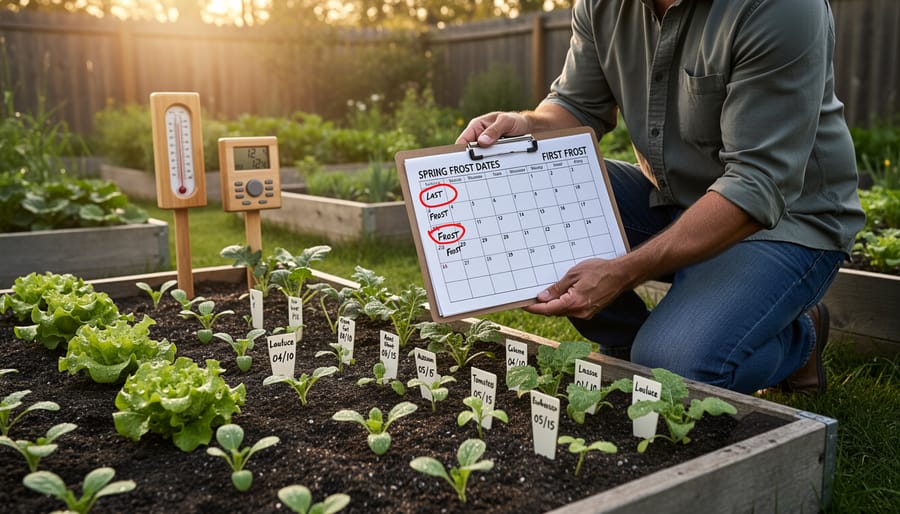
The best approach? Keep a simple garden journal noting when you observe frost in your specific spot over a couple of years. This personal data will be more valuable than any general chart when planning your spring planting schedule.
First Frost Date: Planning Your Fall Garden
If you’re gardening in Zone 9b, you’ve hit the jackpot when it comes to fall gardening! Your first frost typically arrives late in the game, usually between late November and mid-December. In some coastal and southern parts of Zone 9b, you might not see frost at all during an average winter. This gives you a tremendous advantage over gardeners in northern zones who are already winterizing their gardens by October.
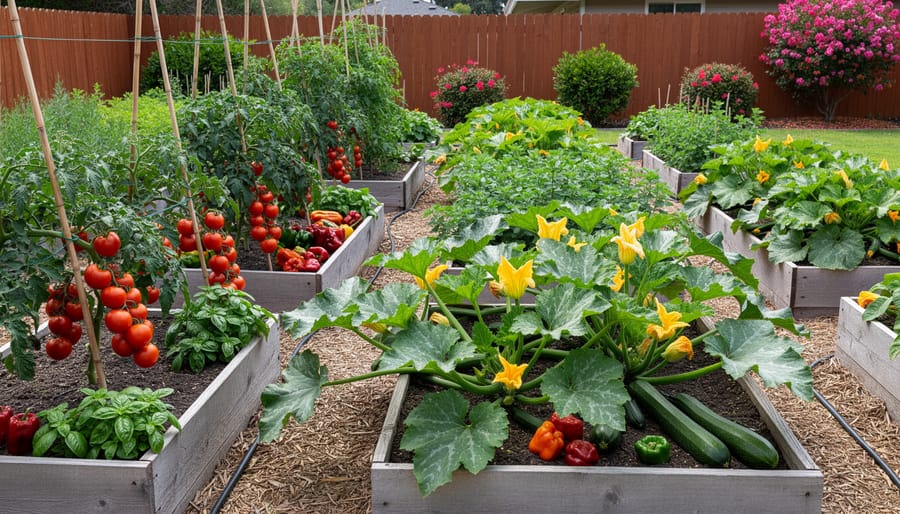
This extended frost-free period means you can continue harvesting warm-season crops like tomatoes, peppers, and squash well into autumn while simultaneously planting cool-season vegetables for winter production. While your friends up north are putting their gardens to bed, you’re just hitting your stride with a second growing season.
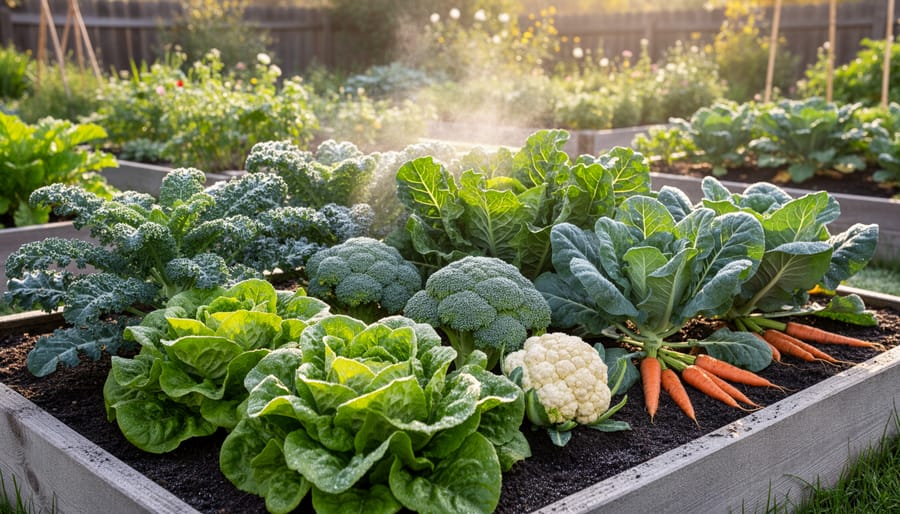
The key to maximizing this gift of time is understanding that fall in Zone 9b isn’t about winding down, it’s about gearing up. You can plant lettuce, kale, broccoli, and carrots throughout October and November, knowing they’ll mature beautifully in your mild winter temperatures. Many gardeners find their fall gardens actually outperform their spring plantings because pests are less active and the weather is more cooperative.
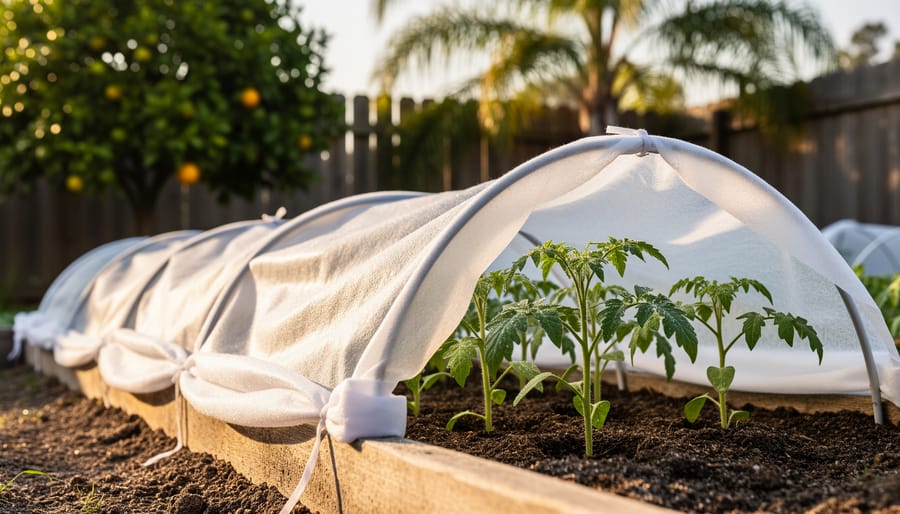
That said, don’t let your guard down completely. Those rare frost events can still catch you by surprise. Keep frost cloth handy and monitor weather forecasts during cold snaps. When temperatures are predicted to dip into the low 30s, covering tender plants overnight can save your harvest and keep your productive season rolling right through the holidays.
How to Find Your Exact Frost Dates
While Zone 9b provides a general framework for understanding your climate, microclimates within your specific location can create surprising variations in frost patterns. Your neighbor two miles away might experience frost while you don’t, or vice versa. That’s why pinpointing your exact frost dates requires a bit of detective work, and it’s absolutely worth the effort.
Your best starting point is your local Cooperative Extension office. These amazing resources are connected to land-grant universities and staffed by experts who understand your region’s unique conditions. They often maintain detailed frost date records and can provide information specific to your county or even neighborhood. A quick online search for “Cooperative Extension” plus your county name will connect you with these knowledgeable folks who genuinely want to help you succeed.
Another invaluable resource is finding your exact location through online gardening tools that use your zip code to provide customized frost dates. These platforms combine historical weather data with your precise coordinates to offer more accurate predictions than zone information alone.
Don’t overlook the wisdom of experienced gardeners in your community. Local gardening clubs, farmers markets, and even neighborhood social media groups are goldmines of practical knowledge. Long-time gardeners have observed patterns over years and can tell you about frost pockets, protected spots, and those quirky microclimates that official data might miss.
Here’s my encouragement: start keeping your own frost journal this season. Note when you observe frost, where it appears first in your yard, and which areas stay warmer. Over just a few years, you’ll develop an intimate understanding of your garden’s unique personality that no generalized chart can match.
Your Zone 9b Planting Calendar by Season
Late Winter to Early Spring (January-March)
By late winter in Zone 9b, the gardening season is already shifting into high gear! While gardeners in cooler zones are still dreaming of spring, you’re preparing beds for warm-season crops. In most Zone 9b areas, the last frost typically occurs between mid-January and early February, though some coastal and southern locations may not see frost at all.
Once you’re past your area’s last frost date, it’s time to get those heat-loving plants in the ground. Tomatoes absolutely thrive when planted during this window—they’ll have months to establish strong root systems before summer’s peak heat arrives. Peppers, both sweet and hot varieties, also do wonderfully when started now. I always tell fellow gardeners that getting peppers in early gives you a longer harvest period, sometimes extending well into fall.
Summer squash, zucchini, and cucumbers are perfect choices for late winter planting too. These vigorous growers will reward your early efforts with abundant harvests. Don’t forget warm-season flowers like zinnias, marigolds, and sunflowers—they’ll add gorgeous color while attracting beneficial pollinators to your vegetable garden.
Here’s the exciting part: many Zone 9b gardeners can actually start even earlier, especially in frost-free microclimates or with simple frost protection like row covers. Pay attention to your specific location’s patterns, and you might discover you can push that planting window back a few weeks!
Spring to Early Summer (April-June)
Once spring arrives in Zone 9b, you can embrace the heat and plant those sun-loving crops that would struggle in cooler regions. This is when your garden really comes alive with subtropical flair!
By mid-April, soil temperatures are warm enough for heat-loving stars like watermelons, cantaloupes, and honeydew. These thirsty vines need consistent moisture, so consider adding a thick layer of mulch to keep roots cool and retain water. I learned this lesson the hard way when my first cantaloupe crop withered during an unexpected heat wave—mulch makes all the difference!
May through June is perfect for okra, which absolutely thrives in heat that would stress other vegetables. Southern peas, including black-eyed peas and crowder peas, also excel now. Sweet potato slips go into the ground in May, giving them plenty of time to develop before fall. Don’t overlook tropical flowers like hibiscus, plumeria, and bougainvillea—they’ll reward you with stunning blooms throughout summer.
Managing heat stress becomes crucial as temperatures climb. Water deeply in early morning to minimize evaporation. Provide afternoon shade cloth for sensitive transplants, and watch for wilting leaves—your plants’ way of saying they need help. Consider installing drip irrigation to deliver consistent moisture exactly where it’s needed. Row covers can protect young seedlings from intense sun while they establish themselves. With proper care, your Zone 9b garden will flourish through the heat.
Summer (July-August)
Summer in Zone 9b tests even experienced gardeners, but knowing what thrives now makes all the difference. While tomatoes and peppers struggle in temperatures exceeding 90°F, this is prime time for heat-lovers like okra, eggplant, Armenian cucumber, and southern peas. Sweet potato vines flourish, and herbs like basil go absolutely wild.
Here’s my favorite summer strategy: embrace the heat rather than fight it. Water deeply in early morning, apply thick mulch to keep roots cool, and provide afternoon shade cloth for struggling plants. I’ve learned that a 30% shade cloth can drop temperatures by 10-15 degrees, giving tender crops a fighting chance.
Mid-July is when smart Zone 9b gardeners start thinking fall. Yes, it seems early when you’re sweating in the garden, but starting seeds indoors now means vigorous transplants ready for September planting. Begin broccoli, cauliflower, and Brussels sprouts in air-conditioned comfort around July 15th. Cabbage and kale can follow in early August.
I interviewed master gardener Rosa Martinez, who shared her secret: she keeps a dedicated seedling shelf in her guest bathroom where consistent temperatures and humidity create perfect germination conditions. Her fall gardens are legendary in our community, proving that summer planning pays off beautifully when cooler weather arrives.
Fall to Winter (September-December)
Here’s where the magic really happens in Zone 9b! As temperatures finally cool down from the summer heat, September through December becomes your absolute prime gardening season. While gardeners in colder zones are winding down, you’re just getting started with what many consider the most productive and enjoyable time of year.
September marks the transition period. You can start planting cool-season crops like lettuce, spinach, and arugula, which will thrive in the gradually cooling temperatures. By October, when the risk of intense heat has passed, you can go all-in with brassicas like broccoli, cauliflower, and cabbage. These vegetables actually prefer the mild winters you’ll experience and will produce abundantly through the cooler months.
Root vegetables are another fall favorite. Carrots, beets, radishes, and turnips love this season and will develop sweet, tender flavors in the cooler weather. I’ve found that carrots planted in October taste noticeably sweeter than spring-planted ones.
Don’t forget about flowers! Pansies, snapdragons, and sweet peas will provide gorgeous winter color when other zones are covered in snow. Plant them in November for blooms that last well into spring.
The beauty of this season in Zone 9b is that frost remains unlikely, so you can plant with confidence. Just keep an eye on weather forecasts during December cold snaps and have row covers ready as a precaution.
Working Around the Rare Frost in Zone 9b
Living in Zone 9b is a gardener’s dream most of the year, but those rare frosty nights can catch you off guard. The good news? With a few simple strategies, you can keep your tender plants safe and thriving even when temperatures unexpectedly dip.
First, let’s talk about frost cloth, your best friend during cold snaps. This lightweight fabric acts like a cozy blanket for your plants, trapping heat radiating from the soil while allowing light and water to pass through. I keep several pieces in my garden shed year-round because you never know when you’ll need them. Drape the cloth over plants in the late afternoon before frost is predicted, making sure it extends to the ground to trap warmth effectively. Remove it the next morning once temperatures rise above freezing.
Mulching is another game-changer. A three to four-inch layer of organic mulch around plant bases insulates roots and helps soil retain heat. Think of it as adding insulation to your home before winter. Wood chips, straw, or shredded leaves all work beautifully.
Consider container gardening for your most frost-sensitive beauties like citrus, tropical flowers, and tender herbs. Pots give you the flexibility to quickly move plants to protected areas like a garage, porch, or against a south-facing wall when frost threatens.
Learning which plants can handle a light frost versus those that can’t is invaluable. Tomatoes, peppers, and basil are frost-sensitive and need protection or should be harvested before a freeze. Meanwhile, leafy greens, broccoli, and pansies can handle a light frost without missing a beat. Keep a mental list of your garden’s tender plants so you know exactly what needs attention when the forecast turns chilly.
Common Mistakes Zone 9b Gardeners Make with Frost Dates
Even in our blessed Zone 9b, I’ve watched plenty of gardeners stumble into avoidable setbacks. The biggest misconception? Thinking that minimal frost risk means you can skip planning altogether. While we’re fortunate compared to northern zones, those rare cold snaps can still devastate unprepared gardens. I learned this the hard way when a surprise December frost wiped out my entire tomato crop one year.
Another common mistake is ignoring microclimates within your property. Your backyard might sit in a frost pocket while the front yard stays toasty. These zone variations can make a huge difference in what survives and what doesn’t. Take time to observe which areas stay warmest during cold nights.
Many newcomers to Zone 9b also make the error of selecting plants bred for colder climates. Those beautiful apple varieties requiring 800 chilling hours? They’ll struggle here. Instead, embrace low-chill varieties specifically developed for our mild winters.
Here’s the twist: forgetting that heat, not cold, is often our biggest challenge. While northern gardeners worry about frost protection, we need to focus on summer shade, consistent watering, and choosing heat-tolerant varieties. Successfully gardening in Zone 9b means adjusting your mindset to work with our unique climate patterns rather than fighting against them.
You’re one of the lucky ones! Gardening in Zone 9b means you get to enjoy a phenomenally long growing season with minimal frost worries. While those frost dates we’ve discussed are valuable guidelines, remember they’re not set-in-stone rules. Your garden’s unique microclimate might surprise you, so keep a journal tracking when frost actually arrives at your property. Over time, you’ll develop an intuition for your specific space that no chart can replace.
Take full advantage of those mild winters and early springs. Experiment with succession planting, try cool-season crops when others are bundled indoors, and don’t be afraid to push the boundaries a bit. If you’re looking for even more specific planting dates tailored to your exact location, tracking your zip code details can fine-tune your timing. Your extended season is a gift, so embrace it with confidence and curiosity!


