Monitor your forest’s health year-round by conducting monthly tree inspections, focusing on bark damage, leaf discoloration, and unusual insect activity. Early detection prevents 90% of severe pest infestations and saves thousands in treatment costs.
Integrate natural pest management strategies like introducing beneficial insects, maintaining healthy soil biology, and preserving forest biodiversity to create a resilient ecosystem that naturally resists pest pressure. Native predatory insects alone can reduce harmful pest populations by up to 75% when properly supported.
Build a seasonal pest management calendar that aligns with local pest life cycles and tree vulnerabilities. Spring bark beetle surveys, summer defoliator monitoring, and fall wood borer assessments create a proactive defense system that protects your forest investment. Modern integrated pest management (IPM) approaches reduce pesticide use by 50% while improving long-term forest health.
Take action at the first sign of infestation – whether it’s installing pheromone traps, removing infected trees, or applying targeted biological controls. Quick response times combined with preventive measures create a comprehensive shield against the most destructive forest pests threatening our woodlands today.
Spring: When Forest Pests Wake Up
Early Warning Signs to Watch For
As temperatures begin to warm up in early spring, staying vigilant for the first signs of pest activity can help prevent major infestations. Look for unusual yellowing or browning of leaves, especially when it appears in patches or specific sections of the tree. Small holes in bark or sawdust-like material around the base of trees are telltale signs that wood-boring insects might be present.
Keep an eye out for changes in the tree canopy, such as thinning foliage or dying branches, particularly at the crown. These symptoms often appear before more severe damage becomes visible. During your regular garden walks, check the undersides of leaves for egg masses or clusters, and watch for unusual webbing between branches.
Another reliable indicator is the presence of sticky substances on leaves or bark, which could signal scale insects or aphid infestations. If you notice increased bird activity around specific trees, this might indicate they’re feeding on an emerging pest population.
Spring is also the time to watch for caterpillar activity, especially when new leaves are forming. Small holes in new foliage or rolled leaves can indicate the presence of leaf-feeding insects. Remember, catching these warning signs early means you can take action before the problem escalates, often using gentler control methods that protect beneficial insects.
Spring Prevention Strategies
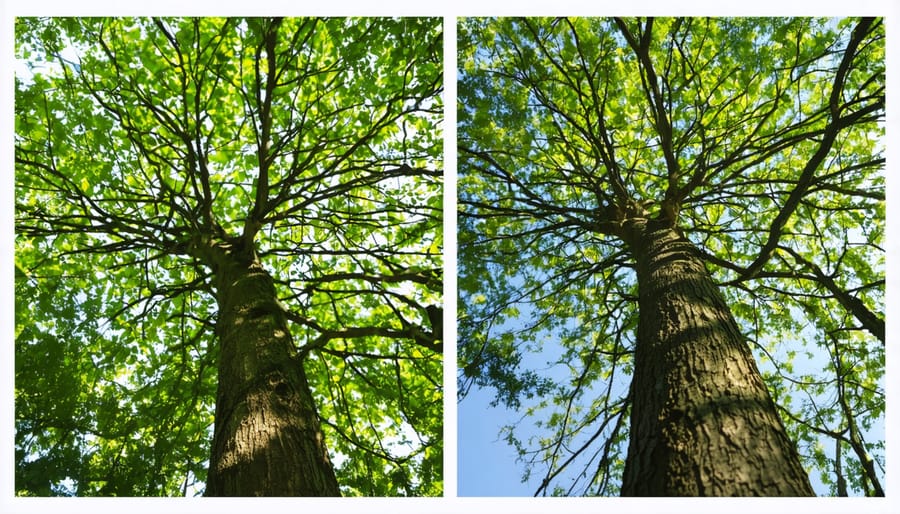
Spring is a crucial time for forest pest management, as many insects emerge from winter dormancy ready to feast on fresh growth. Start by conducting thorough inspections of your trees as soon as temperatures consistently stay above freezing. Look for signs of overwintering pests and early-season damage on emerging buds and young leaves.
A key preventive strategy is maintaining proper soil health management to ensure trees are strong and resilient. Well-nourished trees naturally resist pest infestations better than stressed ones. Apply a balanced, slow-release organic fertilizer around the tree’s drip line when the soil begins to warm.
Consider installing sticky bands around tree trunks to catch climbing insects before they reach the canopy. These are particularly effective against spring cankerworms and other early-season pests. Installing bird houses and feeders can also help, as many bird species feed heavily on insects during nesting season.
For natural pest deterrence, plant companion species like aromatic herbs near vulnerable trees. Garlic, mint, and marigolds can help repel certain pest species while attracting beneficial insects. If you spot early signs of pest activity, consider using horticultural oil sprays while trees are still in their dormant phase – this effectively smothers overwintering insects and their eggs before they become active.
Remember to clean up any fallen debris from winter, as these can harbor pest populations ready to emerge in spring. Proper pruning of dead or damaged branches also removes potential pest habitats and promotes healthy growth.
Summer: Peak Pest Activity Management
Identifying Active Infestations
Identifying active pest infestations early is crucial for effective forest management. The most obvious signs include visible insect activity, such as caterpillars feeding on leaves or beetles crawling on bark. Look for patterns of leaf damage, including holes, skeletonized leaves, or browning patches that appear different from normal seasonal changes.
Crown dieback, where the upper branches of trees begin dying, often indicates a serious infestation. You might notice sawdust-like material, called frass, collecting at the base of trees or in bark crevices – a telltale sign of wood-boring insects. Unusual spots or discoloration on leaves, particularly during summer months, can signal the presence of sap-feeding insects or fungal diseases spread by pests.
Pay special attention to any trees showing signs of stress, such as wilting leaves or premature leaf drop, as these are more susceptible to pest attacks. Regular inspection of tree bark may reveal entry holes, pitch tubes (small masses of resin), or unusual patterns that resemble galleries or maze-like tunnels beneath the bark.
During summer evenings, you might notice increased insect activity around trees, particularly moths and beetles. Keep an eye out for webs in tree branches, especially those that appear dense and tent-like, as these often indicate the presence of various caterpillar species.
Remember that not all insects are harmful – many are beneficial predators that help control pest populations naturally. Learning to distinguish between beneficial insects and pests is key to making informed management decisions.

Natural and Chemical Control Methods
When it comes to managing forest pests effectively, there’s a growing emphasis on using natural pest control methods that work in harmony with the environment. One of the most successful approaches is biological control, which involves introducing beneficial insects like ladybugs and parasitic wasps that naturally prey on harmful pests.
For bark beetles and wood-boring insects, sticky traps and pheromone lures can help monitor and reduce populations without harming the ecosystem. Installing bird houses and bat boxes also encourages natural predators to take up residence and help control pest populations.
When chemical interventions become necessary, it’s essential to choose targeted treatments that minimize impact on beneficial insects. Insecticidal soaps and neem oil offer effective control for soft-bodied insects while being relatively gentle on the environment. For more severe infestations, systemic insecticides may be required, but these should be used sparingly and only after careful consideration.
Cultural control methods play a crucial role too. Maintaining proper tree spacing, removing infected material promptly, and keeping trees well-watered and properly pruned can significantly reduce pest problems. Creating diversity in your forest by planting various tree species helps prevent any single pest from causing widespread damage.
Remember to always identify the pest correctly before treatment and start with the least harmful control method first. Regular monitoring allows you to catch problems early when they’re easier to manage with gentler approaches.
Fall: Preparing Your Forest for Winter
Fall Clean-up Strategies
As autumn leaves begin to fall, it’s crucial to implement thorough clean-up strategies to minimize pest problems in the coming season. Start by removing fallen leaves, twigs, and debris around your trees, as these materials often serve as cozy winter homes for various forest pests. Pay special attention to areas where leaves tend to collect, such as against tree trunks and in natural depressions.
Dead or dying branches should be pruned and properly disposed of, as they can harbor bark beetles and other wood-boring insects. Remember to sanitize your pruning tools between cuts to prevent spreading any potential diseases. Fallen fruit and nuts should also be collected regularly, as they can attract rodents and other pests that might damage tree bark during winter months.
Create a buffer zone by clearing vegetation within a 3-foot radius around tree trunks. This reduces hiding spots for pests and makes it harder for them to access the tree. Mulch can be beneficial, but keep it at least 6 inches away from the trunk to prevent moisture buildup that attracts insects.
Consider composting healthy plant material, but be sure to dispose of any diseased or pest-infested debris in sealed bags. This prevents overwintering pests from surviving to cause problems in spring. A thorough fall clean-up not only reduces pest pressure but also promotes overall forest health by improving air circulation and reducing disease potential.
Pre-Winter Treatments
As autumn’s crisp air signals the approaching winter, taking proactive steps to protect your forest from pests becomes crucial. Start by conducting a thorough inspection of your trees, paying special attention to signs of existing pest infestations or vulnerable areas that could become problematic during winter months.
One of the most effective winter preparation steps is clearing away dead leaves, fallen branches, and other debris that could harbor overwintering pests. This simple act eliminates potential hiding spots and reduces the risk of spring pest populations.
Apply dormant oil sprays to tree trunks and branches while temperatures remain above freezing. This treatment suffocates overwintering insects and their eggs, giving your trees a head start against spring infestations. Remember to choose a calm, dry day for application to ensure maximum effectiveness.
Installing physical barriers like tree bands or burlap wraps can prevent pests from climbing up trunks to find winter shelter. These barriers are particularly effective against fall cankerworms and other climbing insects that lay eggs in tree canopies.
Don’t forget to mulch around tree bases, maintaining a proper distance from the trunk to discourage rodents from nesting. A layer of wood chips or similar organic material helps regulate soil temperature while deterring certain ground-dwelling pests that might otherwise damage tree roots during winter months.
Winter: Planning and Prevention

Winter Tree Inspection
Winter provides an excellent opportunity to inspect your trees for pest damage and overall health when branches are bare. Without leaves obscuring your view, you can easily spot problems like egg masses, cocoons, and structural damage that might otherwise go unnoticed during the growing season.
Start by examining the tree’s bark for unusual holes, cracks, or peeling sections. Look for sawdust-like material at the base of the tree, which often indicates boring insects. Pay special attention to branch unions and the trunk’s base, where many pests tend to overwinter.
Using binoculars can help you spot problems in taller trees. Keep an eye out for broken branches, which can serve as entry points for pests and diseases. Don’t forget to check for signs of previous season’s damage, such as galls, cankers, or distorted growth patterns.
Take notes and photographs of any concerning findings – this documentation will help you track changes over time and plan appropriate treatments when spring arrives. If you spot something unusual but aren’t sure what it is, consider consulting with a certified arborist for proper identification and treatment recommendations.
Creating Next Year’s Action Plan
Just like early season garden planning, creating next year’s forest pest management strategy requires careful consideration and foresight. Start by reviewing this year’s pest challenges and successes, noting which treatments worked best and where improvements are needed. Create a monthly calendar that outlines specific monitoring periods for different pests, scheduling inspections when they’re most likely to appear.
Include preventive measures like maintaining tree health through proper pruning and fertilization schedules. Plan for regular soil testing and identify areas that might need additional drainage or attention. Don’t forget to budget for essential supplies and equipment you’ll need throughout the year.
Consider working with neighboring property owners to coordinate pest management efforts, as many forest pests don’t recognize property boundaries. Keep your plan flexible enough to adapt to changing weather patterns and pest populations, but structured enough to ensure consistent monitoring and treatment applications. Remember to include alternative control methods in case your primary approach needs adjustment.
Successful forest pest management requires a year-round commitment and a thorough understanding of seasonal patterns. By following the strategies outlined in this guide, you’ll be better equipped to protect your trees through every season. Remember that spring calls for vigilant monitoring of emerging pests and early intervention, while summer demands regular inspections and maintenance of your defensive measures. Fall presents the perfect opportunity for cleanup and prevention, and winter allows you to focus on planning and structural improvements.
The key to effective pest management lies in being proactive rather than reactive. Don’t wait for an infestation to become severe before taking action. Regular monitoring, proper tree care, and maintaining forest health should become part of your routine gardening practices. Consider keeping a seasonal calendar to track pest patterns and treatment schedules in your specific area.
Remember that sustainable pest management isn’t just about controlling unwanted insects – it’s about creating a balanced ecosystem where beneficial insects can thrive while keeping harmful populations in check. By implementing these seasonal strategies and staying informed about pest life cycles, you’ll be better prepared to protect your forest throughout the year.
Take the first step today by assessing your forest’s current health and developing a customized management plan. Your trees will thank you with years of healthy growth and vibrant foliage, contributing to a thriving forest ecosystem for generations to come.