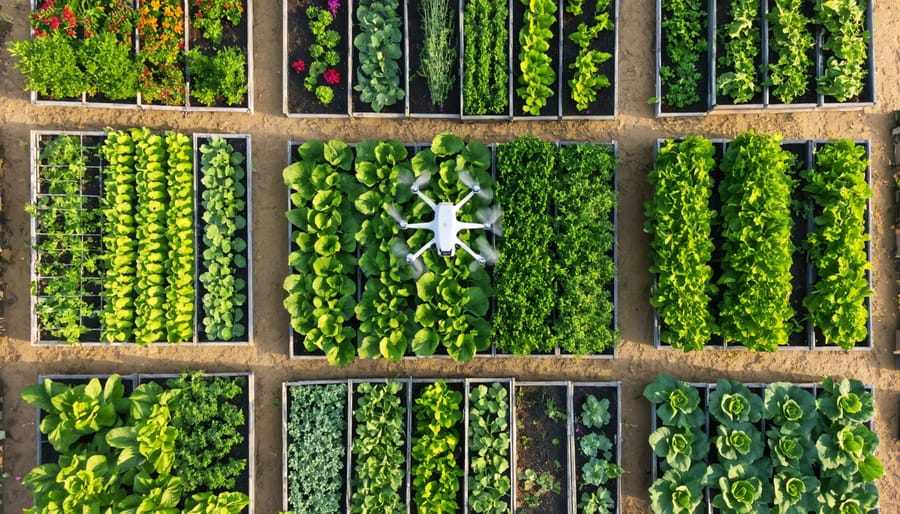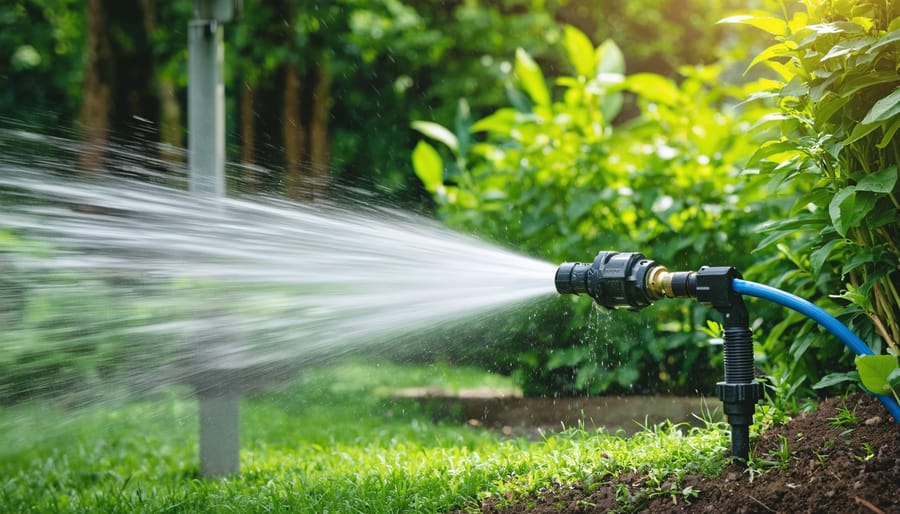
Seal every crack around windows, doors, and foundation gaps before fumigation begins—pests often escape through openings as small as 1/16 inch, reducing treatment effectiveness by up to 40%. Remove all plants, pets, and unsealed food items from treatment areas at least 24 hours in advance, then cover garden beds within 10 feet of your home’s perimeter with heavy plastic tarps to protect beneficial insects and soil microorganisms.
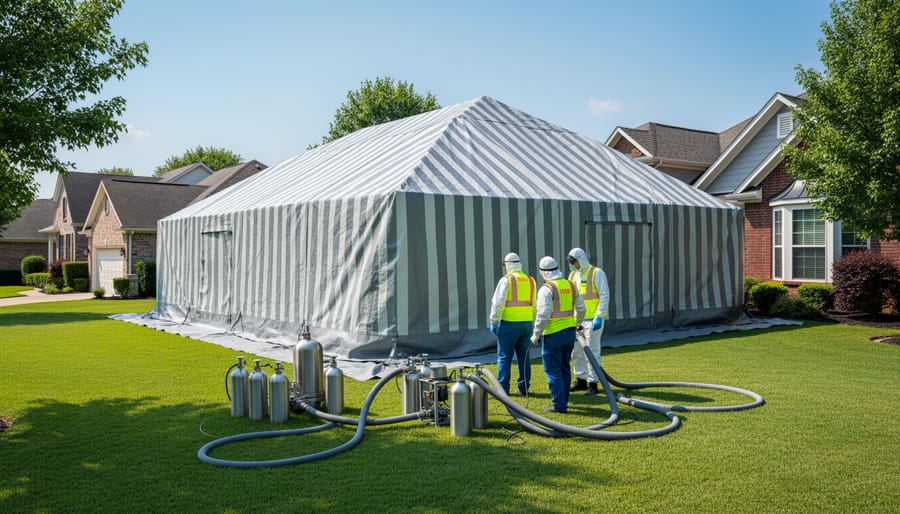
Fumigation creates an airtight seal around your space, then releases penetrating gases that eliminate pests hiding in walls, under floors, and within structural voids where sprays and baits can’t reach. This complete-coverage approach tackles severe infestations of termites, bed bugs, and wood-boring beetles that threaten both your home’s integrity and your gardening tools stored in sheds and garages.
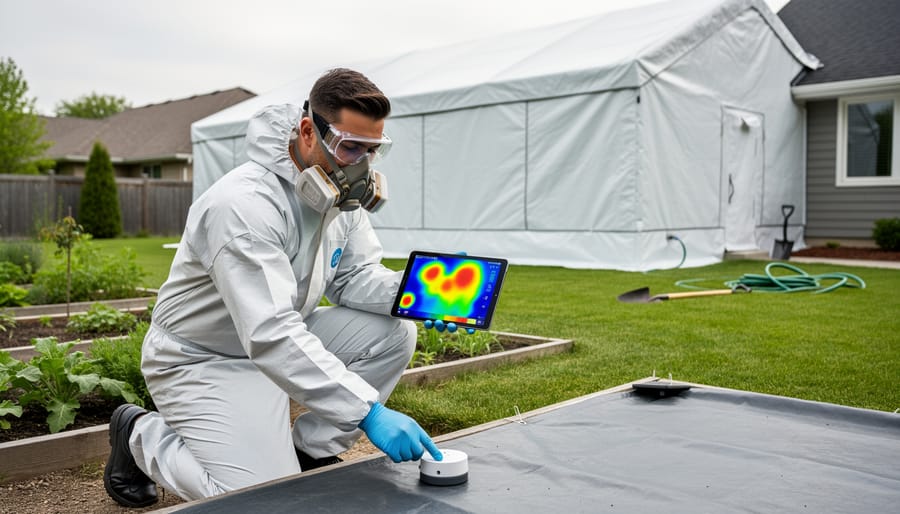
Modern fumigation technology now incorporates precision monitoring systems that detect pest activity patterns and measure gas concentrations in real-time, ensuring thorough elimination while minimizing chemical exposure. Professional technicians use thermal imaging cameras to identify infestation hot spots and adjust treatment intensity accordingly, making the process more targeted than ever before.
The environmental impact concerns many gardeners, but today’s fumigants break down rapidly after treatment—typically within 6-12 hours of aeration—leaving no soil residue that affects future plantings. You’ll protect your garden investment by eliminating pests that spread to outdoor spaces while maintaining the healthy ecosystem you’ve worked so hard to cultivate. Licensed professionals handle all safety protocols, from gas containment to clearance testing, giving you peace of mind throughout the process.
What Fumigation Pest Control Really Means (And Why It Still Matters)
The Types of Pests That Demand Fumigation
While many common garden pests respond well to spot treatments or natural remedies, certain troublemakers demand the thoroughness of fumigation. Let me share which pests might lead you down this path.
Termites top the list as the most formidable opponents. These wood-destroying insects can silently damage garden sheds, greenhouses, and fences before you even notice their presence. When colonies establish themselves in your garden structures, fumigation often becomes the most effective solution to eliminate the entire population at once.
Stored product pests present another challenge, particularly if you keep seeds, bulbs, or potting supplies in garden sheds. Weevils, moths, and beetles can devastate your carefully saved seeds and organic materials. These tiny invaders multiply quickly in confined spaces, making fumigation necessary when infestations become widespread.
Greenhouse owners might face severe aphid, whitefly, or spider mite invasions that resist other control methods. When these pests establish large colonies throughout your growing space, fumigation can reset your greenhouse environment completely.
Modern AI-enhanced fumigation systems now help identify which pests you’re dealing with and calculate precise treatment requirements, making the process safer and more targeted than traditional methods. This technology ensures you’re using exactly what’s needed—nothing more, nothing less—protecting both your garden investment and the environment.
Traditional Fumigation: The Challenges Gardeners Face
Let’s be honest – traditional fumigation has been a gardener’s go-to solution for decades, but it comes with some real headaches. Many of us have experienced the frustration of applying pest control chemicals only to watch them drift onto our prized tomatoes or settle where we never intended. The challenge is that conventional fumigation often takes a “spray everywhere and hope for the best” approach, leading to overuse of chemicals that can linger in your soil and water supply.
I’ve spoken with gardeners who’ve shared stories of accidentally wiping out their beneficial insects – those hardworking ladybugs and bees we desperately need – along with the pests. It’s like using a sledgehammer when you need a scalpel. The broad application methods mean you’re treating entire areas rather than targeting specific problem zones, which isn’t great for your garden’s ecosystem or your wallet.
Environmental concerns are also real. Chemical runoff can affect nearby plants, contaminate groundwater, and disrupt the delicate balance your garden depends on. Plus, there’s the disruption factor – keeping kids and pets away for hours or days after treatment isn’t exactly convenient. These limitations have pushed many gardeners to search for smarter, more precise alternatives.
How AI Is Transforming Fumigation Pest Management
Early Detection Through Smart Sensors
Imagine having a vigilant guardian in your garden that watches for unwanted visitors around the clock. That’s exactly what smart sensor technology brings to modern pest management! These clever devices work like an early warning system, catching pest problems when they’re still small and manageable.
AI-powered detection systems use tiny sensors placed strategically throughout your garden or greenhouse. They monitor movement patterns, temperature changes, and even chemical signals that pests leave behind. Think of them as super-attentive gardeners who never take a coffee break! When these sensors detect unusual activity, they alert you immediately through a smartphone app or computer dashboard.
The real beauty of this technology is catching problems early. Instead of discovering a full-blown infestation that requires aggressive fumigation, you’ll know about pest activity when just a few individuals appear. This means you can often handle the situation with targeted, minimal intervention rather than fumigating your entire growing space.
I spoke with Maria Rodriguez, an urban gardener in Toronto, who installed smart sensors in her community greenhouse. She shared that they detected a moth problem three weeks earlier than they would have noticed visually. This early catch meant they avoided fumigation entirely, using simple pheromone traps instead. The system paid for itself in the first season by preventing crop loss and eliminating the need for expensive emergency treatments.
Precision Targeting: Treating Only What Needs Treatment
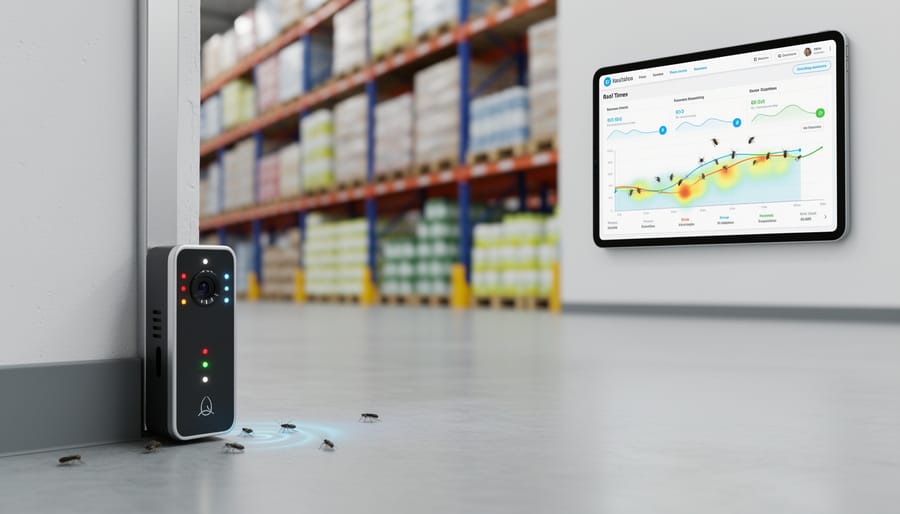
Here’s where things get really exciting! Traditional fumigation often takes a one-size-fits-all approach, but AI technology is changing the game by bringing precision to pest control. Think of it like having a detective who can map exactly where pests are hiding and predict where they’ll go next.
Modern AI systems analyze pest patterns using sensors and data collection to create detailed maps of infestations in your garden or home. Instead of fumigating entire areas unnecessarily, these smart systems identify specific zones that need treatment. This means you’re not exposing your prized tomato plants or that beautiful row of zinnias to chemicals when they’re nowhere near the pest problem.
I recently spoke with Master Gardener Patricia Chen, who shared her experience: “The AI system showed me that my pest issue was concentrated in just one corner of my greenhouse. We treated only that 10-foot section instead of the whole space. My beneficial ladybugs and lacewings survived, and they actually helped clean up the remaining pests naturally.”
The technology considers multiple factors including pest type, life cycle stages, weather conditions, and even the presence of beneficial insects. It calculates the minimum effective treatment needed, which protects pollinators like bees and butterflies that we desperately want visiting our gardens.
This targeted approach typically reduces chemical use by 40-60 percent compared to traditional methods, making it safer for your family, pets, and the environment while still effectively eliminating harmful pests.
Predictive Analytics: Stopping Problems Before They Start
Imagine if you could predict a pest outbreak before it happens – that’s exactly what AI-powered fumigation systems are making possible! By analyzing weather patterns, temperature fluctuations, and humidity levels alongside pest life cycle data, these intelligent systems can forecast when conditions are perfect for infestations to take hold.
Think of it like having a weather forecaster specifically for your garden’s pest problems. When AI detects that warm, humid conditions are approaching – the ideal breeding environment for many destructive insects – it can alert you days or even weeks in advance. This gives you time to schedule preventive fumigation treatments strategically, stopping problems before they damage your precious plants.
The technology combines information from multiple sources: local weather stations, soil moisture sensors, and even monitoring technology that tracks pest populations in your area. It learns from historical data too, recognizing patterns that indicate when certain pests typically emerge in your region.
What makes this particularly exciting for gardeners is the precision it offers. Instead of applying fumigation treatments on a fixed schedule regardless of actual need, you’re treating only when conditions warrant intervention. This means fewer chemicals in your garden, lower costs, and better protection for beneficial insects like pollinators.
One greenhouse operator I spoke with reduced fumigation treatments by forty percent using predictive analytics while actually improving pest control outcomes. The system flagged high-risk periods accurately, allowing targeted intervention that protected both plants and the environment.
Real-World Applications for Your Garden and Home
Smart Monitoring Systems You Can Install Today
The world of smart garden technology has expanded to include pest monitoring devices that work alongside fumigation systems, making pest control more precise and less invasive. These affordable tools are changing how home gardeners and greenhouse enthusiasts approach pest management.
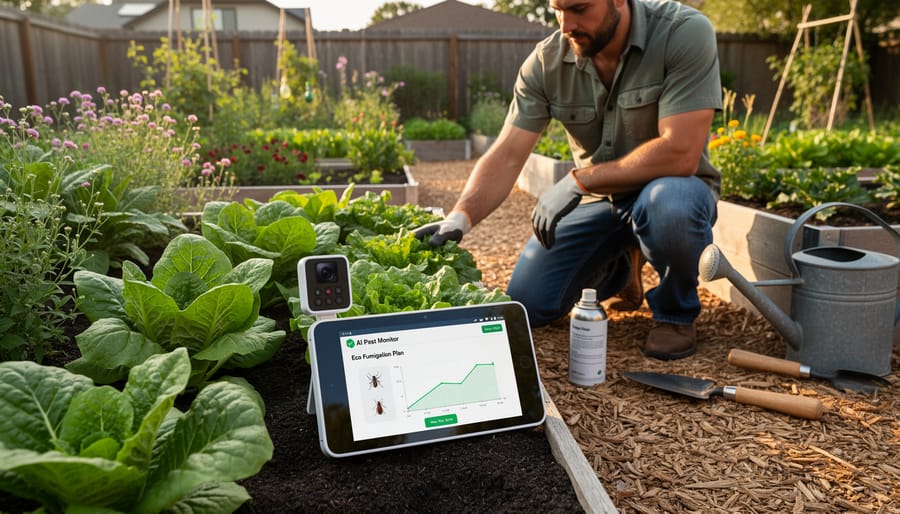
Motion-activated cameras designed for garden use now come equipped with AI software that identifies specific pests in real-time. These devices send alerts to your smartphone when they detect aphids, caterpillars, or other common garden invaders. They typically cost between $50 and $200, making them accessible for most budgets. The camera learns to distinguish between helpful insects like ladybugs and destructive pests, so you’re not fumigating unnecessarily.
Sticky trap sensors represent another practical option. These combine traditional adhesive traps with image recognition technology. Simply place them in your greenhouse or near vulnerable plants, and the connected app analyzes what gets caught, tracking pest populations over time. This data helps you decide if targeted fumigation is truly needed.
For indoor herb gardens or small greenhouses, compact environmental monitors track temperature, humidity, and pest activity simultaneously. They alert you to conditions that attract pests before infestations begin, allowing preventive action rather than reactive fumigation. Many models integrate with existing smart home systems, creating a seamless monitoring experience that protects your plants without constant manual checking.
Working with AI-Equipped Pest Control Professionals
Finding a fumigation service that embraces AI technology might feel like searching for a needle in a haystack, but it’s becoming more common than you’d think! Start by asking potential providers directly about their technological capabilities. Do they use AI-powered monitoring systems? How do they determine the precise fumigant dosage needed for your specific situation?
When interviewing pest control professionals, inquire about their detection methods. Modern AI systems can identify pest species and activity levels before treatment begins, ensuring you’re not using more chemicals than necessary. Ask to see their monitoring reports and how they track treatment effectiveness over time.
During your consultation, a quality AI-equipped service should offer a detailed inspection using sensors or imaging technology. They’ll explain how their systems customize the fumigation plan for your property’s unique characteristics, from square footage to pest pressure points.
Expect transparency about the process timeline and safety protocols. The best professionals will show you real-time data from their monitoring equipment and explain how AI helps minimize environmental impact while maximizing results. Don’t hesitate to request references from other gardening enthusiasts who’ve used their services. Remember, you’re not just hiring exterminators; you’re partnering with professionals who understand your commitment to maintaining a healthy, sustainable outdoor space.
The Environmental Benefits That Matter to Gardeners
As gardeners, we’re always looking for ways to protect our plants while keeping our outdoor spaces healthy and thriving. The good news? AI-enhanced fumigation is revolutionizing pest control in ways that align beautifully with sustainable gardening practices.
Traditional fumigation often meant applying chemicals broadly across entire areas, which could harm beneficial insects and disrupt the delicate ecosystem we work so hard to cultivate. Modern AI systems change this game completely. By precisely identifying pest hotspots and calculating exact treatment needs, these smart technologies dramatically reduce the amount of chemicals released into your garden environment.
Think about your pollinator friends, those hardworking bees and butterflies that visit your flowers. AI-guided fumigation can target specific problem areas while leaving pollinator-friendly zones untouched. The technology can even schedule treatments during times when beneficial insects are least active, protecting the very creatures that help your garden flourish.
Your soil deserves special mention here. Through integration with soil health monitoring systems, AI can ensure fumigation methods preserve the beneficial microorganisms that keep your soil alive and productive. These microscopic helpers are essential for nutrient cycling and plant health, and protecting them means healthier gardens long-term.
I recently spoke with master gardener Elena Rodriguez, who shared her experience: “After switching to AI-monitored fumigation in my community garden plot, I noticed earthworms returning within weeks. That told me we were finally doing pest control right.”
The precision these systems offer means fewer repeat treatments, less environmental buildup, and healthier gardens that work with nature rather than against it.
What This Means for Your Garden’s Future
The future of pest management in your garden is becoming increasingly intelligent, and it’s more accessible than you might think. We’re already seeing AI-powered sensors that can identify pest problems before they’re visible to the naked eye, and smartphone apps that help you make informed decisions about when intervention is truly necessary. These technologies aren’t replacing your gardening intuition—they’re enhancing it.
During a recent conversation with master gardener Elena Rodriguez, she shared something that really stuck with me: “The best pest control strategy is one that treats your garden as an ecosystem, not a battlefield.” AI is helping us do exactly that by predicting pest patterns, recommending targeted interventions, and reducing our reliance on broad-spectrum treatments like traditional fumigation.
To stay ahead of the curve, subscribe to gardening newsletters that cover emerging technologies, follow research from agricultural universities, and don’t be afraid to experiment with new tools as they become available. Many are surprisingly affordable and user-friendly.
Remember, the goal isn’t to achieve a completely pest-free garden—that’s neither realistic nor desirable for a healthy ecosystem. Instead, focus on maintaining balance. Smart pest management means knowing when to act and when to let nature take its course. By embracing these innovative approaches, you’re not just protecting your plants; you’re contributing to a more sustainable future where technology and nature work in harmony, creating thriving gardens that benefit everyone.
AI-enhanced fumigation represents an exciting leap forward in how we protect our gardens and homes from unwanted pests. By combining traditional pest control methods with smart technology, we’re now able to target problems more precisely, use fewer chemicals, and achieve better results. This means healthier plants for your garden and safer spaces for your family and pets.
The beauty of these innovations is that they’re becoming more accessible every day. Whether you’re dealing with persistent garden pests or considering professional fumigation services for your home, it’s worth exploring options that incorporate AI monitoring and precision application. These technologies aren’t just fancy additions; they genuinely make pest control more effective and environmentally responsible.
As gardening enthusiasts, we all want thriving outdoor spaces without compromising on safety or sustainability. Taking the time to learn about these modern approaches empowers you to make informed decisions that benefit both your garden and the broader ecosystem.
Ready to take your pest management to the next level? Start by researching local providers who offer AI-enhanced services, or consider investing in smart monitoring tools for your garden. Your plants and your peace of mind will thank you for embracing these thoughtful, innovative solutions.