Transform your Zone 7a garden into a thriving ecosystem by selecting native plants perfectly adapted to the region’s climate and soil conditions. From the vibrant Purple Coneflower to the resilient Black-Eyed Susan, these indigenous species form the foundation of sustainable native garden design principles while supporting local wildlife. Discover how these hardy plants, which evolved over thousands of years in our local environment, can create a low-maintenance landscape that flourishes with minimal water and care. Whether you’re starting a pollinator garden or enhancing your existing landscape, Zone 7a native plants offer the perfect blend of beauty, functionality, and ecological benefit, thriving in temperatures from 0°F to 105°F while providing year-round interest through distinctive foliage, blooms, and seasonal transformations.
Native Flowering Perennials for Zone 7a
Spring Bloomers
When spring arrives in zone 7a, native bloomers burst onto the scene, painting gardens with vibrant colors and attracting early-season pollinators. Wild Columbine (Aquilegia canadensis) leads the charge with its delicate red and yellow nodding flowers, perfect for partly shaded areas and woodland garden edges. These charming flowers dance on slender stems from March through May, creating a magical display that hummingbirds simply can’t resist.
Virginia Bluebells (Mertensia virginica) carpet the ground with clusters of pink buds that open into sky-blue trumpet-shaped flowers. These early risers emerge when many other plants are still dormant, making them essential for maintaining continuous garden interest. Plant them in moist, rich soil under deciduous trees where they’ll naturalize beautifully.
Other spectacular spring natives include the pristine white blooms of Bloodroot (Sanguinaria canadensis), the cheerful yellow faces of Golden Alexander (Zizia aurea), and the delicate pink-purple flowers of Wild Geranium (Geranium maculatum). These hardy plants have evolved to thrive in our local conditions and provide essential early-season nectar for native bees and butterflies.
For the best spring display, plant these natives in groups of three or more, and combine early, mid, and late spring bloomers to create waves of color throughout the season. Remember that many spring ephemerals go dormant after flowering, so plan to fill these spaces with summer-blooming companions.

Summer and Fall Stars
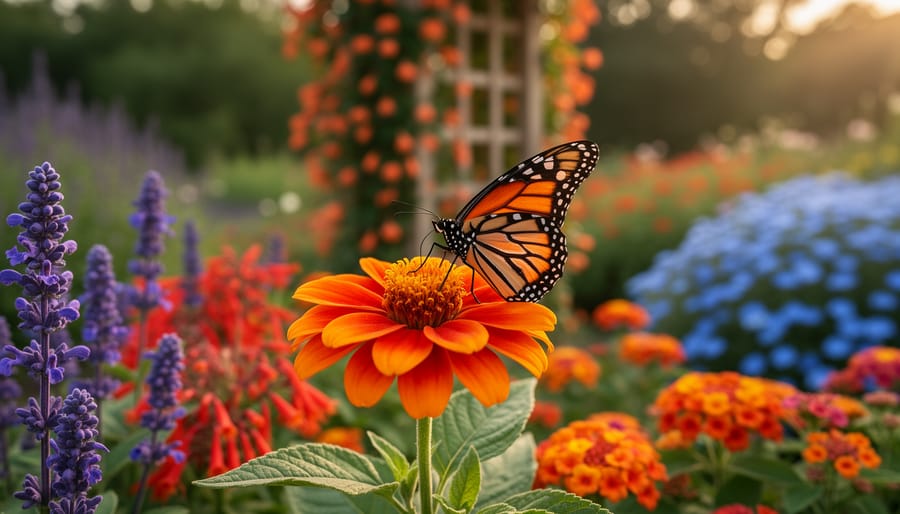
As summer reaches its peak, your zone 7a garden can burst with vibrant colors thanks to late-blooming native plants. Black-Eyed Susans (Rudbeckia hirta) steal the show with their cheerful golden petals and dark centers, blooming from July through October. These sturdy flowers are perfect for beginners and can attract butterflies with native plants while providing essential food for local pollinators.
New England Asters (Symphyotrichum novae-angliae) create stunning purple displays from August through October, reaching heights of up to 6 feet. Their rich nectar serves as a crucial food source for migrating monarchs and other butterflies preparing for fall journeys.
Don’t overlook Joe Pye Weed (Eutrochium purpureum), which produces large clusters of mauve flowers that tower majestically in the late summer garden. This impressive native can grow up to 7 feet tall and creates a dramatic backdrop for shorter plants.
For groundcover options, try Wild Stonecrop (Sedum ternatum), which offers white blooms in late summer and maintains attractive evergreen foliage throughout the year. These late-season stars not only extend your garden’s beauty but also provide vital support for wildlife when many other plants have finished blooming.
Native Trees and Shrubs
Small Trees and Understory Species
Small native trees and understory species offer the perfect solution for homeowners looking to add vertical interest without overwhelming their space. The Eastern Redbud stands out as a spectacular choice, producing vibrant pink-purple blooms in early spring before its heart-shaped leaves emerge. Growing to just 20-30 feet tall, it provides dappled shade perfect for woodland gardens.
Another excellent option is the Flowering Dogwood, which delights with its white or pink spring blooms and attractive fall foliage. This native beauty typically reaches 15-25 feet and supports local wildlife, particularly birds who feast on its red berries.
The American Hornbeam, also known as Musclewood, makes an ideal understory tree with its compact size and unique fluted trunk. Its dense canopy provides excellent shade while maintaining a manageable height of 20-30 feet.
For smaller spaces, consider the Serviceberry, which maxes out at 15-20 feet. This multi-season performer offers spring flowers, edible summer berries, and stunning fall colors. It’s particularly well-suited for urban gardens and can even be grown as a large shrub.
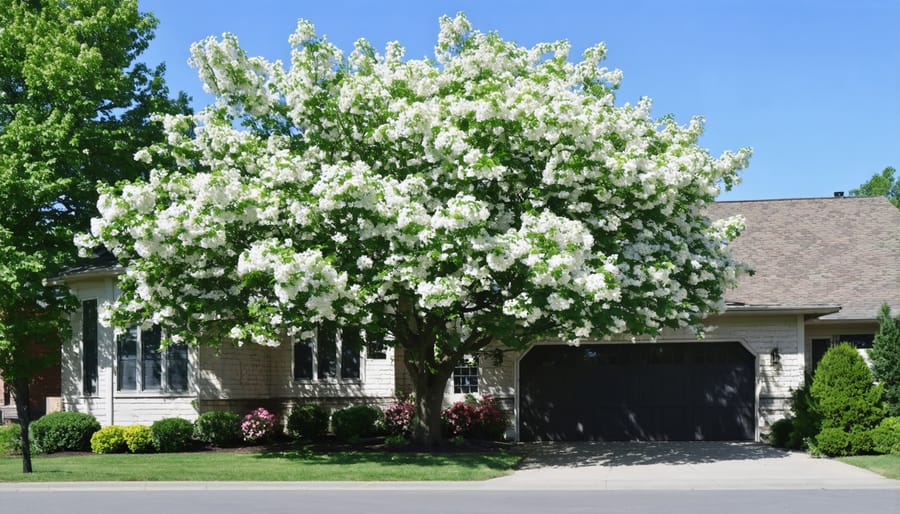
The American Fringe Tree rounds out our recommendations with its delicate, fragrant white flowers and modest size of 12-20 feet. This low-maintenance native thrives in partial shade and adds a touch of elegance to any landscape.
Native Shrubs for Every Situation
Native shrubs are the backbone of any successful zone 7a garden, offering year-round structure and versatility. For sunny spots, the vibrant Virginia Sweetspire (Itea virginica) produces fragrant white flower spikes in spring and stunning red-purple fall foliage. Its compact size makes it perfect for foundation plantings or natural hedges.
In partially shaded areas, Red Chokeberry (Aronia arbutifolia) thrives while providing multi-season interest with spring flowers, summer berries, and brilliant autumn colors. This adaptable shrub also attracts birds and supports local wildlife.
For those challenging deep shade spots, American Elderberry (Sambucus canadensis) proves its worth with clusters of white flowers followed by edible berries. It’s particularly effective in rain gardens or naturalized areas.
Looking for year-round screening? Northern Bayberry (Myrica pensylvanica) offers evergreen foliage and aromatic berries, while tolerating both dry and wet conditions. It’s especially useful for coastal gardens due to its salt tolerance.
In smaller spaces, Little Henry Sweetspire or Dwarf Fothergilla work beautifully, providing seasonal interest without overwhelming the landscape. These compact natives are perfect for urban gardens or tight corners.
For problem slopes, Summersweet (Clethra alnifolia) not only stabilizes soil but also fills the air with sweet fragrance in late summer, attracting butterflies and beneficial insects to your garden.
Design Tips for Native Plant Gardens
Four-Season Interest
Creating a garden that delights throughout the year is easier than you might think with native plants in zone 7a. Each season brings its own stars to the show, starting with spring ephemerals like Virginia bluebells and bloodroot that emerge while trees are still bare. As temperatures warm, summer brings vibrant displays from butterfly weed, black-eyed Susans, and purple coneflowers that attract pollinators and create stunning color combinations.
Fall ushers in warm hues with the rich purples of New England asters and the fiery reds of Virginia sweetspire foliage. Native grasses like little bluestem and switchgrass add movement and turn gorgeous shades of copper and bronze. Even winter holds beauty, with the architectural forms of joe-pye weed seed heads rising above the snow and the persistent berries of winterberry holly providing food for birds.
To maximize year-round interest, consider layering plants with different bloom times and combining various textures. Include evergreen ground covers like Christmas fern and wild ginger to maintain green structure during dormant months. Don’t forget trees and shrubs like serviceberry, which offers spring flowers, summer berries, fall color, and interesting winter bark. By thoughtfully selecting native plants that shine in different seasons, you’ll create a dynamic landscape that celebrates nature’s changing rhythms while supporting local wildlife throughout the year.
Plant Partnerships
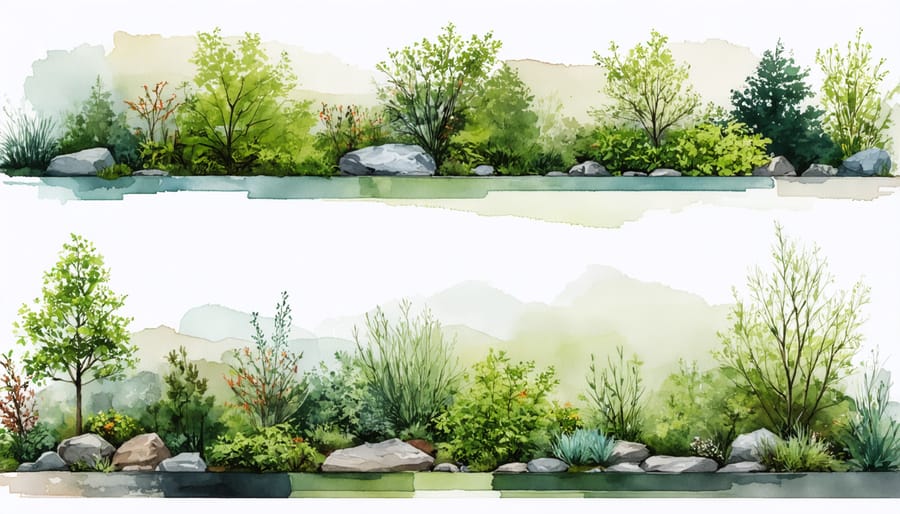
Creating successful plant partnerships is key when designing with native plants. Think of your garden as a natural community where different species work together to create a harmonious landscape. One winning combination for zone 7a gardens pairs Black-Eyed Susans with Purple Coneflowers in the middle layer, while Little Bluestem grass adds movement and texture in the background. In the foreground, Wild Columbine provides spring interest and naturally fills spaces between taller plants.
Layer your garden by height, with ground covers like Green-and-Gold spreading beneath taller perennials. Mid-height plants like Butterfly Weed and New England Aster create a colorful middle story, while Joe Pye Weed and native sunflowers provide dramatic backdrop elements. This natural layering mimics woodland edges and meadow environments.
Consider bloom times when planning partnerships. Early spring Eastern Redbud trees complement woodland phlox, while summer brings a gorgeous pairing of Cardinal Flower with Blue Lobelia. For fall interest, combine Aromatic Aster with native grasses like Switch Grass, which provides winter structure and wildlife habitat.
Remember to group plants with similar water and light requirements. Moisture-loving Cardinal Flower thrives alongside Wild Blue Iris, while drought-tolerant Blazing Star and Black-Eyed Susan make perfect companions in sunny spots.
Maintenance and Care
Native plants may be low-maintenance, but they still need proper care to create a thriving ecosystem in your garden. The key to success lies in understanding their natural growth patterns and providing conditions that mirror their native habitats.
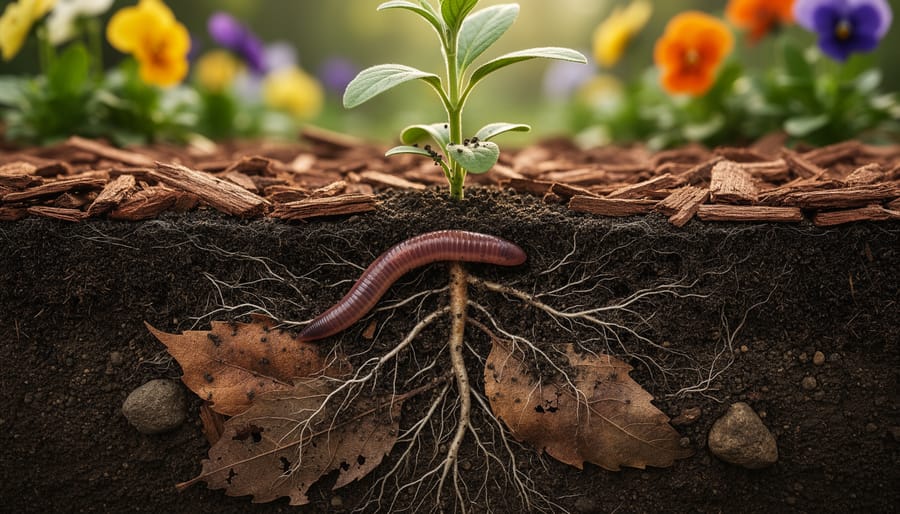
Water management is crucial during the establishment phase, typically the first growing season. While native plants are generally drought-tolerant once established, they need consistent moisture early on. Water deeply but less frequently to encourage deep root growth. A layer of organic mulch around 2-3 inches thick helps retain moisture and suppress weeds.
Pruning requirements vary by species, but most native plants benefit from selective trimming to maintain shape and encourage healthy growth. Remove dead or damaged branches in early spring, and deadhead spent flowers to promote continued blooming. However, consider leaving some seed heads intact during fall and winter as they provide food for birds and winter interest.
Fertilization should be minimal for native plants. They’ve evolved to thrive in local soil conditions and often perform better without additional nutrients. If needed, use a light application of compost in spring rather than synthetic fertilizers.
Monitor your plants regularly for signs of stress or disease. While native species typically have good resistance to local pests, catching any issues early makes them easier to address. Natural pest control methods, like encouraging beneficial insects, help maintain the ecological balance of your garden.
Division of perennials every 3-4 years keeps plants vigorous and provides opportunities to expand your garden. The best time for division is usually early spring or fall, depending on the species. Remember to share extra plants with fellow gardening enthusiasts – spreading native plants helps support local biodiversity.
Seasonal cleanup should be minimal. Leave fallen leaves and plant debris over winter to provide shelter for beneficial insects and natural mulch. Come spring, lightly clear away debris while being careful not to disturb emerging plants or any overwintering insects.
Embracing native plants in your zone 7a garden is more than just a landscaping choice – it’s a step toward creating a thriving, sustainable ecosystem in your backyard. These resilient plants not only beautify your space but also support local wildlife, reduce maintenance needs, and help conserve water. By choosing natives, you’re preserving your region’s natural heritage while enjoying a garden that practically takes care of itself. Whether you start with a small corner or transform your entire yard, every native plant you add makes a difference. Take that first step today by selecting a few species that catch your eye, and watch as your garden becomes a vibrant haven for butterflies, birds, and beneficial insects. Your journey toward a more sustainable and beautiful garden begins with just one native plant – and there’s no better time to start than now.