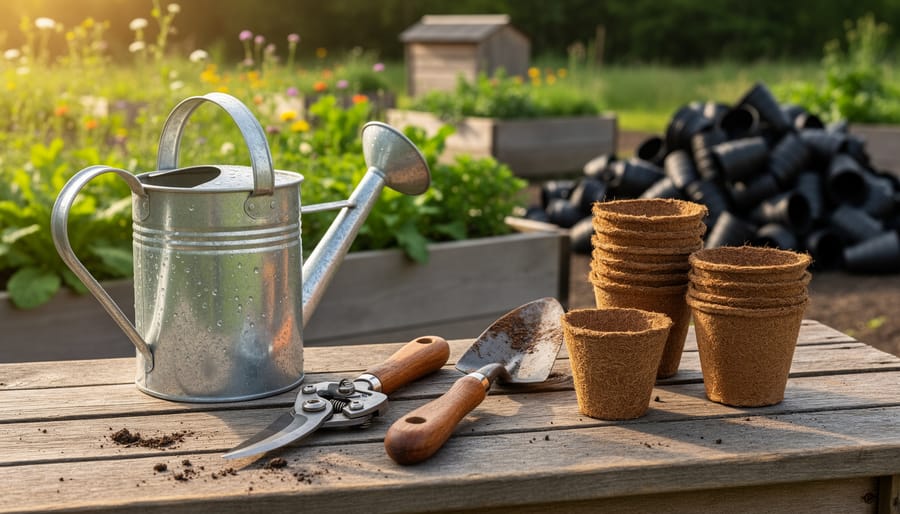
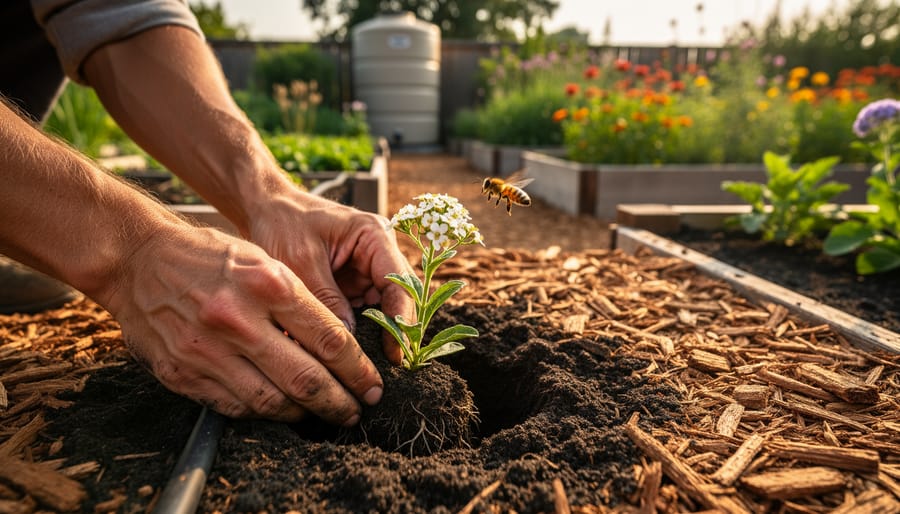
Transform your backyard into a thriving ecosystem by mastering the essential principles of permaculture. Map your property’s natural elements—sun patterns, water flow, and existing vegetation—to create zones that maximize efficiency and minimize maintenance. Design your garden in layers, combining tall fruit trees, understory shrubs, and ground covers to mirror nature’s vertical growing patterns. Position water-loving plants in natural depressions to capture rainfall, while drought-resistant species thrive on slopes and elevated areas. This thoughtful approach to garden design doesn’t just produce abundant harvests—it creates a self-sustaining landscape that works in harmony with nature, requiring less input while yielding more output year after year. Whether you’re working with a small urban plot or sprawling acreage, these permaculture techniques adapt to any space, transforming ordinary gardens into productive, resilient ecosystems that nurture both people and planet.
Assessing Your Space: The Foundation of Permaculture Success
Sun Mapping and Microclimates
Understanding how sunlight moves across your garden throughout the day and seasons is crucial for successful permaculture design. Start by observing and mapping sun patterns for at least a few days, noting where shadows fall and how they change. Morning sun, afternoon sun, and shaded areas all create different growing conditions that you can use to your advantage.
Create a simple sun map by marking your garden’s sunny, partially shaded, and fully shaded areas. Remember that summer and winter sun patterns will differ significantly, so consider both when planning. Full-sun vegetables like tomatoes and peppers will thrive in spots that receive 6-8 hours of direct sunlight, while shade-loving plants like lettuce and mint can flourish in areas that get less sun.
Microclimates are small areas with unique growing conditions created by features like walls, fences, slopes, or water features. South-facing walls absorb heat during the day and release it at night, creating perfect spots for heat-loving plants. Similarly, hedges or fences can block cold winds, protecting delicate plants and extending your growing season.
You can intentionally create beneficial microclimates by:
– Using large rocks to store heat
– Installing water features to moderate temperature
– Building raised beds for better soil warming
– Placing windbreaks strategically
– Creating shade with taller plants or structures
These thoughtful adjustments can significantly impact your garden’s productivity and resilience.

Soil Analysis and Water Flow
Before breaking ground on your permaculture garden, understanding your soil composition and water patterns is essential for success. Start with comprehensive soil quality testing to determine pH levels, nutrient content, and soil structure. You can use simple DIY tests or send samples to a local agricultural extension office for detailed analysis.
Take time to observe how water naturally moves through your property during both light rain and heavy downpours. Look for natural depressions, areas where water pools, and existing drainage patterns. These observations will help you design swales, rain gardens, and other water-harvesting features that work with nature rather than against it.
Create a basic contour map of your land by marking high and low points. This will help you understand the slope and identify the best locations for different garden elements. Remember, water always flows downhill, so use this to your advantage when planning garden beds and water features.
Pay attention to soil moisture levels in different areas of your property. Some spots might retain water longer than others, making them perfect for moisture-loving plants, while drier areas could be ideal for drought-resistant species. This natural variation creates opportunities for diverse plant communities, a key principle of permaculture design.
Creating Your Permaculture Zones

Zone Planning Basics
Zone planning is one of the most fundamental concepts in permaculture gardening, helping you create an efficient and sustainable space that works with your lifestyle. Think of zones as a series of concentric circles, with your house at the center (Zone 0), radiating outward based on how frequently you need to visit each area.
Zone 1 is your most active area, typically right outside your door. This is where you’ll place elements that need daily attention, like herbs for cooking, salad greens, and frequently harvested vegetables. You might also include a small composting area and rainwater collection system here.
Zone 2 is visited frequently but not daily. This area is perfect for larger vegetable beds, berry bushes, and maybe a few dwarf fruit trees. You might also keep small animals like chickens here if local regulations permit.
Moving outward, Zone 3 is your farming zone, ideal for larger crops, fruit trees, and larger-scale composting systems. This area requires weekly rather than daily maintenance and can include food forests and traditional orchards.
Zone 4 is semi-wild, requiring minimal maintenance. This might be where you gather wild foods, keep beehives, or grow timber. It’s also an excellent space for native plants that support local wildlife.
Finally, Zone 5 is completely wild, left untouched for nature to thrive. This zone serves as a valuable learning space where you can observe natural systems and provides habitat for beneficial wildlife.
Remember, zones don’t have to be perfect circles – they should follow your natural movement patterns and adapt to your specific site conditions. The key is creating a layout that makes your frequent tasks convenient and efficient.
Plant Selection and Placement
Selecting and positioning plants in your permaculture garden requires thoughtful planning to create a harmonious ecosystem. Start by observing your garden’s natural conditions, including sunlight patterns, wind exposure, and soil characteristics. This information will help you choose plants that naturally thrive in your specific environment.
Consider implementing food forest layers in your design, mimicking nature’s vertical growing patterns. Tall fruit trees can provide shade and shelter for smaller understory plants, while shrubs and herbs fill the middle layers. Ground covers and root crops maximize space usage at the soil level.
Group plants with similar water and nutrient needs together to create efficient growing zones. This practice, known as guilds, helps reduce maintenance while promoting beneficial relationships between plants. For example, place water-loving herbs near areas that naturally collect moisture, and drought-resistant plants in drier spots.
Think about plant functions beyond food production. Some plants excel at attracting pollinators, while others fix nitrogen in the soil or repel pests naturally. Companion planting pairs like tomatoes with basil or corn with beans and squash (the traditional Three Sisters method) can enhance growth and yield.
Remember to consider seasonal changes when placing your plants. Deciduous trees can provide shade in summer while allowing sunlight through in winter. Position taller plants on the north side of your garden to avoid shading smaller ones, and use vertical spaces like walls and fences for climbing varieties to maximize your growing area.
Building Garden Elements That Work Together
Companion Planting Strategies
Companion planting is one of the most fascinating aspects of permaculture gardening, where plants work together like good neighbors helping each other thrive. Think of it as creating plant partnerships that benefit everyone in the garden community.
The classic “Three Sisters” combination of corn, beans, and squash demonstrates this perfectly: corn provides a natural trellis for beans, beans fix nitrogen in the soil, and squash spreads along the ground, suppressing weeds and retaining moisture. It’s nature’s teamwork at its finest!
Some other winning combinations include:
– Tomatoes with basil (improves flavor and repels pests)
– Carrots with onions (onion scent masks carrot flies)
– Marigolds with most vegetables (natural pest deterrent)
– Borage with strawberries (attracts pollinators and improves fruit yield)
When planning your companion planting, consider both above-ground and below-ground relationships. Some plants, like sunflowers and potatoes, compete for nutrients and shouldn’t be planted together. Others, such as roses and garlic, protect each other from pests while sharing space harmoniously.
Remember to include flowering herbs throughout your garden. Lavender, oregano, and thyme not only provide culinary benefits but also attract beneficial insects and create natural pest barriers. This strategic placement of complementary plants creates a resilient, self-supporting garden ecosystem.

Water Management Systems
Effective water management systems are the backbone of any successful permaculture garden. Start by observing how water naturally flows through your space during rainfall. This understanding will help you design smart solutions that work with nature, not against it.
Begin with rainwater harvesting by installing rain barrels or cisterns at your downspouts. A single 55-gallon barrel can collect hundreds of gallons of water annually – that’s free irrigation for your garden! Consider adding swales (shallow trenches) along contour lines to slow water flow and allow it to seep into the soil gradually.
For irrigation, drip systems are your best friend. They deliver water directly to plant roots, reducing waste and preventing leaf diseases. Layer your garden beds with organic mulch – straw, wood chips, or leaves work wonderfully – to retain moisture and reduce watering needs.
Don’t forget about greywater opportunities! With proper filtering, water from your kitchen sink or washing machine can safely irrigate ornamental plants. Remember to position water-loving plants in naturally moist areas and drought-resistant varieties on higher ground or slopes.
By thinking strategically about water collection and distribution, you’ll create a self-sustaining system that requires minimal intervention while keeping your garden thriving through dry spells.

Natural Pest Control Methods
Creating a garden that naturally manages pests is one of the most rewarding aspects of permaculture design. By implementing natural pest control methods, you’ll create a balanced ecosystem that largely takes care of itself.
Start by planting aromatic herbs like lavender, rosemary, and mint throughout your garden. These not only smell wonderful but also naturally repel many unwanted insects while attracting beneficial ones. Marigolds and nasturtiums are excellent companion plants that protect your vegetables while adding beautiful splashes of color.
Create habitats for helpful garden allies by including diverse plant heights and types. Stack stones to create hiding spots for beneficial predators like lizards and ground beetles. Leave some bare soil for ground-nesting bees, and install bird houses to encourage natural pest controllers to make your garden their home.
Consider planting sacrificial crops – plants that attract pests away from your main crops. For example, plant extra kale or cabbage at the garden’s edge to keep cabbage moths away from your primary brassica beds.
Water features, even small ones, attract dragonflies and frogs that eagerly feast on mosquitoes and other problematic insects. Remember to maintain healthy soil through composting and mulching – strong plants naturally resist pests better than stressed ones.
Maintaining Your Permaculture Paradise
Seasonal Tasks and Observations
A successful permaculture garden evolves with the seasons, each bringing its own set of tasks and observations. In spring, focus on soil preparation and planting. Start by adding compost and mulch to beds as the soil warms, and begin sowing heat-loving crops. Watch for beneficial insects returning to your garden and encourage them by planting early-flowering species.
Summer brings peak production and requires regular harvesting to maintain plant health. Monitor water needs closely, especially in food forests and newly established areas. This is also the perfect time to observe which plants naturally thrive together and make notes for future companion planting arrangements.
Fall is harvest season and the ideal time to collect seeds from your best-performing plants. Begin preparing your garden for winter by adding thick layers of mulch around perennials and fruit trees. Take advantage of falling leaves by creating leaf mold or adding them directly to compost piles.
Winter might seem quiet, but it’s crucial for planning and maintenance. Use this time to prune dormant fruit trees, maintain garden structures, and plan next year’s plantings. Study your garden’s winter patterns – notice where snow melts first, which areas retain water, and how winter winds affect your space.
Throughout the year, maintain a garden journal to track successes, challenges, and seasonal changes. This record becomes invaluable for future planning and helps you understand your garden’s unique patterns. Remember that each season offers learning opportunities, and your garden will become more resilient as you adjust your practices based on these observations.
Expanding and Evolving Your Design
A permaculture garden is a living, breathing ecosystem that naturally evolves over time. As your plants grow and mature, you’ll discover new opportunities to expand and enhance your design. Start by observing how your initial plantings perform and interact with each other. Which combinations work well? Which areas might need adjustment?
Consider adding new layers gradually. Once your tree canopy establishes itself, introduce more shade-loving plants underneath. Look for empty spaces or “dead zones” that could benefit from additional plantings or new garden elements. Perhaps that sunny corner would be perfect for a herb spiral, or maybe there’s room for a small pond to attract beneficial wildlife.
Remember that succession planting is key to a thriving permaculture garden. As short-lived plants complete their lifecycle, replace them with perennials or self-seeding varieties that will establish themselves permanently. You might start with quick-growing plants like sunflowers or beans, then gradually transition to longer-lasting specimens.
Don’t be afraid to experiment and make changes. If something isn’t working, try a different approach. Maybe those tomatoes would do better with more protection, or perhaps that guild needs a different support plant. Document your successes and challenges – this information becomes invaluable as your garden grows.
As your confidence grows, expand your system by adding new features like rainwater harvesting systems, composting areas, or vertical growing spaces. The beauty of permaculture is that it’s always evolving, just like nature itself.
As we’ve explored throughout this guide, creating a permaculture garden is more than just planting vegetables and flowers – it’s about designing a sustainable ecosystem that works in harmony with nature. By following the principles we’ve discussed, you’re not just creating a garden; you’re becoming part of a global movement toward more sustainable living.
Remember that your permaculture journey doesn’t have to be perfect from the start. Begin with small steps, like observing your space, understanding your local climate, and implementing one or two design elements at a time. As your confidence grows, you can gradually expand your garden and incorporate more advanced permaculture techniques.
The beauty of permaculture lies in its adaptability. Whether you have a sprawling backyard or a modest balcony, the principles we’ve covered can be scaled to fit your space. Focus on creating those essential zones, establishing productive guilds, and maintaining healthy soil – these foundations will serve you well as your garden evolves.
Don’t forget the community aspect of permaculture. Connect with local gardening groups, share your experiences, and learn from others who are on similar journeys. The permaculture community is known for its generosity in sharing knowledge and resources.
As you begin this exciting venture, keep in mind that every successful permaculture garden started exactly where you are now – with a plan and a vision. Take time to sketch your design, start your compost pile, and plant those first seedlings. Each small action brings you closer to creating a thriving, sustainable garden ecosystem.
The rewards of permaculture gardening extend far beyond fresh produce. You’ll discover the joy of working with nature, the satisfaction of reducing your environmental impact, and the peace that comes from knowing you’re contributing to a more sustainable future.
So grab your notebook, step outside, and start observing your space. Your permaculture journey begins now, and the possibilities are endless.