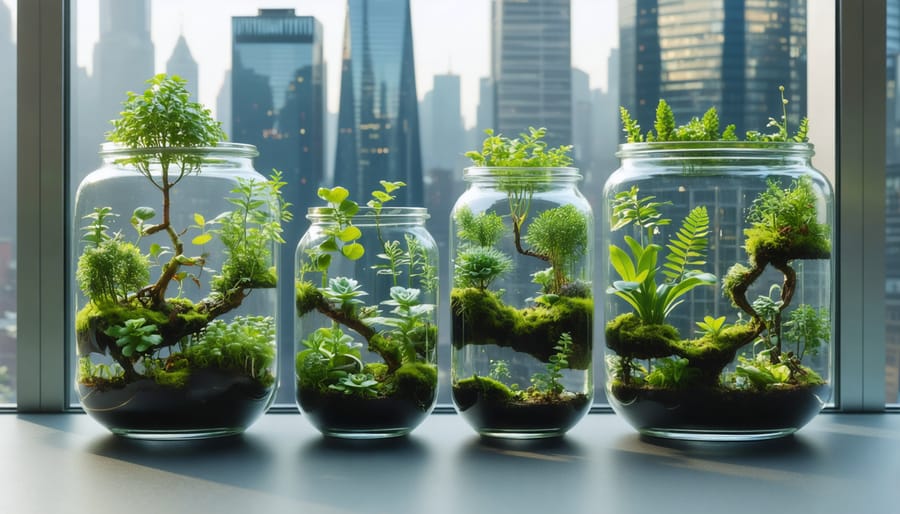
Smart sustainable cities are transforming how we live, work, and interact with our environment through innovative urban farming practices and intelligent infrastructure. Imagine walking through neighborhoods where solar-powered sensors monitor air quality, while rooftop gardens managed by AI systems optimize water usage and crop yields. These aren’t just futuristic concepts – they’re becoming reality in cities worldwide.
Cities like Singapore and Copenhagen are leading this green revolution, demonstrating how smart technology can reduce energy consumption by 30% while increasing urban food production. Through integrated systems that connect everything from traffic lights to community gardens, these metropolitan areas are creating sustainable ecosystems that benefit both residents and the environment.
The true power of smart sustainable cities lies in their ability to merge environmental stewardship with technological innovation. By implementing IoT sensors in urban gardens, monitoring real-time water usage, and utilizing data-driven decision making for resource allocation, cities are creating resilient communities that can thrive in an increasingly unpredictable climate while reducing their carbon footprint.
Smart Sensors: The New Green Thumb

Essential Sensors for Urban Gardens
In today’s urban gardens, sensors act as our vigilant garden assistants, helping us create thriving green spaces while conserving resources. Let’s explore the essential sensors that can transform your garden into a smart, sustainable oasis.
Soil moisture sensors are perhaps the most valuable tools in a smart garden. These clever devices monitor water content in your soil, preventing both under and overwatering. By placing them at different depths, you’ll know exactly when your plants need a drink, helping you maintain optimal moisture levels while saving water.
Temperature and humidity sensors work together to create the perfect microclimate for your plants. They can alert you when conditions become too hot or cold, allowing you to take protective measures like adding shade cloth or frost protection. These sensors are particularly useful for greenhouse gardening, where maintaining stable conditions is crucial.
Light sensors measure the intensity and duration of sunlight your plants receive throughout the day. This information helps you make informed decisions about plant placement and supplemental lighting needs, especially in partially shaded urban environments.
Air quality sensors monitor pollutants and CO2 levels, which is particularly important in city settings. They can help you understand how urban pollution affects your garden and adjust your growing strategies accordingly.
Many of these sensors can connect to smartphone apps, providing real-time data and alerts. This integration makes it easier than ever to maintain a healthy garden while using resources efficiently. By understanding and responding to these precise measurements, you can create a more sustainable and productive urban garden.
Real-Time Monitoring Systems
Modern garden monitoring has never been easier, thanks to integrated sensor networks that act like vigilant gardeners working 24/7. These smart systems use a network of tiny sensors placed throughout your garden to keep track of essential factors like soil moisture, temperature, light levels, and even air quality.
Think of it as having a team of helpers constantly checking on your plants. When soil moisture drops below optimal levels, the system can automatically trigger irrigation. If temperatures start climbing too high, shade screens can deploy to protect sensitive plants. Some systems even monitor nutrient levels in the soil and can alert you when it’s time to fertilize.
The real magic happens in the automation hub, where all this data comes together. Your smartphone becomes a control center, letting you check on your garden from anywhere. You’ll receive notifications about potential issues before they become problems, helping you maintain a healthier garden while using resources more efficiently.
These systems are particularly valuable for community gardens and urban farming projects, where consistent monitoring can be challenging. By automating routine tasks and providing early warning of problems, smart monitoring helps create more sustainable and productive urban green spaces.
Water-Wise Gardening with Smart Technology
Precision Irrigation Systems
Precision irrigation systems are revolutionizing the way we manage water resources in urban gardens and green spaces. These smart systems use a network of sensors to monitor soil moisture levels, weather conditions, and plant needs in real-time, ensuring that each plant receives exactly the amount of water it requires – no more, no less.
The heart of these systems lies in their ability to make data-driven decisions. Soil moisture sensors planted throughout garden beds communicate with a central control unit, which then activates water delivery only when necessary. This targeted approach can reduce water consumption by up to 50% compared to traditional irrigation methods, while actually improving plant health and growth.
Weather-smart features take the guesswork out of watering schedules. These systems automatically adjust to rainfall patterns, humidity levels, and seasonal changes, preventing overwatering during wet periods and increasing irrigation during dry spells. Some advanced systems even integrate with local weather forecasts to anticipate upcoming conditions.
For community gardens and urban farms, precision irrigation systems can be controlled remotely through smartphone apps, allowing gardeners to monitor and adjust watering schedules from anywhere. This connectivity also enables the collection of valuable data about water usage patterns, helping cities optimize their water conservation strategies.
The initial investment in precision irrigation technology quickly pays for itself through reduced water bills and improved crop yields, making it an essential component of sustainable urban agriculture.

Water Conservation Strategies
Modern cities are revolutionizing water management through smart technology and water-wise gardening techniques that make every drop count. Smart irrigation systems equipped with soil moisture sensors automatically adjust watering schedules based on real-time conditions, ensuring plants receive exactly what they need without waste.
Rain gardens and bioswales are becoming popular features in urban landscapes, capturing and filtering stormwater while creating beautiful, low-maintenance green spaces. These natural systems help reduce runoff and recharge groundwater supplies, working in harmony with the city’s water infrastructure.
Smart meters and leak detection systems monitor water usage patterns, alerting residents and maintenance teams to potential problems before they become serious issues. This proactive approach has helped many communities reduce water waste by up to 30%.
Greywater recycling systems are another innovative solution, collecting water from sinks and showers to irrigate gardens and landscaping. When combined with drought-resistant plant selection and proper mulching techniques, these systems create resilient urban gardens that thrive with minimal water input.
Cities are also implementing rainwater harvesting on a larger scale, using smart controls to manage collection and distribution. These systems often integrate with weather forecasting data to optimize storage capacity and usage, ensuring a reliable water supply for urban green spaces even during dry periods.
Climate-Smart Growing
Microclimate Management
In modern urban gardens, microclimate management has become a game-changer thanks to smart sensor technology. These tiny but powerful devices help you understand and optimize your garden’s unique growing conditions, making it easier to climate-proof your garden against environmental challenges.
Smart sensors placed throughout your garden can monitor essential factors like soil moisture, temperature, humidity, and light levels in real-time. This network of sensors creates a detailed picture of your garden’s microclimates, helping you make informed decisions about plant placement and care.
For example, temperature sensors might reveal that one corner of your garden stays warmer than others, making it perfect for heat-loving plants. Moisture sensors can alert you when specific areas need watering, preventing both over- and under-watering while conserving resources.
The data collected can be accessed through smartphone apps, allowing you to track patterns and adjust your gardening practices accordingly. Some systems even automate responses, like triggering shade cloths when temperatures rise too high or activating targeted irrigation when moisture levels drop.
By understanding and managing these microclimates effectively, you can create optimal growing conditions while using resources more efficiently – a win-win for both your garden and the environment.
Weather-Responsive Gardening
Modern gardening has evolved beyond traditional methods, embracing smart technology to create more efficient and sustainable green spaces. Weather-responsive gardening systems use real-time data from local weather stations and soil sensors to automatically adjust irrigation schedules and plant care routines. These systems can detect incoming rain, measure soil moisture levels, and even track temperature patterns to optimize water usage and protect plants from extreme weather conditions.
Smart irrigation controllers, connected to weather forecasting services, can postpone scheduled watering when rain is predicted, helping conserve water while ensuring plants receive adequate moisture. Soil moisture sensors placed throughout the garden provide precise readings, enabling targeted watering only where needed. This data-driven approach not only saves water but also promotes healthier plant growth by preventing both under- and over-watering.
Temperature sensors help gardeners protect sensitive plants by triggering automated shade systems during intense heat or frost protection measures during cold snaps. Some advanced systems even integrate wind speed monitors to automatically retract shade cloths or close greenhouse vents during strong winds.
By combining these technologies, urban gardeners can create resilient green spaces that adapt to changing weather conditions while minimizing resource consumption and maximizing plant health.
Getting Started with Smart Garden Integration

Basic Setup Guide
Setting up a basic smart sensor system in your urban garden is easier than you might think! Let’s walk through the essential steps to create your own sustainable monitoring setup.
Start by choosing a central hub or controller that will serve as the brain of your system. Many gardeners find that simple microcontroller boards work perfectly for beginners. Position this hub in a weather-protected location with access to power and Wi-Fi.
Next, identify key monitoring points in your garden. Common locations include soil beds, compost areas, and water collection systems. Install soil moisture sensors about 6 inches deep in your main growing areas. These should be placed away from direct water sources to get accurate readings.
For temperature monitoring, position sensors at varying heights – ground level for soil temperature and elevated positions for ambient air readings. Install light sensors in areas that represent your garden’s typical sun exposure patterns.
Connect your sensors to the central hub following the manufacturer’s wiring guidelines. Most modern sensors use simple plug-and-play connections, making this step straightforward. Double-check all connections are waterproof and secure.
Set up your monitoring dashboard using the system’s recommended software or app. Start with basic readings like moisture levels, temperature, and light exposure. Many systems allow you to set alert thresholds – for example, notifications when soil moisture drops below optimal levels.
Remember to calibrate your sensors regularly and protect them from extreme weather conditions. Consider installing a small solar panel to power your system sustainably. Start small and expand your sensor network gradually as you become more comfortable with the technology.
Regular maintenance is key – check connections monthly and clean sensors as needed to ensure accurate readings.
Scaling Your Smart Garden
As your garden grows and thrives, you’ll likely want to expand your sensor network to cover more areas and monitor additional plants. Start by identifying high-priority zones where smart garden innovations can make the biggest impact, such as areas with water-sensitive plants or spots that receive varying amounts of sunlight.
Consider creating “microzone” networks by clustering sensors around plants with similar needs. For instance, group moisture sensors near your tomatoes and peppers, which have comparable watering requirements. This approach helps optimize resource usage while maintaining ideal growing conditions for each plant type.
When expanding your network, maintain consistent spacing between sensors to ensure comprehensive coverage without overlap. A good rule of thumb is to place soil moisture sensors about 3-4 feet apart, depending on your soil type and plant density. For temperature and humidity sensors, one per 100 square feet usually provides reliable data.
Remember to regularly calibrate your existing sensors before adding new ones. This ensures accurate readings and helps you identify any units that might need replacement. Many gardeners find it helpful to create a simple map or diagram of their sensor placement, making it easier to track readings and adjust positions as needed.
To keep your expanding system manageable, consider implementing a hub-and-spoke model, where multiple sensors connect to a central control unit. This setup simplifies monitoring and allows for more sophisticated automation as your garden grows. Start small, learn from the data you collect, and scale up gradually based on what works best in your specific growing environment.
The integration of smart sensors in urban spaces has revolutionized the way we approach sustainable city living, particularly in the realm of urban gardening and green spaces. These technological solutions have proven invaluable in creating more efficient, environmentally conscious communities while fostering a deeper connection between residents and their natural surroundings.
By monitoring crucial environmental factors like soil moisture, air quality, and sunlight exposure, smart sensors help optimize resource usage and reduce waste. This data-driven approach has led to significant water conservation, more productive urban gardens, and healthier green spaces that enhance city living. The implementation of these technologies has shown that we can achieve both environmental sustainability and improved quality of life through thoughtful innovation.
Looking ahead, the future of smart sustainable cities appears promising. As sensor technology becomes more accessible and affordable, we can expect to see wider adoption across communities of all sizes. This democratization of smart gardening technology will enable more people to participate in sustainable urban agriculture while contributing to larger environmental goals.
The success stories from various cities worldwide demonstrate that when smart sensor integration is combined with community engagement and proper planning, the results can be transformative. These technologies not only help create more sustainable urban environments but also inspire residents to become more actively involved in environmental stewardship, creating a positive cycle of awareness and action that benefits current and future generations.