Your garden’s soil isn’t just dirt—it’s a living ecosystem working around the clock to support your plants. Every teaspoon of healthy soil contains more organisms than there are people on Earth, and when you keep that ecosystem intact, you unlock free services that reduce your workload and boost your garden’s performance.
Think of intact soil as your garden’s underground workforce. These natural processes have been perfecting themselves for millions of years, yet most of us accidentally disrupt them through common gardening practices like excessive tilling, overuse of synthetic fertilizers, or leaving soil bare between seasons. The result? We end up working harder, spending more, and seeing fewer of the results we want.
Understanding the four key services that healthy, undisturbed soil provides changes everything about how you approach gardening. Instead of fighting against nature with constant interventions, you’ll learn to work alongside these natural systems. This means less time spent battling weeds, fewer trips to buy fertilizer, better drought resilience without constant watering, and plants that naturally resist pests and diseases.
The best part? Supporting these ecosystem services isn’t complicated or expensive. Small shifts in your gardening habits—like minimizing soil disturbance, keeping living roots in the ground year-round, and adding organic matter—activate these natural processes. Once you see how intact soil works for you, sustainable gardening stops feeling like extra effort and starts feeling like common sense.
What We Mean by ‘Intact Soil’ and Why It Matters
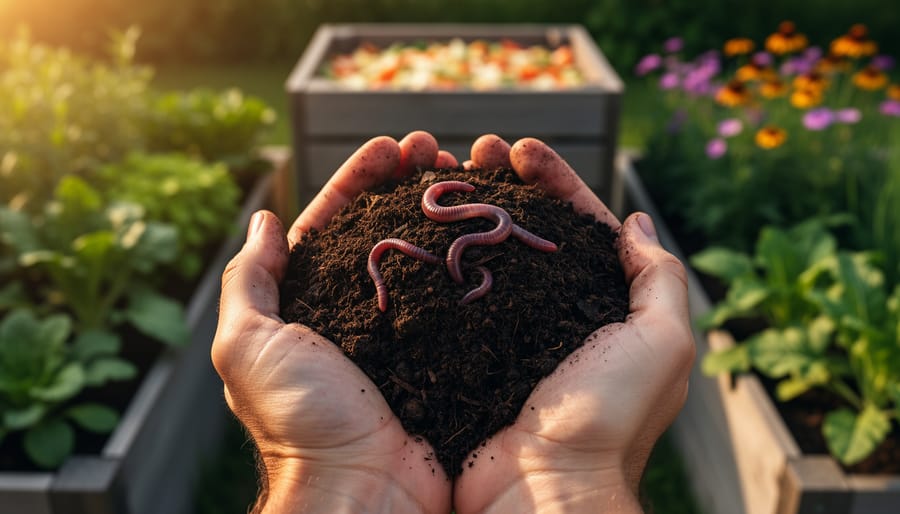
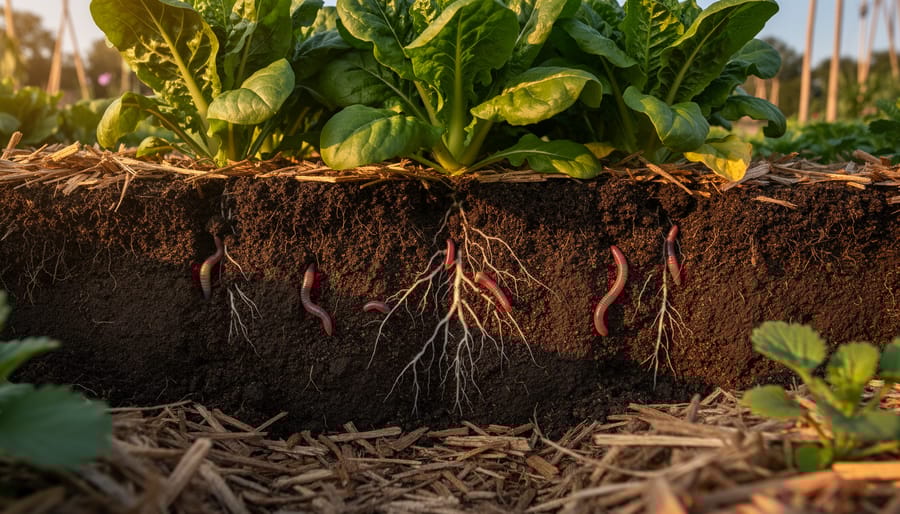
Think of intact soil as a thriving underground city that’s been developing for thousands of years. It has layers, architecture, and busy residents—billions of microorganisms, fungi, earthworms, and other creatures—all working together in an intricate web of relationships. The structure itself matters too: those small pockets and channels that allow air and water to flow, roots to explore, and organisms to move about freely.
When we talk about intact soil, we mean dirt that hasn’t been stripped, compacted, tilled repeatedly, or saturated with chemicals. It’s soil where the natural processes are still humming along—where fungi can form their thread-like networks, where earthworms can create their tunnels, and where organic matter gradually transforms into nutrients plants can use.
Disturbed or degraded soil, by contrast, is like a city after a disaster. The infrastructure is damaged, many residents have fled, and basic services barely function. This happens through construction, repeated tilling, heavy foot traffic, or chemical treatments that wipe out beneficial organisms. The soil becomes compacted, loses its ability to absorb water effectively, and can’t support the complex relationships that make plants thrive.
Here’s where native plants become your allies. These plants evolved alongside your local soil organisms over millennia, developing mutually beneficial partnerships. Native plant roots release specific compounds that feed particular microbes, which in turn help those plants access nutrients and water. When you grow natives, you’re essentially helping to rebuild or maintain that underground city, supporting the whole community of soil life that keeps everything functioning beautifully. It’s nature’s time-tested system for keeping soil healthy and productive.
Water Regulation: Your Garden’s Built-In Irrigation System

How Native Plants Support Water Management
Native plants are absolutely brilliant at managing water in your native garden, and it all starts underground. These plants have evolved deep, extensive root systems that create natural channels in the soil, acting like tiny plumbing networks that help water infiltrate rather than run off. As these roots grow and eventually decompose, they leave behind pathways that allow rainwater to soak deep into the ground.
What makes this even more exciting is how native plants team up with soil organisms. Their roots support beneficial fungi and bacteria that produce substances acting like natural glue, binding soil particles into stable aggregates. This improved structure creates more pore spaces, dramatically increasing your soil’s water-holding capacity.
Some fantastic examples include little bluestem grass, whose fibrous roots create an intricate network perfect for water absorption, and purple coneflower, with its deep taproot that breaks up compacted soil. Wild bergamot and black-eyed Susans also develop impressive root systems that enhance soil structure while providing beautiful blooms. By choosing these natives, you’re essentially installing a natural water management system that works year-round, reducing runoff and keeping your garden resilient during both heavy rains and dry spells.
Nutrient Cycling: Nature’s Fertilizer Factory

Native Plants as Nutrient Cycle Partners
Native plants and local soil organisms have spent thousands of years getting to know each other, and this long partnership creates a beautiful, self-sustaining system in your garden. When you choose plants native to your region, you’re tapping into established relationships that make gardening so much easier.
The star players in this partnership are mycorrhizal fungi, which form incredibly intricate networks connecting plant roots to soil nutrients. These tiny fungi act like an extension of the root system, reaching far beyond where roots alone can venture. In return for sugars from the plant, they deliver water and nutrients like phosphorus and nitrogen. Native plants have evolved alongside these fungi, so they’re perfectly matched partners. This means they can thrive without the constant fertilizing that non-native plants often require.
Supporting these natural nutrient cycles through organic gardening practices is wonderfully simple. Apply a layer of organic mulch around your plants to keep soil temperatures stable and moisture consistent, creating ideal conditions for beneficial microorganisms. Avoid tilling or excessive digging, which disrupts fungal networks and can take years to recover. Leave fallen leaves where they drop when possible, as they feed the soil food web naturally. By working with these evolved partnerships rather than against them, you’ll find your native plants practically take care of themselves.
Carbon Sequestration: Your Garden’s Climate Contribution
How Native Perennials Build Carbon-Rich Soil
Here’s something wonderful: native perennials are working hard beneath the surface, even when your garden looks quiet. While shallow-rooted annuals might reach down just a few inches, native prairie grasses and perennials like coneflowers and milkweed send roots six, ten, even fifteen feet deep into the soil.
These deep roots do something magical for carbon storage. As they grow and naturally die back each season, they deposit organic matter throughout the entire soil profile—not just at the surface. This carbon gets locked away in the deeper layers where it’s protected from decomposition, creating stable, long-term improvements to your soil structure.
The beauty of this system is that it’s essentially hands-off. You’re not tilling, not constantly amending, not disrupting the process. This is regenerative gardening at its finest—plants doing the heavy lifting while you enjoy the results.
Each year, these perennials return stronger, their root systems expanding and depositing more carbon. The soil becomes richer, more moisture-retentive, and better structured without you lifting a finger. It’s the ultimate low-maintenance approach that actually improves your garden over time rather than depleting it.
Habitat Provision: The Underground City Supporting Your Garden
Native Plants as Habitat Enhancers
Here’s a wonderful secret I learned from my neighbor, a retired botanist who gardens with native plants: those indigenous species aren’t just beautiful—they’re incredible soil community builders! Native plants have evolved alongside local soil organisms over thousands of years, creating partnerships that benefit your entire garden ecosystem.
Think of it this way: each native plant species releases unique root exudates (essentially, plant sugars and proteins) that feed specific beneficial bacteria and fungi. A diverse native plant palette means a diverse underground banquet, supporting everything from nitrogen-fixing bacteria to mycorrhizal fungi networks. These organisms break down organic matter differently throughout the seasons, keeping your soil biology active year-round rather than going dormant.
What really amazed me was learning about the ripple effect above ground. When you nurture healthy soil with native plants, you’re creating habitat for earthworms and ground beetles that aerate the earth. This improved soil structure helps retain moisture, which supports more robust plant growth. Those thriving native plants then provide better nectar sources and shelter for pollinators and beneficial insects like ladybugs and lacewings—nature’s pest control team!
It’s like starting a positive feedback loop: healthy soil grows stronger plants, which support more wildlife, which creates even healthier soil. Pretty incredible for just choosing the right plants!
Putting It All Together: Simple Steps for Supporting Soil Ecosystem Services
Ready to give your soil ecosystem the support it deserves? The good news is that protecting these vital services doesn’t require complicated techniques or expensive inputs. In fact, the most effective approaches are often the simplest, and they’ll save you time and money in the long run.
Start by choosing native plants suited to your region. These plants have evolved alongside your local soil organisms, creating natural partnerships that require minimal intervention. They’re already adapted to your climate and soil conditions, which means less watering, fertilizing, and fussing on your part.
Next, minimize soil disturbance whenever possible. Instead of tilling or turning soil beds, try layering organic materials on the surface. This approach, similar to how forest floors naturally accumulate leaves and organic matter, keeps soil structure intact and protects the underground ecosystem. Your soil organisms can continue their important work without disruption.
Speaking of organic matter, keep it coming! Add compost, leave grass clippings on your lawn, and use mulch around garden beds. These materials feed soil organisms while suppressing weeds and retaining moisture. It’s like setting up a buffet for beneficial bacteria and fungi that will return the favor by improving your soil structure and nutrient availability.
Consider reducing or eliminating synthetic chemical inputs. Pesticides and synthetic fertilizers can disrupt the delicate balance of soil life. As you implement these soil health strategies, you’ll likely find you need fewer interventions anyway. Healthy soil creates resilient plants that naturally resist pests and diseases.
The beauty of these practices is that they compound over time. Each season, your soil becomes more alive, more structured, and more capable of supporting your garden with less help from you. You’re not just growing plants—you’re cultivating an entire ecosystem that works in your favor.

When you step back and look at the bigger picture, it’s remarkable how everything connects. Healthy, intact soil supports beneficial microorganisms, which help plants thrive, which in turn create better soil and cleaner water. Native plants work hand-in-hand with these systems, requiring less from you while giving more to the environment around them. It’s a beautiful cycle that gardens have been designed to follow for millennia.
The wonderful news is that you don’t need to transform your entire garden overnight. Even small changes make a real difference. Adding a patch of native wildflowers, reducing chemical inputs, or simply letting fallen leaves decompose where they land—each step strengthens these ecosystem services.
As you work with intact soil and native plants rather than against them, you’ll likely notice something unexpected: your garden becomes easier to maintain. Less watering, less fertilizing, fewer pest problems. You’re not just building a healthier garden; you’re creating a resilient ecosystem that does much of the heavy lifting for you while supporting birds, pollinators, and clean water systems in your community. That’s the kind of gardening worth celebrating.