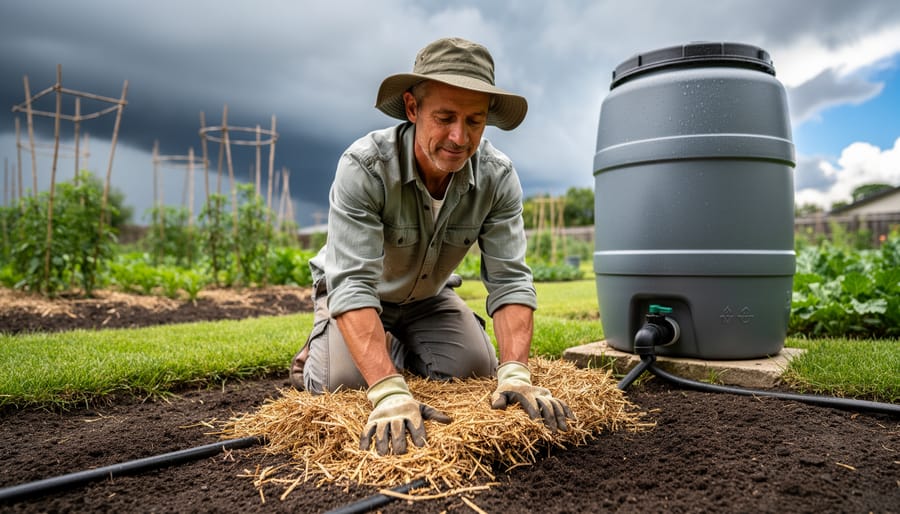
Soil salinization threatens gardens and farmland worldwide, transforming fertile ground into barren landscapes where plants struggle to survive. From California’s Central Valley, where decades of irrigation have left vast tracts of farmland too salty for crops, to Australia’s Murray-Darling Basin, where natural salt deposits rise to the surface, real-world examples of salt damage shape our understanding of this growing crisis. Yet these challenges have also sparked innovative solutions – from advanced drainage systems in the Netherlands’ coastal regions to salt-tolerant crop varieties in India’s arid zones. Through examining these diverse cases of soil salinization and their successful management strategies, gardeners and farmers can better protect their own soil’s health and productivity. Whether you’re dealing with coastal spray, winter road salt damage, or irrigation-induced buildup, understanding these practical examples offers a roadmap for preventing and reversing salt accumulation in your growing space.
Coastal Garden Salinization

Signs of Coastal Salt Damage
Coastal gardens often show telltale signs of salt damage that are easy to spot once you know what to look for. The most common indicator is leaf burn, where foliage develops brown, crispy edges and tips, especially after strong ocean winds. You might notice a white, crusty layer on the soil surface, particularly after water evaporates. Plants may appear stunted or show unusual growth patterns, with newer leaves emerging smaller than usual.
Many coastal gardeners first spot trouble when their plants develop a yellow or bronze tinge, starting from the leaf edges and working inward. This discoloration is typically accompanied by wilting, even when the soil feels moist. Some plants might drop their leaves prematurely or produce fewer flowers than expected. In severe cases, you’ll see entire branches dying back, starting from the tips.
Watch for these signs particularly after storms or during periods of strong seaside breezes, as salt spray can travel surprisingly far inland.
Recovery Solutions for Coastal Gardens
Coastal gardeners can effectively combat salt damage through several proven strategies. Start by creating windbreaks using salt-tolerant shrubs or installing physical barriers to reduce salt spray. Building raised beds with fresh soil helps protect plant roots from saline groundwater, while adding organic matter like compost or aged manure improves soil structure and reduces salt concentration.
Regular soil testing is essential to monitor salt levels. When readings are high, flush the soil thoroughly with fresh water during periods of light rain or early morning. Installing proper drainage systems helps prevent salt buildup, especially in areas prone to tidal flooding.
Choose salt-tolerant plants like lavender, rosemary, and native coastal species for areas most exposed to salt spray. Mulching with wood chips or straw helps retain moisture and prevents soil water evaporation, which can concentrate salts near the surface. Remember to rinse salt residue off plant foliage after strong coastal storms to prevent leaf burn and ensure healthy growth.
Winter De-icing Salt Problems
Identifying Salt Damage from De-icing
De-icing salt damage often shows up first along driveways, sidewalks, and roadside gardens. Look for telltale signs like browning or yellowing leaves, especially on the side facing the road. Plants may appear stunted or wilted, even with adequate water. You might notice a white crust forming on the soil surface or plant stems near affected areas.
To test your soil for salt damage, watch for slow water absorption or pooling that suggests soil compaction from salt buildup. Brown leaf edges, particularly on evergreens, are another reliable indicator. Early spring damage is most common, as melting snow carries accumulated salts into your garden soil.
Consider installing raised beds or creating buffer zones with salt-tolerant plants to protect sensitive areas. Good drainage and regular spring soil flushing with fresh water can help wash away harmful salts before they cause lasting damage to your garden.

Protecting Gardens from Winter Salt
Protecting your garden from winter salt damage starts with prevention. Create protective barriers using burlap or plastic sheeting along pathways and driveways where salt is commonly used. Consider switching to salt alternatives like sand, kitty litter, or eco-friendly ice melters to minimize soil exposure to harmful chemicals.
For gardens already affected by salt, spring remediation is crucial. Start by thoroughly flushing the soil with fresh water to leach out accumulated salts. Adding organic matter like compost or well-rotted manure helps improve soil structure and promotes better drainage. Gypsum applications can also help displace sodium ions and restore soil health.
Select salt-tolerant plants for areas prone to salt exposure. Ornamental grasses, day lilies, and certain varieties of juniper naturally withstand higher salt levels. Create raised beds or berms to elevate sensitive plants above salt-affected soil, ensuring proper drainage and protecting root systems.
Regular soil testing helps monitor salt levels and guides your remediation efforts, ensuring your garden stays healthy despite winter salt challenges.
Irrigation-Induced Salinization
Water Quality Assessment
Testing your irrigation water is crucial for preventing soil salinization before it becomes a problem. Start by collecting water samples from your irrigation source in clean containers. You can use home testing kits that measure electrical conductivity (EC) – the higher the reading, the more salts are present in your water. A reading above 0.75 dS/m suggests potential salt issues.
Look out for tell-tale signs of salt problems in your garden: white crusting on soil surfaces, leaf burn on plants, and stunted growth are common indicators. If you’re using well water or living in an area with hard water, regular testing becomes even more important.
For accurate results, consider sending water samples to a local agricultural extension office or professional lab. They can provide detailed analysis of specific salt types and recommend appropriate treatments. Remember to test seasonally, as salt concentrations can vary throughout the year, especially after heavy rains or during drought periods.
Keep detailed records of your water quality tests to track changes over time and adjust your irrigation practices accordingly.
Irrigation Management Solutions
Managing irrigation to prevent salt buildup doesn’t have to be complicated. The key lies in implementing proper irrigation practices that help flush excess salts from the root zone. Start by installing a reliable drainage system – this could be as simple as creating slightly sloped beds or adding drainage tiles for larger areas.
Water deeply but less frequently to encourage salt leaching. This means applying enough water to move beyond the root zone, carrying dissolved salts with it. A good rule of thumb is to provide about 20% more water than your plants typically need, allowing for this beneficial leaching effect.
Consider using drip irrigation or soaker hoses instead of overhead sprinklers. These methods deliver water directly to the soil, minimizing evaporation and preventing salt concentration at the surface. Additionally, watering early in the morning or late in the evening reduces water loss through evaporation, making your irrigation more efficient at managing salt levels.

Success Stories: Gardens Rescued from Salt Damage
Let me share some inspiring examples of gardens that bounced back from salt damage. In coastal Massachusetts, Sarah Thompson’s vegetable garden was devastated by storm surge flooding in 2019. Through dedicated effort to restore damaged soil, including extensive leaching and adding organic matter, her garden now produces abundant tomatoes and herbs.
The community garden in Halifax, Nova Scotia, faced severe winter salt damage from nearby road treatments. The gardeners collaborated to install better drainage systems and added gypsum to help flush out excess sodium. They also introduced salt-tolerant plants like seashore mallow and beach plum as buffer zones. Two growing seasons later, their plots are thriving with diverse vegetables and flowers.
In Arizona, the Martinez family transformed their salt-affected backyard after years of improper irrigation. They switched to drip irrigation, incorporated sulfur-rich compounds, and built raised beds with fresh soil. Their garden now features healthy citrus trees and native desert plants that would have struggled before.
These success stories share common elements: patience, proper soil amendments, and improved drainage systems. They prove that with the right approach and dedication, gardens can recover from even severe salt damage and become more resilient than before.
As we’ve explored throughout this article, soil salinization is a serious issue that affects gardens and agricultural lands worldwide. Whether you’re dealing with coastal spray, winter salt damage, or irrigation-related problems, the key is to recognize the early warning signs and take action promptly. Remember that prevention is always easier than cure – monitoring your soil regularly, using appropriate irrigation techniques, and maintaining good drainage can help keep salt problems at bay.
The good news is that there are multiple solutions available for every type of salt-related challenge. From selecting salt-tolerant plants to implementing proper drainage systems and using organic amendments, you have the power to protect your soil and plants. Don’t wait until you see visible damage – start implementing these preventive measures today.
By taking these steps, you’re not just protecting your garden; you’re contributing to sustainable land management practices that benefit the entire ecosystem. Your efforts in preventing and managing soil salinization make a real difference in maintaining healthy, productive soil for years to come. Start small, stay consistent, and watch your garden thrive in balanced, salt-managed soil.