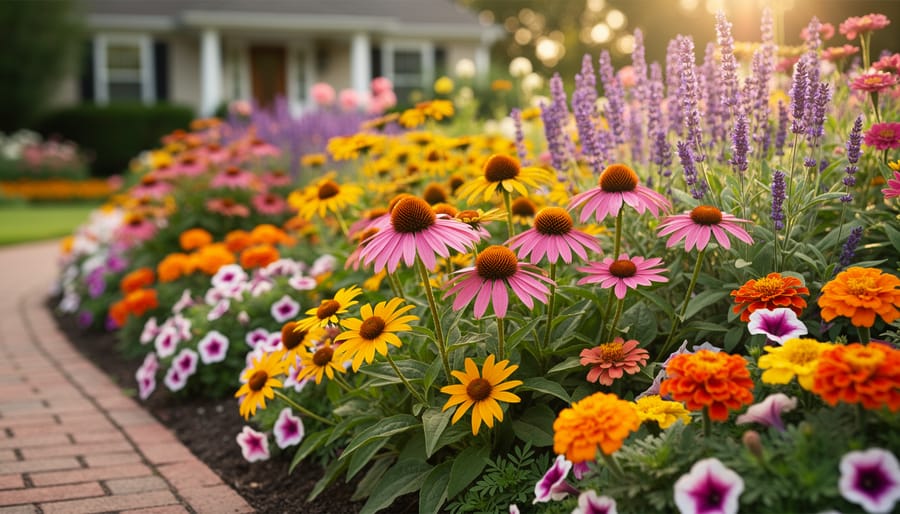
Plant fast-growing zinnias, marigolds, and celosia in early August for continuous blooms through the first frost. These reliable annuals establish quickly in warm soil and deliver vibrant color when many summer flowers begin fading. Choose container-grown transplants over seeds to accelerate the timeline and enjoy flowers within two to three weeks.
Tuck spring-blooming bulbs like tulips, daffodils, and crocuses into the ground during late summer while you’re already working in your beds. The soil remains workable and warm, making planting easier than waiting until October’s chill sets in. You’ll appreciate this forward-thinking approach when early spring arrives with minimal effort required.
Divide and transplant existing perennials such as daylilies, hostas, and black-eyed Susans before mid-September. The combination of warm soil and cooler air temperatures creates ideal conditions for root establishment without the stress of summer heat. These divisions will settle in beautifully and reward you with fuller displays next season.
Select ornamental kale, pansies, and mums specifically bred for fall performance to bridge the gap between summer’s end and winter’s arrival. These cold-tolerant performers actually intensify in color as temperatures drop, providing visual interest when most gardens fade to brown.
Late summer planting isn’t about salvaging a disappointing garden. It’s a strategic opportunity to layer in color, prepare for future seasons, and make the most of favorable growing conditions that many gardeners overlook. Your garden deserves this momentum.
Why Late Summer Planting Makes Sense
If you’ve always thought planting season ends when summer hits its peak, you’re in for a delightful surprise! Late summer is actually one of the smartest times to add new flowers to your garden, and I’m excited to share why this often-overlooked planting window deserves your attention.
First, let’s talk about comfort—yours and your plants’. Those scorching July temperatures have mellowed, making it far more pleasant to work outdoors. Your new plantings will appreciate the gentler conditions too. They’ll face less heat stress than spring-planted flowers, which means less babysitting on your part and better establishment rates overall.
Here’s where it gets really interesting: flowers planted in late summer have a secret advantage. While their above-ground growth may slow as fall approaches, their roots are busy establishing themselves in the still-warm soil. By the time winter arrives, they’ll have developed strong root systems that help them survive the cold months and emerge vigorous in spring. Think of it as giving your plants a head start while preparing your garden for winter.
Your water bill will thank you too. Late summer and fall typically bring more rainfall and cooler temperatures mean less evaporation, so you won’t be tethered to your hose like you would be with spring plantings during the heat of summer.
And let’s not forget the practical bonus: many nurseries offer fantastic sales in late summer as they clear inventory. You’ll often find healthy plants at reduced prices, stretching your gardening budget further.
Worried it’s cutting it too close to frost? Don’t be. Most perennials and many annuals need only a few weeks to settle in before cooler weather arrives.
Perennials That Thrive When Planted in Late Summer
Fall-Blooming Favorites
If you’re planting in late summer, you’ll be thrilled to know that some of the most beloved flowers that bloom into fall can still be tucked into your garden right now. These champions will reward you with beautiful blooms this season while quietly establishing strong root systems for even better performance next year.
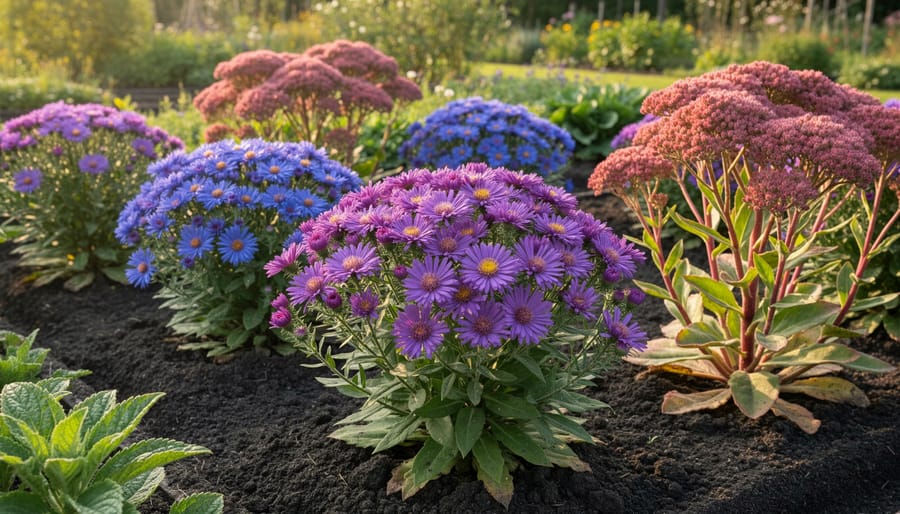
Asters are absolute stars of the fall garden, with their daisy-like flowers in shades of purple, pink, and white. I’ve found that varieties like ‘Purple Dome’ and ‘Wood’s Blue’ are particularly reliable. Plant them in full sun with well-draining soil, spacing them about 18 inches apart. They’ll bloom within weeks of planting and attract butterflies by the dozens.
Chrysanthemums, or mums as we affectionately call them, are synonymous with autumn color. While many gardeners treat them as annuals, planting them now gives them time to establish roots before winter. Choose garden mums rather than florist mums for better cold hardiness. ‘Clara Curtis’ and ‘Sheffield Pink’ are wonderful perennial varieties. Water them regularly after planting and add a layer of mulch once the ground freezes to protect those developing roots.
Sedum ‘Autumn Joy’ is a personal favorite that truly lives up to its name. These succulent perennials are incredibly low-maintenance and their flower heads transition from pale pink to deep rose to rusty bronze throughout fall. They’re drought-tolerant once established, making them perfect for busy gardeners.
Japanese anemones bring an elegant, graceful quality to late-season gardens with their delicate blooms on tall stems. ‘Honorine Jobert’ produces pristine white flowers, while ‘September Charm’ offers soft pink blossoms. They prefer partial shade and consistently moist soil. Plant them now and they’ll bloom this fall, then spread gradually to create stunning drifts in future years.
All these plants benefit from regular watering during their first few weeks and a light application of compost around their base.
Spring-Blooming Investments
Here’s something exciting that might surprise you: some of your most beloved spring flowers actually prefer to be planted in late summer. I learned this from my friend Margaret, a seasoned gardener who swears by August plantings for perennials like coneflowers, black-eyed Susans, and coral bells. Her garden explodes with color each spring while neighbors wonder how she gets such robust blooms.
The secret lies in timing. When you plant these perennials in late summer, they’re entering their natural establishment phase. Unlike spring planting, where plants immediately face the stress of summer heat, late summer gives them a gentler introduction to your garden. They spend fall developing strong root systems without the pressure of producing flowers.
Coneflowers (Echinacea) are particularly grateful for this head start. Plant them now, and they’ll quietly work underground through autumn, creating an extensive root network. Come next spring, you’ll have mature-looking plants covered in blooms instead of struggling first-year specimens.
Black-eyed Susans follow the same principle. These cheerful yellow flowers practically plant themselves once established, but that first season determines their long-term success. Late summer planting means they’re ready to burst into bloom the following year, rather than spending spring just getting settled.
Coral bells offer something extra special: gorgeous foliage through winter in many climates. Plant them now, and you’ll enjoy their colorful leaves during the cold months before their delicate spring flowers arrive.
The cooler temperatures and typically reliable rainfall of fall create ideal conditions for root development. Your plants establish themselves while demand is low, then they’re ready to perform when spring arrives. Think of it as giving them a running start in a race they’ll definitely win.
Groundcovers and Fillers
Late summer is the perfect time to establish groundcovers that will work hard for you through fall and beyond. These low-growing beauties fill bare spots beautifully while protecting your soil from erosion during winter rains.
Creeping phlox creates stunning carpets of color and establishes quickly when planted now. Though it blooms primarily in spring, getting it in the ground during late summer gives the roots time to settle in before cold weather arrives. Ajuga, also called bugleweed, is nearly indestructible and thrives in shady spots where other plants struggle. Its purple-blue flower spikes emerge in spring, but the attractive bronze or variegated foliage provides year-round interest.
Lamium, or dead nettle, deserves more attention than it gets. This shade-loving spreader features silvery leaves that brighten dim corners, and many varieties bloom sporadically from spring through fall. Plant it now, and you might enjoy some late-season flowers while it establishes.
Here’s a tip I learned from a local gardener: water your new groundcovers deeply twice weekly for the first month. This encourages roots to grow downward rather than staying shallow, making your plants more drought-tolerant next season. These workhorses will reward your late-summer effort with years of low-maintenance coverage.
Quick-Growing Annuals for Immediate Color
If you’re looking for immediate gratification in your late summer garden, fast-growing annuals are your best friends. These reliable performers will zoom from transplant to full bloom in just a few weeks, giving you gorgeous color that lasts right up until the first hard frost.
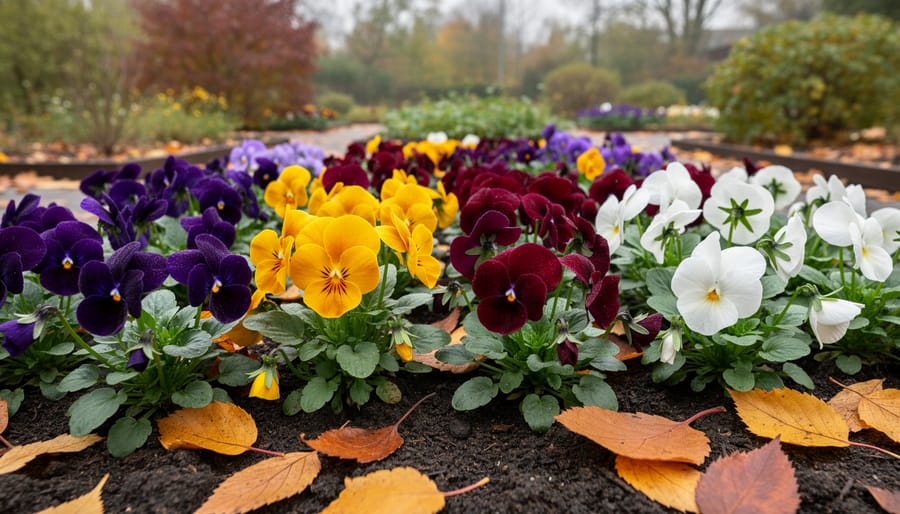
Let’s start with pansies and violas, which are absolute champions for late summer planting. While many gardeners think of these as spring flowers, they actually prefer the cooler temperatures of fall and will reward you with cheerful faces well into November, sometimes even December in milder climates. Pansies offer those classic large blooms we all love, while violas produce smaller but more abundant flowers. I’ve found that violas are slightly tougher when temperatures fluctuate, but both are excellent choices. Plant them about six to eight inches apart, and they’ll fill in beautifully within a couple of weeks.
Ornamental kale and cabbage deserve more appreciation than they get. These aren’t your grandmother’s vegetables—they’re stunning foliage plants with leaves in shades of purple, pink, white, and green that actually intensify in color as the weather cools. The best part? They can handle temperatures down to 20 degrees Fahrenheit, making them one of the most cold-tolerant options available. Plant them in groups for maximum visual impact.
Snapdragons are another fantastic choice that thrives in the transition from summer to fall. The cooler weather actually improves their performance after they’ve struggled through summer heat. Choose from tall varieties for the back of borders or compact types for containers. They’ll bloom continuously until a hard freeze, and deadheading spent flowers encourages even more blooms.
When planting any of these quick growers, remember to water consistently during their establishment period and add a light application of fertilizer to support their rapid growth.
Bulbs to Plant Now for Spring Glory
While you’re enjoying those late summer blooms, it’s also the perfect moment to think ahead and plan for a spectacular spring display. I know it might seem odd to be planning for spring when you’re still in shorts and sandals, but trust me on this one – your future self will thank you!
Late summer through early fall is actually the ideal window for planting spring-flowering bulbs. The soil is still warm enough for roots to establish, but the cooler air temperatures prevent the bulbs from sprouting prematurely. Think of it as tucking them in for a long winter’s nap before they wake up to put on their spring show.
Daffodils, tulips, crocuses, hyacinths, and alliums are all excellent candidates for planting now. I spoke with master gardener Ellen Richardson, who shared this simple advice: “Plant your bulbs when you can still comfortably work the soil – usually between late August and October, depending on your climate zone. A good rule of thumb is to get them in the ground about six weeks before your first hard frost.”
The planting process couldn’t be easier. Dig a hole about three times as deep as the bulb’s height – so a two-inch bulb goes into a six-inch hole. Place the bulb pointy-side up (that’s where the shoot will emerge), cover with soil, and give it a good watering. Space bulbs a few inches apart, or create a more natural look by gently tossing a handful and planting them where they land.
For best results, add a bit of compost to the planting hole and consider adding bulb fertilizer. Then simply wait for spring’s magic to unfold!
Setting Your Late Summer Flowers Up for Success
Soil Preparation Tips
Late summer soil often needs a little TLC after enduring weeks of heat and supporting earlier plantings. The good news? Refreshing your beds now sets you up for gorgeous fall blooms.
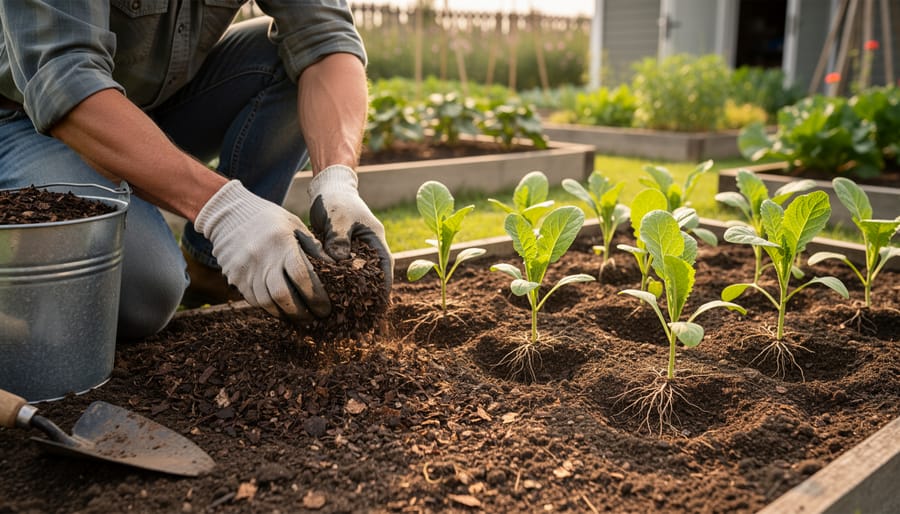
Start by gently loosening compacted soil with a garden fork, working to about 6-8 inches deep. Summer heat and foot traffic can create a hard crust that prevents water and air from reaching plant roots. I like to water the bed lightly the day before if the soil is extremely dry—it makes the job much easier on your back!
Next, enrich your beds with 2-3 inches of compost or well-aged manure. Late summer soil has been feeding plants all season and needs nutritional replenishment. Work this organic matter into the top layer to create healthy garden soil that drains well while retaining moisture.
Consider adding a balanced organic fertilizer following package directions. Your late-blooming flowers will appreciate the nutrient boost as they establish roots and prepare to flower.
Finally, clear away any weeds and debris before planting. This prevents competition and helps you spot any pest issues. With these simple steps, your garden beds will be ready to support a stunning display of late summer and fall color.
Watering and Mulching Strategies
Late summer plantings face unique challenges, but with the right watering strategy, your flowers will thrive even as the seasons shift. During the first two to three weeks after planting, water deeply every other day to help roots establish. Think of it as giving your new plants a strong foundation before cooler weather arrives.
Here’s something I learned from veteran gardener Margaret Chen during a recent conversation: “People often underwater in late summer because they assume the heat is ending soon, but new plants still need consistent moisture to settle in.” She’s absolutely right. Check soil moisture by sticking your finger two inches down. If it feels dry, it’s time to water.
As temperatures begin to fluctuate between warm days and cooler nights, mulch becomes your best friend. Apply a two to three inch layer of organic mulch around your plantings, keeping it about an inch away from stems to prevent rot. This protective blanket does double duty by retaining moisture during warm spells and insulating roots as nights grow chilly.
Choose materials like shredded bark, compost, or leaf mold that break down gradually, enriching your soil over time. Morning watering works best, giving foliage time to dry before evening and reducing disease risks.
By September, you can typically reduce watering frequency as temperatures drop and rainfall often increases. However, don’t abandon your watering can entirely. Those gorgeous mums and asters still appreciate consistent moisture to keep producing those vibrant blooms well into fall.
What a Seasoned Gardener Has to Say
I had the pleasure of chatting with Margaret Chen, a master gardener with over thirty years of experience tending her sprawling suburban garden. When I asked about her approach to late summer planting, her eyes lit up immediately.
“People always think the gardening season ends in July, but that’s when I’m just getting started with my second wave,” Margaret shared with a warm smile. “Late summer is actually my secret weapon for a garden that looks intentional and well-loved through autumn.”
Her go-to strategy? Planting a mix of quick bloomers and strategic perennials. “I always keep a few trays of pansies and ornamental kale ready to go. They handle the temperature swings beautifully and give you that instant gratification,” she explained. “But I also use this time to get perennials like asters and sedums into the ground. They’ll settle in before winter and reward you with spectacular shows for years to come.”
Margaret’s biggest tip for nervous gardeners? Don’t overthink it. “I see so many people hesitate because they worry they’ve missed their window. The truth is, if you’ve got six weeks before your first frost, you’ve got time. Just water consistently during those first two weeks while the roots establish.”
She also emphasized the importance of soil preparation, even in late summer. “I always work in fresh compost before planting. It helps retain moisture during those hot August days and gives your plants the energy they need to establish quickly.”
Her final piece of advice resonated deeply: “Every season has its magic. Late summer planting teaches you to work with nature’s rhythms rather than against them. Give it a try, and I promise you’ll be hooked.”
Late summer isn’t the end of your gardening journey—it’s actually one of the most rewarding times to get your hands dirty. By planting now, you’re not just filling gaps in your garden; you’re setting yourself up for continuous beauty through fall and even into next spring. Think of it as a strategic move that experienced gardeners have been using for years to keep their landscapes vibrant when many others are winding down.
The flowers we’ve explored offer you flexibility whether you want instant gratification with quick-blooming annuals, lasting perennials that will return year after year, or spring bulbs that let you plan ahead. Each option brings its own rewards, and the cooler temperatures and typically consistent rainfall actually make this an easier time to establish new plants than the intense heat of June and July.
Remember, extending your blooming season doesn’t require expert skills or a massive time commitment. Even dedicating a weekend afternoon to planting a few mums, asters, or pansies can transform your outdoor space and give you something beautiful to enjoy as the seasons shift.
So grab your trowel and embrace this opportunity. Your garden—and your neighbors—will thank you for those pops of color when everything else is fading. Late summer planting isn’t settling for second best; it’s gardening smart.