Discover your perfect growing environment by mastering America’s plant climate zones – the essential first step to garden zone success. From the frosty reaches of Zone 1 in Alaska to the tropical warmth of Zone 13 in Hawaii, these distinct regions shape every aspect of your gardening journey. Understanding your zone unlocks the secret to selecting plants that will thrive in your specific climate, saving you time, money, and the heartache of failed harvests. Recent climate shifts have redrawn traditional growing boundaries, making it more crucial than ever to stay informed about your local conditions. Whether you’re planning a vibrant flower garden, a productive vegetable patch, or a sustainable landscape, your climate zone serves as the foundation for all your growing decisions. Let’s explore how to harness this knowledge to create a flourishing garden that works in harmony with your local climate.
Understanding USDA Plant Hardiness Zones
How Climate Zones Are Measured
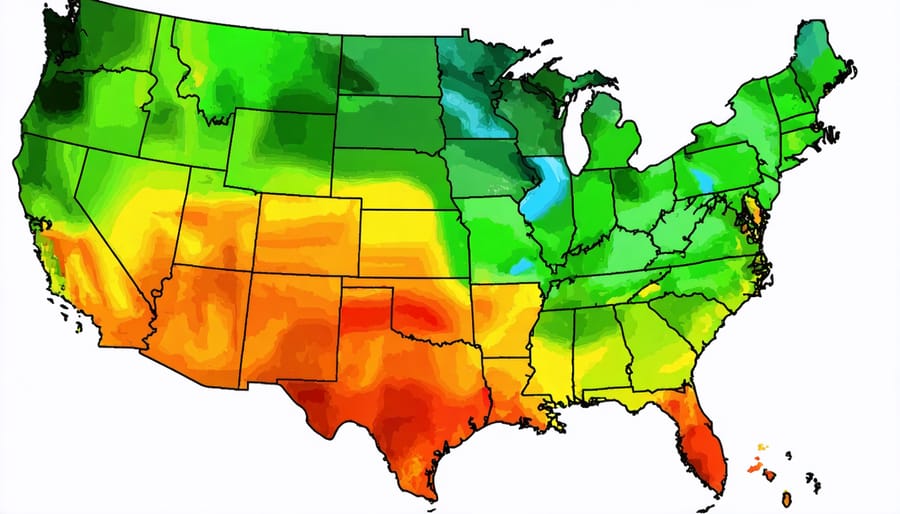
Climate zones in the USA are primarily measured by tracking the average minimum winter temperatures in each region. The United States Department of Agriculture (USDA) calculates these zones using data collected over 30 years, ensuring reliable, long-term temperature patterns. Each zone represents a 10-degree Fahrenheit difference in the average annual minimum temperature.
The USDA map divides the country into 13 distinct zones, ranging from Zone 1 (coldest, with minimum temperatures below -50°F) to Zone 13 (warmest, with minimum temperatures above 60°F). Many zones are further split into “a” and “b” subcategories, separated by 5-degree increments, to provide even more precise growing guidance.
To determine your specific zone, weather stations across the country record daily temperature readings throughout the year. These readings are averaged to create the familiar colored map we use today. Modern technology, including satellite data and sophisticated weather monitoring systems, has made these measurements increasingly accurate, helping gardeners make more informed decisions about what to plant and when.
Recent Changes in Zone Maps
Over the past few decades, gardeners have noticed significant shifts in plant hardiness zones across the United States. Many zones have moved northward by about half a zone, reflecting our warming climate. For example, areas that were once solidly in Zone 5 may now experience Zone 6 conditions, opening up new possibilities for growing less cold-hardy plants.
These changes mean that spring arrives earlier in many regions, and fall frosts come later. While this might seem like good news for gardeners wanting to experiment with warm-weather plants, it also brings challenges. Unstable weather patterns can cause unexpected freezes, and some plants that traditionally thrived in certain areas may now struggle with longer, hotter summers.
Gardeners are adapting by choosing more resilient plant varieties and paying closer attention to microclimate conditions in their yards. It’s becoming increasingly important to consider both current zone designations and future climate projections when planning long-term gardens, especially when investing in trees and perennials that will be around for many years to come.
Finding Your Climate Zone
Using Online Zone Finders
Finding your plant hardiness zone has never been easier, thanks to several user-friendly online tools. The USDA’s official interactive map is the most reliable resource, allowing you to simply enter your ZIP code to instantly discover your zone. For more detailed information, the National Gardening Association offers a comprehensive zone finder that includes helpful growing tips specific to your region.
Many popular gardening websites and plant retailers have integrated zone finders into their platforms. Websites like Dave’s Garden and Garden.org provide additional features such as frost dates and growing calendars alongside zone information. Mobile apps have also emerged as convenient tools for zone identification, with many offering offline access and location-based services.
Remember to check multiple sources when determining your zone, as micro-climates within your property can create slightly different growing conditions. Some online tools even allow you to save your zone information and receive customized planting recommendations throughout the growing season. These digital resources have transformed what was once a complex process into an accessible task for gardeners of all experience levels.
Understanding Microclimate Effects
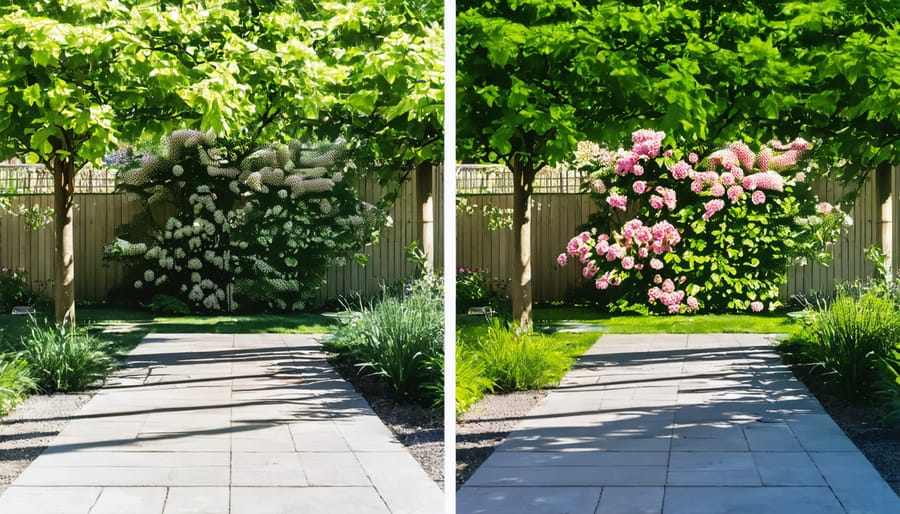
While USDA hardiness zones provide a general guide for plant selection, your garden’s unique microclimate can create growing conditions quite different from the broader regional climate. Factors like buildings, walls, and paved surfaces can trap heat, creating warm pockets perfect for plants that typically thrive in warmer zones. Similarly, slopes, valleys, and dense tree cover can create cool spots where cold-hardy plants flourish.
Urban gardens often benefit from the “heat island effect,” where city temperatures run several degrees warmer than surrounding rural areas. This can effectively bump your growing zone up by half a zone or more. On the flip side, low-lying areas in your yard might form frost pockets, creating challenging conditions for tender plants.
Consider elements like wind exposure, sun patterns, and soil composition when planning your garden. A south-facing wall can create a Mediterranean-like microclimate, while a shaded northern exposure might better suit woodland plants. Understanding these microclimate variations allows you to expand your planting options and create diverse garden spaces that might otherwise seem impossible in your zone.
Selecting Climate-Resilient Plants
Native Plant Advantages
Choosing native plants for your climate zone isn’t just a trend – it’s a smart gardening strategy that brings multiple benefits to your garden and local ecosystem. Native plants have evolved over thousands of years to thrive in your specific region’s conditions, making them naturally adapted to local weather patterns, soil types, and seasonal changes.
These hardy plants typically require less maintenance once established, as they’re already accustomed to your area’s rainfall patterns and temperature fluctuations. This means you’ll spend less time watering and nurturing them, and more time enjoying their beauty. They’re also more resistant to local pests and diseases, reducing the need for chemical treatments or interventions.
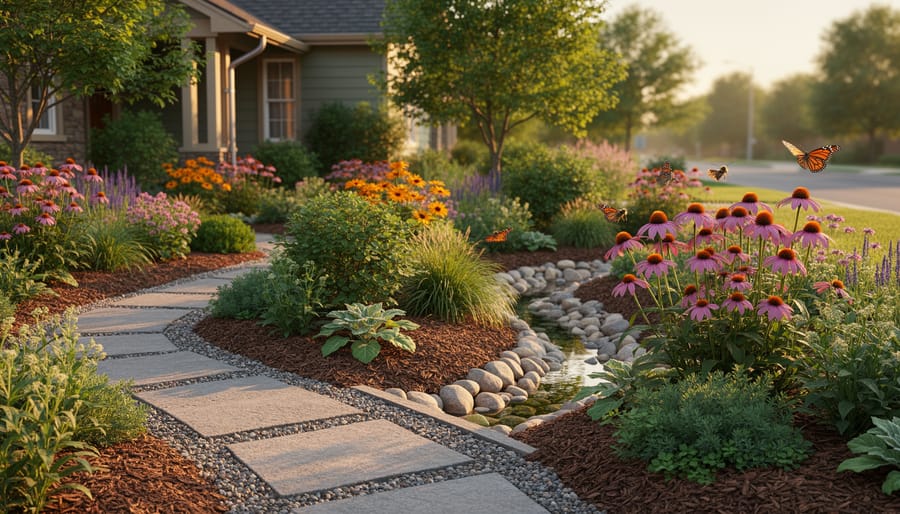
Native plants play a crucial role in supporting local wildlife, providing essential food and shelter for pollinators, birds, and beneficial insects. A garden filled with native species creates a vibrant ecosystem that helps maintain biodiversity in your community.
Another significant advantage is their root systems, which are often deeper and more extensive than non-native plants. This makes them excellent at preventing soil erosion, improving water filtration, and increasing your garden’s resilience during extreme weather events.
By selecting native plants, you’re not just creating a beautiful garden – you’re contributing to local conservation efforts while enjoying a landscape that naturally belongs in your region. Plus, these plants often have fascinating historical and cultural connections to your area, adding another layer of meaning to your garden.
Adaptive Varieties
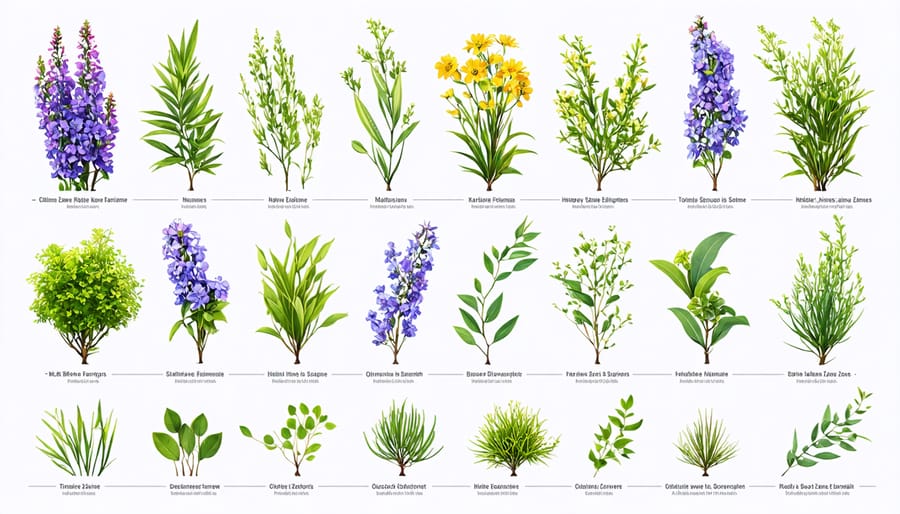
As gardeners adapt to changing climate patterns, plant breeders have developed remarkable climate-resilient plants that thrive across multiple USDA zones. These adaptive varieties are true garden champions, offering flexibility and reliability even when conditions aren’t ideal.
Take the ‘Arctic Beauty’ kiwi, for instance, which can survive temperatures as low as -25°F while producing delicious fruits. Or consider the ‘Heat Wave’ tomatoes, specifically bred to set fruit even during intense summer heat waves. These innovative varieties give gardeners more options than ever before.
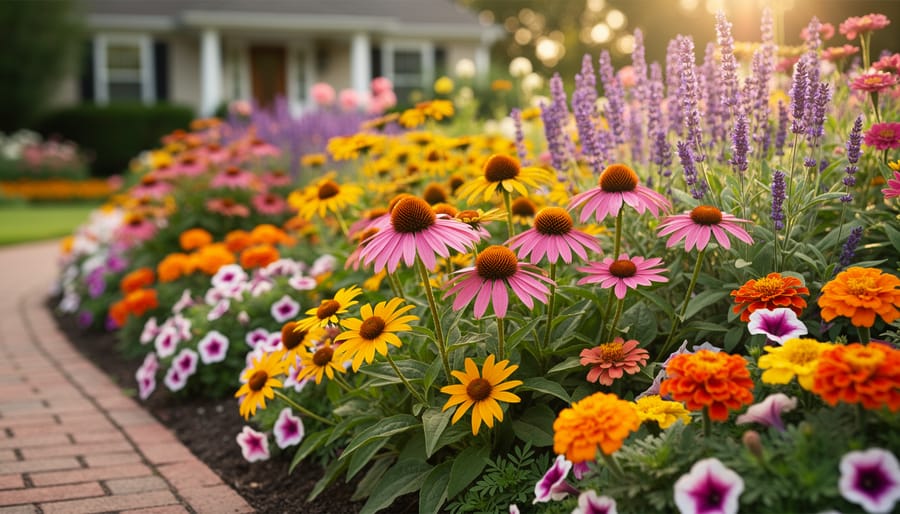
Native plant cultivars have also received special attention from breeders. Enhanced versions of coneflowers, black-eyed susans, and salvias maintain their natural hardiness while featuring improved blooming periods and disease resistance. This means you can enjoy both the ecological benefits of native plants and extended garden beauty.
Many of these adaptive varieties excel in multiple climate zones, making them perfect for regions experiencing variable weather patterns. Look for terms like “wide-range adaptable” or “zone-flexible” when selecting plants. Some standout examples include:
– ‘Dragon’s Breath’ celosia (zones 2-11)
– ‘Sweet Summer’ lavender (zones 4-9)
– ‘Weather Proof’ series of roses (zones 5-9)
– ‘Forever’ series of hydrangeas (zones 4-8)
Remember that even adaptive varieties need proper care during their establishment period to develop strong root systems and achieve their full resilience potential.
Success Strategies Across Zones
Season Extension Techniques
Don’t let your growing zone limit your gardening ambitions! With the right season extension techniques, you can successfully grow plants that typically thrive in warmer zones. Start with cold frames, which are like mini-greenhouses that protect plants from frost while allowing sunlight to warm the soil. These simple structures can extend your growing season by several weeks on both ends.
Row covers and floating row tunnels offer another flexible solution. These lightweight fabric covers create a protective microclimate around your plants, raising temperatures by 2-4 degrees Fahrenheit. They’re perfect for protecting tender seedlings or extending the harvest of warm-season crops.
For more permanent solutions, consider installing a greenhouse or high tunnel. While these require more investment, they can create environments up to two zones warmer than your outdoor space. If you’re gardening in a challenging climate, check out our dry climate gardening tips for additional strategies.
Don’t forget about microclimates in your yard! South-facing walls, raised beds, and heat-absorbing rocks can create pockets of warmth that support less hardy plants. Even container gardening can help, as you can move plants to protected areas during extreme weather. With these techniques, you can push the boundaries of your growing zone and enjoy a more diverse garden throughout the year.
Protection Methods
Protecting your plants from extreme weather is crucial for successful gardening across different climate zones. While each zone presents unique challenges, several effective winter protection methods and year-round strategies can help your garden thrive.
For cold-weather protection, consider using row covers or frost blankets when temperatures drop. These lightweight materials allow light and water to reach your plants while protecting them from frost damage. Cold frames and mini-greenhouses are excellent investments for extending your growing season and sheltering tender plants.
During hot summers, shade cloth can prevent leaf burn and reduce water loss. Installing it above vulnerable plants provides filtered sunlight while maintaining adequate airflow. Mulching is another versatile protection method that works year-round – it insulates roots from both cold and heat while retaining moisture.
Wind barriers, such as natural hedges or artificial screens, help shield delicate plants from strong gusts and drying effects. In particularly challenging zones, container gardening offers the flexibility to move plants to protected areas as needed.
Remember to group plants with similar protection needs together, making it easier to provide targeted care. By implementing these protection strategies, you can create micro-climates that help your plants flourish despite challenging weather conditions in your zone.
Understanding and utilizing USDA plant hardiness zones is fundamental to successful gardening in the United States. These climate zones serve as your roadmap to selecting plants that will not just survive but thrive in your specific region. By taking the time to identify your zone and understand its characteristics, you’ve already taken a significant step toward creating a flourishing garden.
Remember that while these zones are excellent guidelines, they’re just one part of the gardening puzzle. Local microclimates, soil conditions, and changing weather patterns all play important roles in your garden’s success. Consider these zones as your starting point, then build upon this knowledge by observing your specific garden conditions and adapting accordingly.
As you plan your garden, use this zone information alongside other valuable resources like local extension offices, experienced gardeners in your area, and reliable gardening guides. Start with plants rated for your zone, but don’t be afraid to experiment with varieties that are suited to adjacent zones, especially in protected areas of your garden.
The joy of gardening comes from both following tried-and-true practices and discovering what works best in your unique space. Whether you’re growing vegetables for your family, creating a pollinator paradise, or designing a low-maintenance landscape, your climate zone knowledge will help ensure your gardening success. Happy planting!