Picture tiny invisible messengers floating through your garden, silently disrupting pest breeding cycles without harming a single beneficial insect. That’s the power of pheromones in pest control, and it’s revolutionizing how home gardeners protect their plants.
Pheromones are nature’s own communication chemicals that insects use to find mates, and scientists have discovered how to turn this dating system against crop-damaging pests. By flooding your garden with synthetic versions of these scent signals, you confuse male insects so completely that they can’t locate females to reproduce. The result? Pest populations crash naturally, without toxic sprays or environmental damage.
This technique, called mating disruption, works remarkably well for common garden troublemakers like codling moths, oriental fruit moths, and tomato pinworms. Small dispensers placed throughout your garden release pheromones continuously for weeks or months, creating an invisible shield around your vegetables and fruit trees. Unlike traditional pesticides that kill everything in sight, pheromone traps specifically target problem species while leaving pollinators, beneficial predators, and your family completely safe.
What makes pheromones particularly appealing is their precision and simplicity. You don’t need special equipment, protective gear, or extensive knowledge to use them effectively. They represent one of the most promising earth-friendly pest control methods available to home gardeners today, combining cutting-edge science with practical, sustainable garden management.
What Are Pheromones and Why Do Pests Care?
Think of pheromones as the insect world’s personal messaging system. These are chemical signals that bugs release to communicate with each other, kind of like invisible text messages floating through your garden. Just as you might catch a whiff of fresh bread from a bakery and follow your nose, insects detect these chemical signals and respond to them in very specific ways.
For pests in your garden, mating pheromones are the most important ones to understand. When a female moth is ready to mate, she releases a unique chemical scent into the air. Males of her species can detect this scent from impressive distances, sometimes up to a mile away. It’s like she’s sending out a dinner invitation, and only the males with the right “decoder” can read it. This species-specific nature is actually what makes pheromones so brilliant for pest control.
Here’s where it gets interesting for gardeners. Scientists have learned to synthesize these same chemical messages in laboratories. When we use these synthetic pheromones in the garden, we’re essentially hijacking the insects’ communication system. Imagine trying to have a conversation at a party where dozens of identical voices are all saying the same thing. Confusing, right? That’s exactly what happens to male insects when we introduce synthetic pheromones into the environment.
The beauty of this approach is its precision. Unlike broad-spectrum pesticides that affect anything and everything, pheromones only target the specific pest you’re dealing with. Your beneficial insects, pollinators, and other garden helpers go about their business completely undisturbed, making this one of the most environmentally friendly pest management tools available.
The Clever Trick Behind Mating Disruption
Think of mating disruption as the ultimate game of hide-and-seek, where male insects simply can’t find what they’re looking for. It’s one of nature’s most elegant pest control solutions, and here’s the clever part: it uses the pests’ own biology against them.
Female moths and many other insects release specific pheromones when they’re ready to mate. These chemical signals are like a personalized perfume that male insects can detect from remarkable distances, sometimes over a mile away. Males follow this scent trail through your garden until they locate a receptive female, mate, and the cycle continues with a new generation of leaf-munchers.
Here’s where we outsmart them. With mating disruption, gardeners deploy synthetic versions of these female pheromones throughout the garden. Instead of one female releasing a small amount of pheromone, suddenly there are hundreds or thousands of pheromone sources everywhere. Imagine trying to find one specific person in a crowd where everyone is wearing the exact same perfume. Impossible, right?
Male insects become completely confused. They fly around detecting pheromones from all directions but can’t pinpoint any actual females. Some scientists call this “camouflage by saturation.” The males exhaust themselves searching, and eventually, most females go unmated. No mating means no eggs, which means no caterpillars munching your tomatoes next season.
What makes this approach truly special for home gardeners is its precision. These pheromones are species-specific, meaning the synthetic pheromone for codling moth only affects codling moths. Your beneficial ladybugs, lacewings, bees, and other helpful insects go about their business completely undisturbed. There are no broad-spectrum chemicals involved, no collateral damage to the good guys.
The best part? Breaking the reproductive cycle means you’re preventing the next generation of pests rather than just killing the current one. It’s proactive rather than reactive, and that’s exactly the kind of thinking that builds a healthier, more balanced garden ecosystem over time.
Garden Pests You Can Control With Pheromones
Codling Moths in Your Fruit Trees
If you grow apples or pears, you’ve likely encountered the frustrating work of codling moths. These sneaky pests burrow into developing fruit, leaving behind those telltale brown tunnels and ruined harvests. The good news? Pheromone mating disruption offers an effective, chemical-free solution.
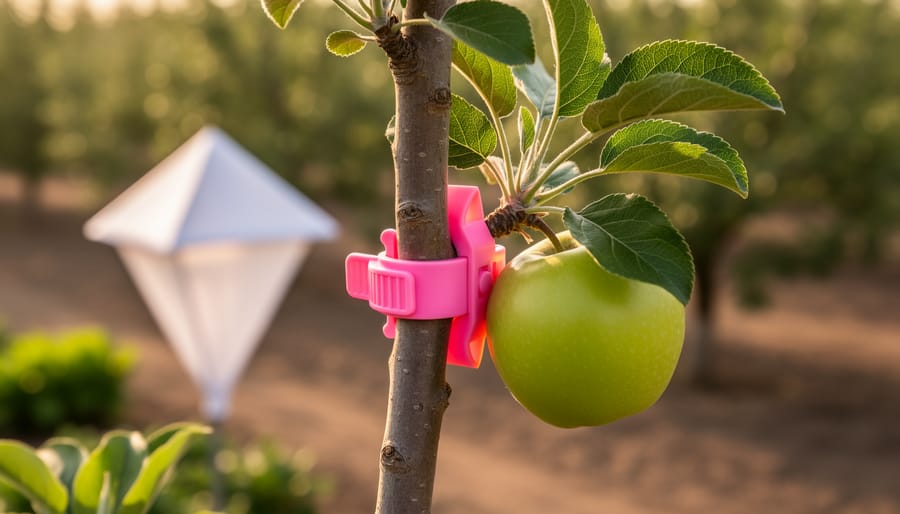
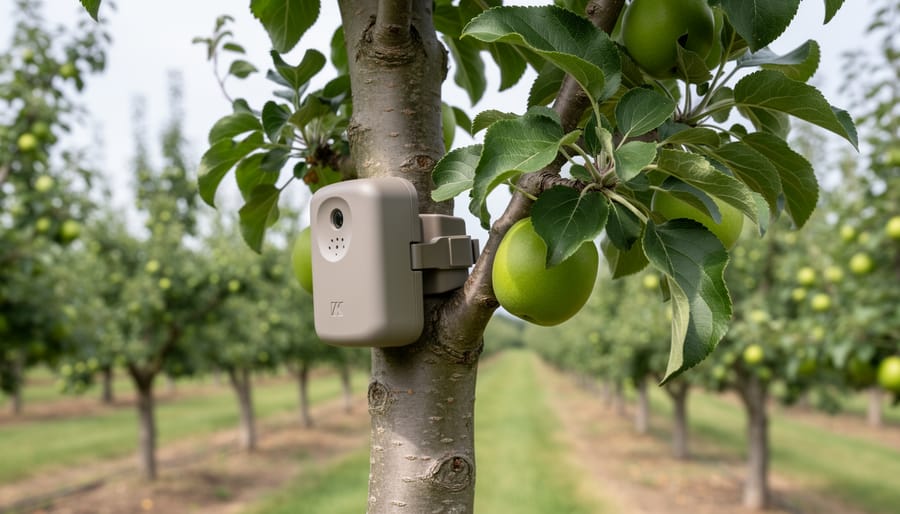
Here’s how it works in your orchard: You hang small dispensers throughout your trees that release synthetic female codling moth pheromones. Male moths become completely confused by the overwhelming scent signals everywhere, unable to locate actual females for mating. No mating means no next generation of fruit-destroying larvae.
For best results, hang dispensers in early spring before the moths emerge, typically around bloom time. Place them in the upper third of your trees, spacing them about 2-3 per average-sized tree. The key is covering your entire growing area since moths can travel between trees.
I spoke with orchard manager Susan Chen, who shared that her small apple orchard saw a 90% reduction in wormy fruit after switching to pheromone disruption. “It takes patience that first year,” she noted, “but by season two, the difference was remarkable.”
This method works wonderfully for home orchards with at least 5-6 trees, giving you clean, beautiful fruit without harsh sprays.
Tomato Pests and Other Vegetable Garden Intruders
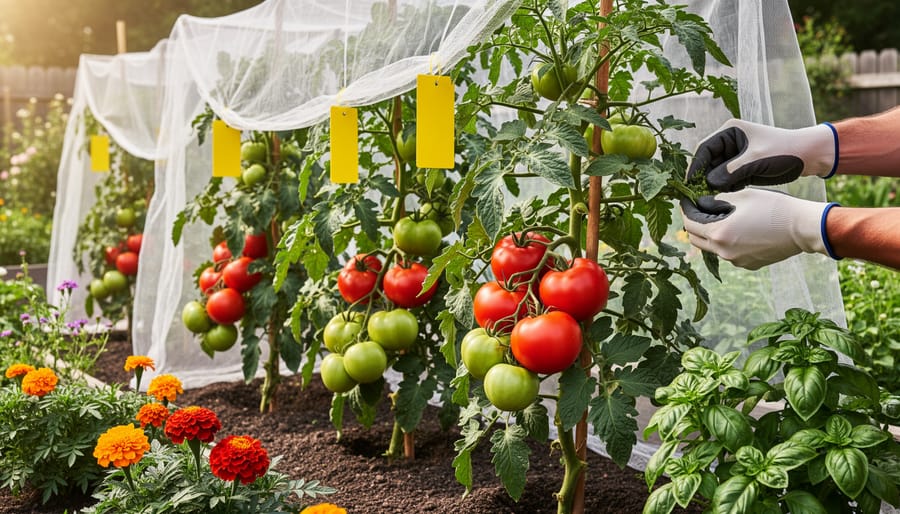
If you’ve ever discovered a fat, green tomato hornworm munching through your prized tomato plants, you know the frustration vegetable garden pests can cause. The good news? Pheromone traps offer an effective, targeted approach to natural pest control for many common vegetable garden intruders.
Tomato hornworms and their adult form, hawk moths, respond well to pheromone management. By using mating disruption techniques, you can significantly reduce next season’s population before the damage begins. Similarly, cutworms, those sneaky nighttime feeders that topple young seedlings, can be monitored and controlled with species-specific pheromone traps.
Cabbage loopers, which target not just cabbage but also broccoli, cauliflower, and lettuce, are another excellent candidate for pheromone control. These traps help you time your interventions perfectly, catching problems before they escalate.
What makes pheromone products particularly valuable in vegetable gardens is their precision. Unlike broad-spectrum solutions, they target specific pests without harming beneficial insects like ladybugs, lacewings, and pollinators that keep your garden ecosystem thriving. This selective approach means healthier plants and safer produce for your family to enjoy.
Other Common Garden Troublemakers
Your garden might also face challenges from several other sneaky pests that respond beautifully to pheromone traps. Oriental fruit moths, for instance, are notorious for tunneling into peaches, apples, and other stone fruits, leaving behind damaged fruit that’s heartbreaking to discover after months of careful tending. These moths are particularly active in warmer regions and can produce multiple generations each season.
Leafrollers are another common troublemaker, named for their habit of rolling leaves around themselves for protection while they munch away. They target a wide variety of plants, from fruit trees to ornamental shrubs, and their damage can weaken your plants over time.
Peach twig borers, despite their specific-sounding name, actually attack almonds, apricots, and plums in addition to peaches. They bore into tender new shoots in spring and later move into developing fruit.
The wonderful news is that pheromone traps work effectively for all these pests using the same principles we’ve discussed. They help you monitor population levels and, when used as part of an integrated approach, can significantly reduce damage without harsh chemicals. Many gardeners find that addressing multiple pests with targeted pheromone solutions creates a healthier, more balanced garden ecosystem overall.
How to Use Pheromone Products in Your Garden
Choosing the Right Pheromone Product
Selecting the right pheromone product depends on your specific situation, and I’m here to help you navigate the options. Start by identifying your primary pest problem. Are you dealing with codling moths in your apple trees, or maybe tomato hornworms in your vegetable patch? Each pest requires its own specific pheromone formulation, so accurate identification is your first step.
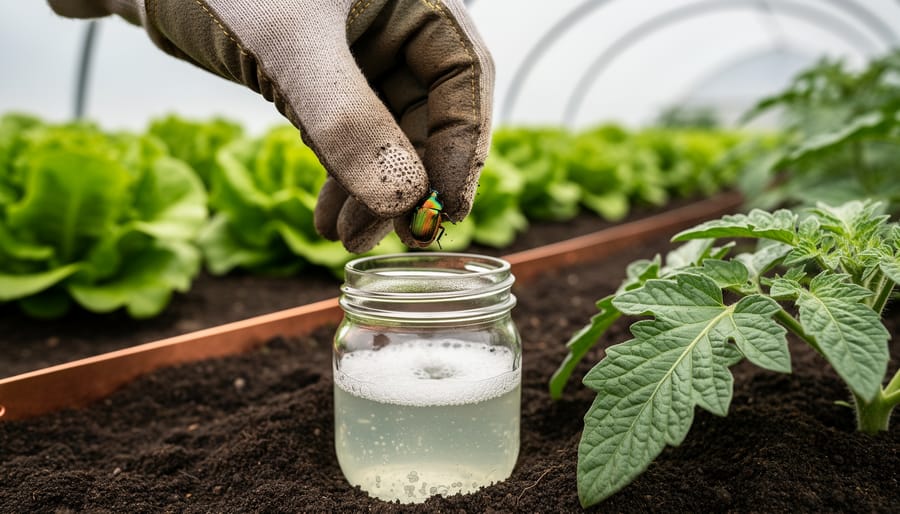
Next, consider your garden’s size. For smaller spaces or a few targeted plants, individual pheromone traps work beautifully and are cost-effective. These hanging traps contain lures that attract specific pests, making them perfect for monitoring or small-scale control. I’ve had great success with these in my modest backyard garden.
For larger properties or orchards, pheromone dispensers or twist-ties offer broader coverage. These release pheromones gradually throughout the growing season, creating confusion zones that disrupt mating patterns. You’ll typically hang multiple dispensers per tree, spacing them according to manufacturer guidelines.
Don’t forget to check product labels for reapplication schedules. Some lures last 4-6 weeks, while others provide season-long protection. Match this to your availability for garden maintenance. When in doubt, start with monitoring traps to assess your pest population before investing in larger-scale mating disruption systems.
Timing Is Everything
Success with pheromone pest control really comes down to timing. Think of it this way: you want to intercept pests before they cause damage, not after they’ve already enjoyed a feast in your garden.
The sweet spot for deploying pheromone traps is early spring, just as pests emerge from winter dormancy and begin their mating cycles. For most common garden pests like codling moths or Japanese beetles, this means setting up your traps in March or April, depending on your climate zone. I learned this the hard way my first year – waiting until I saw damage meant I’d missed the critical window.
Monitor your local weather patterns closely. Many insects emerge when soil temperatures reach specific thresholds, typically between 50-60°F. Your county extension office can provide precise timing for your area, which takes the guesswork out of deployment.
For season-long protection, you’ll need to refresh or replace pheromone lures every 4-6 weeks, as their potency diminishes over time. Mark your calendar! During a recent conversation with master gardener Patricia Chen, she emphasized that consistent replacement is what separates successful programs from disappointing ones. “It’s like watering,” she told me. “Regular attention beats sporadic effort every time.”
Installation Made Simple
Getting started with pheromone dispensers is surprisingly straightforward, even if you’ve never tried this method before. The beauty of these systems is that they’re designed with home gardeners in mind, requiring no special equipment or expertise.
First, identify the pest you’re targeting and purchase the appropriate pheromone product. Most come as small dispensers, twist-ties, or clips that you’ll hang directly on plants or support stakes. Start by reading the manufacturer’s instructions carefully, as placement height and density vary by pest species. Generally, you’ll want to position dispensers at canopy level where adult insects fly and mate.
For most garden applications, space your dispensers about 10 to 15 feet apart throughout the affected area. Think of it like creating an invisible protective net over your plants. I like to walk through my garden with a handful of dispensers and my support stakes, placing them systematically row by row so I don’t miss any spots.
Timing matters too. Install your dispensers before pest populations peak, typically in early spring before the first generation emerges. This proactive approach gives you the best results.
Maintenance is minimal but important. Check your dispensers monthly during the growing season. Most last between 90 to 120 days before needing replacement. Mark your calendar as a reminder, since effectiveness diminishes once the pheromone supply depletes. Remove old dispensers at season’s end and dispose of them according to local guidelines. With this simple routine, you’ll maintain consistent pest protection throughout the growing season.
The Real Benefits (Beyond Just Fewer Pests)
When you choose pheromone-based pest control, you’re doing so much more than just protecting your tomatoes from hornworms. The ripple effects of this approach extend far beyond your garden beds, creating benefits that conventional pesticides simply can’t match.
First and foremost, pheromones are remarkably safe for the environment. Unlike broad-spectrum insecticides that can contaminate soil and waterways, pheromones break down naturally and leave no toxic legacy. I’ve talked with gardeners who worry about runoff affecting nearby streams or ponds, and pheromone traps completely eliminate that concern. You can use them with confidence, knowing you’re not contributing to environmental pollution.
Here’s something that really excites me: pheromones are species-specific, meaning they only target the pest you’re after. Your garden’s heroes, the beneficial insects like ladybugs, lacewings, and native bees, go about their important work completely undisturbed. This selective approach helps maintain the natural balance in your garden ecosystem rather than disrupting it.
If you grow food, you’ll appreciate this: pheromone traps leave absolutely no chemical residue on your produce. There’s no waiting period before harvest, no washing anxiety, and no concerning yourself with spray drift onto neighboring plants. Pick that apple or zucchini and eat it with complete peace of mind.
For organic gardeners, pheromones align perfectly with sustainable growing principles. Many pheromone products are certified for organic use, making them an approved tool in your natural pest management toolkit. You’re working with nature’s own communication system rather than against it, which feels right when you’re committed to growing food the way nature intended.
What Pheromones Can’t Do (And What to Pair Them With)
Let’s be honest—pheromones aren’t a magic bullet for every pest problem in your garden. They work beautifully for certain insects, particularly moths and some beetles, but won’t help with aphids, slugs, or many other common garden troublemakers. Think of them as one valuable tool in your gardening toolkit, not the entire toolbox.
One limitation I’ve learned from experienced organic gardeners is that pheromones need adequate space to be truly effective. If your neighbor’s untreated garden is just a few feet away, pests can easily migrate over. They also work best as preventative measures rather than quick fixes for existing infestations—you’re disrupting future generations, not eliminating current ones overnight.
Here’s where pheromones really shine: as part of an integrated pest management approach. I’ve interviewed gardeners who combine pheromone traps with companion planting, beneficial insects, and physical barriers with excellent results. When monitoring traps show pest numbers spiking, they know it’s time to introduce ladybugs or apply eco-friendly pesticides to specific problem areas.
Think of pheromones as your early warning system and long-term disruptor. Pair them with diverse planting, healthy soil practices, and other natural controls, and you’ll create a resilient garden ecosystem that keeps pests manageable without relying on harsh chemicals.
Real Gardeners Share Their Pheromone Success Stories
Nothing beats hearing from fellow gardeners who’ve been in the trenches! I reached out to a few green-thumbed friends who’ve made pheromone traps part of their pest management toolkit, and their experiences might just inspire you to give it a try.
“I was skeptical at first,” admits Maria Chen, who tends a half-acre vegetable garden in Oregon. “But after two seasons of battling codling moths that destroyed my apple harvest, I installed pheromone traps. The difference was remarkable. I went from losing about 60% of my apples to saving nearly 80% of them. The traps are so easy to maintain, too—I just check them weekly during my regular garden rounds.”
Tom Brewster, a backyard gardener in Texas, shares a similar enthusiasm: “My tomato hornworms were relentless until I combined pheromone monitoring with handpicking. The traps helped me time my interventions perfectly. I knew exactly when the moths were active, so I could inspect my plants at the right moments. It made me feel like I was working with nature instead of against it.”
For Beth Morrison in Pennsylvania, pheromones solved a persistent problem: “Japanese beetles were my nemesis for years. Once I started using species-specific pheromone lures combined with other organic methods, my roses finally thrived. What I love most is that beneficial insects like ladybugs and bees aren’t affected at all.”
The common thread? These gardeners appreciate that pheromone control requires patience and observation, but the payoff—healthier plants and peace of mind—makes it absolutely worthwhile. Their success stories prove that you don’t need a degree in entomology to make pheromones work in your garden.
You’ve learned how pheromones can transform your garden into a healthier, more balanced ecosystem, and the best part? Getting started is much simpler than you might think. You don’t need a science degree or a shed full of equipment—just a willingness to try something different.
By choosing pheromone-based pest control, you’re joining a growing community of gardeners who are protecting their plants while caring for the environment. You’re saying yes to fewer chemicals, healthier soil, and a garden that welcomes beneficial insects instead of pushing them away. You’re creating a space where nature does much of the work for you.
Remember, every gardener started somewhere, and every small step toward sustainable practices makes a real difference. Whether you’re tackling codling moths on your apple trees or tomato hornworms in your vegetable patch, pheromone traps and disruption methods offer you a proven, eco-friendly solution.
So why not give it a try this season? Start with one pest problem that’s been frustrating you, choose the right pheromone product, and watch how effectively nature can work in your favor. Your garden—and the planet—will thank you for it.