Build resilient soil that works with nature by implementing a comprehensive soil health management system. Start by testing soil pH and organic matter content to establish your baseline. Add diverse organic materials, including composted kitchen waste, leaf mulch, and aged manure, to feed beneficial microorganisms. Maintain living roots in the soil year-round through cover cropping and companion planting to sustain soil biology.
The health of your garden begins underground, where millions of microscopic allies work tirelessly to transform organic matter into plant-available nutrients. By focusing on soil health management, you’re not just growing plants – you’re cultivating a thriving ecosystem that naturally suppresses pests, reduces disease pressure, and produces more nutritious crops.
Modern gardening challenges often stem from depleted soil biology. Rather than fighting symptoms with chemical solutions, successful growers build soil health from the ground up. This approach creates a self-regulating system where beneficial organisms naturally control pest populations while improving plant resilience through enhanced nutrient cycling and water retention.
The Living Shield: Understanding Your Soil’s Natural Defense System
Beneficial Microorganisms: Your Garden’s Tiny Warriors
Think of your garden soil as a bustling city where countless microscopic heroes work tirelessly to keep your plants healthy. These tiny warriors – beneficial bacteria and fungi – are nature’s own pest control squad. Just as a neighborhood watch keeps communities safe, beneficial microorganisms protect plants by creating an underground defense network.
Beneficial bacteria form protective barriers around plant roots, making it harder for harmful organisms to attack. They’re like security guards, constantly patrolling the root zone and producing natural antibiotics that ward off destructive pathogens. Meanwhile, mycorrhizal fungi form partnerships with plant roots, extending their reach and helping them access nutrients while simultaneously defending against root-eating pests.
Some of these helpful microbes even produce substances that strengthen plant immune systems, similar to how vitamins boost our own health. Others release compounds that naturally repel certain insects and soil-borne diseases. By nurturing these microscopic allies through organic matter additions and minimal soil disturbance, you’re essentially building your own natural pest management team!

The Nutrient Balance Connection
Think of your soil’s nutrient balance as nature’s immune-boosting smoothie for plants. Just as we need a variety of vitamins and minerals to stay healthy, plants require a precise mix of nutrients to build their natural defense systems. When soil contains the right balance of nitrogen, phosphorus, potassium, and trace minerals, plants develop stronger cell walls and produce protective compounds that naturally ward off pests and diseases.
A well-balanced soil helps plants create their own natural pesticides, called phytoalexins, which act like a plant’s personal security system. For example, when calcium levels are optimal, tomato plants become more resistant to blossom end rot, and proper levels of silica help strengthen plant stems against both physical damage and insect attacks.
Regular soil testing is your best friend here – it’s like getting a health checkup for your garden. By maintaining proper pH levels (typically between 6.0 and 7.0) and addressing any nutrient deficiencies, you’re essentially giving your plants a shield against potential threats. Remember, healthy plants growing in nutrient-rich soil are naturally more resilient and better equipped to handle stress from pests and environmental challenges.
Building Your Soil’s Pest-Fighting Power
Organic Matter: The Foundation of Healthy Soil
Organic matter is the lifeblood of healthy soil, acting like a natural powerhouse that feeds beneficial microorganisms and improves soil structure. The good news is that you can boost your soil’s organic matter content through two primary methods: composting and mulching.
Composting transforms kitchen scraps, yard waste, and other organic materials into black gold for your garden. Start by layering “green” materials (like vegetable scraps and grass clippings) with “brown” materials (such as dried leaves and straw) in roughly equal proportions. Within a few months, you’ll have rich, crumbly compost that’s teeming with life.
Mulching is another fantastic way to increase organic matter while protecting your soil. Apply a 2-3 inch layer of organic mulch around your plants, using materials like wood chips, straw, or shredded leaves. As the mulch breaks down, it gradually incorporates into the soil, improving its structure and feeding beneficial organisms.
Many gardeners find that combining both methods yields the best results. Try spreading a thin layer of compost before adding mulch on top. This “sandwich” approach creates ideal conditions for earthworms and other soil organisms to thrive, naturally aerating your soil and converting organic matter into plant-available nutrients.
Remember, building organic matter is a gradual process, but every addition you make is an investment in your soil’s long-term health.
Cover Crops: Your Soil’s Best Friend
Think of cover crops as your soil’s personal wellness team, working tirelessly to improve its health even when your main crops are taking a break. These hardworking plants do much more than just occupy empty space – they’re actively building a stronger, more resilient foundation for your garden.
When you plant cover crops like clover, rye, or buckwheat, their roots create natural highways through your soil, improving its structure and making it easier for water and nutrients to reach your future plants. As these roots grow and spread, they also prevent erosion and keep your precious topsoil exactly where it belongs.
But the benefits don’t stop there! Cover crops are like a five-star hotel for beneficial organisms. They provide food and shelter for earthworms, beneficial bacteria, and other helpful creatures that make your soil come alive. As these plants grow and eventually break down, they add organic matter to your soil, increasing its ability to hold water and nutrients.
Many gardeners find that alternating between different types of cover crops throughout the year yields the best results. For example, legumes like vetch or peas actually add nitrogen to your soil, while deep-rooted crops like daikon radishes help break up compacted earth. The key is to choose cover crops that match your climate and growing season, and to incorporate them into your regular garden rotation.
Smart Crop Rotation
Smart crop rotation is like choreographing a dance in your garden, where different plants take turns leading the performance. By strategically planning which crops follow each other, you’re not just growing food – you’re actively building healthier soil and naturally preventing pest problems.
The basic principle is simple: avoid planting the same family of vegetables in the same spot year after year. For example, follow tomatoes (heavy feeders) with nitrogen-fixing beans, then leafy greens, and finally root vegetables. This sequence helps balance nutrient levels while breaking harmful pest cycles.
Each plant family has unique needs and contributes differently to soil health. Legumes like peas and beans add nitrogen, while deep-rooted plants like carrots help break up compacted soil. When combined with companion planting strategies, rotation creates a robust defense against persistent pests and diseases.
Here’s a beginner-friendly four-year rotation plan:
– Year 1: Leafy greens (lettuce, spinach, kale)
– Year 2: Legumes (peas, beans)
– Year 3: Fruiting crops (tomatoes, peppers, squash)
– Year 4: Root vegetables (carrots, onions, beets)
Remember to keep a garden journal to track your rotations. Even a small garden can benefit from this time-tested practice, leading to stronger plants and fewer pest problems over time.
Monitoring and Maintaining Your Soil’s Health
Simple Soil Health Tests You Can Do at Home
Testing your soil’s health doesn’t always require expensive lab equipment. Here are several simple tests you can perform right in your garden with basic household items.
The Jar Test is perfect for determining soil composition. Fill a clear jar one-third full with soil, add water until it’s nearly full, shake well, and let it settle for 24 hours. The layers that form will show you the proportions of sand, silt, and clay in your soil.
To check soil structure, dig up a spadeful of soil and drop it from waist height onto a tarp. Well-structured soil will break into small, crumbly pieces. If it stays in one hard clump or shatters into powder, your soil structure needs improvement.
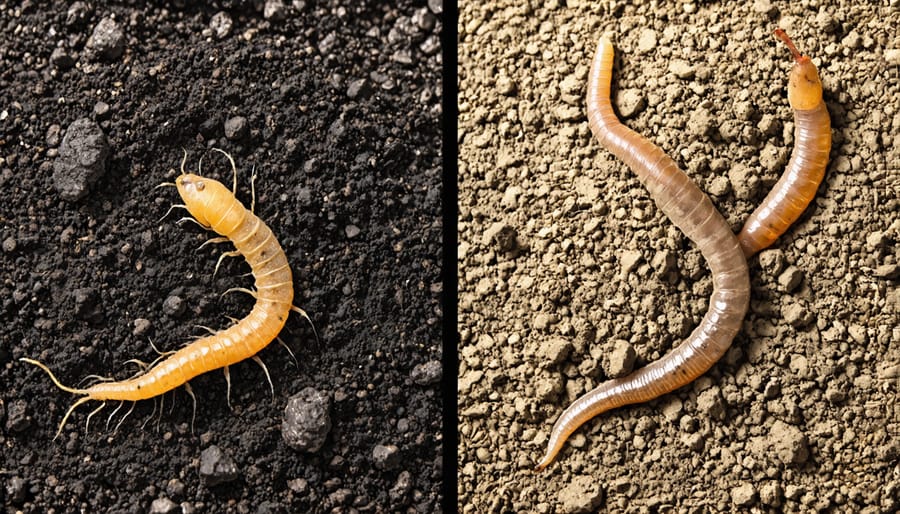
The Earthworm Count is a fantastic indicator of soil health. Dig a one-foot cube of soil and count the earthworms. Finding 10 or more earthworms suggests healthy soil with good organic matter content.
For a quick pH test, mix soil with vinegar in one container and baking soda solution in another. Fizzing with vinegar indicates alkaline soil, while fizzing with baking soda suggests acidic soil.
The Infiltration Test measures drainage. Remove both ends of a coffee can, push it an inch into the soil, and fill with water. Healthy soil should drain at a rate of 1-3 inches per hour.
These simple tests can give you valuable insights into your soil’s condition and help guide your soil management decisions.

Seasonal Soil Care Calendar
A successful garden starts with year-round soil care, and timing is everything! Here’s your season-by-season guide to keeping your soil healthy and productive.
Spring (March-May):
As the soil warms up, test your soil pH and nutrient levels. Add organic matter like compost and well-rotted manure to replenish nutrients depleted over winter. Remove winter mulch gradually and gently turn the top layer of soil, being careful not to disturb beneficial organisms awakening from winter.
Summer (June-August):
Maintain a 2-3 inch layer of organic mulch to retain moisture and regulate soil temperature. Monitor soil moisture levels regularly, especially during dry spells. Add light applications of compost tea to feed soil microorganisms and boost plant health.
Fall (September-November):
This is nature’s time for soil building! Add fallen leaves, spent plants, and additional compost to your garden beds. Plant cover crops like clover or rye to protect soil through winter. Consider getting a soil test to plan for next season’s amendments.
Winter (December-February):
Let your soil rest under a protective blanket of mulch or cover crops. Use this time to plan next year’s crop rotation and make notes about areas that need extra attention in spring. If the ground isn’t frozen, you can still add well-decomposed compost to beds.
Remember, these timing guidelines may vary depending on your climate zone, but the principles remain the same: protect, nourish, and maintain your soil year-round for the best results.
Common Mistakes to Avoid
Even the most dedicated gardeners can inadvertently harm their soil’s health through common gardening practices. Let’s explore these pitfalls so you can maintain a thriving, pest-resistant garden ecosystem.
Over-tilling is perhaps the most frequent mistake gardeners make. While it might seem helpful to repeatedly turn the soil, excessive tilling disrupts beneficial fungal networks and soil structure, ultimately reducing your soil’s natural defense mechanisms against pests.
Chemical overuse is another common issue. Reaching for synthetic pesticides and fertilizers as a quick fix can backfire by killing beneficial organisms that naturally defend your plants. These helpful creatures include predatory nematodes, friendly bacteria, and mycorrhizal fungi that form your soil’s living security system.
Leaving soil bare between growing seasons is like leaving your garden defenseless. Exposed soil is vulnerable to erosion, nutrient leaching, and weed invasion. Instead, consider using cover crops or mulch to protect your soil year-round.
Poor watering practices can significantly impact soil health. Both overwatering and inconsistent watering stress your plants and create conditions that attract pests. Waterlogged soil suffocates beneficial organisms, while drought-stressed plants become magnets for opportunistic insects.
Many gardeners also make the mistake of removing all organic matter in pursuit of a “clean” garden. Those fallen leaves and plant debris actually provide essential food for soil organisms and create natural pest barriers. Instead of clearing everything away, leave some organic material to decompose naturally.
Ignoring soil pH and rushing to plant without proper soil testing can lead to nutrient lockout and weakened plants. When plants can’t access necessary nutrients, they become more susceptible to pest damage.
Remember, building healthy soil is a gradual process. Avoid the temptation to rush results with quick fixes, as these often create more problems than they solve. Focus instead on supporting your soil’s natural systems, and you’ll develop a garden that naturally resists pest problems.
As we’ve explored throughout this guide, maintaining healthy soil is the foundation of successful gardening and sustainable agriculture. By implementing these soil health management practices, you’re not just growing better plants – you’re creating a thriving ecosystem beneath your feet that will reward you with abundant harvests and fewer pest problems for years to come.
Remember that healthy soil is living soil. Each handful contains billions of beneficial organisms working together to support your plants. By focusing on organic matter addition, minimal tillage, proper moisture management, and diverse crop rotation, you’re providing these helpful creatures with everything they need to flourish.
Start small by implementing one or two practices at a time. Perhaps begin with composting or cover cropping this season, then gradually incorporate other techniques as you become more comfortable. Monitor your soil’s improvement through simple observations – notice how it becomes darker, crumblier, and more fragrant over time. Watch for earthworms, which are excellent indicators of soil health.
The journey to optimal soil health is ongoing, but the rewards are worth every effort. As you continue to nurture your soil, you’ll notice stronger plants, reduced pest problems, better water retention, and more consistent yields. Your garden will become more resilient to environmental stresses while requiring less intervention from you.
Take that first step today – your soil, your plants, and our planet will thank you for it.