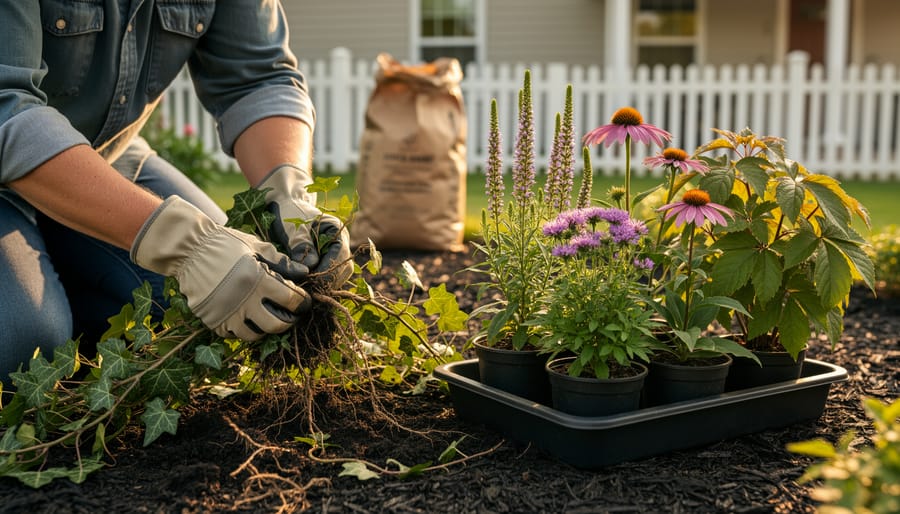
Picture this: you’re planning a beautiful new patio or expanding your driveway, and suddenly you’re hit with confusing regulations about “impervious surfaces.” If you’ve recently encountered this term while navigating permit applications or local planning codes, you’re not alone. Many homeowners and gardeners find themselves puzzled when municipalities start calculating percentages and setting limits on their property.
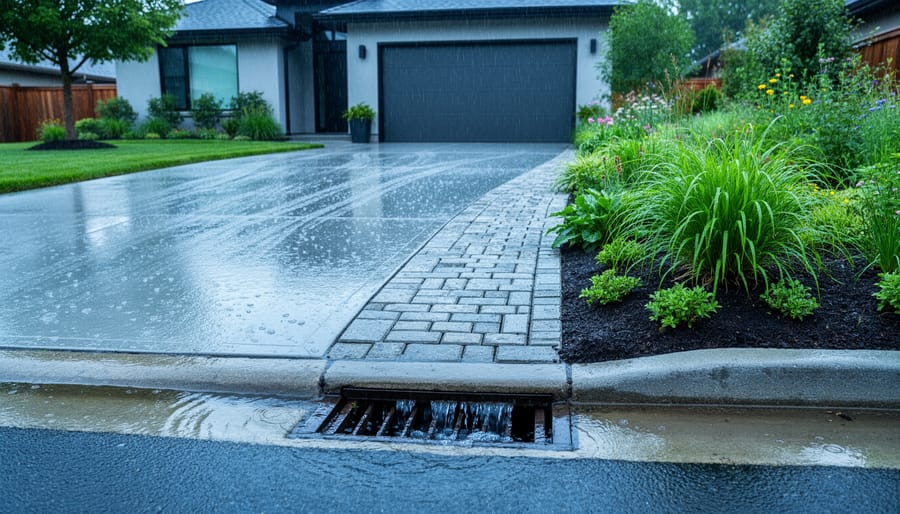
Here’s the good news: understanding impervious surfaces doesn’t require a degree in engineering. Simply put, these are materials that prevent water from soaking into the ground naturally. Think of your concrete driveway, asphalt walkways, or that solid wooden deck you’ve been admiring. When rain falls on these surfaces, it rushes off into storm drains instead of nourishing the soil and replenishing groundwater.
Why does this matter for your garden projects? Communities limit impervious surfaces to prevent flooding, protect water quality, and maintain healthy watersheds. But don’t let these regulations discourage your outdoor dreams. Once you recognize what counts as impervious and what doesn’t, you’ll discover plenty of creative, environmentally friendly alternatives that satisfy both your vision and local requirements. Whether you’re installing a new patio, creating parking space, or building that backyard retreat, working with these guidelines can actually enhance your property’s beauty while supporting your garden’s ecosystem.
What Makes a Surface Impervious?
Think of impervious surfaces as the parts of your property that act like an umbrella—they shed water rather than letting it sink in. In practical terms, if water can’t penetrate through a surface and into the soil below, it’s considered impervious.
The science behind this is pretty straightforward. When rain falls on natural ground, grass, or garden beds, the soil acts like a giant sponge, slowly absorbing the water. This natural process filters the water, recharges underground aquifers, and keeps streams flowing steadily even during dry spells. But when rain hits surfaces like driveways, roofs, or patios, it has nowhere to go but sideways—rushing off into gutters, storm drains, and eventually into local waterways.
Here’s where it gets interesting for gardeners: that rushing water doesn’t just disappear harmlessly. As it flows across impervious surfaces, it picks up oil, fertilizers, pesticides, and other pollutants from our yards and streets. All of this gets dumped directly into streams and rivers without any natural filtering. Plus, the sudden surge of water can cause flooding and erosion, washing away stream banks and disturbing the delicate balance of aquatic ecosystems.
I spoke with landscape designer Maria Chen, who explained it beautifully: “Imagine your property as one big rain garden. The more impervious surfaces you have, the less your land can do its natural job of managing water.” This is exactly why many communities have regulations around impervious surfaces—they’re trying to protect local water quality and prevent flooding issues that affect everyone downstream.
Understanding this concept helps you make better choices for both your garden and your community.
Common Impervious Surfaces Around Your Home
Driveways and Parking Areas
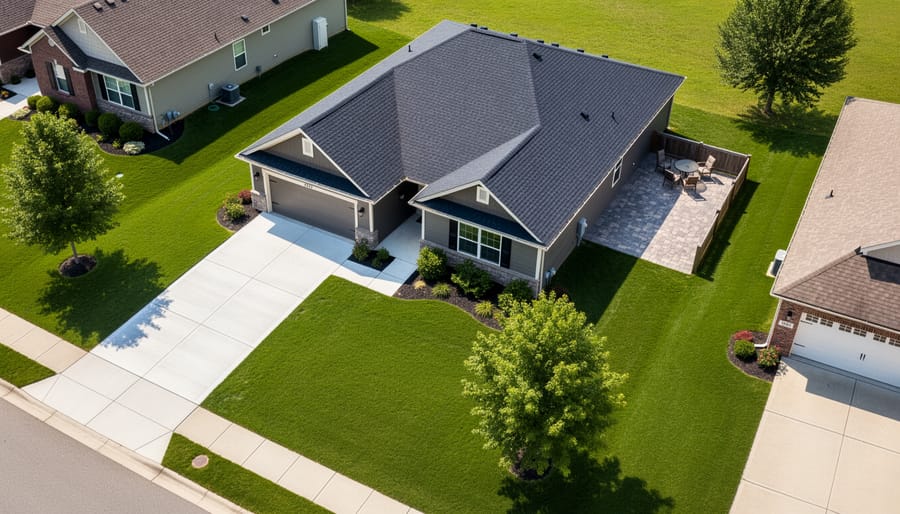
Driveways and parking areas are among the most significant contributors to impervious coverage on residential properties. That standard driveway leading to your garage? If it’s made of asphalt or concrete, it’s completely impervious. A typical single-car driveway measuring 10 feet wide by 20 feet long adds 200 square feet of impervious surface, while a two-car driveway can easily contribute 400 square feet or more.
Concrete parking pads are equally impervious. Many homeowners add these beside their homes for extra vehicles, RVs, or boats. While convenient, a 12-by-20-foot parking pad adds another 240 square feet that won’t absorb water. When combined with your home’s footprint and other hardscaping, these areas can quickly push you toward or beyond local impervious surface limits.
Here’s the good news: you have options! Permeable pavers, porous asphalt, and reinforced grass systems all provide stable parking surfaces while allowing water to filter through. I spoke with landscape designer Maria Chen, who shared that her clients are often surprised to learn they can have both functionality and compliance. These alternatives might cost slightly more upfront, but they help you stay within regulations while reducing runoff and recharging groundwater naturally.
Patios and Outdoor Living Spaces
Your outdoor entertainment spaces might be contributing more to impervious coverage than you realize. That beautiful concrete patio where you enjoy morning coffee? It counts. Those elegant sealed stone pavers forming your backyard retreat? They’re impervious too. Even that gorgeous composite deck built on a solid concrete foundation falls into this category because water can’t penetrate through to the soil below.
When I spoke with landscape designer Maria Chen, who’s helped dozens of homeowners navigate these regulations, she explained that many people are surprised to learn their entire outdoor living area counts toward their property’s impervious limit. This includes pergola foundations, built-in grills on concrete pads, and even that charming firepit area if it’s sitting on sealed materials.
The key distinction is whether water can soak through to the earth beneath. Traditional solid patios act like barriers, forcing rainwater to run off into storm drains instead of naturally filtering into your garden soil. This matters because most municipalities set specific limits on how much of your property can be covered with impervious surfaces.
Before installing or expanding your outdoor living space, check your local regulations. You might need to get creative with permeable alternatives that still give you the functionality you want while staying within allowable limits.
Walkways and Paths
Those charming garden paths we love can actually contribute significantly to impervious coverage on your property. Concrete sidewalks are perhaps the most obvious example – they create a completely sealed surface that prevents water from soaking into the ground below. Similarly, asphalt paths, while practical and durable, don’t allow any water penetration.
Even those beautiful mortared brick or stone walkways count as impervious surfaces. The mortar between the pavers seals everything up, blocking water absorption. I’ve spoken with landscape designer Maria Chen, who notes that many homeowners are surprised to learn that “it’s not just the big surfaces like driveways that matter – all those little paths add up quickly.”
Here’s the thing: when you’re calculating impervious coverage for permits, every walkway counts. A front sidewalk, side paths to your garden beds, and that cute stepping stone path to the compost bin – together they can push you over your municipality’s limits. The good news? Permeable alternatives like gravel paths, dry-laid pavers with gaps, or mulched walkways provide the same functionality while letting rainwater filter through naturally.
Roofs and Structures
When you’re calculating impervious surfaces on your property, roofs typically claim the top spot. Your house roof is usually the single largest contributor, and it makes sense when you think about it—that expanse above your head might cover 1,500 to 3,000 square feet or more! Add your garage, tool shed, and any covered patios or pergolas with solid roofing, and you’ve quickly accumulated a substantial portion of your allowed impervious coverage.
These structures create complete barriers to water absorption. Rain hits the shingles, tiles, or metal and immediately runs off into gutters and downspouts rather than soaking into the ground. During heavy storms, this concentrated runoff can overwhelm drainage systems if not properly managed. The good news? While you can’t make your roof disappear, you can work with what runoff it creates. Rain barrels, rain gardens, and directing downspouts toward planted areas are all practical solutions that help offset this impact while keeping your home protected and dry.
Less Obvious Culprits
You might be surprised to learn that some surfaces don’t look impervious but absolutely count as such in the eyes of building codes. Pool decks often catch homeowners off guard—whether concrete, pavers, or composite materials, they typically prevent water from soaking into the ground below. Understanding pool decks and permits can save you headaches during planning. Sport courts like tennis or basketball surfaces also qualify, as do areas where you’ve laid gravel over plastic sheeting for weed control. Here’s one that surprises many gardeners: heavily compacted soil from frequent foot traffic or vehicle parking. Even without adding materials, compaction can reduce infiltration by up to 90 percent. That well-worn path to your garden shed? It might be contributing to runoff more than you’d think.
Why Municipalities Are Setting Impervious Surface Limits
If you’ve ever wondered why your local planning department seems so concerned about how much of your property you’re paving over, you’re definitely not alone! These impervious surface limits aren’t just bureaucratic red tape—they’re actually protecting your neighborhood and local waterways in some pretty important ways.
When rain falls on natural ground, it soaks in gradually, filtering through soil and replenishing underground water supplies. But when it hits concrete, asphalt, or other hard surfaces, it rushes off quickly, picking up pollutants along the way and overwhelming storm drains. This runoff carries oil, fertilizers, pet waste, and other contaminants straight into streams and lakes. Meanwhile, all that sudden water creates flooding issues that can damage homes and infrastructure downstream. I’ve spoken with municipal planners who’ve shared that neighborhoods with excessive impervious coverage experience flooding problems that simply didn’t exist decades ago.
There’s also the practical matter of infrastructure strain. Storm sewers, drainage systems, and water treatment facilities were designed with certain capacities in mind. When too many properties exceed their impervious limits, these systems become overtaxed, requiring expensive upgrades that ultimately mean higher taxes for everyone.
Now, here’s something that surprises many people: these limits aren’t one-size-fits-all. They vary considerably based on where you live and your lot size. Urban areas might allow 70-80% coverage due to existing infrastructure, while suburban zones often cap it at 30-40% to preserve more natural drainage. Larger rural lots may have even stricter percentages, though they allow more total square footage.
The good news? Understanding these limits early in your planning process means you can design projects that work with the regulations rather than against them. Many communities offer incentives or flexibility when you incorporate permeable alternatives, turning this potential obstacle into an opportunity for creative, environmentally-friendly solutions.
How These Codes Affect Your Gardening and Home Projects
Let’s talk about what impervious surface limits mean for those exciting outdoor projects you’ve been dreaming about. Whether you’re planning to expand your patio for evening entertaining or add a garden shed for tool storage, these regulations will likely come into play.
First things first: calculate what you’re already working with. Take a walk around your property with a measuring tape and notebook. Measure your existing driveway, walkways, patio, and any outbuildings. Don’t forget that deck if it’s built close to the ground without proper drainage underneath. Most municipalities set impervious surface limits between 25% and 40% of your total lot size. For a typical 10,000 square foot lot with a 35% limit, you can have up to 3,500 square feet of impervious surfaces, including your house footprint.
Here’s where it gets practical. Say you want to add a 200 square foot shed. If you’re already at your limit, you’ll need to get creative. Could you replace part of your asphalt driveway with permeable pavers? That swap might free up the coverage you need. Planning a patio expansion? Consider permeable materials from the start rather than solid concrete.
Before breaking ground on any significant project, check with your local planning department. Many communities require permits for structures over a certain size or for any work that increases impervious coverage. This is where understanding permit requirements becomes essential. Some homeowners have shared stories of having to remove newly installed features because they didn’t check first, a frustrating and expensive lesson.
The good news? Most planning departments are surprisingly helpful once you reach out. They can review your plans, suggest modifications, and often provide calculations to help you stay compliant. Think of these regulations not as roadblocks, but as guardrails guiding you toward more sustainable choices that benefit your garden and community alike.
Permeable Alternatives That Count in Your Favor
Permeable Pavers and Paving Systems
Good news! If you’re looking to reduce your property’s impervious surface coverage, permeable paving systems offer fantastic alternatives that let water soak through while still providing solid, functional surfaces.
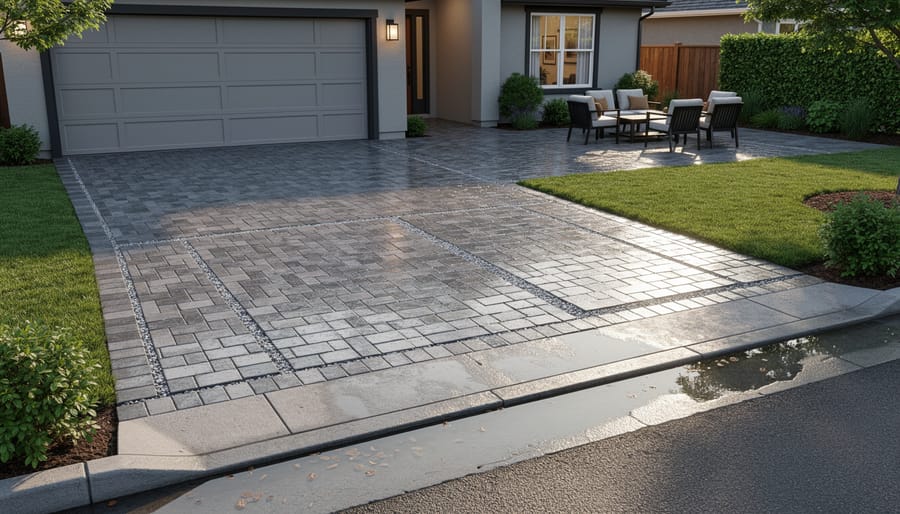
Grid pavers are a popular choice for driveways and parking areas. These interlocking plastic or concrete grids create pockets you can fill with gravel or soil and grass, giving you a sturdy surface that filters rainwater naturally. They’re surprisingly durable and can support vehicle weight without issue.
Permeable concrete and porous asphalt look similar to traditional paving but contain tiny gaps that allow water to filter through. These work beautifully for patios, walkways, and even driveways. The trade-off? They require occasional maintenance to prevent the pores from clogging with debris, and they can be pricier upfront than standard materials.
Interlocking permeable pavers come in various attractive styles and colors, making them perfect when aesthetics matter. I chatted with landscape designer Maria Chen, who swears by them for her clients’ patios. “They give you the polished look of traditional pavers while being environmentally responsible,” she explained.
The right choice depends on your project. High-traffic areas benefit from grid systems, while permeable concrete shines for sleek modern designs. All these options help you stay within local impervious surface limits while creating functional outdoor spaces.
Natural and Planted Solutions
Here’s the wonderful news: you can create beautiful garden pathways and surfaces that let water soak through naturally! These planted solutions help you meet code requirements while enhancing your outdoor space.
Gravel pathways are my personal favorite. When laid over a proper base of sand or crushed stone, they allow water to filter through while providing stable footing. Choose pea gravel or crushed stone in sizes that feel comfortable underfoot.
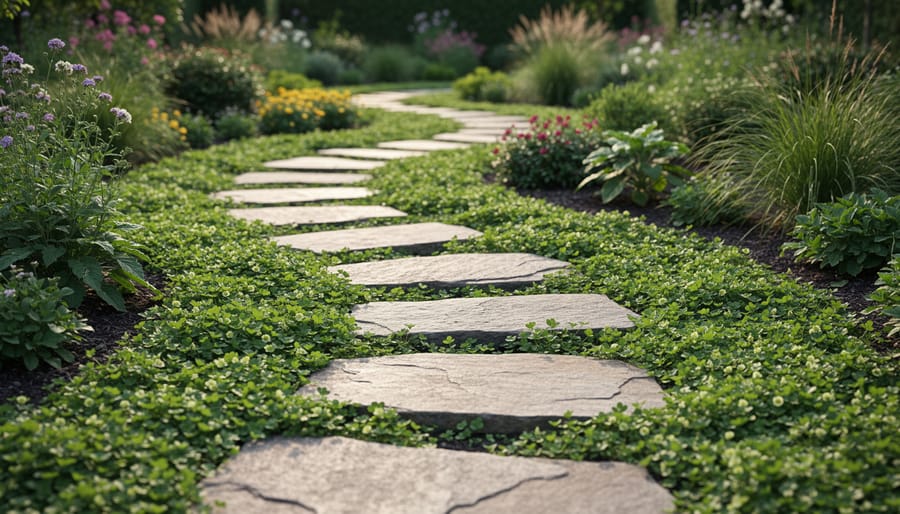
Stepping stones set through low-growing groundcover like creeping thyme or sedum create charming walkways that count as pervious surfaces. The plants between stones absorb rainwater while adding texture and seasonal interest to your garden.
Grass pavers offer another clever option. These grid systems support vehicle weight while allowing grass to grow through the openings, perfect for driveways or parking areas. They require regular maintenance but provide a green alternative to traditional concrete.
Living pathways using materials like wood chips, bark mulch, or decomposed granite work beautifully in informal garden settings and contribute organic matter to your soil as they gradually break down.
Rain Gardens and Bioswales
Rain gardens and bioswales are beautiful solutions that can help reduce your property’s impervious surface footprint. These planted depressions collect and naturally filter stormwater runoff from driveways, patios, and rooftops. Many municipalities now offer impervious surface credits when you install these features, meaning they count toward reducing your total coverage. Rain gardens add lovely visual interest with native plants and grasses while attracting pollinators. Bioswales work similarly but typically run along property edges or driveways. Check with your local planning department to see if these attractive landscaping elements qualify for credits in your area.
Making Smart Choices for Your Property
Planning a project that involves impervious surfaces doesn’t have to feel overwhelming. Think of it as an opportunity to create something beautiful while being a good steward of your property and community. Your local planning department is truly your best resource here, and most planners genuinely enjoy helping residents navigate these requirements. Schedule a pre-application meeting before you finalize your designs. Bring sketches or photos, and ask specific questions about coverage limits and permeable options. You’ll often discover they have excellent suggestions you hadn’t considered.
For larger projects like new driveways or extensive patios, hiring a landscape architect or designer familiar with local stormwater regulations can save you time and headaches. These professionals stay current on code requirements and can design spaces that beautifully blend functionality with compliance. They know which materials look stunning while meeting permeability standards.
When making material choices, remember that working with local regulations often leads to more creative, sustainable solutions. Permeable pavers come in gorgeous styles that rival traditional options. Gravel pathways can be bordered with lush plantings that soften hardscapes beautifully. Rain gardens transform required drainage areas into stunning landscape features bursting with native plants and wildlife activity.
Consider your project in phases if needed. Maybe start with that new patio this year, then add pathways next season. This approach spreads costs while giving you time to observe water flow patterns and make informed decisions. Remember, experienced gardener Maria Chen once told me that her favorite outdoor spaces evolved slowly, with each addition teaching her something new about her property. The result? A landscape she truly loves that works in harmony with nature.
Understanding impervious surface regulations might feel overwhelming at first, but here’s the exciting part: these guidelines actually open doors to creating healthier, more beautiful outdoor spaces. I’ve seen countless gardeners transform what seemed like restrictions into opportunities for innovation. Rain gardens that capture runoff become stunning focal points. Permeable patios create comfortable gathering spaces while supporting groundwater recharge. Gravel paths wind through beds of native plants, adding charm and function.
Think of these regulations as a nudge toward sustainable design choices that benefit everyone. Your permeable driveway reduces neighborhood flooding. Your rain garden filters pollutants before they reach local streams. These aren’t just boxes to check—they’re investments in your property value and community well-being.
Before you break ground on any outdoor project, take time to check your local impervious surface codes. A quick call to your municipal planning office or visit to their website can save headaches down the road. Many communities offer resources, workshops, or even incentives for property owners choosing permeable options.
View this moment as a chance to design outdoor spaces that work with nature rather than against it. You’ll create something truly special while being a good neighbor to both your community and the environment.