Transform your windowsill into a thriving vegetable garden by mounting vertical growing panels that maximize sunlight exposure and create space for herbs, leafy greens, and compact tomato varieties. Small-space gardens can thrive in tiny apartments when you combine smart container choices with strategic plant selection.
Stack self-watering containers vertically using a bamboo trellis system, enabling you to grow climbing vegetables like pole beans and cucumbers while maintaining a minimal footprint. Repurpose hanging shoe organizers into vertical garden pockets, perfect for growing shallow-rooted crops like lettuce, radishes, and strawberries along unused wall space.
Maximize harvest potential by implementing succession planting in modular container systems, allowing continuous production of quick-growing vegetables throughout the season. Choose dwarf varieties specifically bred for container growing, such as ‘Patio’ tomatoes and ‘Spacemaster’ cucumbers, which deliver full-sized harvests from compact plants.
This approach to small-space vegetable gardening transforms even the tiniest areas into productive growing zones, proving that bountiful harvests don’t require sprawling garden plots.
Smart Space-Saving Growing Systems
Vertical Garden Solutions
Vertical gardening is a game-changer for small-space vegetable growing, letting you maximize your growing area by utilizing wall space and vertical surfaces. Wall-mounted planters are perfect for herbs and compact vegetables like lettuce and cherry tomatoes. These planters come in various styles, from pocket organizers to rigid plastic units, and can be easily attached to any sturdy wall with proper mounting hardware.
Hanging systems offer another versatile solution, particularly for trailing plants like cherry tomatoes and pole beans. Using sturdy chains or ropes, you can suspend multiple planters at different heights, creating a living curtain of vegetables. Some innovative hydroponic growing systems even combine vertical design with soil-free cultivation, perfect for indoor spaces.
Tiered stands are particularly effective for small patios and balconies, offering multiple growing levels while maintaining a small footprint. These can be found in various materials, from powder-coated steel to weather-resistant wood, and some even come with built-in self-watering systems. A three-tier stand typically accommodates 9-12 medium-sized pots, allowing you to grow different vegetables at each level based on their light requirements.
Remember to consider weight limitations when installing vertical systems, especially for wall-mounted options. It’s also important to ensure proper drainage to prevent water damage to walls or floors, and to position your vertical garden where plants will receive adequate light throughout the day.

Container Combinations
Maximize your growing space by thinking vertically and combining different container types creatively. Try stacking tiered planters, where each level hosts different vegetables based on their sunlight needs. Place sun-loving tomatoes and peppers on top, leafy greens in the middle, and shade-tolerant herbs at the bottom.
Window boxes aren’t just for flowers – combine shallow-rooted vegetables like lettuce, radishes, and herbs in the same container. The key is matching plants with similar water requirements. Create a “salad box” by mixing different lettuce varieties with compact cherry tomatoes and bush beans.
Hanging baskets offer excellent opportunities for trailing vegetables. Combine tumbling tomatoes with trailing nasturtiums (which are edible!) and cascading herbs. Don’t forget to use the space underneath hanging planters for shade-loving crops.
Take advantage of corners by arranging containers in a pyramid formation. Use larger pots at the bottom for vining plants like cucumbers or pole beans, medium-sized containers in the middle for bush varieties, and small pots on top for herbs and microgreens.
For a space-saving twist, try companion planting in deep containers. Plant tall-growing vegetables like pole beans or peas along a trellis, then surround them with compatible lower-growing crops like carrots and onions. This method maximizes your yield while creating an attractive, layered garden display.
Best Vegetables for Indoor Growing
Compact Varieties
Plant breeders have developed numerous vegetable varieties specifically designed for small-space gardening, making it easier than ever to grow a bountiful harvest in containers. These compact varieties, often labeled as “dwarf,” “bush,” or “container” types, pack all the flavor and nutrients of their full-sized counterparts into space-saving plants.
Tomatoes are perhaps the most popular compact variety, with options like ‘Tiny Tim,’ ‘Patio,’ and ‘Bush Early Girl’ growing just 2-3 feet tall while producing full-sized fruits. For those interested in cherry tomatoes, ‘Tumbling Tom’ and ‘Basket Boys’ are perfect for hanging containers.
Peppers naturally grow well in containers, but varieties like ‘Cajun Belle’ and ‘Cute Stuff Red’ are particularly suited for small spaces. These compact plants produce abundantly without taking up much room. Bush beans, such as ‘Bush Blue Lake’ and ‘Provider,’ eliminate the need for trellising and fit perfectly in container gardens.
Don’t overlook compact varieties of traditionally large plants. ‘Bush Champion’ cucumber grows in a bushy rather than vining form, while ‘Bush Baby’ zucchini produces full-sized squash on space-saving plants. For leafy greens, look for varieties like ‘Tom Thumb’ lettuce or ‘Baby Pak Choi,’ which are perfectly sized for container growing.
When selecting compact varieties, always check the plant tag or seed packet for container suitability. Many seed companies now specifically highlight their compact varieties, making it easier to choose the right plants for your small-space garden.

Quick-Growing Options
For those eager to see quick results in their small-space garden, several vegetables can go from seed to harvest in just a few weeks. Radishes are the speed champions, ready to harvest in as little as 21 days, making them perfect for container growing and window boxes. Microgreens are another fantastic option, providing nutrient-dense harvests in just 7-14 days – ideal for sunny windowsills or countertop gardens.
Leaf lettuce varieties like arugula and baby spinach are ready for picking within 30 days, and you can harvest outer leaves while letting the plant continue growing. Asian greens such as bok choy and tatsoi also mature quickly, typically ready in 30-40 days, and thrive in partial shade, making them perfect for balcony gardens.
Bush beans are excellent space-savers that produce within 50-60 days. Unlike pole beans, they don’t need vertical support and work well in deep containers. For those with sunny spots, cherry tomatoes can begin producing fruit within 65 days of transplanting, especially compact varieties bred for container growing.
Green onions (scallions) offer continuous harvests – simply cut what you need and let them regrow. They’re perfect for narrow containers or even recycled jars with water. Similarly, loose-leaf herbs like cilantro, basil, and dill provide quick returns and can be harvested continuously throughout the season.
Remember to succession plant these quick-growing vegetables every two to three weeks for a continuous harvest. This strategy maximizes your small growing space and ensures a steady supply of fresh vegetables throughout the growing season.
Maximizing Light and Space
Natural Light Solutions
Making the most of natural light is crucial for successful indoor vegetable gardening. To optimize natural light for your plants, start by identifying your brightest windows. South-facing windows typically provide the most sunlight throughout the day, making them ideal for sun-loving vegetables like tomatoes and peppers. East and west-facing windows offer moderate light levels, perfect for leafy greens and herbs.
Don’t worry if your windows aren’t perfectly positioned – there are several clever ways to maximize available light. Place mirrors strategically opposite your growing area to reflect and amplify natural light. Light-colored walls and surfaces can also help bounce light around your space, creating a brighter environment for your plants.
Consider using glass shelving near windows, which allows light to penetrate to plants on lower levels. Rolling plant stands can be particularly helpful, letting you move your vegetables to follow the sun throughout the day. For windows with deep sills, install small corner shelves or hanging planters to take full advantage of the vertical space while keeping plants close to the light source.
If your window has blinds or curtains, adjust them during peak sunlight hours to ensure your plants receive maximum exposure. During winter months, when natural light is scarce, clean your windows regularly – you’d be surprised how much difference dust-free glass can make to light transmission.
Supplemental Lighting
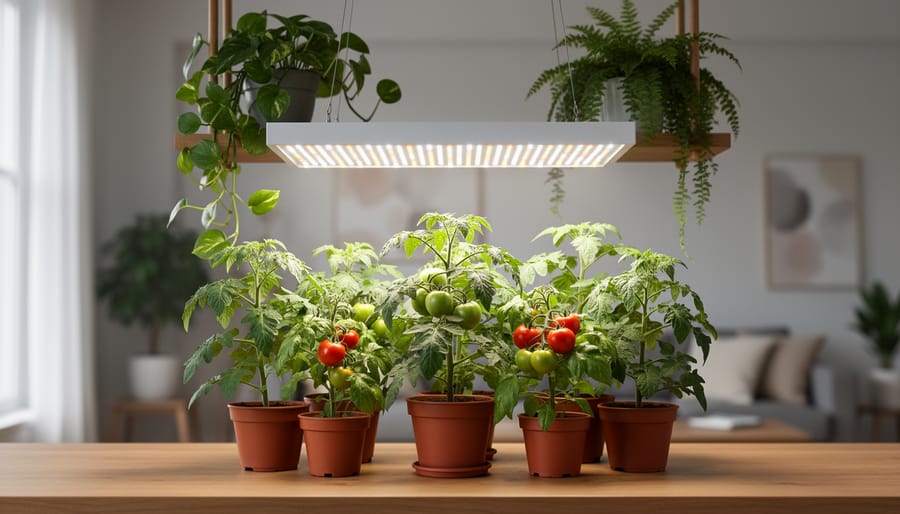
When natural light is limited, supplemental lighting becomes your garden’s best friend. LED grow lights have revolutionized indoor gardening, offering energy-efficient solutions that won’t spike your electricity bills. For small spaces, consider compact LED panels or adjustable grow light strips that can be mounted under shelves or cabinet bottoms.
Different plants have varying light requirements, so it’s important to choose the right intensity. Leafy greens and herbs can thrive under basic full-spectrum LED lights, while fruiting vegetables like tomatoes and peppers need more powerful options with higher light output. Look for lights that provide both blue spectrum (for leaf growth) and red spectrum (for flowering and fruiting).
Position your lights 6-12 inches above your plants, adjusting the height as they grow. Most vegetables need 12-16 hours of light daily. Using a simple timer can automate this process, ensuring your plants get consistent light exposure.
For those on a budget, fluorescent shop lights can work well for starter plants and leafy greens. While they’re not as energy-efficient as LEDs, they’re an affordable entry point into supplemental lighting. Remember to replace bulbs annually, as their effectiveness diminishes over time.
During darker months, even windowsill gardens can benefit from a small grow light to supplement natural light, especially if you’re growing light-hungry vegetables.

Essential Care Tips
Watering and Feeding
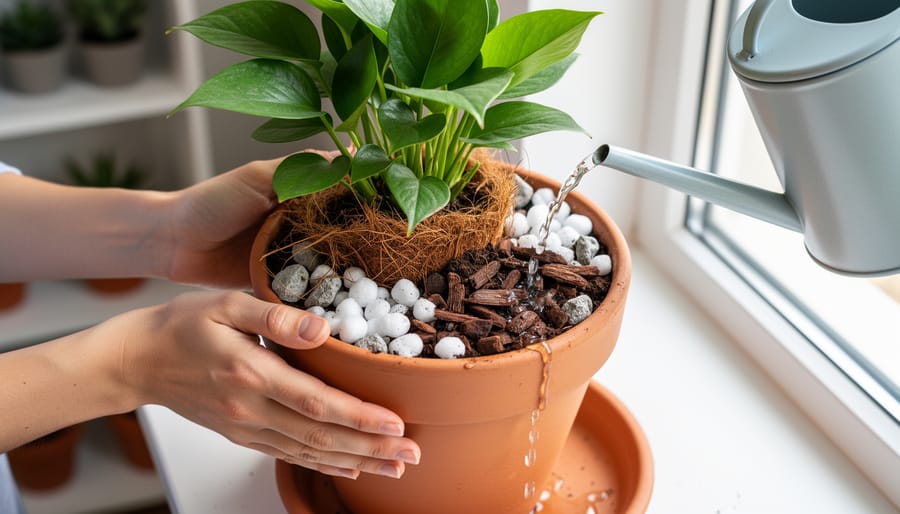
Proper watering and feeding are crucial for success in small-space vegetable gardens. Container plants typically need more frequent watering than those in traditional gardens because soil dries out faster in confined spaces. Check moisture levels daily by inserting your finger about an inch into the soil – if it feels dry, it’s time to water. Water thoroughly until you see it flowing from drainage holes, but avoid waterlogging your plants.
For feeding, use a balanced organic fertilizer specifically formulated for vegetables. Container plants deplete nutrients more quickly, so plan to feed them every 2-3 weeks during the growing season. Consider incorporating slow-release fertilizers into your potting mix at planting time for steady nutrition. Many urban gardeners find success with self-watering containers or drip irrigation systems, which help maintain consistent moisture levels while conserving water.
If you’re growing indoors, place saucers under containers to catch excess water, but never let plants sit in standing water. During hot weather, you might need to water twice daily. Remember that yellowing leaves can indicate either over- or under-watering, so pay attention to your plants’ signals and adjust accordingly.
Pest Management
Managing pests in your small-space vegetable garden doesn’t have to involve harsh chemicals. There are several safe indoor pest control methods that work wonderfully in confined spaces. Start by introducing beneficial insects like ladybugs, which naturally control aphids and other harmful bugs. Neem oil spray is another excellent organic option that helps combat various pests while being safe for your indoor environment.
Keep your growing area clean by removing dead leaves and maintaining proper air circulation to prevent pest problems before they start. Yellow sticky traps can catch flying insects like fungus gnats and whiteflies, while a simple solution of dish soap and water works well for spider mites and soft-bodied insects.
For an extra layer of protection, try companion planting with natural pest-deterrent herbs like basil, mint, or marigolds alongside your vegetables. These not only help keep bugs away but also add beauty and versatility to your garden. Remember to inspect your plants regularly and act quickly if you spot any unwanted visitors – catching problems early makes them much easier to manage naturally.
Growing your own vegetables in a small space isn’t just possible – it’s a rewarding adventure that brings fresh, healthy produce right to your fingertips. As we’ve explored throughout this guide, you don’t need a sprawling backyard to create a thriving vegetable garden. With creative solutions like vertical gardens, container growing, and windowsill herbs, even the tiniest spaces can become productive growing areas.
Remember, success in small-space gardening comes down to making smart choices. Select compact varieties of vegetables, maximize vertical space, ensure adequate lighting, and maintain proper watering schedules. The key is to start small, perhaps with a few herbs or cherry tomatoes, and gradually expand as you gain confidence and experience.
Don’t let limited space hold you back from experiencing the joy of growing your own food. Whether you have a tiny balcony, a sunny windowsill, or just a corner in your kitchen, there’s always room for a few plants. The satisfaction of harvesting your first homegrown vegetables, the money saved on grocery bills, and the positive environmental impact make it all worthwhile.
Take that first step today. Start with one container, one plant, or one hanging basket. As your garden grows, so will your knowledge and enthusiasm for this fulfilling hobby. Happy growing!