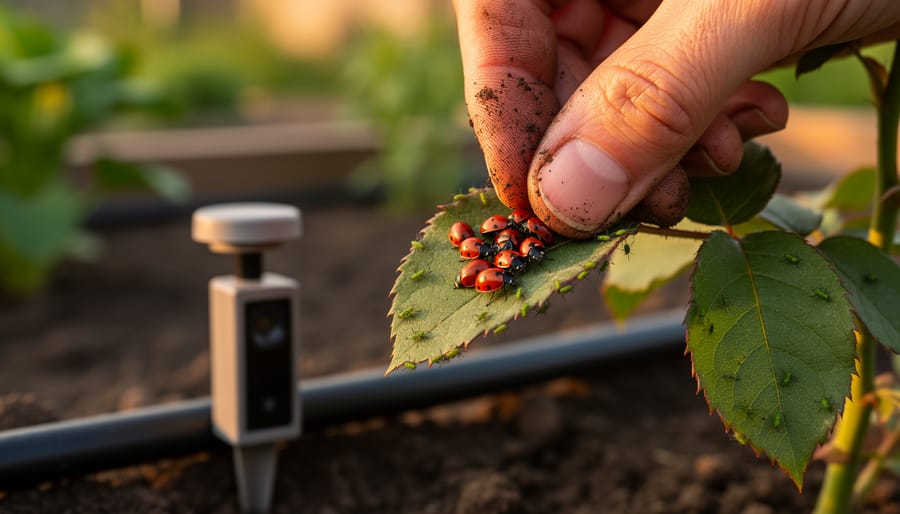
Release beneficial insects like ladybugs and lacewings directly onto affected plants at dusk when they’re less likely to fly away immediately. These natural predators devour aphids, mites, and other garden pests without chemicals, establishing a living defense system that works around the clock.
Install smart moisture sensors paired with automated watering systems to eliminate the damp conditions where fungus gnats and slugs thrive. By watering only when soil reaches optimal dryness levels, you remove the breeding grounds these pests need while improving plant health.
Deploy ultrasonic deterrent devices around garden perimeters to repel rodents, deer, and larger pests without harmful sprays or unsightly fencing. These silent guardians emit frequencies that animals find uncomfortable but remain completely inaudible to humans and safe for beneficial wildlife.
Apply microbial pesticides containing Bacillus thuringiensis directly to plant leaves where caterpillars feed. This naturally occurring bacteria targets only specific pest larvae while leaving bees, butterflies, and other pollinators completely unharmed—a stark contrast to broad-spectrum chemicals.
The frustration you’ve experienced with traditional pest control methods that either fail to work or harm the environment you’re trying to nurture is completely valid. Today’s pest management revolution combines cutting-edge technology with nature’s own defense mechanisms, offering solutions that actually work without compromise. These earth-friendly farming methods represent a fundamental shift in how we protect our gardens—moving from chemical warfare to intelligent collaboration with natural systems. Whether you’re battling persistent aphids on your roses or dealing with destructive beetles in your vegetable patch, next-generation approaches provide targeted, effective solutions that fit seamlessly into sustainable gardening practices.
What Makes Pest Control ‘Next-Gen’?
Remember the days when pest control meant reaching for a spray bottle of chemicals and hoping for the best? We’ve come a long way since then, and I’m excited to share what makes today’s pest management truly revolutionary.
Next-generation pest control represents a fundamental shift in how we think about managing garden pests. Instead of relying solely on broad-spectrum chemical pesticides that eliminate everything in their path—helpful insects included—modern approaches work with nature rather than against it. Think of it as upgrading from a sledgehammer to a precision tool.
At its heart, next-gen pest control combines three key elements: biological controls, smart technology, and integrated management strategies. Biological controls use living organisms like beneficial insects, nematodes, and naturally occurring bacteria to target specific pests without harming the surrounding ecosystem. I’ve watched ladybugs clear an aphid infestation in my rose garden faster than any chemical spray ever did, and they stuck around to prevent future outbreaks.
The technology piece is equally fascinating. We’re talking about sensors that monitor pest populations in real-time, weather-based prediction models that tell you when pests are likely to strike, and targeted application systems that deliver treatments precisely where needed. Some systems even use smartphone apps to help you identify pests and recommend the most effective natural pest control alternatives.
What truly sets next-gen methods apart is their sustainability. These approaches focus on long-term solutions rather than quick fixes, building healthier soil and stronger plants that naturally resist pests. They’re safer for children, pets, and pollinators, while often proving more cost-effective over time since you’re not constantly buying chemical products. The environmental benefits are significant too, protecting groundwater and supporting biodiversity in your garden ecosystem.
The Science Behind Biocontrols (Without the Lab Coat)
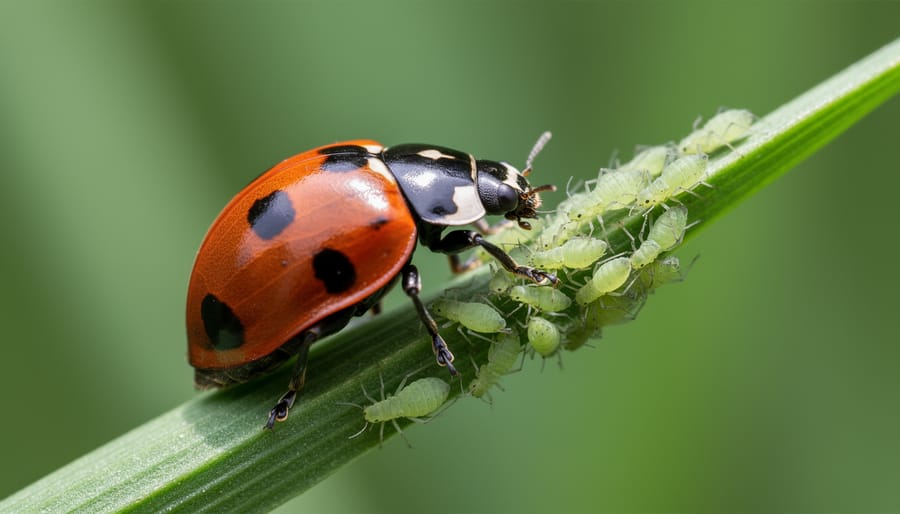
Beneficial Insects as Your Garden’s Security Team
Think of beneficial insects as your garden’s unpaid security detail, patrolling 24/7 to keep troublemakers in check. These tiny warriors are nature’s original pest control, and they’ve been perfecting their craft for millions of years.
Ladybugs are the superstars everyone recognizes. A single ladybug can devour up to 5,000 aphids in its lifetime, and their adorable spotted appearance makes them a garden favorite. If you spot them on your plants, consider yourself lucky. They’re handling your aphid problem before you even notice it exists.
Lacewings, though less famous, are equally impressive. Their delicate, transparent wings might look fragile, but their larvae are voracious predators. Gardeners affectionately call them “aphid lions” because young lacewings can consume hundreds of soft-bodied pests weekly.
Parasitic wasps deserve special mention, even though they sound intimidating. These tiny insects, often smaller than a grain of rice, lay their eggs inside pest insects like caterpillars and aphids. Don’t worry though, they have zero interest in humans. Master gardener Susan Chen shared with me that after introducing parasitic wasps to her vegetable garden, her cabbage worm problem disappeared within three weeks without any chemical intervention.
Ground beetles, hoverflies, and predatory mites round out your security team. The key is creating a welcoming environment with diverse plantings, water sources, and avoiding broad-spectrum pesticides that harm these helpful allies. When you support beneficial insects, they’ll return the favor tenfold.
Microbial Warriors: Bacteria and Fungi That Fight Pests
Nature has its own pest control specialists, and modern science has learned to harness their power for our gardens. Think of these beneficial microorganisms as tiny allies working around the clock to protect your plants.
The star player in this category is Bacillus thuringiensis, or Bt for short. This naturally occurring soil bacterium produces proteins that are toxic to specific insect larvae but completely harmless to humans, pets, and beneficial insects like bees and ladybugs. When caterpillars or beetle larvae munch on Bt-treated leaves, these proteins disrupt their digestive systems, stopping the damage within hours. Different strains target different pests—one variety works wonders on tomato hornworms, while another tackles mosquito larvae in standing water.
Another fascinating option is beneficial nematodes, microscopic roundworms that hunt soil-dwelling pests like grub worms, root weevils, and fungus gnat larvae. Simply mix these warriors with water and apply to your soil. They’ll actively seek out their prey, enter the pest’s body, and release bacteria that eliminate the threat within 48 hours. The best part? They reproduce and continue patrolling your garden for weeks.
What makes these microbial solutions genuinely next-gen is their precision. Unlike broad-spectrum chemical pesticides that eliminate everything in their path, these biological controls target specific pests while leaving beneficial garden inhabitants untouched. You can apply them with confidence, knowing they’ll break down naturally without leaving harmful residues in your soil or on your produce.
Smart Technology Meets Your Garden Bed
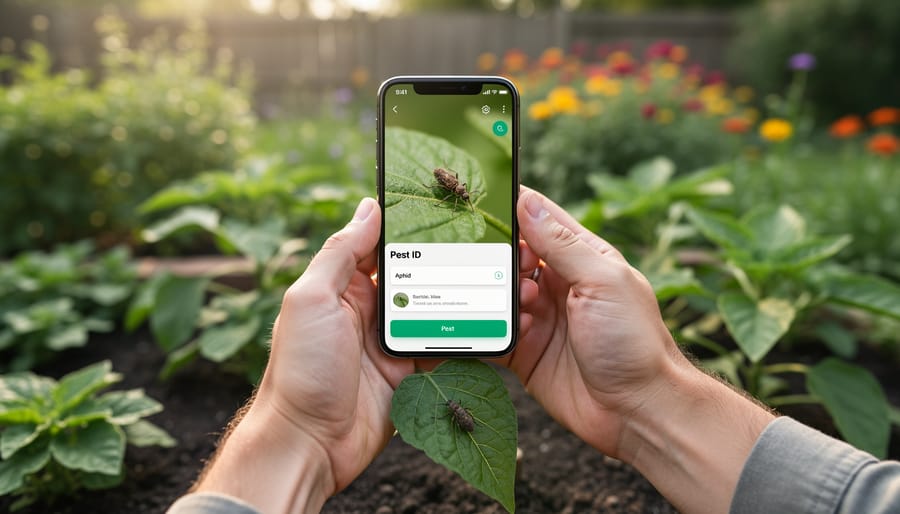
Smartphone Apps That Identify Pests and Diseases
Your smartphone can now become your personal plant doctor! Several innovative apps use photo recognition technology to identify pest problems and diseases within seconds, making diagnosis accessible to everyone.
Picture this: you’re strolling through your garden with your morning coffee and notice something odd on your tomato leaves. Instead of worrying or guessing, you simply snap a photo with an app like Plantix or PictureThis. The technology instantly analyzes the image against extensive databases, identifying everything from aphid infestations to fungal infections.
I’ve been testing these apps myself, and while they’re not perfect, they’re remarkably helpful. They typically provide a confidence rating with their diagnosis, which I appreciate for transparency. Most apps also suggest treatment options, ranging from organic solutions to preventive measures.
What makes these tools truly next-gen is their continuous learning. The more gardeners use them, the smarter they become. Many apps also track your garden’s history, helping you spot patterns over time.
For beginners especially, these apps reduce the intimidation factor of pest management. You don’t need to memorize hundreds of pest species or flip through reference books. Your garden assistant fits right in your pocket, ready whenever you need it.
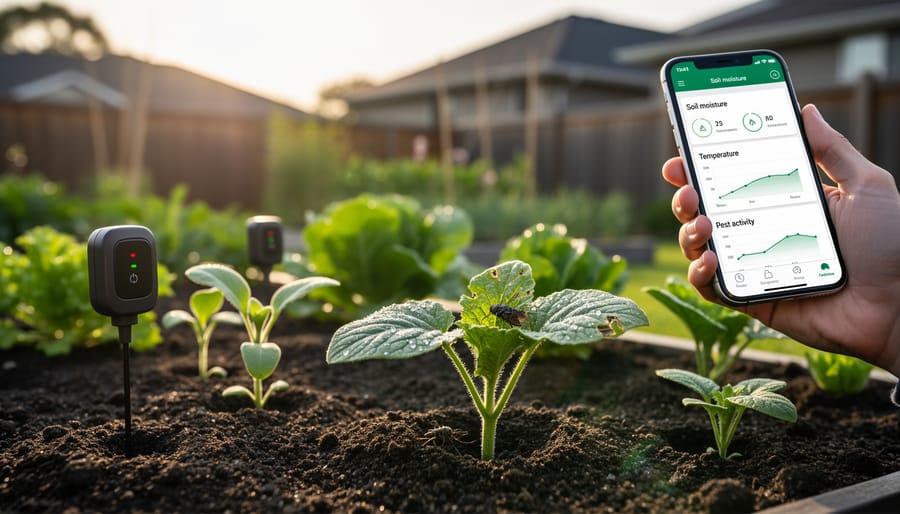
Sensors and Monitoring Systems for Early Detection
The world of smart sensors has finally become affordable enough for home gardeners like us, and I couldn’t be more excited about it! These clever devices act as your garden’s watchful guardians, monitoring conditions 24/7 so you don’t have to.
Modern pest detection sensors work in several ingenious ways. Soil moisture sensors can alert you when conditions become ideal for certain pests, while specialized cameras use AI to identify aphids, caterpillars, and other unwanted visitors before they establish colonies. Some systems even detect the specific vibrations made by munching insects or use pheromone traps connected to apps that track pest populations in real-time.
I recently spoke with Maria Chen, an urban gardener from Seattle, who installed a basic monitoring system in her raised beds. “It’s like having a security camera for my tomatoes,” she laughed. “The app warned me about spider mites before I even noticed them myself.”
You don’t need to break the bank, either. Entry-level systems start around fifty dollars and connect to your smartphone, sending alerts when they detect unusual activity. Many integrate with existing smart home systems, making pest monitoring as simple as checking the weather forecast. This proactive approach means you can respond immediately with targeted solutions rather than discovering damage weeks later.
Automated Solutions: From Traps to Sprayers
Technology has revolutionized how we protect our gardens, bringing precision and convenience to pest management. If you’ve ever wished for pest control that works while you sleep, these automated solutions might be just what you need.
Smart traps represent a significant leap forward from traditional options. These devices use sensors to detect pest activity and send notifications to your smartphone, so you know exactly when and where pests are showing up. Some models even photograph the captured pest, helping you identify patterns and adjust your strategy accordingly. I recently spoke with Marcus Chen, a landscape designer in Oregon, who told me his smart trap system helped him discover that his cucumber beetles were most active just after dawn, allowing him to time his interventions perfectly.
Automated irrigation systems now do double duty by incorporating pest deterrents directly into their watering schedules. These systems can dispense organic repellents like neem oil or garlic spray at programmed intervals, ensuring consistent protection without you lifting a finger. The beauty here is efficiency: you’re watering and protecting simultaneously.
Precision sprayers take the guesswork out of application. These tools use targeted delivery systems to apply treatments exactly where needed, reducing waste and environmental impact. Some advanced models connect to weather apps, automatically adjusting application timing based on conditions like wind speed and humidity. This means your treatments land where intended and stay effective longer, all while using fewer products overall.
Getting Started: Your Next-Gen Pest Control Action Plan

Beginner-Friendly First Steps
Ready to dip your toes into next-gen pest control? You’ll be thrilled to know it’s easier than you might think! Start with companion planting, an age-old technique that’s getting modern validation. Try tucking marigolds between your tomatoes or planting basil near your peppers. These aromatic friends naturally repel many common pests while attracting beneficial insects to your garden.
Next, consider releasing ladybugs or lacewings purchased from garden centers or online suppliers. It feels almost magical watching these tiny helpers patrol your plants, munching through aphids and other troublemakers. Just remember to release them in the evening when they’re less likely to fly away immediately.
Finally, explore basic monitoring apps like Smart Garden or Garden Tracker. These free or low-cost tools help you log pest sightings, get identification help through photo recognition, and receive alerts about pest patterns in your area. Starting small with these three approaches builds your confidence while making a real difference in your garden’s health.
Intermediate Strategies for Growing Confidence
Once you’ve mastered the basics, you’re ready to create a truly resilient garden ecosystem. One of my favorite intermediate strategies is establishing permanent beneficial insect habitats. Think of it as building a neighborhood for your garden’s helpful allies. Plant a diverse mix of flowers like yarrow, alyssum, and fennel around your vegetable beds. These provide year-round food and shelter for ladybugs, lacewings, and parasitic wasps. I added a small insectary border to my garden three years ago, and the difference has been remarkable.
Microbial controls are another game-changer worth exploring. These use naturally occurring bacteria and fungi to target specific pests without harming other creatures. Bacillus thuringiensis, or Bt, tackles caterpillars, while beneficial nematodes hunt down soil-dwelling grubs. The beauty here is precision. You’re essentially introducing microscopic allies that do the heavy lifting for you.
Consider installing insect hotels in quiet garden corners. These simple structures provide overwintering sites for beneficial insects, ensuring they stick around season after season. Start small with one or two approaches, observe what works in your unique space, and build from there.
Advanced Integration for the Tech-Savvy Gardener
Ready to take your pest management to the next level? Creating a comprehensive system is easier than you might think, and I’ve watched many gardeners transform their approach with impressive results.
Start by pairing your smart monitoring devices with biological controls. When your sensor detects an aphid outbreak on your roses, you’ll know exactly when to release ladybugs for maximum impact. This timing precision makes all the difference.
I recently spoke with Maria Chen, an award-winning gardener from Portland, who combines motion-activated cameras with companion planting and beneficial insect releases. “The camera alerts me to larger pests like rabbits, while my nematode applications handle soil-dwelling grubs,” she explains. “Everything works together seamlessly.”
Your integrated system might include smartphone-controlled irrigation that creates unfavorable conditions for fungus gnats, automated pheromone traps for monitoring, and scheduled releases of parasitic wasps. The beauty is that these technologies communicate through simple apps you already understand.
Begin with two compatible technologies that address your biggest pest challenge. Master those, then gradually add layers. Think of it as building a team where each player has a specific role, but they all work toward the same goal: a thriving, pest-resistant garden.
Real Gardeners, Real Results
I wanted to share some inspiring stories from fellow gardeners who’ve made the leap to next-gen pest control methods. Their experiences might just give you the confidence boost you need to try something new in your own garden.
Sarah Martinez from Portland discovered beneficial nematodes three years ago when aphids were decimating her rose bushes. “I was skeptical at first,” she admits. “How could microscopic worms solve my problem? But within two weeks, I noticed a dramatic difference.” Sarah’s biggest lesson? Timing matters. She learned to apply nematodes in the early evening when soil temperatures are optimal, and now she swears by them for managing soil-dwelling pests too.
Meanwhile, Tom Chen in suburban Chicago took a different approach with his vegetable garden. After struggling with inconsistent pest monitoring, he invested in a smart garden sensor system. “The app alerts me the moment conditions favor pest outbreaks,” Tom explains. “Last summer, it warned me about potential squash bug activity three days before I would’ve noticed them myself.” This early warning gave him time to deploy targeted biocontrols before any real damage occurred. His advice? Start with one sensor to learn the system before expanding.
What struck me most about Janet O’Brien’s story was her refreshingly honest approach. This retired teacher from Ohio tried introducing ladybugs to control her cucumber beetle problem, but many flew away initially. “I felt defeated, but then I learned to release them at dusk and mist the plants first,” she shares. Her persistence paid off, and now she maintains a thriving ladybug population that returns each season.
The common thread among these gardeners? They all emphasize patience and observation. Next-gen pest control isn’t about instant fixes but building sustainable systems. They encourage beginners to start small, keep notes on what works, and remember that even experienced gardeners learn through trial and adjustment.
Common Pitfalls and How to Avoid Them
I’ve seen countless gardeners get excited about next-gen pest control only to feel disappointed when results don’t match expectations. The good news? Most setbacks are completely avoidable once you know what to watch for.
The biggest mistake I encounter is expecting instant results from biological controls. When you release ladybugs or lacewings, they’re living creatures that need time to establish themselves and reproduce. Unlike chemical sprays that knock down pests immediately, beneficial insects work gradually. Give them at least two to three weeks before evaluating effectiveness. I learned this the hard way in my own garden, releasing predatory mites and feeling frustrated after just four days!
Another common stumble is releasing biocontrols without providing the habitat they need to stick around. Beneficial insects won’t stay in your garden if there’s no food, water, or shelter for them. Before introducing them, plant some flowers like alyssum, yarrow, or dill nearby. These provide nectar for adult beneficial insects between meals of garden pests.
With smart monitoring systems, many beginners overlook the calibration period. These devices need a week or two to learn your garden’s baseline conditions. During this time, you might get false alerts or miss actual problems. Be patient and adjust sensitivity settings as you learn what’s normal for your space.
Perhaps the most frustrating pitfall is trying to combine old and new methods too quickly. If you spray broad-spectrum pesticides while using beneficial insects, you’ll kill both the good guys and the bad. Choose your approach and commit to it for at least one full growing season before making major changes. This patience pays off with a truly balanced, healthier garden ecosystem.
The journey to next-gen pest control doesn’t require a complete garden overhaul or a degree in entomology. The beauty of these modern gardening trends is that you can start small and build from there. Perhaps you’ll begin by releasing a container of ladybugs this season, or maybe you’ll try hanging a pheromone trap in your fruit trees. Each small step moves you closer to a healthier, more balanced garden ecosystem.
The environmental benefits speak for themselves. By reducing chemical pesticides, you’re protecting pollinators, beneficial insects, and the overall health of your soil. You’re also creating a safer space for children, pets, and wildlife. Plus, many gardeners find that these methods actually save money over time while delivering better long-term results.
Remember, transitioning to smarter pest management is a learning process, not a race. Give yourself permission to experiment, observe what works in your unique garden, and adjust your approach as needed. The natural systems you nurture today will continue supporting your garden for years to come.
Ready to take that first step? Choose one method that resonates with you and try it this growing season. Whether it’s introducing beneficial insects, installing a simple monitoring device, or planting companion flowers, you’ll be joining a growing community of gardeners who are proving that working with nature delivers the most effective pest control of all.