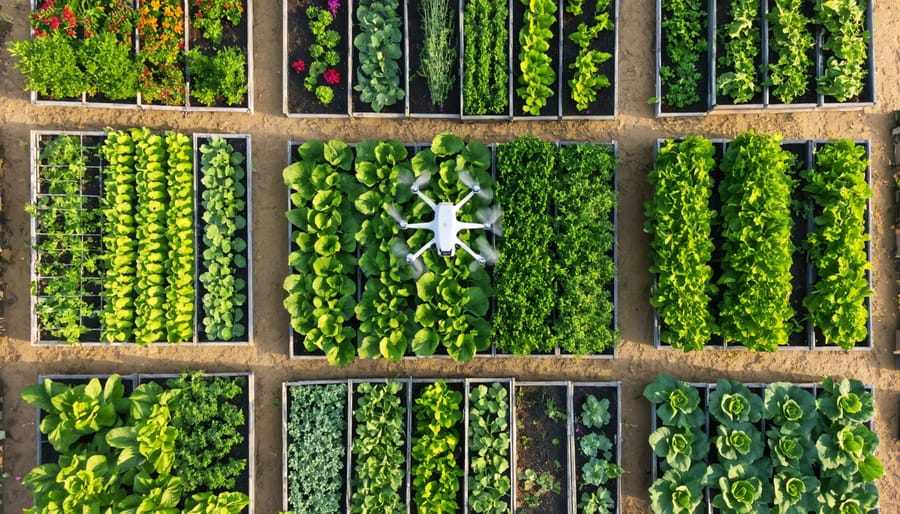
Transform your garden into a water-wise oasis with smart irrigation technology that cuts water usage by up to 50% while delivering perfectly timed hydration to every plant. Today’s intelligent sprinkler systems combine weather data, soil moisture sensors, and smartphone controls to revolutionize the way we nurture our outdoor spaces.
Gone are the days of wasteful watering schedules and soggy lawns. Smart irrigation systems adapt in real-time to rainfall, temperature, and plant needs, ensuring your landscape receives precisely what it needs, when it needs it. Whether you’re managing a compact garden or sprawling yard, these systems offer unprecedented control and efficiency.
For environmentally conscious homeowners, smart irrigation represents more than convenience – it’s a powerful tool for conservation. By automatically adjusting water flow based on local weather patterns and plant requirements, these systems help preserve our precious water resources while maintaining vibrant, healthy gardens. Plus, with potential water bill savings of 20-30% annually, smart irrigation quickly transforms from a luxury into a practical investment for any home gardener.
Let’s explore how these innovative systems can revolutionize your approach to garden care, save you money, and help protect our planet’s most valuable resource.
How Smart Irrigation Systems Transform Your Garden
Key Components That Make It ‘Smart’
Smart irrigation systems rely on three key components that work together to create an intelligent watering solution. First, moisture sensors placed throughout your garden continuously monitor soil conditions, ensuring your plants receive water only when they need it. These sensors are like vigilant gardening assistants, checking the soil’s thirst level 24/7.
The system’s brain is its smart controller, which processes data from the sensors and weather forecasts to make informed watering decisions. Think of it as your garden’s personal meteorologist and water manager rolled into one! Modern controllers can be accessed through smartphone apps, letting you adjust settings from anywhere.
The final piece of the puzzle is the network of smart valves and sprinklers that deliver precise amounts of water exactly where needed. Many systems now integrate with AI-powered plant monitoring to detect signs of stress or disease, adjusting water distribution accordingly.
Additional features might include rain sensors that automatically pause watering during precipitation, flow meters to detect leaks, and zone-specific programming that considers different plant needs throughout your garden.

Real-Time Weather Integration
One of the most impressive features of smart irrigation systems is their ability to tap into real-time weather data to make intelligent watering decisions. These systems connect to local weather stations or online weather services to gather information about rainfall, humidity, temperature, and wind conditions in your area.
Imagine waking up to an unexpected rain shower – your smart irrigation system has already canceled today’s scheduled watering, saving you water and preventing overwatering issues. These systems can also detect upcoming weather patterns, adjusting their schedules accordingly. If a heat wave is predicted, they might increase watering duration, while cooler, cloudy days might trigger reduced watering times.
Some advanced systems even incorporate on-site weather sensors that measure rainfall and moisture levels in your specific location. This hyperlocal data ensures your garden receives precisely the right amount of water based on actual conditions, not just regional forecasts. The result? Healthier plants, lower water bills, and the peace of mind knowing your garden is receiving optimal care regardless of weather fluctuations.
Many gardeners report significant water savings, often between 30-50%, simply by letting their smart systems respond to weather conditions automatically.
Water Savings You Can Actually See

Calculate Your Potential Savings
Want to see how much water and money you could save with a smart irrigation system? Let’s do a quick calculation together!
Start by checking your current water bill and finding your monthly irrigation usage during peak season. Multiply this number by your local water rate. For example, if you use 20,000 gallons for irrigation and pay $0.005 per gallon, you’re spending $100 monthly on garden watering.
Smart irrigation systems typically reduce water usage by 30-50%. Using our example and a conservative 30% savings estimate, you could save 6,000 gallons and $30 per month. Over a full growing season (about 6 months), that’s $180 in savings!
Don’t forget to factor in additional benefits like:
– Reduced plant loss from over/under-watering
– Lower fertilizer needs due to optimal watering
– Less time spent managing irrigation
– Potential rebates from local water authorities
Remember, actual savings vary based on your climate, garden size, and current irrigation practices. Many users report their smart systems paying for themselves within two growing seasons.
Beyond the Water Bill
While saving water and money are compelling reasons to invest in smart irrigation systems, their benefits extend far beyond your utility bills. These innovative systems create healthier, more vibrant gardens by delivering precisely what your plants need, when they need it.
One of the most significant advantages is the ability to detect early signs of plant stress through moisture sensors and monitoring. This means you can address potential problems before they become visible, preventing root rot, fungal diseases, and other water-related issues that often plague traditional irrigation methods.
Your plants will develop stronger root systems thanks to consistent, optimal watering patterns. Rather than shallow watering that encourages surface roots, smart systems promote deep root growth by delivering water at the right depth. This results in more resilient plants that better withstand environmental stresses.
Maintenance becomes significantly easier too. You’ll spend less time manually adjusting sprinklers or fixing overwatered areas. The system’s ability to automatically adjust to weather conditions means no more rushing home during a rainstorm to turn off the sprinklers. Plus, with even water distribution, you’ll notice fewer weeds competing for water and nutrients in your garden.
For those who travel frequently or manage multiple properties, the peace of mind alone makes these systems worthwhile. Your garden stays healthy and thriving, even when you’re away.
Setting Up Your Smart Irrigation System
DIY Installation Tips
Installing your smart irrigation system can be a rewarding weekend project. Before you begin, gather all necessary tools: a shovel, pipe cutter, connectors, and your system components. Start by creating a detailed layout plan of your garden, marking water sources and zones that need different watering schedules.
First, install the smart controller near a power source and within range of your Wi-Fi network. Mount it at eye level in a protected area, like your garage or under an eave. Next, connect the main water supply to your controller using appropriate fittings and waterproof tape to prevent leaks.
Dig trenches 6-12 inches deep for your irrigation lines, ensuring they slope slightly to allow proper drainage. Run the main line from your water source, then branch out to different zones. Pro tip: place all pipes and check your layout before making final connections.
Install your smart sensors in key locations throughout your garden. Place soil moisture sensors in areas that represent the average conditions of each zone. Mount rain sensors where they can accurately detect precipitation without obstruction from trees or structures.
Connect your valves to the controller following the manufacturer’s wiring diagram. Before backfilling trenches, test each zone to check for leaks and proper spray coverage. Finally, configure your smart controller’s settings through its app, inputting details about your plants, soil type, and local weather patterns.
Remember to take photos of your installation process – they’ll come in handy for future maintenance or troubleshooting.

Common Setup Mistakes to Avoid
Setting up your smart irrigation system doesn’t have to be complicated, but there are some common pitfalls that can affect its performance. Let’s look at these mistakes and how to avoid them, ensuring your system works efficiently from day one.
One frequent error is incorrect sensor placement. Avoid installing soil moisture sensors in areas that don’t represent your garden’s average conditions, such as under dense foliage or near downspouts. Instead, place them in spots that reflect typical soil moisture levels for your garden zones.
Poor WiFi connectivity can also hamper your system’s performance. Before installation, check your wireless signal strength in the intended controller location. If the signal is weak, consider using a WiFi extender or repositioning your router for better coverage.
Many gardeners make the mistake of not grouping plants with similar water needs together. This can lead to some plants getting too much water while others receive too little. Take time to plan your irrigation zones based on plant water requirements and sun exposure.
Skipping regular calibration is another oversight. Even the smartest systems need fine-tuning to match your garden’s specific needs. Start with conservative watering schedules and adjust based on plant response and seasonal changes.
Lastly, don’t forget to install a rain shutoff device. This simple addition prevents unnecessary watering during or after rainfall, saving water and protecting your plants from overwatering.
Maintaining Your Smart System
Regular maintenance of your smart irrigation system ensures optimal performance and longevity while maximizing water efficiency. Think of it as preventive plant care – a little attention now saves both time and resources later.
Start with monthly sensor checks – clean any dirt or debris from moisture sensors and weather stations, and ensure they’re properly positioned. During growing seasons, I recommend walking through your garden zones weekly to verify that sprinkler heads are functioning correctly and aren’t blocked by growing plants or accumulated soil.
Don’t forget to update your system’s settings as seasons change. Those perfect summer watering schedules won’t work as well during fall’s cooler temperatures. Most smart systems adjust automatically, but it’s worth reviewing these changes to ensure they align with your garden’s needs.
Battery-operated components typically need replacement annually, while filters should be cleaned or replaced every 3-6 months, depending on your water quality. Make it a habit to check your system’s app notifications – they’re often your first alert to potential issues like unusual water flow or connection problems.
Before winter arrives, remember to drain your system completely to prevent freeze damage. Many smart controllers have built-in winterization programs to help with this process. Store any removable sensors indoors during harsh weather.
Keep your system’s software updated – manufacturers regularly release improvements that can enhance efficiency and add new features. If you notice any significant changes in water usage or plant health, run a quick system diagnostic through your controller’s testing mode. Small adjustments now can prevent bigger problems down the road.
Smart irrigation systems represent a significant leap forward in modern gardening, offering a perfect blend of technology and environmental responsibility. By implementing these innovative solutions, you’ll not only save precious time and water but also create healthier, more vibrant gardens that thrive with minimal intervention. The combination of precision watering, real-time monitoring, and automated scheduling means you can maintain your garden’s beauty while reducing your water bills and environmental footprint.
Whether you’re a busy professional, a dedicated gardener, or simply someone who wants to make a positive environmental impact, smart irrigation systems offer something for everyone. The initial investment quickly pays for itself through reduced water consumption and lower maintenance costs, while the convenience of automated watering gives you more time to enjoy your garden rather than managing it.
As our climate continues to change and water conservation becomes increasingly important, smart irrigation systems stand out as a practical solution for sustainable gardening. By taking the step to upgrade your irrigation system, you’re not just investing in your garden’s future – you’re contributing to a more sustainable world. Start your smart irrigation journey today, and watch your garden flourish while knowing you’re making a responsible choice for both your wallet and the environment.