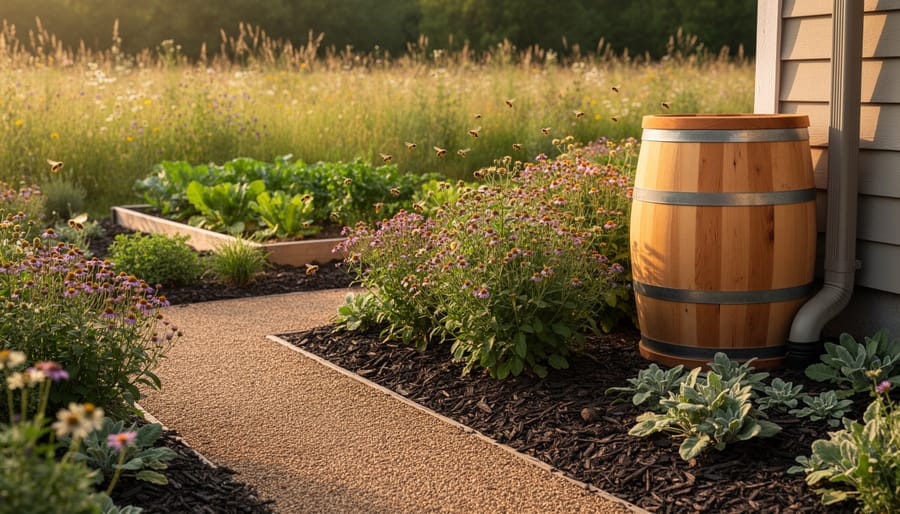
Create stunning visual depth and maximize garden space by designing your landscape in three distinct tiers – ground cover, middle-story shrubs, and towering background plants. This classic design approach helps transform your yard into a layered paradise while establishing natural flow and balance. Each tier serves a unique purpose: the ground layer provides carpet-like coverage and prevents soil erosion, the middle layer offers structural interest and seasonal color, and the background tier creates privacy and frames the entire space. Whether working with a compact urban garden or sprawling suburban landscape, three-tier design principles adapt beautifully to any setting, creating depth and dimension that draws the eye naturally through the space. By thoughtfully selecting plants for each layer based on height, texture, and bloom time, you’ll craft a dynamic landscape that delivers year-round visual interest while supporting local wildlife and sustainable gardening practices.

Planning Your 3-Tier Garden Design
Analyzing Your Space
Before diving into your three-tier garden design, take time to thoroughly assess your outdoor space. Start by examining your soil type using a simple soil test kit – this will help you understand what plants will thrive in your space. Next, track sunlight patterns throughout the day, noting which areas receive full sun, partial shade, or full shade. These observations will be crucial for proper plant placement.
Pay special attention to how water moves through your yard during rainfall. Look for areas where water pools or flows rapidly, as this will impact both your design choices and plant selection. Natural slopes are particularly important in three-tier landscaping – measure the grade of any existing inclines using a level tool.
Don’t forget to map out existing features like trees, structures, and utility lines. These elements will influence your design decisions and may present both challenges and opportunities. Remember, understanding your space’s unique characteristics is the foundation of successful tiered gardening.
Selecting Your Tiers
When selecting tiers for your landscape design, start by assessing your property’s natural slope and available space. For smaller yards, consider tiers ranging from 12 to 24 inches in height, with depths of 3 to 4 feet. Larger properties can accommodate more dramatic elevation changes, with tiers reaching 2 to 3 feet in height and depths of 6 to 8 feet or more.
A good rule of thumb is to maintain a 1:2 ratio between height and depth, ensuring stability and creating a visually pleasing proportion. For steep slopes, you might need shorter, more frequent tiers to prevent erosion and make maintenance manageable. On gentler inclines, longer, sweeping tiers can create a more natural, flowing appearance.
Remember to factor in accessibility – each tier should be easily reachable for planting and maintenance. If you’re working with a flat yard, artificial elevation changes of 18 to 24 inches can create enough visual interest without overwhelming the space.

Plants for Each Tier
Upper Tier: Tall Background Plants
The upper tier of your landscape design serves as a stunning backdrop, creating visual height and depth while providing essential privacy and shade. When selecting plants for this tier, consider incorporating native plants that naturally grow tall in your region, as they’ll require less maintenance and support local wildlife.
Evergreen trees like Norway Spruce or Leyland Cypress offer year-round screening, while deciduous options such as River Birch or Flowering Dogwood provide seasonal interest with their changing foliage. For smaller spaces, consider columnar varieties that grow upward rather than outward.
Large flowering shrubs like Hydrangea paniculata or Viburnum can create dramatic focal points while maintaining the height needed for this tier. Don’t forget about climbing plants – they’re perfect for adding vertical interest without taking up much ground space. Clematis, Wisteria, or Virginia Creeper can transform plain fences or pergolas into living walls of color.
Remember to consider the mature size of your chosen plants and their growth rate when planning this tier. Position these tall elements where they won’t overshadow lower-growing plants or create unwanted shade in your garden beds.
Middle Tier: Medium-Height Plants
The middle tier of your landscape serves as the perfect transition zone, typically featuring plants that grow between 3 to 6 feet tall. Ornamental grasses like feather reed grass and maiden grass add movement and year-round interest, while also providing a soft, natural backdrop for shorter plants. Consider incorporating flowering shrubs such as hydrangeas, butterfly bush, or Japanese spirea for stunning seasonal blooms.
Medium-sized perennials are excellent choices for this layer, with options like black-eyed susans, coneflowers, and Russian sage offering extended blooming periods and attracting beneficial pollinators. For structure and evergreen appeal, compact boxwoods and dwarf rhododendrons work beautifully as anchor plants.
When selecting middle-tier plants, consider their mature width as well as height to ensure proper spacing. Group plants in odd numbers for natural-looking clusters, and mix different textures and blooming times to maintain visual interest throughout the seasons. Hardy salvias, catmint, and daylilies are particularly reliable choices that require minimal maintenance while providing maximum impact in this crucial middle layer.
Remember to account for your local climate and sun exposure when choosing plants, as these factors significantly influence plant performance and longevity.
Lower Tier: Ground Cover and Border Plants
The ground level of your landscape creates the foundation for your entire design, acting as nature’s carpet. Low-growing plants like creeping thyme, sedum, and sweet woodruff offer excellent coverage while requiring minimal maintenance. These ground covers not only prevent soil erosion but also suppress weed growth naturally.
For border definition, consider classic choices like dwarf mondo grass or Japanese pachysandra, which create clean, elegant edges along pathways and garden beds. Flowering options such as creeping phlox or verbena add seasonal bursts of color while maintaining a tidy appearance throughout the year.
In shadier spots, ajuga (bugleweed) and wild ginger thrive, providing rich, textured greenery. For sunny areas, drought-resistant choices like creeping jenny or ice plant offer reliable coverage with the bonus of interesting foliage or blooms.
Remember to space your ground cover plants appropriately – they’ll spread over time. A good rule of thumb is to plant them about 6-12 inches apart, depending on the species and how quickly you want full coverage. These lower-tier plants will gradually weave together, creating a living tapestry that anchors your entire landscape design.
Construction and Maintenance Tips
Building Your Tiers
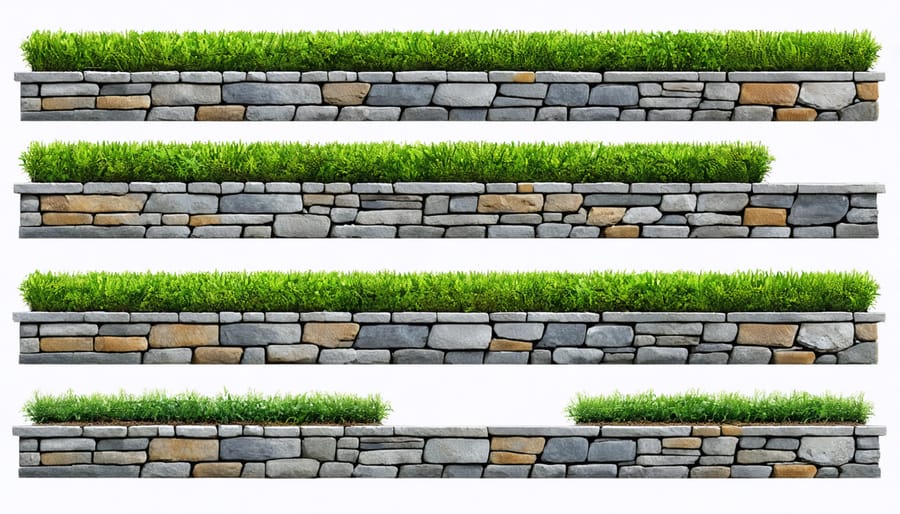
Creating your tiers begins with careful planning and proper foundation work. Start by marking your intended tiers with stakes and string, ensuring each level has adequate drainage. For retaining walls under 2 feet, begin by digging a trench about 6 inches deep and twice the width of your blocks. Fill it with crushed gravel and compact it thoroughly.
When building retaining walls, place your first row of blocks or stones, checking for level both front-to-back and side-to-side. Backfill with gravel as you stack each subsequent row, maintaining a slight backward tilt (about 1 inch per foot of height) for stability. Remember to include drainage pipes behind the wall if it exceeds 4 feet in height.
For raised beds, construct frames using weather-resistant materials like cedar or composite lumber. Secure the corners with heavy-duty brackets and ensure the bed is level before filling. Add landscape fabric at the bottom to prevent weed growth while maintaining drainage.
When creating soil-based terraces, build them during dry weather to prevent soil compaction. Grade each level with a slight slope (about 2%) away from your house for proper drainage. Establish strong edges using either hardscaping materials or deep-rooted plants to prevent erosion.
Always check local building codes before starting, as larger retaining walls may require permits or professional installation. Take your time with each step – rushing the construction process can lead to structural issues later.
Season-by-Season Maintenance
Each season brings unique opportunities to maintain your tiered landscape and ensure its year-round beauty. In spring, focus on pruning winter-damaged branches, refreshing mulch layers, and adding fresh compost to each tier. This is also the perfect time to implement low-maintenance garden design strategies by installing drip irrigation systems and adding slow-release fertilizers.
Summer maintenance revolves around regular watering (especially for the upper tiers, which tend to dry out faster), deadheading spent blooms, and monitoring plant health. Keep an eye on retaining walls for any signs of stress or water damage, particularly after heavy rains.
Fall is your time to clean up fallen leaves, cut back perennials, and protect sensitive plants before winter. Add winter protection to water features and irrigation systems, and ensure proper drainage across all tiers to prevent water pooling.
Winter tasks are minimal but important: protect evergreens from heavy snow loads, check structural elements for frost damage, and plan next season’s improvements while your garden rests. Remember to clear snow from pathways and stairs between tiers to maintain safe access throughout the cold months.
Common Challenges and Solutions
While three-tier landscape designs can create stunning outdoor spaces, they do come with their fair share of challenges. The good news is that most common issues have straightforward solutions that any dedicated gardener can implement.
Erosion often tops the list of concerns, especially during heavy rains. Combat this by installing proper drainage systems and using ground cover plants to hold soil in place. For steeper slopes, consider incorporating retaining walls or terracing with sturdy materials like stone or treated timber.
Watering can be tricky, as the top tier typically receives more water while the bottom may flood. Installing a drip irrigation system with multiple zones helps ensure even water distribution. Adding mulch to each tier also helps retain moisture and reduce water runoff.
Maintenance accessibility is another frequent challenge. Create clear pathways between tiers and include stepping stones or stairs for easy navigation. Consider placing lower-maintenance plants in hard-to-reach areas and save the fussy specimens for more accessible spots.
Plant selection can be complicated due to varying sun exposure across tiers. Choose plants based on their specific light requirements for each level. Upper tiers often receive full sun, while lower levels may need shade-tolerant varieties.
Soil quality can differ between tiers, affecting plant growth. Regular soil testing and amendments help maintain consistent growing conditions. Using raised beds in problematic areas can also provide better control over soil quality.
Remember, proper planning during the initial design phase can prevent many of these issues from arising in the first place.
Creating a three-tier landscape design is an exciting journey that transforms your outdoor space into a dynamic, multi-dimensional paradise. By following the principles we’ve discussed – careful planning, thoughtful plant selection, and proper maintenance – you can create a stunning tiered garden that maximizes your available space while adding visual interest and functionality to your landscape. Remember to work with your yard’s natural topography, choose plants that complement each other across levels, and incorporate sustainable practices into your design. Whether you’re working with a small urban lot or a sprawling backyard, the possibilities for tiered landscaping are endless. Don’t be afraid to start small and expand your design over time. With patience and dedication, you’ll soon be enjoying a beautiful, layered garden that brings joy throughout the seasons. Take that first step today – your dream tiered landscape awaits!