Look down at those leafy invaders pushing through your garden path, and you might be overlooking tomorrow’s salad. That persistent dandelion you’ve been battling? Its leaves pack more vitamins A and C than spinach. The clover blanketing your lawn? Those blossoms make a delightful tea and attract beneficial pollinators. Chickweed, purslane, lamb’s quarters—these so-called weeds are nutritional powerhouses that ancient cultures celebrated as food, not foes.
The transformation from weed-fighter to forager requires just one shift: learning to recognize which volunteers in your garden are not just edible, but delicious. When you embrace edible landscaping that includes these resilient plants, you’ll reduce maintenance hours, eliminate the need for pesticides in those areas, and harvest fresh greens without planting a single seed.
This guide will help you identify the most common edible weeds thriving in your garden right now, show you how to distinguish them from look-alikes, and teach you smart ways to integrate them into your landscape design. You’ll discover which parts to harvest, when to pick them for peak flavor, and simple preparation methods that’ll have you wondering why you ever considered these free-growing treasures a nuisance. Your garden is already producing food—you just need to know where to look.
Why Edible Weeds Belong in Your Landscape Design
I’ll be honest—the first time someone suggested I stop pulling dandelions and start eating them instead, I thought they were pulling my leg! But once I shifted my perspective, my entire approach to gardening changed. Those “pesky weeds” became opportunities rather than problems.
Think about it: what if your landscape could feed you without any extra work on your part? That’s the beauty of edible weeds. They’re already thriving in your yard, perfectly adapted to your local conditions, and asking nothing from you in return. No watering, no fertilizing, no fussing. These plants have spent generations learning how to succeed exactly where they are. When you embrace edible weeds as zero-maintenance food sources, you’re working with nature instead of constantly fighting against it.
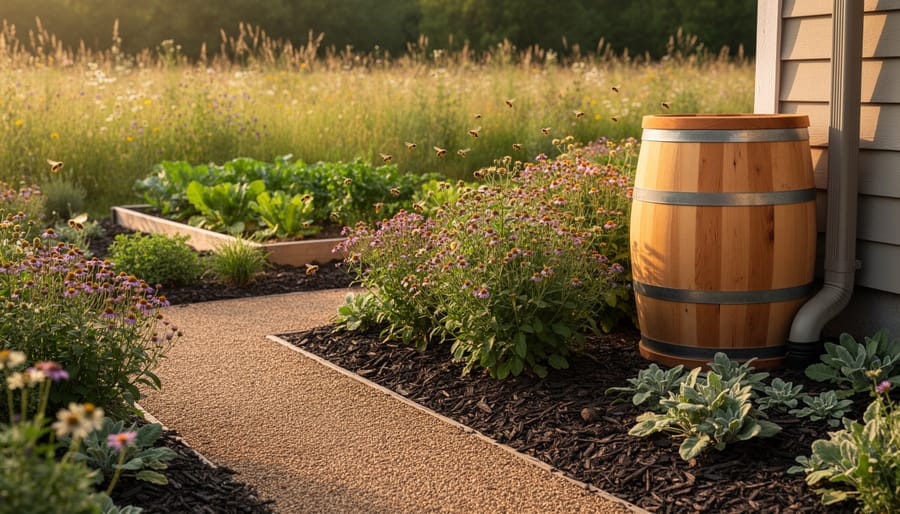
Many common edible weeds are actually native or well-adapted species that belong in your ecosystem. Integrating them into your landscape design brings all the native plant advantages: supporting local wildlife, requiring fewer resources, and creating resilient green spaces. Pollinators absolutely love dandelion flowers, while birds feast on plantain seeds. You’re not just feeding yourself—you’re supporting an entire ecosystem.
And let’s talk savings! When you stop viewing certain plants as enemies, you immediately save money on herbicides, replacement plants, and labor. That’s money back in your pocket, not to mention the environmental cost of chemical treatments you’re avoiding.
The real magic happens when you stop asking “how do I eliminate this?” and start asking “how can I use this?” That simple mindset shift transforms your yard from a battlefield into a productive, sustainable landscape that takes care of itself while taking care of you. Your neighbors might give you curious looks at first, but once you share your fresh dandelion green salad or violet jelly, they’ll understand.
The Most Valuable Edible Weeds Already Growing in Your Yard
Dandelion: The Powerhouse You’ve Been Pulling Out
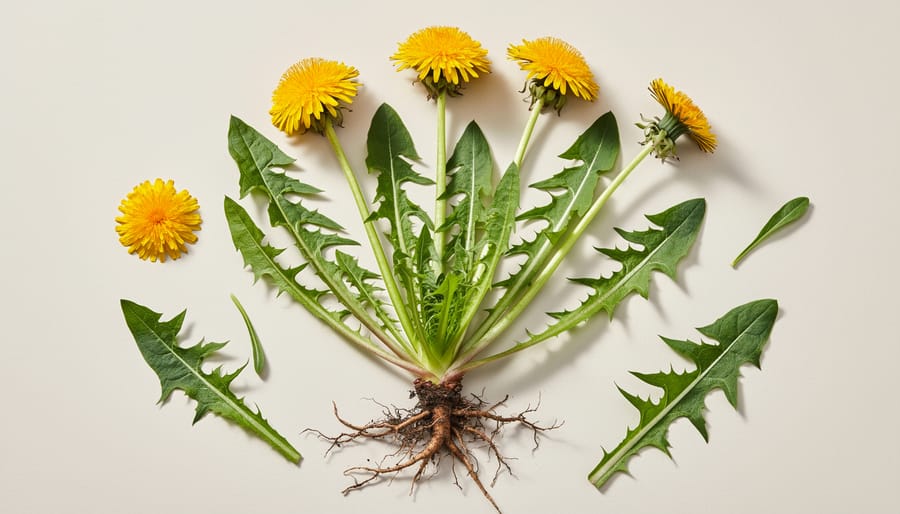
You’ve probably spent years yanking out dandelions, but here’s a secret every forager knows: these golden beauties are edible from tip to root. Let me help you identify this nutritional powerhouse so you can start appreciating instead of eliminating it.
Dandelions are easy to spot with their deeply toothed leaves growing in a rosette pattern and cheerful yellow flowers atop hollow stems. When you snap a stem, it releases a white milky sap—that’s your confirmation. Every part serves a purpose in your kitchen.
Young spring leaves taste mild and slightly bitter, perfect for salads or sautéing like spinach. As summer arrives, they become more bitter but work beautifully in cooked dishes. The bright yellow flowers make delightful fritters, wine, or salad garnishes with their honey-sweet flavor. And don’t ignore those roots! Harvest them in fall when they’re thick with stored energy. Roasted dandelion roots create a surprisingly tasty coffee substitute with earthy, slightly sweet notes.
Here’s my harvesting tip: pick leaves before flowers appear for the mildest taste, gather flowers on sunny mornings when fully open, and dig roots in autumn after the first frost. Always harvest from pesticide-free areas, and leave some plants behind to ensure future growth. One person’s weed truly becomes another’s superfood.
Purslane: Your Free Omega-3 Ground Cover
You’ll recognize purslane by its thick, reddish stems and paddle-shaped, succulent leaves that grow flat along the ground. This low-growing plant spreads readily in sunny spots, creating a living mulch that actually benefits your soil while providing you with free nutrition.
Here’s what makes purslane extraordinary: it contains more omega-3 fatty acids than most fish oils, plus substantial amounts of vitamins A, C, and E. I’ve had experienced gardeners tell me they spent years pulling it out, only to discover they were discarding a nutritional powerhouse that outperforms many expensive salad greens.
The texture is pleasantly crunchy with a mild, slightly lemony flavor that adds refreshing contrast to summer salads. Use the tender stems and leaves raw in salads, add them to smoothies, or lightly sauté them like spinach. The stems stay crisp even when cooked, making purslane perfect for stir-fries.
As a ground cover, purslane requires zero maintenance, tolerates drought beautifully, and self-seeds for next year’s crop. Let it fill spaces between taller plants where you’d otherwise battle bare soil.
Lamb’s Quarters: Nature’s Spinach Substitute
You’ve probably been pulling up this nutritional powerhouse without even knowing it! Lamb’s quarters (Chenopodium album) is remarkably easy to identify with its distinctive diamond-shaped leaves that have a slightly dusty, whitish coating on their undersides. The leaves grow alternately along the stem, and young plants often have reddish or purplish streaks near the base.
Here’s the exciting part: lamb’s quarters actually outshines store-bought spinach nutritionally. It contains more protein, calcium, iron, and vitamins A and C than spinach, plus it’s loaded with omega-3 fatty acids. And unlike spinach, it doesn’t have that bitter oxalic acid bite.
For the best flavor, harvest young plants when they’re six to eight inches tall, or pick tender growing tips throughout the season. The leaves taste mild and slightly nutty, perfect raw in salads or quickly sautéed like spinach. Once flower heads appear, the leaves become tougher and less palatable.
I’ve found the plants most abundant in rich, disturbed soil, so check your vegetable beds first. You might discover you’ve been growing this superfood accidentally all along!
Chickweed: The Delicate Salad Green You’re Mowing Over
That delicate carpet of green threading through your lawn? That’s likely chickweed, and you’ve been sitting on a salad gold mine! This tender green has small, oval leaves growing in pairs along slender stems, with tiny white star-shaped flowers that bloom almost year-round. Run your fingers along the stem and you’ll feel a distinctive line of fine hairs running up one side, your confirmation you’ve found the real deal.
Chickweed thrives in cool weather, giving you an incredibly long harvest season from early spring through late fall, and even through mild winters. Simply snip the top few inches of growth with scissors for the most tender bites.
The flavor is mild and slightly grassy, making it perfect for anyone nervous about trying foraged foods. Toss fresh chickweed into salads, blend it into green smoothies, or sauté it like spinach. Herbalists have long valued chickweed for its soothing properties, traditionally using it in poultices for skin irritations.
Here’s my favorite trick: let chickweed naturalize in shady areas under shrubs where grass struggles anyway. You’ll have a productive groundcover that actually feeds you!
Wood Sorrel: Your Yard’s Lemony Secret
You’ve probably spotted this charming little plant with its heart-shaped, clover-like leaves carpeting shady corners of your garden. Wood sorrel is a delightful surprise for your taste buds, offering a bright, lemony tang that adds zip to salads and makes an elegant garnish for soups or fish dishes. I love nibbling a few leaves while I’m weeding—it’s like nature’s lemonade!
The distinctive trifoliate leaves fold up at night and open during the day, making identification easier. Look for small yellow or pink flowers depending on the variety. The sour flavor comes from oxalic acid, the same compound found in spinach and rhubarb. While perfectly safe in moderation, folks with kidney issues should limit consumption, and everyone should enjoy wood sorrel as an accent rather than the main event.
Try scattering fresh leaves over grilled vegetables or freezing them in ice cubes for a sophisticated touch to summer beverages. This little gem transforms everyday dishes into something special.
Plantain: The Healing Leaf Thriving in Your Pathways
You’ve probably walked right past this healing treasure dozens of times! Plantain grows in compacted soil along pathways and driveways, making it one of the most accessible edible weeds in your yard. Don’t confuse it with the banana-like fruit—this plantain is entirely different.
Two main varieties thrive in gardens: broad-leaf plantain features wide, oval leaves with prominent parallel veins, while narrow-leaf plantain (also called ribwort) has slender, lance-shaped leaves. Both are equally edible and medicinal. Look for young, tender leaves in spring—they’re the tastiest for salads, offering a slightly bitter, mushroom-like flavor. Older leaves become tough and fibrous, though they’re still valuable for other uses.
For centuries, plantain has been called “nature’s band-aid.” The leaves contain compounds that reduce inflammation and promote healing. Simply chew a fresh leaf to release the juices, then apply it directly to bee stings, minor cuts, or insect bites for quick relief. You can also make a soothing tea by steeping fresh or dried leaves in hot water.
When harvesting, choose leaves from areas away from foot traffic or pet waste. Rinse thoroughly before eating raw, or briefly sauté older leaves to improve their texture.
Designing Your Edible Weed Landscape
Creating Intentional Wild Zones
The secret to keeping edible weeds from looking messy is giving them a home where they clearly belong. Think of creating dedicated wild zones as setting up specialized garden rooms—each with its own character and purpose.
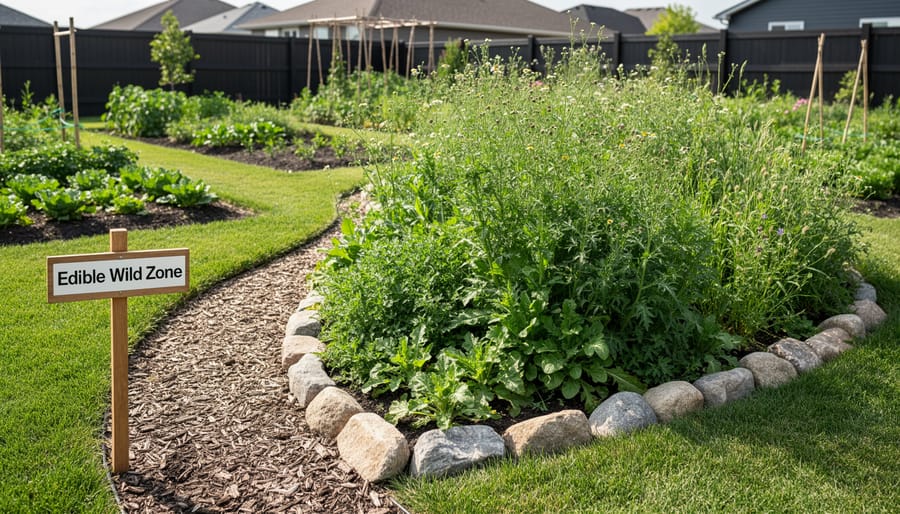
Start by choosing a spot that makes sense visually. A corner along a fence line, beneath fruit trees, or the edges of your property work beautifully. Once you’ve selected your location, define it with clear boundaries. This is crucial! A simple border of stones, brick edging, or even a decorative metal garden edge transforms what might look like neglect into intentional design.
I learned this lesson the hard way when my dandelion patch just looked like I’d given up on lawn care. Adding a twelve-inch border of river rocks changed everything—suddenly it was a feature, not an eyesore.
Mulch pathways around your wild zones with wood chips or straw to create contrast and keep aggressive spreaders contained. You might even add a small handmade sign that says “Pollinator Patch” or “Wild Edibles Zone.” This signals to neighbors and visitors that your choices are deliberate.
Within these zones, let chickweed, purslane, and lamb’s quarters mingle freely. The key is maintaining the edges—keep borders neat, and your wild zone will look charmingly purposeful rather than forgotten.
Pairing Edible Weeds with Ornamentals
Creating beautiful layers in your garden becomes effortless when you let edible weeds work alongside your ornamental plants. The secret is choosing combinations that feel natural while offering visual interest throughout the seasons.
Low-growing chickweed makes a wonderful living mulch beneath roses and shrubs, its delicate white flowers adding a cottage garden charm. Dandelions with their bold leaves create striking contrast when planted near fine-textured ornamental grasses or feathery astilbes. I’ve found that their bright yellow blooms complement purple coneflowers and salvia beautifully.
Violet groundcovers spread beneath hostas and ferns in shady areas, bringing purple and white blooms to spots that might otherwise feel bare. The heart-shaped leaves add texture too. For sunny borders, allow lamb’s quarters to fill gaps between established perennials. Their silvery-green foliage catches light wonderfully and provides height variation.
Wood sorrel thrives in part shade, tucking nicely around the base of ornamental shrubs while adding shamrock-like leaves and tiny yellow flowers. The key is thinking about heights, bloom times, and foliage colors just as you would with traditional plants. These edible volunteers blend seamlessly into designed spaces while quietly stocking your kitchen with fresh greens and flowers.
Managing Spread Without Losing Your Harvest
The key to enjoying edible weeds is keeping them enthusiastic rather than invasive. Regular harvesting is your best friend here – when you pick chickweed for salads or snip purslane for dinner, you’re naturally controlling their spread while reaping the rewards. Think of it as productive weeding!
Designate specific areas where vigorous spreaders like dandelions and clover can thrive, perhaps edging your vegetable beds or filling in gaps under fruit trees. Physical barriers like edging stones or buried landscape fabric can help contain particularly enthusiastic growers.
Some edible weeds need closer watching than others. Mint family members, certain ground covers, and those with creeping root systems deserve regular attention. Check weekly and pull extras before they set seed – those seeds become next season’s challenge.
Here’s a handy approach: harvest before flowering whenever possible. This prevents self-seeding while giving you tender, flavorful greens. If plants do flower, remove seed heads promptly or embrace them as next year’s crop in controlled spots. The beauty is that your “management” translates directly to fresh ingredients for your kitchen, making this maintenance surprisingly rewarding.
Foraging Safely From Your Own Yard
Before you start nibbling on those dandelions in your backyard, let’s talk about staying safe while foraging. I’ve been harvesting weeds from my garden for years, and following a few simple guidelines has kept my family healthy and happy.
First and foremost, absolute certainty in identification is essential. Never eat a plant unless you’re 100% confident you know what it is. Many edible weeds have toxic look-alikes, and the consequences can be serious. Invest in a good field guide with clear photographs, use plant identification apps as backup tools, and consider connecting with experienced foragers in your area who can verify your finds.
Location matters tremendously. Only harvest from areas you know are free from pesticides, herbicides, and other chemicals. This is where your own yard shines as the perfect foraging ground, assuming you garden organically. Avoid gathering near roadsides where vehicle emissions settle, areas where pets frequently relieve themselves, and spots close to treated lawns. If you’re unsure about your soil’s history, it’s worth getting it tested for heavy metals and contaminants.
Understanding which plant parts are edible is equally important. While dandelion leaves are delicious, not every part of every plant is safe to consume. Some plants have edible leaves but toxic roots, or vice versa. Do your research for each species you plan to harvest.
Always wash your foraged greens thoroughly, even from your own garden. A good rinse removes dirt, insects, and any unexpected residues. I usually give mine three separate washings in cold water.
Finally, introduce new wild foods gradually and in small amounts. Even edible plants can cause digestive upset if you’re not accustomed to them. Try a small portion first, wait a day, and see how your body responds. This cautious approach has served me well and helps build confidence as you expand your foraging repertoire.
From Yard to Table: Simple Ways to Use Your Edible Weeds
The Easiest Introduction: Mixed Salads
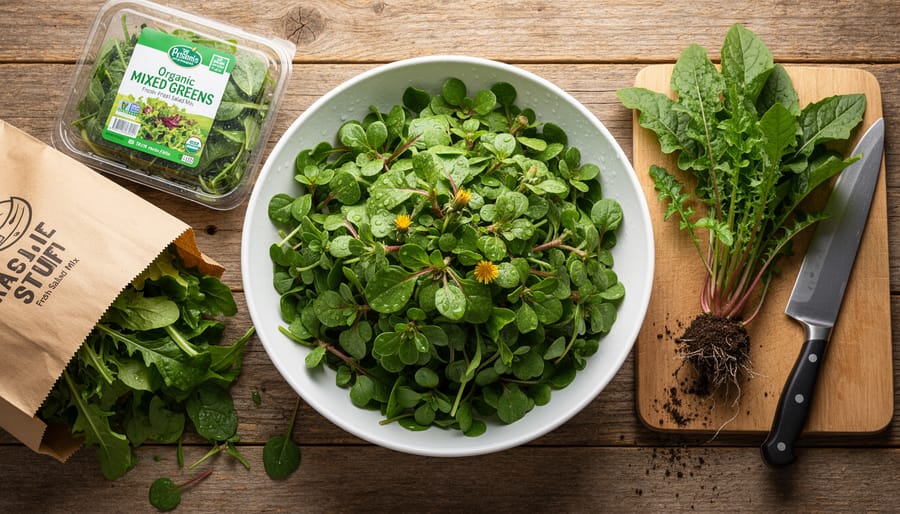
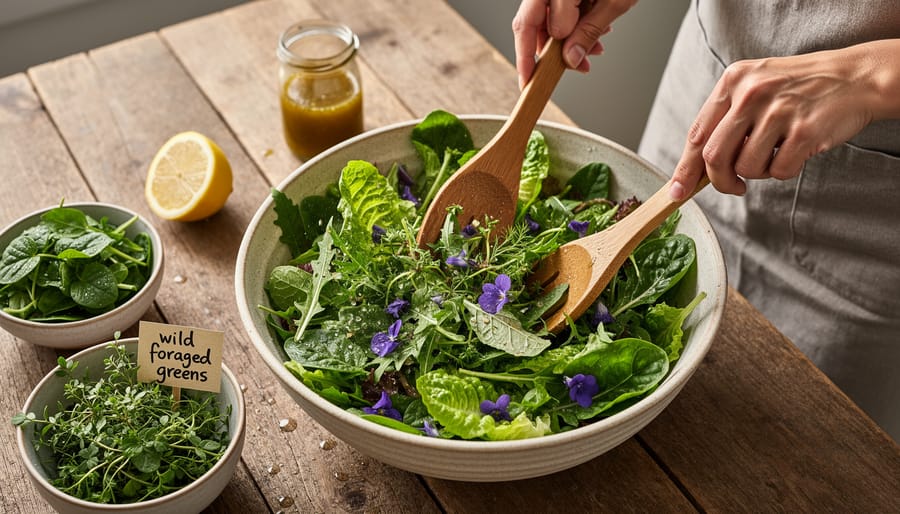
The best way to embrace edible weeds is by sneaking them into your regular salads. Start with just a handful of young dandelion leaves or chickweed mixed into your favorite store-bought greens. This gentle approach helps your palate adjust to new flavors without overwhelming your taste buds.
Try pairing mild chickweed with spinach and a citrus vinaigrette, or toss tender lamb’s quarters with romaine and a creamy dressing. Dandelion greens work beautifully alongside arugula since both share a pleasant bitterness. The key is balancing wild flavors with familiar ones until you gain confidence.
As you become comfortable, gradually increase the ratio of foraged greens to purchased ones. You’ll soon discover that these “weeds” often taste fresher and more interesting than anything from the grocery store. Remember, harvest only what you can positively identify and always gather from pesticide-free areas of your garden.
Smoothies, Pesto, and Other Blended Solutions
Blending is honestly one of my favorite tricks for working with stronger-tasting weeds like dandelion or purslane. When you toss a handful of these nutrient-dense greens into a morning smoothie alongside banana, berries, and yogurt, the fruit sweetness balances any bitterness beautifully. I’ve found that starting with a smaller ratio, maybe one part weeds to three parts other greens like spinach, helps you ease into the flavor.
Pesto is another wonderful way to feature foraged weeds. Chickweed makes a delicate, mild pesto, while dandelion greens create a more robust version perfect for pasta or spreading on crusty bread. Simply swap out half the basil in your favorite recipe with washed garden weeds, then blend with garlic, nuts, parmesan, and olive oil. The processing mellows those intense flavors while preserving all those valuable vitamins and minerals.
Don’t overlook soups and sauces either. Blended nettle soup is a classic that transforms those stinging leaves into velvety goodness. Even lambsquarters and pigweed puree beautifully into creamy soups or green sauces. The key is thinking of these weeds as free, nutritious ingredients rather than garden nuisances.
What to Do When Neighbors Question Your ‘Weedy’ Yard
When a neighbor expresses concern about your “untidy” yard, take it as an opportunity to share your passion rather than feeling defensive. Start with a friendly conversation explaining that you’re cultivating an edible landscape filled with nutritious plants like dandelions, chickweed, and purslane. Most people simply don’t realize these plants have value, and your enthusiasm can be contagious.
Create intentional design elements that signal purpose rather than neglect. Edge your edible weed patches with stone borders or attractive mulch. Add small signs with plant names and uses, which shows visitors you’re curating rather than ignoring your yard. Keep edges trimmed and pathways clear to maintain a tidy appearance even as your foraged greens flourish.
If you’re handling concerned neighbors or HOA inquiries, offer to share educational resources or even a harvest basket. Nothing changes perspectives faster than someone tasting fresh lambs quarters in their dinner salad or learning that purslane contains more omega-3s than most fish.
Consider compromise in highly visible areas. You might keep your front yard more conventional while letting your backyard become your edible weed haven. Or designate specific garden beds for foraged greens, making them look like purposeful plantings rather than opportunistic weeds.
Building relationships through sharing transforms skeptics into supporters. When neighbors see you actively harvesting and enjoying these plants, they’ll understand this isn’t neglect but a thoughtful approach to sustainable gardening.
The shift from battling your yard to partnering with it doesn’t happen overnight, and that’s perfectly okay. Every expert forager you might admire started exactly where you are now, standing in their lawn, wondering if that leafy green thing is really edible. The beauty of foraging your own garden weeds is that you can start incredibly small. Choose just one plant you already have growing, perhaps dandelion or chickweed, and get to know it well this season.
As you learn to identify and use these plants, something wonderful happens. Your relationship with your outdoor space transforms. Those maintenance headaches become harvesting opportunities. That persistent patch of purslane? It’s offering you free omega-3s. Those clover flowers the bees love? They could be your next salad garnish.
This isn’t about turning your entire yard into a foraging paradise tomorrow. It’s about opening yourself to possibilities that were there all along. So take a walk outside with fresh eyes. Look at what’s already thriving without your effort. Some of your most valuable garden plants might be the ones you never planted at all. Your yard has been trying to feed you this whole time. Maybe it’s time to accept the invitation.