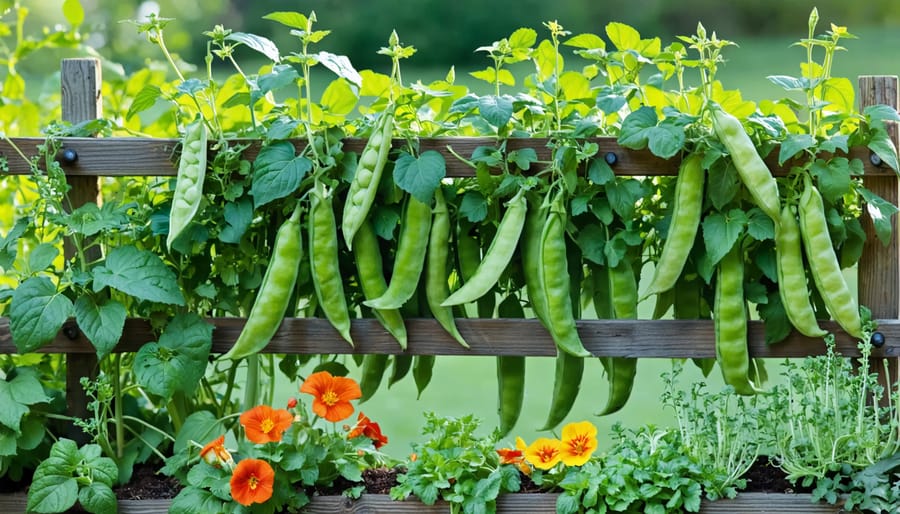
Plant low-growing marigolds and nasturtiums in a 12-inch border around your dahlia bed to create a living barrier against aphids and spider mites, which multiply faster during heat waves and drought stress. These companion plants release compounds that confuse pests while their dense foliage keeps soil cooler by up to 10 degrees during extreme heat.
Intersperse your dahlias with deep-rooted comfrey and yarrow every three to four plants. Their extensive root systems break up compacted soil and create channels that improve drainage during heavy rains while simultaneously drawing up nutrients and moisture from lower soil layers during dry spells. This underground network essentially weatherproofs your dahlia bed against both flooding and drought.
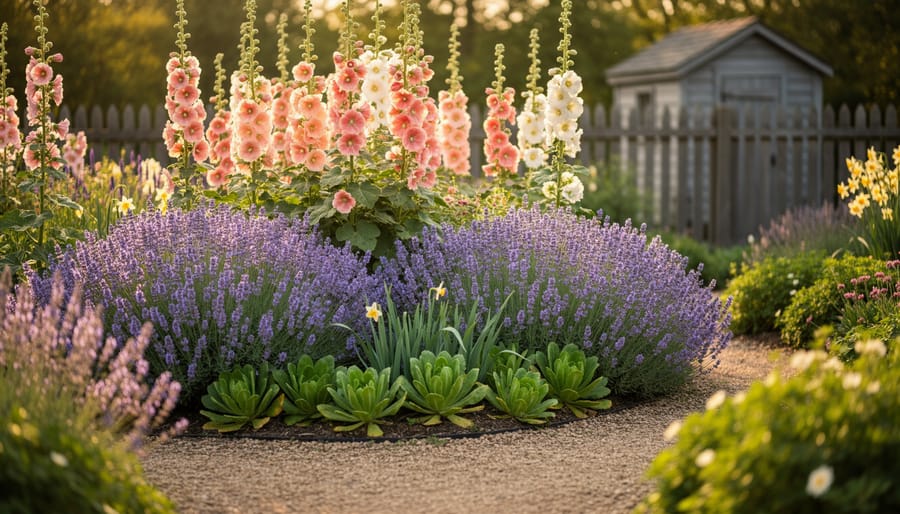
Establish a three-foot wide buffer zone of tall ornamental grasses like miscanthus or switchgrass on the windward side of your dahlia planting. These grasses act as windbreaks during storms, reducing stem breakage by up to 60 percent, while their shade during the hottest part of the day prevents heat stress without blocking morning and late afternoon sun your dahlias need.
Add borage and sweet alyssum as ground-level companions between dahlia plants to attract predatory insects like lacewings and hoverflies. As climate change extends pest breeding seasons, maintaining a constant population of beneficial insects becomes essential for keeping thrips, earwigs, and caterpillars under control without synthetic pesticides that can stress already weather-challenged plants.
Why Dahlias Need Climate-Smart Companions More Than Ever
If you’ve been growing dahlias for a while, you’ve probably noticed they’re becoming a bit more temperamental lately. These gorgeous bloomers are actually quite sensitive to the climate shifts we’re all experiencing, from intense heat waves to unpredictable rainfall patterns. Understanding why dahlias struggle gives us the power to help them thrive through smart companion planting.
Dahlias originated in the cool highlands of Mexico, so they’re naturally programmed to prefer consistent moisture and moderate temperatures. When temperatures soar above 90°F, their blooms can fade quickly, growth slows, and those stunning flowers we love so much may refuse to form altogether. Heat stress also makes them more vulnerable to spider mites and aphids, which reproduce faster in warm conditions. Meanwhile, the wild swings between drought and heavy downpours we’re seeing more often can lead to root rot or stunted growth.
Here’s where companion planting becomes your secret weapon. The right plant partners create protective microclimates around your dahlias, much like how a strategically placed umbrella offers shade and shelter. Taller companions can cast cooling afternoon shade, while leafy groundcovers act as living mulch, keeping soil temperatures stable and moisture levels consistent. This microclimate buffering is one of the key climate-resilient garden strategies that experienced gardeners are embracing.
Beyond temperature regulation, companion plants improve soil structure and water retention. Deep-rooted partners break up compacted soil, helping water penetrate rather than run off during heavy rains. Plants that add organic matter create a sponge-like soil texture that releases moisture slowly during dry spells. Some companions even attract beneficial insects that keep pest populations in check naturally, reducing the need for intervention when heat stress already has your dahlias struggling.
Building this layered, supportive plant community isn’t just about protecting individual dahlias. It’s about creating an entire ecosystem that can bounce back from whatever weather challenges come your way.
Companion Plants That Shield Dahlias From Heat and Drought
Tall Companions for Natural Shade Protection
When temperatures soar and harsh afternoon sun threatens your dahlias, tall companion plants become your garden’s natural umbrella system. I’ve watched my own dahlias thrive once I positioned strategic shade-providers to filter the most intense rays while still allowing morning light through.
Sunflowers make excellent dahlia guardians, especially varieties reaching 6-8 feet tall. Plant them 18-24 inches north or west of your dahlias to cast afternoon shadows without blocking essential morning sun. The key is timing: start sunflowers 2-3 weeks before transplanting dahlias so they’re already establishing height when your dahlias go in the ground. I learned this the hard way after planting everything simultaneously one year and watching my sunflowers lag behind!
Corn creates wonderful living windbreaks while providing dappled shade. Space corn stalks in rows 24-30 inches from dahlia plants, positioning them on the side of prevailing winds. Three or more rows work best for effective wind protection. The tall stalks diffuse strong gusts that could snap dahlia stems during summer storms, something I’ve become increasingly grateful for as weather patterns intensify.
Ornamental grasses like miscanthus or switchgrass offer year-round structure and flexible shade coverage. Plant these 30-36 inches away since their root systems spread considerably. Their feathery plumes sway beautifully in breezes while reducing wind speed by up to 50 percent around your dahlias.
Remember, shade protection works best when companions are already established. Plan your planting sequence carefully, starting with tall companions first. This strategy has transformed my dahlia beds from heat-stressed survivors into flourishing displays that bloom prolifically despite challenging conditions.

Ground Covers That Lock in Moisture
One of my favorite tricks for keeping dahlia roots consistently moist during unpredictable weather is creating a living carpet beneath them. Ground covers act like nature’s own mulch, shading the soil surface and dramatically reducing water loss through evaporation. I learned this technique from a master gardener in southern California who was struggling with increasingly hot, dry summers, and it transformed her dahlia beds.
Sweet alyssum is an absolute superstar for this purpose. This low-growing annual spreads quickly to form a dense mat that keeps soil temperatures several degrees cooler than bare ground. The delicate white or purple blooms add a lovely cottage garden feel while their sweet fragrance attracts beneficial insects. Plant them about six inches from your dahlia stems, and they’ll fill in within weeks.
Creeping thyme offers a more permanent solution if you’re planting dahlias in the same spot year after year. This Mediterranean herb tolerates light foot traffic, releases a wonderful scent when brushed against, and requires virtually no maintenance once established. The bonus? It’s drought-tolerant itself, so it won’t compete with your dahlias for water during dry spells.
Nasturtiums deserve special mention because they pull double duty as both ground cover and pest deterrent. Their round leaves create excellent soil coverage, while their peppery scent helps confuse aphids that might otherwise target your dahlias. I particularly love how their trailing varieties cascade between plants, creating a tapestry effect.
The real magic happens during heat waves. While bare soil can reach scorching temperatures that stress dahlia roots, these ground covers maintain a much more moderate root zone environment, helping your dahlias weather climate extremes with greater resilience.

Companions That Improve Soil Resilience During Weather Swings
Deep-Rooted Allies for Better Drainage
When weather becomes unpredictable, having deep-rooted allies in your dahlia bed is like having insurance against both drought and deluge. These hardworking companions literally go the extra mile underground, creating channels that help your dahlias weather whatever comes their way.
Yarrow is my go-to recommendation for this job. Its roots can reach down 2-3 feet, creating natural pathways through compacted soil. During heavy rains, these channels allow water to drain away quickly instead of pooling around your dahlia tubers, which absolutely hate wet feet. When drought strikes, those same channels help your dahlias access moisture from deeper soil layers. I’ve noticed my dahlias stay perkier during dry spells when yarrow is nearby, and the feathery foliage adds lovely texture contrast.
Comfrey is another champion deep miner, with roots diving even deeper than yarrow, sometimes reaching 10 feet down. It’s incredibly efficient at pulling nutrients from the subsoil and making them available to neighboring plants. During our unusually wet spring last year, my dahlia bed with established comfrey plants drained beautifully while other areas stayed soggy for days.
Plant these allies at the edges of your dahlia bed rather than directly beside the tubers. Space yarrow about 18 inches apart and give comfrey at least 2-3 feet since it spreads enthusiastically. They’ll need one full season to establish their deep root systems, so think of this as an investment in future resilience.
Nitrogen-Fixers That Feed Stressed Plants
One of nature’s most elegant solutions to stressed soil is right at your fingertips: nitrogen-fixing plants. When climate challenges leave your dahlias struggling, legumes like bush beans and clover work behind the scenes to restore soil vitality naturally.
Here’s how this garden magic happens. Legumes form partnerships with specialized bacteria in their root systems that capture nitrogen from the air and convert it into a form plants can actually use. As these roots grow and eventually decompose, they release this nitrogen into the surrounding soil, creating a natural fertilizer factory right where your dahlias need it most.
Bush beans make excellent dahlia companions because they won’t compete for space. Plant them along the perimeter of your dahlia beds, about 12 inches away from the tubers. They’ll enrich the soil throughout the growing season while giving you a tasty harvest. I’ve found that this combination works particularly well after a harsh winter or during drought conditions when dahlias need extra nutritional support.
White clover serves as a living mulch between dahlia plants, fixing nitrogen while keeping soil temperatures moderate and moisture levels consistent. It’s particularly helpful in areas experiencing unpredictable rainfall patterns.
The best part? This approach reduces your dependence on synthetic fertilizers, which can actually harm beneficial soil organisms during climate stress. By the end of the season, you’ll notice stronger stems, more vibrant blooms, and healthier tubers ready for next year’s challenges.
Pest-Deterrent Companions for Warmer Growing Seasons
Aromatic Herbs That Confuse Dahlia Pests
When summer temperatures soar, dahlia pests become particularly aggressive, but strategic aromatic companions can help keep them at bay. Think of these herbs as your garden’s defense team, working around the clock to protect your prized dahlias.
Basil deserves a front-row spot near your dahlias. This fragrant herb releases essential oils that confuse aphids and spider mites, making it harder for them to locate their target plants. As a bonus, you’ll have fresh basil for your kitchen while your dahlias stay healthier. Plant basil about 12 inches from dahlia stems, where it can create an aromatic barrier without competing for resources.
Marigolds have earned their reputation as natural pest deterrents through generations of gardening experience. Their pungent scent masks the sweet smell that attracts many dahlia pests, while their roots release compounds that discourage nematodes in the soil. French marigolds work particularly well, staying compact enough to tuck between dahlia plants without overwhelming them.
Garlic chives offer triple protection: their onion-like aroma repels aphids and Japanese beetles, they require minimal water once established, and they produce lovely white flowers that attract beneficial predatory insects. Plant them in clusters around dahlia beds, spacing them about 8 inches apart for maximum scent dispersal.
These aromatic allies thrive in the same warm conditions dahlias love, making them ideal companions as climate challenges intensify. Together, they create a naturally pest-resistant environment.

Beneficial Insect Attractors
Creating a haven for beneficial insects around your dahlias is like hiring a natural security team for your garden. When you plant attractors like zinnias, cosmos, and dill nearby, you’re essentially rolling out the welcome mat for predatory insects that feast on the pests threatening your dahlias.
Zinnias are absolute powerhouses for this purpose. Their bright, cheerful blooms attract ladybugs, lacewings, and hoverflies, all of which happily munch on aphids and other soft-bodied pests. I love clustering zinnias in small groups around my dahlia bed rather than scattering them randomly—it creates concentrated landing zones that beneficial insects can easily find.
Cosmos work similarly but bloom at slightly different times, extending your protective coverage throughout the season. Their delicate flowers appeal to parasitic wasps that control caterpillar populations, which can be particularly helpful as climate change brings unexpected pest pressures.
Don’t overlook herbs like dill and fennel either. Their umbrella-shaped flower clusters are magnets for beneficial insects. Just remember to give them some space—they can get quite tall and you don’t want them shading your dahlias. This diverse planting approach creates a balanced ecosystem that adapts naturally to changing conditions.
Companions to Avoid in Climate-Stressed Gardens
While companion planting can work wonders for your dahlias, certain plants can actually make life harder for these beautiful bloomers, especially when weather turns extreme. Knowing which neighbors to avoid is just as important as choosing the right companions.
Let’s start with potatoes, which rank high on the avoid list. These tubers share a vulnerability with dahlias to several fungal diseases and pests. During humid or wet periods, planting them together creates a perfect storm for disease transmission. Plus, both are heavy feeders competing for the same nutrients, and in drought conditions, that competition intensifies dramatically.
Fennel deserves special mention as a notorious garden loner. This aromatic herb releases compounds that inhibit the growth of many plants, including dahlias. I’ve seen gardeners puzzle over stunted dahlia growth, only to discover fennel planted just a few feet away. Keep fennel in its own dedicated space, well away from your dahlia beds.
Water-hungry vegetables like tomatoes, cucumbers, and squash might seem like logical garden companions, but they create serious problems during drought. These thirsty plants will compete aggressively with your dahlias for every drop of moisture. When water becomes scarce, someone loses, and it’s often your dahlias.
Cabbage family members, including broccoli, cauliflower, and Brussels sprouts, attract aphids and flea beetles that happily migrate to nearby dahlias. During stressful weather conditions, pest pressure increases, making this shared vulnerability even more problematic.
Shallow-rooted annuals that require constant moisture, like impatiens and begonias, create another challenge. Their dense, moisture-retaining foliage can trap humidity around dahlia stems during wet periods, inviting rot and fungal issues. Avoiding these common companion planting mistakes helps your dahlias thrive regardless of what weather brings.

Creating Your Climate-Adapted Dahlia Companion Layout
Mapping Your Garden’s Microclimates
Before you can place the perfect companions around your dahlias, you need to become a detective in your own garden. Think of it as creating a map of invisible zones that dramatically affect how your plants perform.
Start by observing your garden throughout a single day. Grab a notebook and mark which areas receive morning sun versus afternoon sun. That western-facing wall? It’s likely creating a heat pocket that stays warm well into evening, perfect for heat-loving companions like zinnias or cosmos. Meanwhile, the east side of your house might offer gentler morning light that suits plants preferring cooler conditions.
Next, pay attention to wind patterns. On a breezy day, walk your garden with a ribbon or lightweight fabric and note where wind accelerates between structures. These wind tunnels can dry out dahlias quickly and damage their tall stems. Strategic placement of sturdy companions like rudbeckia or ornamental grasses can create natural windbreaks.
Don’t forget to check moisture levels after watering or rain. Some spots stay soggy while others drain rapidly. Push your finger into the soil in different areas to feel the difference. Low-lying spots that retain moisture might benefit from companions that help wick away excess water, while dry zones need moisture-conserving companions.
I learned this lesson when I lost several dahlia plants to an unexpected frost pocket in what I thought was my warmest bed. The hollow between two raised beds was actually funneling cold air downward at night. Once I identified it and adjusted my planting strategy, my dahlias thrived with appropriate protective companions nearby.
Seasonal Planting Timeline for Maximum Protection
Timing is everything when creating a protective companion planting system for your dahlias. The key is establishing your companion plants early enough that they’re ready to shield your dahlias when they need it most.
Start by planting taller companions like sunflowers and corn three to four weeks before your last frost date. This head start means they’ll already be providing shade and windbreak protection when you plant your dahlia tubers after all danger of frost has passed. I learned this lesson the hard way during a particularly brutal heat wave—my dahlias planted alongside established corn fared remarkably better than those exposed to full sun.
For ground-covering companions that help retain moisture and regulate soil temperature, plant them at the same time as your dahlias. Nasturtiums, sweet alyssum, and low-growing herbs can go directly into the soil alongside your tubers. They’ll establish themselves as your dahlias emerge, creating a living mulch that keeps roots cool during summer heat.
Mid-season additions matter too. Around midsummer, consider succession planting of marigolds or adding late-blooming companions to maintain pest protection as your dahlias reach their peak. These proven plant combinations create layers of protection that adapt to changing conditions throughout the season.
Remember, established companions provide better protection than newly planted ones, so patience with early planting pays dividends when challenging weather arrives.
Ready to transform your dahlia garden into a more resilient paradise? The beauty of companion planting is that you don’t need to overhaul your entire garden overnight. Start small this season by choosing just two or three companion plants that address your most pressing climate challenge. If heat stress is your biggest concern, tuck some marigolds and zinnias around your dahlia border. Dealing with unpredictable rainfall? Try adding a few yarrow plants as your moisture-managing allies.
Keep a simple garden journal or snap photos throughout the season to track what works. Notice which combinations seem to thrive together, which dahlias look healthiest, and where pests tend to gather or avoid. This isn’t about achieving perfection in year one. It’s about building knowledge and creating a garden ecosystem that grows stronger with each passing season.
The wonderful truth about companion planting is that it’s an ongoing conversation with your garden. What works brilliantly this year might need tweaking next season as weather patterns shift, and that’s perfectly okay. You’re not fighting against climate challenges; you’re working alongside nature to create something adaptable and enduring.
So grab those seed packets, make room for a few new plant friends, and give your dahlias the supportive community they deserve. Your future self, standing among abundant blooms despite whatever weather comes your way, will thank you for starting today.