

Transform your California garden into a winter wonderland of vibrant produce and hardy blooms, even as climate patterns shift across the Golden State. While other regions hibernate under snow, our Mediterranean climate offers a unique opportunity to grow an abundant cool-season harvest. From the foggy coast to inland valleys, California gardeners can cultivate everything from crisp lettuce and sweet peas to fragrant herbs and colorful calendulas throughout the winter months.
The key to successful winter gardening in California lies in understanding our distinct microclimates and adapting traditional techniques to increasingly unpredictable weather patterns. Today’s savvy gardeners are embracing flexible protection methods, drought-tolerant varieties, and smart water management strategies to maintain productive gardens despite fluctuating temperatures and rainfall.
Whether you’re a seasoned gardener looking to extend your growing season or a newcomer eager to start your first winter vegetable patch, this guide will help you navigate California’s unique winter growing conditions. We’ll explore proven techniques for protecting tender plants, selecting climate-appropriate varieties, and maintaining a thriving garden through the cooler months – all while working in harmony with our changing environment.
Understanding California’s New Winter Reality
Recent Climate Trends
California’s winter climate has become increasingly unpredictable in recent years, presenting new challenges for garden enthusiasts. Where we once could rely on consistent winter rainfall patterns, we’re now experiencing more extreme swings between intense storms and prolonged dry spells. Many gardeners have noticed that traditional planting calendars don’t quite match up with our new weather reality.
Temperature fluctuations have become more dramatic, with some regions experiencing unusually warm winter days followed by sudden cold snaps. These shifts can confuse plants and affect their growing cycles. Frost dates have become less predictable, making it trickier to time winter plantings effectively.
The good news is that California gardeners are adapting successfully to these changes. Many are installing rain catchment systems to make the most of heavy rainfall events and using mulch more strategically to retain soil moisture during dry periods. Others are experimenting with different planting times and selecting more resilient plant varieties that can handle temperature swings.
Understanding these climate trends helps us make smarter choices in our winter gardens, from choosing hardy plants to installing protective measures at the right time.
Regional Variations
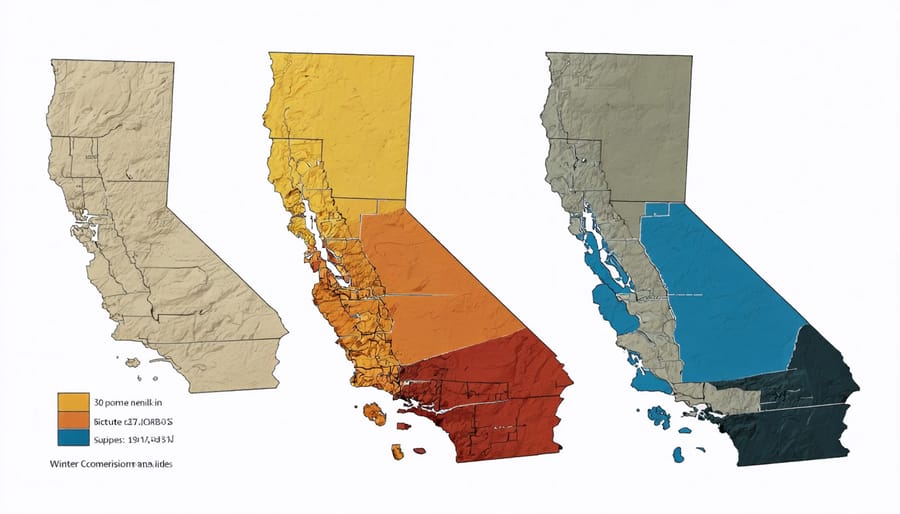
California’s diverse geography creates distinct winter gardening experiences across the state. While coastal regions enjoy mild temperatures rarely dipping below 40°F, inland valleys face occasional frost, and mountain areas endure snow and prolonged freezing conditions. Understanding how these garden zones shape your success is crucial for winter growing.
In Southern California, gardeners can typically grow year-round, with coastal areas from San Diego to Santa Barbara experiencing gentle winters perfect for cool-season crops. The Central Valley presents more challenging conditions, with morning frost common from December through February, requiring protective measures for sensitive plants.
The San Francisco Bay Area benefits from maritime influences, creating mild winters ideal for growing leafy greens and root vegetables. However, microclimates within the region can vary significantly – a garden in foggy Richmond might need different care than one in sunny Walnut Creek.
Northern California gardeners face the most variable conditions, from mild coastal areas to severe mountain winters. Foothill regions need careful planning around frost dates, while mountain gardeners often require greenhouses or cold frames for winter growing.
Resilient Plant Selection for Unpredictable Winters
Cold-Hardy Vegetables
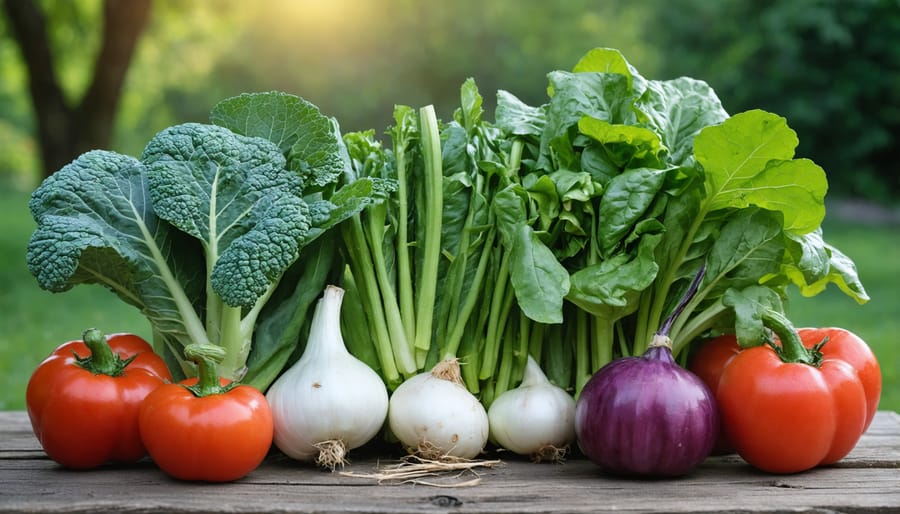
When it comes to winter gardening in California’s unpredictable climate, choosing the right cold-hardy vegetables can make all the difference. Leafy greens are your best friends during the cooler months, with kale leading the pack. Both Tuscan (dinosaur) and Russian varieties can withstand temperature fluctuations and even light frost, making them reliable choices for winter harvests.
Brussels sprouts and cabbage are excellent options that actually develop sweeter flavors after exposure to cold temperatures. Plant these early in fall for a winter bounty. Root vegetables like carrots, turnips, and parsnips are also champions of winter gardens, protected naturally by their underground growth.
Swiss chard and spinach are particularly resilient choices that keep producing throughout the season. Rainbow chard adds beautiful color to your winter garden while providing nutritious greens for your table. For something different, try growing kohlrabi or rutabaga, which are less common but equally hardy winter vegetables.
Garlic and onions planted in fall will develop strong root systems during winter, ready for spring harvest. Snow peas and sugar snap peas can be surprisingly sturdy in mild California winters, especially when provided with proper support and protection from strong winds.
Remember to group plants with similar cold tolerance together, making it easier to protect them if temperatures dip unexpectedly. Most of these vegetables can handle temperatures down to 28°F (-2°C) with minimal protection, though adding a layer of mulch or row cover will help ensure success.
Adaptive Ornamentals
California winters can be unpredictable, but several flowering plants and shrubs are well-equipped to handle varying conditions while adding vibrant color to your garden. Camellias are winter heroes, producing stunning blooms in shades of pink, red, and white from November through March. These elegant shrubs actually prefer the cooler temperatures and can tolerate both sun and partial shade.
Violas and pansies are excellent choices for winter color, as they bounce back beautifully even after frost. Their cheerful faces come in a rainbow of colors and continue blooming throughout the season. Winter jasmine is another reliable performer, with its bright yellow flowers bringing warmth to the garden on even the coldest days.
For structure and reliable flowering, consider adding hybrid hellebores, also known as Lenten roses. These tough perennials produce beautiful, nodding flowers in winter and early spring, even in challenging conditions. Native California lilac (Ceanothus) is another adaptable choice, offering beautiful blue blooms and providing essential food for winter pollinators.
For container gardens, cyclamen adds instant color and can be moved to protected areas during extreme weather events. Their swept-back petals and marbled foliage remain attractive throughout the season.
Native California Options
California’s native plants offer some of the best options for winter gardening, having evolved to thrive in our unique climate patterns. Manzanita, with its striking red bark and winter blooms, provides year-round interest and attracts local pollinators. California fuchsia continues flowering well into the cooler months, while California lilac offers beautiful foliage even when not in bloom.
For ground cover, consider creeping mahonia or coyote mint, both of which maintain their structure and color throughout winter. Native salvias are particularly resilient during unpredictable weather patterns, and many varieties actually prefer the cooler temperatures of winter months.
Western redbud trees put on a spectacular show in late winter, their magenta flowers emerging before the leaves. For shady spots, try native woodland strawberry or giant chain fern, both of which stay green throughout the winter season.
These indigenous plants not only require less maintenance but also support local wildlife and create sustainable garden spaces that naturally adapt to our changing climate. Plus, they typically need minimal winter protection since they’re already suited to California’s weather patterns.
Smart Protection Strategies
Flexible Coverage Systems
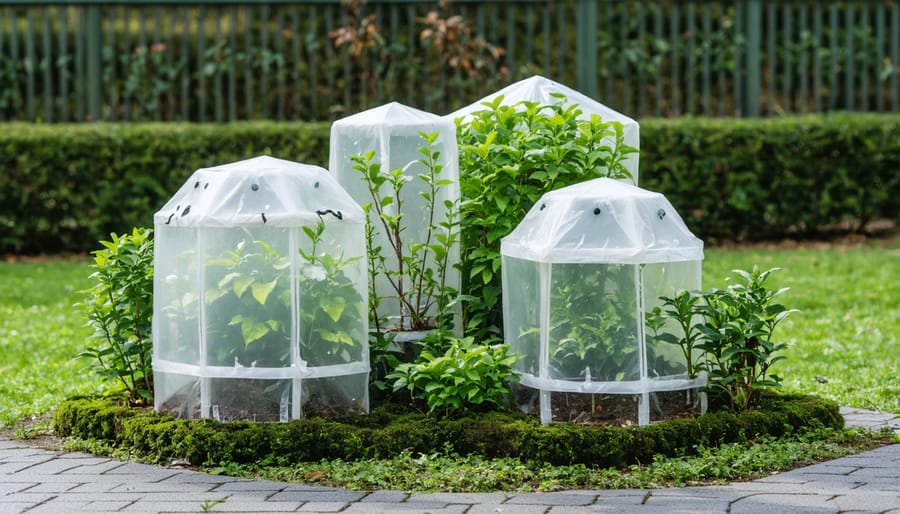
California winters can be unpredictable, making flexible coverage systems essential for protecting your garden. Row covers, also known as floating row covers, are lightweight fabric sheets that can be easily draped over plants or supported by hoops. These versatile covers allow sunlight and water to reach your plants while providing protection from frost and harsh winds.
For more delicate plants, consider using portable cold frames or cloches. These clear plastic or glass structures create a mini-greenhouse effect and can be moved around your garden as needed. Many gardeners find success with adjustable tunnel systems, which can be opened during warm days and closed when temperatures drop.
Shade cloth systems are particularly useful in California, where winter sun can still be intense. These can be installed on adjustable frames, allowing you to protect sensitive plants from both cold and excessive sunshine. For emergency frost protection, keep a supply of old bedsheets or frost blankets ready to deploy when unexpected cold snaps hit.
Rain protection is equally important during wet California winters. Consider installing removable clear plastic panels or retractable awnings above your garden beds. These can shield plants from heavy downpours while being easily removed during mild weather. Remember to secure all coverage systems properly to prevent wind damage, using sturdy stakes or weights as anchors.
For container gardens, wheeled plant dollies make it simple to move plants under protection when needed, offering the ultimate flexibility in plant protection.
Smart Watering Techniques
California’s winter rainfall patterns can be unpredictable, making it crucial to implement smart water management strategies that adapt to changing conditions. During wet periods, reduce your irrigation frequency and adjust automatic timers to prevent overwatering. Most plants need significantly less water in winter, and excess moisture can lead to root rot.
Monitor soil moisture by inserting your finger about two inches into the soil – if it feels damp, hold off on watering. For container gardens, lift the pots to gauge their weight; lighter pots indicate a need for water. Water early in the day to allow plants time to absorb moisture before temperatures drop at night.
Consider installing a rain gauge to track natural precipitation and adjust your watering schedule accordingly. During dry spells, apply mulch around plants to retain moisture and protect roots from temperature fluctuations. A 2-3 inch layer of organic mulch can reduce water evaporation by up to 70%.
For newly planted winter vegetables and flowers, create shallow soil basins around each plant to direct water to the root zone. If using drip irrigation, check lines regularly for clogs or damage from frost. Remember that different plants have varying water needs – established native plants typically require minimal winter irrigation, while winter vegetables may need more consistent moisture to produce well.
Soil Management
California’s winter soil management requires special attention, particularly during unpredictable weather patterns. The key is maintaining a balanced approach that protects and nourishes your garden soil through changing conditions. Start by conducting a soil test in early fall to understand what amendments your garden needs before the winter season begins.
Adding a thick layer of organic mulch (3-4 inches) helps regulate soil temperature and moisture levels during both unexpected warm spells and frost periods. Fallen leaves, straw, or wood chips work wonderfully as natural mulch materials. This protective layer also prevents soil erosion during heavy winter rains, which can be particularly challenging in California’s varied climate.
Cover cropping is another excellent strategy to improve soil health during the winter months. Plants like fava beans, clover, or vetch protect the soil while adding valuable nutrients. When spring arrives, these cover crops can be turned into the soil, providing organic matter and enhancing soil structure.
During dry winter spells, maintain consistent soil moisture without overwatering. Using a moisture meter can help you make informed decisions about when to water. Remember to water deeply but less frequently, encouraging roots to grow deeper and become more resilient to weather fluctuations. This approach helps create a strong foundation for your winter garden while preparing the soil for spring planting.
Monitoring and Maintenance
Weather Tracking Tools
In today’s tech-savvy world, staying ahead of winter weather changes has never been easier. Smart weather stations for your garden are becoming increasingly popular, offering real-time data about temperature, humidity, and soil conditions right from your smartphone. These devices can alert you when temperatures are expected to drop below freezing, giving you precious time to protect sensitive plants.
Several free weather apps specifically designed for gardeners can provide detailed forecasts and frost warnings. The National Weather Service’s website and mobile app offer reliable California-specific forecasts, while specialty gardening apps like Garden Weather Watch can help you track microclimates in your specific location.
Consider investing in a simple digital thermometer with minimum/maximum temperature tracking to monitor cold spots in your garden. Soil temperature probes are also invaluable tools, helping you determine when it’s safe to plant winter vegetables or protect root systems.
For those who prefer traditional methods, a rain gauge and outdoor thermometer remain trustworthy companions. Combined with modern technology, these tools help you make informed decisions about winter garden care, from timing your waterings to deciding when to add extra protection for your plants.
Quick Response Strategies
California’s winter weather can be unpredictable, but having a quick response plan can help protect your garden when sudden changes occur. Adapting to weather changes requires keeping essential supplies on hand and knowing when to act.
For unexpected frost warnings, keep frost cloth or old bedsheets readily available to cover sensitive plants. If you can’t cover all plants, prioritize protecting young seedlings and frost-sensitive vegetables. Move container plants to sheltered areas or closer to buildings where they’ll benefit from retained heat.
During sudden heavy rains, ensure proper drainage by quickly clearing blocked gutters and creating temporary channels to direct water away from plant beds. Keep mulch materials nearby to add an extra protective layer when needed. For periods of unexpected warmth, have shade cloth ready to protect cool-season crops from bolting.
Monitor weather forecasts daily and set up phone alerts for extreme weather warnings. Remember, acting quickly can mean the difference between saving your winter harvest and losing it to unexpected weather events. Keep garden tools organized and easily accessible so you can respond swiftly when needed.
Winter gardening in California offers unique opportunities and challenges, but with the right approach, you can create a thriving garden even during the cooler months. By selecting cold-hardy plants, implementing proper protection methods, and maintaining consistent care routines, you’ll be well-equipped to enjoy fresh harvests throughout the season. Remember to adapt these strategies to your specific microclimate, as California’s diverse regions each present their own gardening conditions. Stay flexible with your planting schedule, monitor weather patterns, and don’t be afraid to experiment with different techniques. Whether you’re growing winter vegetables, maintaining perennials, or preparing for spring, your garden can remain productive and beautiful year-round. With dedication and these proven strategies, you’ll discover that winter gardening in California can be both rewarding and enjoyable. Happy gardening!


