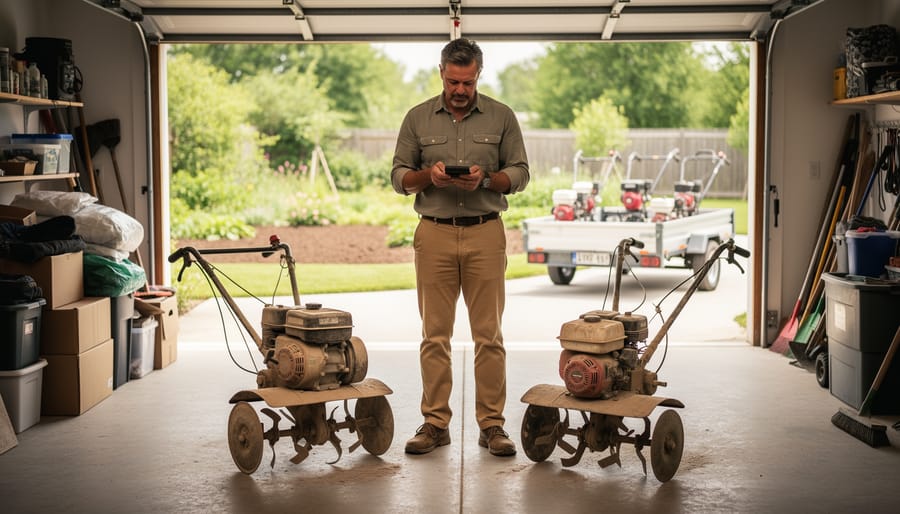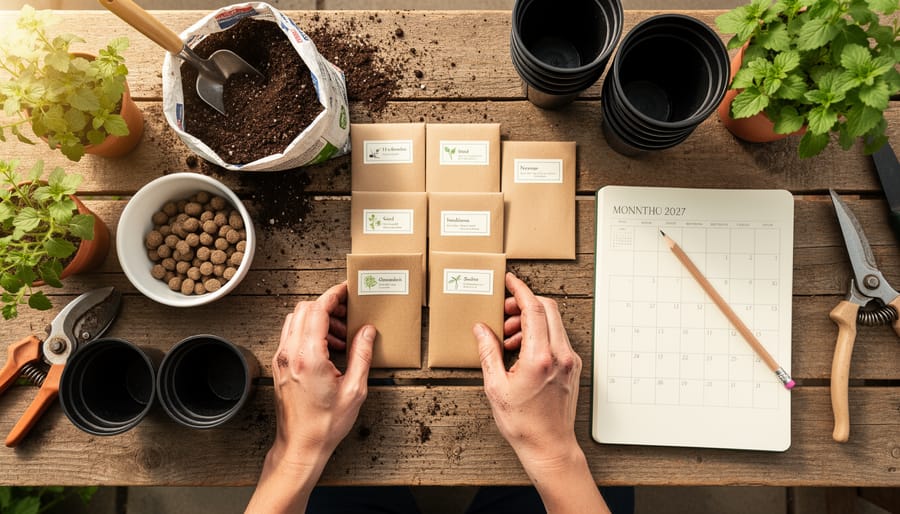
Track gardening supply prices throughout the year by creating a simple spreadsheet with monthly columns for items you buy regularly—seed packets, potting soil, fertilizer, and mulch. You’ll quickly spot that most retailers slash prices 50-75% on seeds in late summer, while soil amendments hit rock bottom in November when garden centers clear inventory before winter.
Calculate your break-even point for bulk purchases by dividing the total cost by the number of growing seasons you’ll use the product. Fertilizers and soil amendments typically stay viable for 2-3 years when stored properly, making spring bulk deals worthwhile if you’ll save at least 30% compared to buying smaller quantities throughout the season.
Map your purchases to the retail calendar rather than your planting schedule. February through April brings premium pricing when demand peaks, but savvy gardeners stock up during three key windows: end-of-season clearances in September and October, Black Friday garden tool sales, and January’s post-holiday markdowns on equipment and containers.
Set purchase triggers based on per-unit costs, not percentage discounts. Know that quality potting mix should cost no more than $3 per cubic foot, organic fertilizer around $1.50 per pound, and seed packets under $2 each. When prices drop below these thresholds at any time of year, buy enough to carry you through the next season.
Build a 12-month purchase planner that aligns with your garden’s actual needs, factoring in storage space and product shelf life. This strategic approach transforms impulsive shopping into intentional investing, putting hundreds of dollars back in your pocket annually while ensuring you never run short of essential supplies mid-season.
Why Gardeners Lose Money Without a Purchase Planner
I learned this lesson the hard way during my third year of gardening. I walked into my local garden center one bright April morning, excited to start planting, and walked out $200 poorer with half the supplies I actually needed. Sound familiar?
Without a purchase planner, most gardeners lose money in three predictable ways. First, there’s the impulse buying trap. You spot that beautiful watering can or those adorable plant markers and convince yourself you need them right now. These unplanned purchases add up quickly, often costing 30-40% more than your actual gardening budget should allow.
Then there’s the timing problem. Buying seeds in March or April means paying full retail price, when those same packets could be purchased for 50-75% off during end-of-season sales in late summer. I once paid $4.99 per seed packet in spring, only to see the identical varieties marked down to $1.25 in August. That stung.
Peak-price purchasing hits hardest with larger items. Garden tools, pots, and soil amendments cost significantly more during the busy spring rush. A quality pruning shear that sells for $45 in April might drop to $25 in October, but without planning ahead, you’re stuck paying premium prices when you desperately need it.
Missing bulk-buying opportunities costs money too. Compost, mulch, and fertilizer purchased in small bags throughout the season can cost double what you’d pay buying in bulk during off-peak months. One gardener I interviewed calculated she spent $340 on bagged compost over one season when a single bulk delivery in early spring would have cost just $180.
The real kicker? These losses compound year after year. A gardener spending an extra $400 annually on poorly timed purchases has thrown away $4,000 over a decade. That’s enough for a beautiful greenhouse or complete garden renovation. Even exploring options like buying secondhand garden supplies becomes easier when you’ve planned ahead and know exactly what you need.
What Is a Purchase Planner (And Why Every Gardener Needs One)
Picture this: You’re standing in the garden center in March, eyes gleaming at the seed displays, when you spot those gorgeous heirloom tomato starts. You grab three without thinking. Fast forward to May, and you’re back again, this time picking up soil amendments you didn’t realize you needed. By summer’s end, you’ve made a dozen unplanned trips and spent twice what you intended. Sound familiar?
This is where a purchase planner becomes your gardening budget’s best friend. Think of it as your strategic shopping roadmap—a simple system that maps out exactly what gardening supplies you need, when to buy them for the best prices, and how much to purchase at once. It’s not complicated spreadsheet wizardry; it’s just intentional planning that transforms those impulse runs into purposeful, money-saving shopping trips.
A purchase planner helps you anticipate your garden’s needs throughout the season. Instead of buying potting soil in expensive small bags whenever you run out, you’ll know to stock up during spring sales. Rather than paying premium prices for seeds in April, you’ll grab them during January clearances. You’ll even discover opportunities for garden rebates and grants when you plan purchases ahead.
The beauty of a purchase planner is that it works for any budget or garden size. Whether you’re managing a small balcony container garden or a sprawling backyard vegetable plot, having this tool means you’re in control. You’ll stop wondering where your gardening money went and start watching your savings grow alongside your plants.

Timing Your Garden Purchases Around Seasonal Deals
End-of-Season Clearance Sales (Your Best Friend)
If there’s one secret that seasoned gardeners swear by, it’s this: end-of-season clearance sales are pure gold. I still remember the thrill of snagging $200 worth of terra cotta pots for just $40 one chilly November afternoon. That’s the kind of savings we’re talking about!
Late fall and winter bring the deepest discounts you’ll find all year. Garden centers need to clear inventory to make room for holiday merchandise and next season’s stock, which means you benefit from their urgency. We’re not talking modest markdowns here—expect to see 50 to 75 percent off regular prices on everything from hand tools to patio furniture.
October through January is your golden window. In October, you’ll find outdoor furniture, large planters, and power equipment heavily discounted. By November, most perennials, shrubs, and garden ornaments drop to clearance prices. December and January often bring the steepest cuts, sometimes reaching 75 percent off on remaining inventory.
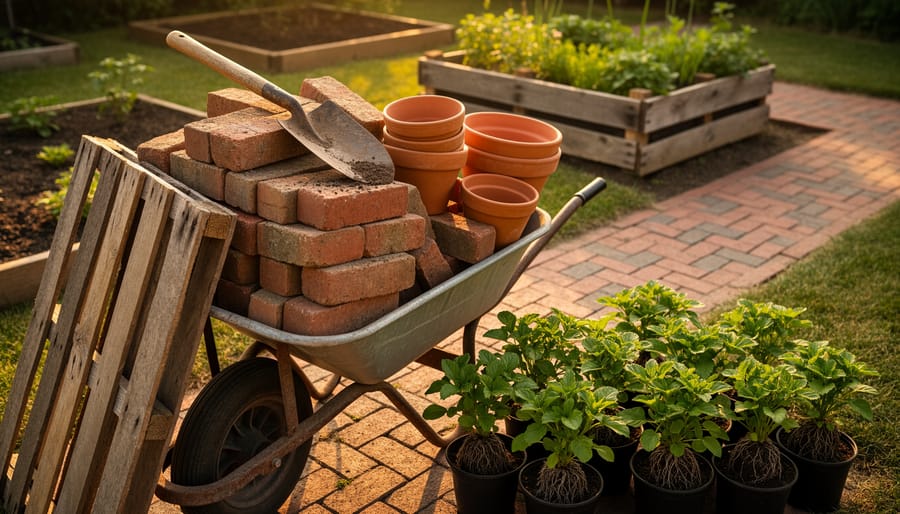
Focus your clearance shopping on items that store well and don’t expire. Quality hand tools, watering cans, clay pots, garden stakes, trellises, and decorative elements are perfect clearance purchases. I’ve built an impressive collection of beautiful ceramic pots simply by waiting until November each year.
One gardener I interviewed, Martha, furnished her entire potting shed for under $300 by shopping clearance sales exclusively. She scheduled specific shopping days in her purchase planner for mid-November and early January, treating them like appointments she couldn’t miss. Smart planning combined with patience equals serious savings.
Off-Peak Seed and Bulb Shopping
Timing is everything when it comes to scoring great deals on seeds and bulbs. I learned this the hard way during my first few years of gardening, paying full price in spring when everyone else was shopping. Now I’ve got a system that saves me hundreds each year.
The sweet spot for seed shopping is late summer through early fall, typically August through October. Garden centers want to clear their inventory before winter, so you’ll find discounts ranging from 50% to 75% off. Spring bulbs like tulips, daffodils, and crocuses go on clearance right after their planting season ends, usually late November through December. Yes, this feels backward at first, but retailers need that shelf space for holiday items.
Here’s what I’ve discovered about storage. Seeds remain viable for surprisingly long periods if you keep them cool and dry. I store mine in a sealed container with silica gel packets in my basement, where temperatures stay steady around 50-60 degrees. Most vegetable seeds last 2-4 years this way, though I always test a few in damp paper towels before planting season to check germination rates.
Bulbs require different care. After purchasing clearance bulbs, inspect them carefully for soft spots or mold. Store healthy bulbs in a cool, dark place with good air circulation. Paper bags work better than plastic, which can trap moisture. I hang mesh bags in my garage, checking monthly to remove any that start deteriorating. This simple planning approach means I’m planting premium varieties at bargain prices every season.

Soil, Mulch, and Amendment Timing
Timing your bulk soil, compost, and amendment purchases can save you 30-50% compared to buying small bags during peak season. I learned this the hard way after spending nearly double on bagged compost in May versus what I could have paid in November!
The sweet spot for buying bulk soil products is late fall, typically October through November. Garden centers want to clear inventory before winter, and many municipalities offer free or discounted compost as they clean up leaf collection sites. I’ve scored incredible deals on mushroom compost and aged manure during this window. Early spring, around March, offers a second opportunity as nurseries bring in fresh stock and may discount older inventory to make room.
Here’s a pro tip from master gardener Linda Chen, who runs a community garden in Oregon: “Call your local nurseries in September and ask when they typically run fall clearance sales. Add those dates to your calendar, and you’ll know exactly when to strike each year.”
Most garden centers follow predictable sale cycles. They discount amendments right after major holidays like Memorial Day and Labor Day, when gardening activity traditionally slows. Big-box stores often mark down pallets of bagged products by 40% or more when the bags show minor wear, even though the contents are perfectly fine.
Planning ahead means you can buy a full season’s worth of amendments when prices dip, then store them covered in a dry spot until planting time arrives.
The Smart Gardener’s Bulk-Buy Strategy
Which Garden Supplies Are Worth Buying in Bulk
Smart gardeners know that certain supplies are perfect candidates for bulk buying, offering substantial savings without the worry of spoilage or waste. Let’s explore which items deserve that bulk purchase treatment and how to store them effectively.
Fertilizers top the list of bulk-worthy purchases, especially granular and dry formulations. When stored in sealed containers away from moisture, they maintain their effectiveness for years. I’ve personally saved over 40% by purchasing 50-pound bags instead of those convenient but pricey small boxes. Just remember to keep them in a cool, dry location with the original labels attached for reference.
Mulch and compost are champion bulk buys since you’ll need them annually anyway. Many suppliers offer significant discounts when you order by the cubic yard rather than by the bag. A single yard can save you up to $100 compared to bagged versions, though you’ll need space to store it or plan immediate application.
Pots and containers are surprisingly economical when purchased in bulk, particularly standard sizes. Buying flats of 20 or more identical pots can cut your per-unit cost in half. They stack beautifully for storage and never expire, making them ideal for future propagation projects.
Plant stakes, row covers, and landscape fabric also merit bulk consideration. These materials have indefinite shelf lives when stored properly and you’ll inevitably use them season after season. Combining new purchases with secondhand materials can stretch your budget even further.
Seeds present a special case for bulk buying. While they do have expiration dates, many varieties remain viable for 3-5 years when stored in cool, dark, dry conditions. Consider splitting bulk seed orders with fellow gardeners to maximize freshness while enjoying volume discounts.

Calculating Your Actual Savings (The Simple Math)
Here’s a simple way to figure out if that bulk bag of fertilizer or case of seed packets is genuinely saving you money. I learned this formula the hard way after discovering half-used bottles of concentrated nutrients that had expired in my garden shed!
Start with the basic savings calculation: multiply the unit price difference by the quantity. For example, if individual seed packets cost $3 each but buying a 10-pack reduces the price to $2.50 per packet, you’re saving 50 cents per packet, which equals $5 total.
But don’t stop there. Now factor in three crucial elements that gardeners often overlook.
First, consider storage costs. Do you need to rent additional space or purchase storage containers? Subtract those expenses from your savings. That waterproof storage bin might cost $25, which could wipe out your $5 savings entirely.
Second, think about product lifespan. Seeds typically remain viable for one to three years depending on the variety, while liquid fertilizers might only last one season after opening. If you’re buying a three-year supply of tomato seeds but only have a 70 percent germination rate after year two, you’re essentially wasting money.
Third, calculate your actual usage rate. Be honest about how much you’ll realistically use. I once bought a massive bag of bone meal because the per-pound price was fantastic, but it took me four years to use it all.
The formula looks like this: Total Savings minus Storage Costs minus Waste from Expired Product equals Actual Savings. If your actual savings number is positive and meaningful to your budget, go ahead with that bulk purchase. If it’s negative or barely breaking even, buying smaller quantities as needed makes better financial sense.
Building Your Personal Garden Purchase Planner
Step 1: Audit Last Year’s Spending
Before you dive into planning future purchases, take a moment to look back. Grab your receipts, credit card statements, or even that shoebox where you’ve been tossing gardening invoices—no judgment here! Reviewing what you bought last year reveals surprising patterns about your spending habits.
Start by listing all your gardening purchases from the past twelve months. I like to sort mine into categories: seeds, plants, soil and amendments, tools, containers, and pest control. You might notice you bought three different fertilizers when one would’ve done the job, or that you grabbed impulse buys at the garden center that never made it into the ground.
Look for waste too. Did those clearance perennials actually thrive, or did they languish in their pots? Were those premium tomato cages worth the extra cost, or would stakes have worked just fine?
This honest assessment isn’t about feeling guilty—it’s about learning. When I did my first audit, I discovered I’d spent nearly two hundred dollars on plants that weren’t suited to my zone. That realization completely transformed how I shop now, and it’ll do the same for you.
Step 2: Map Your Growing Season to Purchase Windows
Once you know your frost dates and growing zones, it’s time to create a purchase calendar that works backward from your planting schedule. I like to think of this as connecting the dots between what your garden needs and when stores offer their best deals.
Start by listing your major garden tasks month by month. When do you start seeds indoors? When does transplanting happen? When do you need mulch or fertilizer? Now, add a buffer of 2-4 weeks before each task to allow for shopping and delivery times.
Here’s a simple template to get you started: Create a spreadsheet with columns for Month, Garden Task, Items Needed, Best Purchase Window, and Budget. For example, if you’re transplanting tomatoes in May, mark March as your ideal time to buy seed-starting supplies when they’re heavily discounted.
I’ve found that photographing my garden shed inventory before making my calendar prevents duplicate purchases. One experienced gardener I interviewed, Maria from Colorado, saves nearly 40 percent annually by syncing her purchases with post-season clearances. She buys next year’s pots and trays in July when garden centers desperately clear inventory.
Don’t forget to mark major sale events like spring kickoff sales in February and end-of-summer clearances in August on your calendar too.
Step 3: Set Category Budgets and Triggers
Now that you’ve tracked your spending patterns, it’s time to create realistic budgets for each supply category. Think of this as giving yourself permission to spend wisely rather than restricting yourself completely.
Start by reviewing your tracking data and dividing supplies into categories like seeds, soil amendments, tools, containers, and pest control. Assign a realistic annual budget to each category based on your actual needs and past spending. For example, if you typically spend $200 on seeds but often overbuy, set a budget of $150 to encourage more thoughtful selection.
Next, establish price-point triggers that signal when it’s time to buy. These are specific prices that make an item worth purchasing, even if you don’t need it immediately. I learned this lesson when potting soil went on sale for 40% off last fall. I bought enough bags for spring planting and saved over $60. Your trigger might be 30% off premium compost or $5 per perennial during clearance season.
Write down your triggers for frequently purchased items and keep this list handy when shopping. This prevents impulse buying while ensuring you don’t miss genuine deals. Don’t forget to factor in potential rebates for garden projects that could stretch your budget further.
Real Gardener Story: How Sarah Saved $800 in One Year
When Sarah Mitchell started tracking her gardening purchases last January, she had no idea just how much money was slipping through her fingers. “I’d see a sale on potting mix and grab a few bags, then realize two weeks later I’d paid full price for the same thing at a different store,” she laughs. “I was spending without thinking.”
That’s when Sarah decided to create her first purchase planner. She grabbed a simple notebook and spent an evening listing everything she’d need for the year ahead: seeds, fertilizer, pots, tools, mulch, and amendments. Then she researched when each item typically went on sale.
The results surprised her. By mid-December, Sarah had saved $847 compared to her previous year’s spending. How did she do it?
“The biggest win was buying potting soil in bulk during fall clearance sales,” Sarah explains. “I picked up twenty bags at 75% off in October and stored them in my garage. That alone saved me about $180.” She also waited until June to buy her tomato cages when home improvement stores cleared spring inventory, snagging them for half price.
Sarah’s planner helped her spot patterns she’d never noticed before. Garden tools always dropped in price around Father’s Day. Organic fertilizers went on deep discount in late August. Seeds hit rock-bottom prices in February.
“The planner kept me disciplined,” she says. “Instead of impulse buying, I’d check my list and think, ‘Can this wait until the sale season?’ Usually, it could.”
Her favorite strategy? Combining her planner with store loyalty programs. “I’d wait until my favorite nursery had their member appreciation week, then buy all my perennials at once with my accumulated points. I got $120 worth of plants for about $40.”
Sarah’s advice for beginners? “Start simple. You don’t need fancy software. Just write down what you need and when sales typically happen. The savings add up faster than you’d think.”
Common Purchase Planning Mistakes (And How to Avoid Them)
Even the most enthusiastic gardeners can fall into common traps when planning their purchases. Let’s talk about these pitfalls so you can sidestep them and keep your budget on track.
The biggest mistake I see is over-buying perishables like seeds, fertilizers, and pest treatments. That bargain pack of lettuce seeds might seem like a steal, but if you’re only planting two rows, you’ll end up with extras that lose viability over time. Seeds typically last one to three years depending on the variety, so only buy what you’ll realistically use within that window. The same goes for liquid fertilizers and organic pest sprays that can degrade or separate once opened.
Another frequent issue is ignoring your actual storage space. I learned this lesson the hard way when I bought four giant bags of potting mix during an end-of-season sale, only to realize I had nowhere to keep them dry. Before bulk buying, measure your shed, garage, or basement and be realistic about what you can properly store. Damp conditions ruin even the best deals.
Then there’s the trap of deals that aren’t really savings. A 30-percent-off coupon sounds great until you realize you’re buying something you don’t need or could find as secondhand garden tools for even less. Always ask yourself: Would I buy this at full price? If the answer is no, it’s probably not a true saving.
Finally, many gardeners don’t track what they already have at home. Before heading to the store or clicking that online cart, take fifteen minutes to inventory your supplies. You might discover you already have three bags of compost or plenty of bamboo stakes from last season. Keep a simple list on your phone or in your garden journal to avoid duplicate purchases. This habit alone can save you hundreds of dollars each year.
You’ve just learned how to transform your gardening budget from reactive to intentional, and now it’s time to put your knowledge into action. The beauty of a purchase planner is that it works immediately – even if you start with just a simple spreadsheet or a page in your gardening journal. Don’t wait for January to begin; your next smart purchase could happen this week.
Remember, every experienced gardener I’ve interviewed for this publication has their own system for strategic shopping. Some swear by detailed spreadsheets, while others prefer a simple notebook tucked in their potting shed. The best purchase planner is the one you’ll actually use consistently. Start with the basic framework we’ve covered, then adapt it to match your gardening style and goals.
Strategic shopping isn’t about deprivation or missing out – it’s about empowerment. When you know exactly what you need and when to buy it, you’ll spend less time second-guessing purchases and more time enjoying your garden. Plus, those savings add up quickly, leaving more room in your budget for trying that exciting new heirloom variety or investing in a quality tool you’ve been eyeing.
I’d love to hear about your own money-saving strategies! What seasonal deals have you discovered? Do you have a favorite time to stock up on specific supplies? Share your tips in the comments below – our gardening community thrives when we learn from each other.
Your next step is simple: grab whatever planning tool feels comfortable and jot down three items you need in the coming months. Then, note when you’ll likely find the best prices. That’s it – you’re officially planning your purchases like a pro!