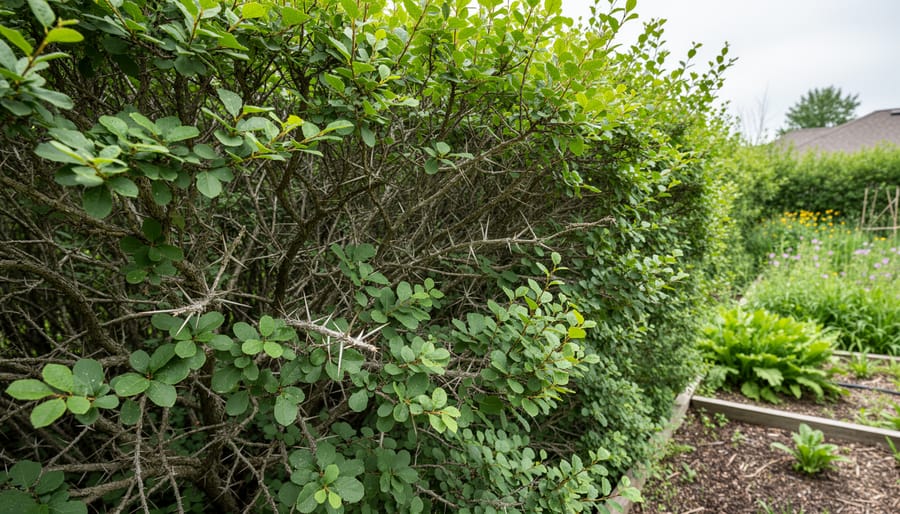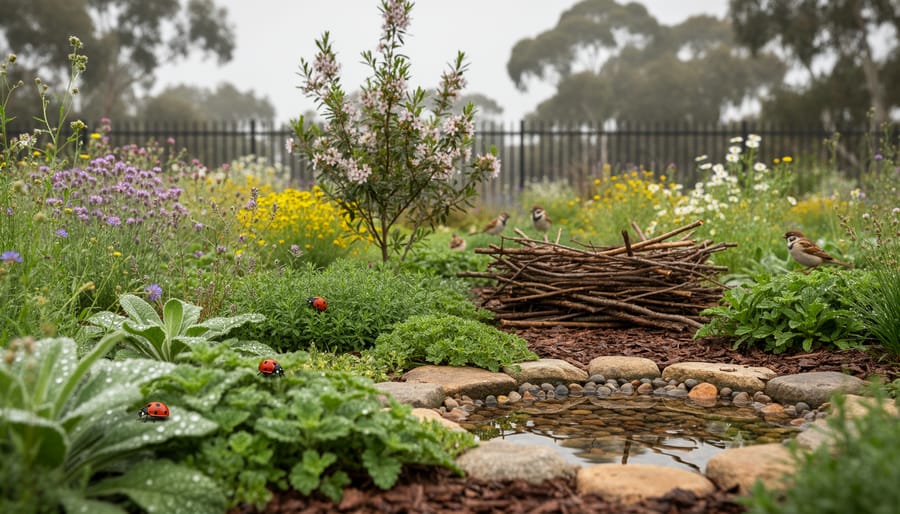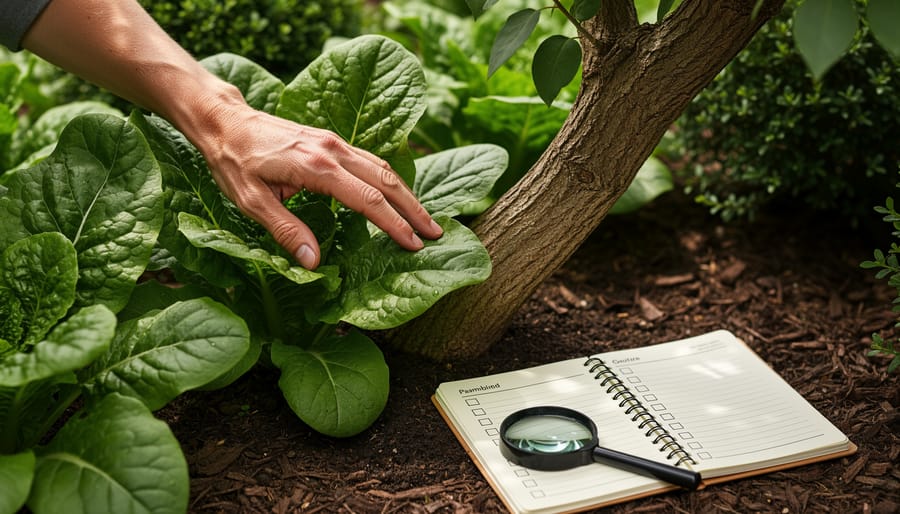
A pest management program is a structured, year-round approach to preventing and controlling pest problems in your garden through regular monitoring, preventive practices, and targeted interventions instead of relying solely on emergency treatments. Think of it as a health plan for your garden rather than a trip to the emergency room every time something goes wrong.
If you’ve ever found yourself spraying the same aphids week after week or watching diseases return season after season, you already understand why reactive spot-treatments fall short. Pests and diseases follow predictable life cycles, and catching them at vulnerable stages or preventing them altogether saves time, money, and your plants. A proper management program helps you stay ahead of problems by combining regular observation, cultural practices that strengthen plant health, and smart intervention only when and where it’s needed.
For home gardeners managing trees and shade gardens, this systematic approach makes even more sense. These environments present unique challenges: dense canopies that trap moisture, slower-growing plants where damage accumulates over years, and harder-to-reach areas where problems go unnoticed until they’re severe. You can’t simply blast everything with pesticides and hope for the best, nor should you wait until a prized maple shows significant decline.
This guide breaks down exactly what a pest management program includes, how the cyclical monitoring process works, which components matter most for home gardens, and how to start implementing one this season without getting overwhelmed. You’ll also hear from experienced gardeners who’ve made the shift from crisis mode to confident, proactive care.
What a Pest Management Program Really Means
A pest management program is your garden’s game plan for staying healthy all season long. Instead of waiting until aphids coat your hostas or fungus blackens your dogwood leaves, you set up a routine of checking, preventing, and acting early when problems are small and manageable. Think of it like maintaining your car: regular oil changes and tire checks beat waiting for the engine to seize up on the highway.
This approach revolves around season-long IPM prevention which means you’re working with your garden’s natural systems rather than against them. You’re not ignoring pests or pretending they don’t exist. You’re just choosing to handle them strategically, using the least disruptive methods that still get the job done.
- Integrated Pest Management (IPM)
- A strategy that combines multiple tactics to manage pests with minimal environmental impact, prioritizing prevention and monitoring over reactive chemical treatments.
- Pest Threshold
- The point at which pest numbers actually threaten plant health enough to warrant intervention. A few aphids don’t cross this line, but a colony stripping leaves does.
- Cultural Controls
- Everyday gardening practices like proper spacing, soil improvement, and plant selection that create conditions where pests struggle and plants thrive naturally.
- Monitoring
- Regular garden walks and inspections to spot problems early, track pest populations, and catch diseases before they spread through your shade beds.
The difference between this and grabbing whatever spray is on sale at the garden center? You’re anticipating problems, not chasing them. You know what pests typically show up in your area, when they arrive, and what conditions invite them in. When you do need to act, you start with the gentlest effective option and keep records so you’re smarter next year. It’s less stressful, more effective, and way better for your trees and the beneficial creatures already working in your shade garden.
How a Pest Management Program Works in Your Garden
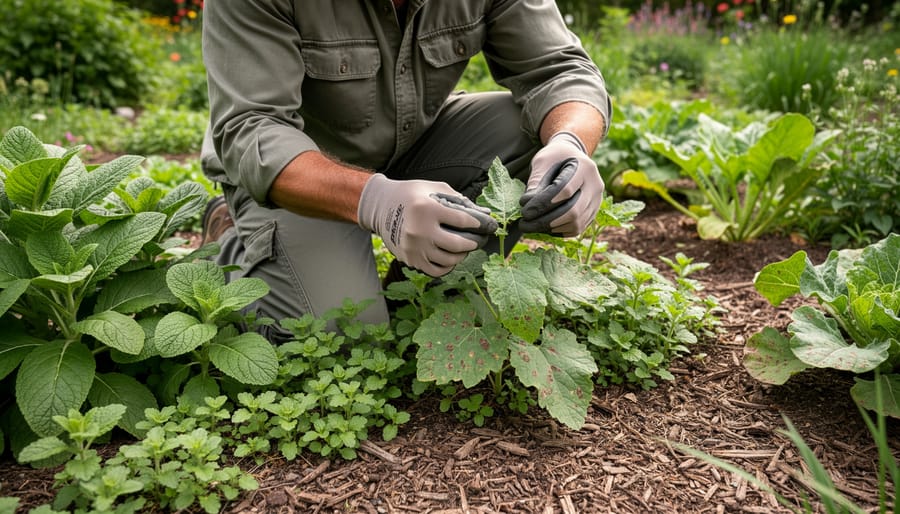
Think of a pest management program as a rhythm you settle into rather than a crisis you handle once and forget. It’s a cycle that repeats throughout the growing season, sharpening your ability to spot trouble early and respond with precision instead of panic.
The cycle starts with regular monitoring. This means walking through your garden weekly, checking the undersides of leaves, examining new growth, and looking for signs of distress like yellowing foliage or wilting branches. You’re not just admiring your plants; you’re scouting for early warning signals. A few aphids clustered on a shoot, stippling on hosta leaves, or sawdust at the base of a tree trunk all tell different stories if you know to look for them.
When you spot something suspicious, the next step is identification. What you’re seeing matters far more than you might think. Those tiny green specks could be aphids or beneficial lacewing larvae. That webbing might signal spider mites or harmless spiders eating your pests. Accurate identification determines whether you act or step back, and misreading the signs wastes effort or harms allies.
Once you’ve identified a genuine problem, you decide whether it warrants action. This is where action thresholds guide intervention, a few Japanese beetles nibbling rose petals might be tolerable, while a sudden infestation threatening to defoliate a young oak demands immediate response. Not every pest sighting requires treatment. Sometimes the population is too small to cause real damage, or natural predators are already moving in.
If action is needed, you choose the least disruptive method that will solve the problem. Maybe you hand-pick the beetles, spray a localized stream of water to knock off aphids, or apply horticultural oil to smother scale insects. The goal is targeted control, not scorched earth.
Finally, you evaluate. Did the beetles return? Are the aphids gone? What worked, and what didn’t? This assessment feeds back into your next monitoring walk, refining your approach as the season unfolds. Over time, you’ll notice patterns, that certain pests arrive in late July, or that your Japanese maples struggle after humid stretches. The cycle becomes intuitive, turning you into a gardener who prevents problems rather than chasing them.
The Building Blocks of an Effective Program
Prevention: Your First Line of Defense
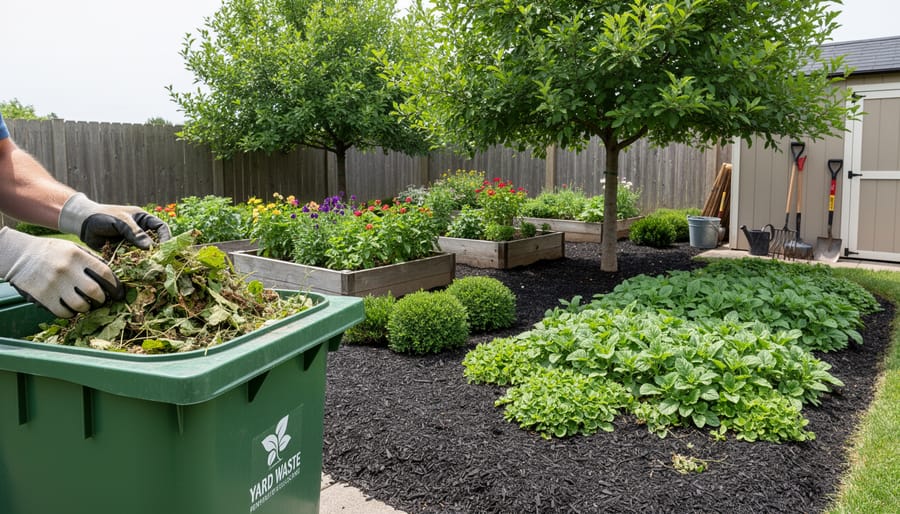
Most pest problems never happen when you stack the odds in your garden’s favor from the start. Site selection matters more than most gardeners realize, planting shade-loving species in deep shade instead of forcing sun-lovers into darkness means healthier plants that naturally resist disease. Proper spacing allows air circulation, which drastically cuts fungal issues that thrive in crowded, humid conditions.
Smart soil management builds strong root systems and vigorous growth, the foundation of pest resistance. Test your soil every few years, amend with compost, and match pH to plant preferences. Weak, stressed plants send chemical signals that actually attract pests.
Choosing the right shade garden plants for your specific conditions closes the door on recurring problems. Native species adapted to your region typically face fewer pest pressures than exotic imports. Select disease-resistant cultivars when available, breeders have done the hard work for you. A well-matched plant in the right spot needs far less intervention down the road.
Monitoring and Action Thresholds
Regular garden walks form the backbone of effective monitoring, aim for a quick 10-minute stroll through your shade garden twice a week during the growing season. Bring a notebook and your phone camera. Look under leaves, check new growth, and inspect tree bark at eye level where problems often show up first.
Action thresholds help you avoid overreacting to every insect you spot. Not every pest requires intervention. A few aphids on your hostas? Your garden can handle that, and beneficial insects will likely show up within days. But clusters of aphids covering new growth and causing leaf curl? That’s threshold-crossing territory.
Start recognizing patterns rather than counting individual bugs. Notice when leaves develop holes, when you see sticky honeydew on foliage below affected branches, or when you spot three or more diseased leaves in a single area. These signals tell you a problem is building momentum.
Keep your thresholds realistic for your tolerance level. Some gardeners accept more cosmetic damage than others. A few chewed leaves won’t kill an established tree, but severe defoliation can weaken it significantly. Trust your observations over time, you’ll develop instincts for when something looks “off” versus garden-normal.
Control Methods: From Gentle to Strong
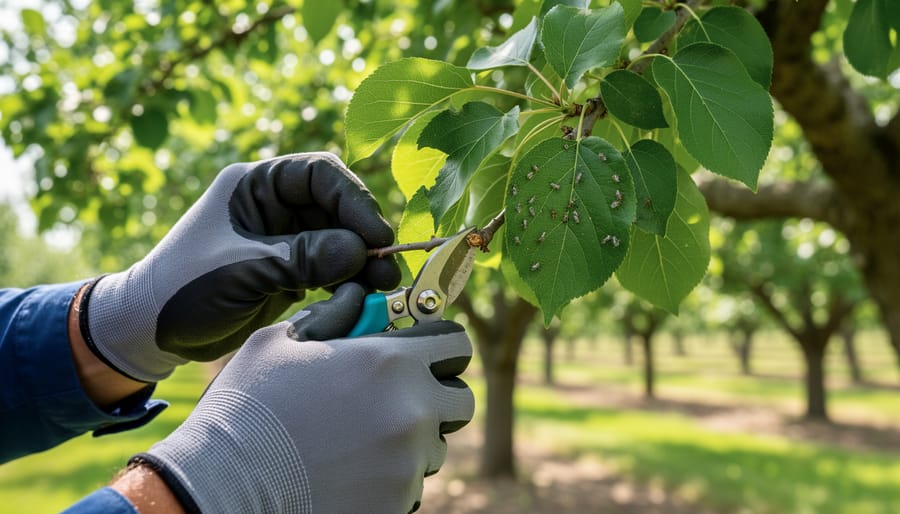
The smartest pest management programs start with least impactful controls first and escalate only when gentler methods fall short. Begin with mechanical removal: hand-picking Japanese beetles, hosing aphids off foliage, or using tree pruning methods to remove diseased branches before problems spread. These simple actions solve many issues without introducing anything new to your garden.
Next comes biological control, enlisting beneficial insects like ladybugs for aphids or parasitic wasps for caterpillars. You can attract these allies by planting flowering herbs nearby or purchase them from garden suppliers. If pests persist beyond tolerable thresholds, move to targeted organic treatments such as insecticidal soap, neem oil, or horticultural oil applied directly to affected plants during calm evenings.
Conventional pesticides occupy the last rung, reserved for severe infestations where other methods have failed and significant plant damage threatens. Even then, choose selective products that target specific pests rather than broad-spectrum chemicals that harm beneficial insects. This stepped approach protects your garden’s ecosystem while giving you effective tools when you truly need them.
Where Pest Management Programs Make the Biggest Difference
A pest management program earns its keep when you’re dealing with recurring problems that spot-treatments can’t solve. If you’ve watched your shade garden succumb to the same issues year after year, powdery mildew coating your hostas every August, or scale insects steadily weakening your ornamental trees, a structured approach changes the game by addressing problems before they establish a foothold.
Shade gardens present a perfect test case. The cool, damp conditions that ferns and woodland plants love also create ideal environments for fungal diseases. Rather than waiting for leaf spot or botrytis to appear and then scrambling for fungicide, a program builds in preventive steps: thinning crowded plantings in early spring to improve air circulation, adjusting watering schedules to keep foliage dry, and tracking humidity patterns so you know when conditions favor outbreaks. You catch problems at the first speckle rather than after an entire bed turns brown.
Tree health issues especially benefit from the long-term view that programs provide. Scale insects, for instance, multiply across multiple generations throughout the growing season. A single spray might knock back the visible adults, but the next generation hatches a few weeks later and you’re back where you started. A program schedules monitoring walks to catch early infestations, times interventions to target vulnerable life stages, and tracks whether populations are actually declining over months, the kind of persistence needed to save your sick trees from cumulative damage.
Common scenarios where programmatic management proves most valuable include:
- Fungal diseases in humid shade gardens (leaf spot, powdery mildew, rust)
- Scale insects and aphids on ornamental trees
- Deer browse damage to understory plantings
- Slug and snail problems in moist woodland areas
- Bacterial infections in flowering trees like ornamental cherries
Deer damage illustrates another strength of the programmatic approach. Instead of reacting each time you discover browsed hostas, you install physical barriers in early spring before growth starts, rotate repellents so deer don’t habituate, and keep records of which plants they target versus ignore. Over two or three seasons, you develop a site-specific strategy rather than repeating the same frustrated cycle. The same principle applies to weeping cherry care where consistent monitoring catches bacterial canker or aphid colonies before they compromise the tree’s graceful structure.
Getting Started: A Simple Program for Home Gardeners
Starting your own pest management program doesn’t require a degree in horticulology or hours of daily monitoring. You can build an effective system with just 15 minutes a week and a few simple habits.
Begin by scheduling regular garden walks at the same time each week, Saturday morning coffee in hand works perfectly. During these walks, check the same key plants every time: your most valuable trees, specimen shrubs, and any plants that had problems last season. Look for changes since your previous visit: yellowing leaves, chewed edges, sticky residue, or unusual spots. Take your phone along to snap quick photos of anything that looks off.
A basic garden journal makes all the difference, and it can be as simple as a spiral notebook or notes app on your phone. After each walk, jot down what you saw, the date, and current weather conditions. Note when you spot the first aphids, when leaves started turning brown, or when you applied any treatment. Three months from now, these notes will reveal patterns you’d otherwise forget, like “scale insects always appear on the magnolia in late May” or “powdery mildew hits after two weeks of humid evenings.”
Building pest identification skills happens gradually. Start by learning to recognize five common problems in your area. Your local extension office website usually lists regional pests with photos, and university gardening apps can identify issues from your phone pictures. When you spot something unfamiliar, photograph it from multiple angles, including close-ups of damage patterns and any visible insects, then compare against reliable online resources.
You’ll know it’s time to seek expert help when a problem spreads rapidly despite your interventions, when you can’t confidently identify what you’re seeing, or when a valuable mature tree shows serious decline. Extension agents offer free consultations in most areas, and certified arborists can diagnose tree-specific issues. Bringing your dated photos and notes to these consultations makes their job easier and your solutions more precise.
Start with these basics this week. Pick your monitoring day, grab a notebook, and take that first walk. The program grows as you do.
Expert Insight: A Pro’s Perspective on Home Pest Management
I reached out to Maria Chen, a certified arborist and IPM coordinator with twenty years of experience advising home gardeners, to get her perspective on bringing pest management principles into everyday garden care.
What’s the biggest misconception you hear from home gardeners about pest management programs?
“People think it means spraying on a rigid schedule or that it’s only for commercial operations. The truth is, a home pest management program is mostly about observation and prevention. My clients are often surprised to learn they’re already doing parts of it when they deadhead plants or hand-pick Japanese beetles. The program part just means being intentional and consistent.”
What’s your top tip for someone just starting?
“Pick one section of your garden and walk it every Saturday morning with your coffee. Just look. You’ll start noticing patterns, where aphids show up first, which leaves get spotted before others. That weekly habit is worth more than any product you can buy. Take photos on your phone if it helps you remember what normal looks like, so you’ll recognize when something’s off.”
Can you share an example where a simple program made a real difference?
“I worked with a homeowner who was losing mature dogwoods to anthracnose every summer. We set up a monitoring routine in early spring and caught the first symptoms immediately. By pruning out infected branches right away and improving air circulation around the trees, we stopped the cycle. Three years later, those trees are thriving. Without that early detection system, they would have kept declining until removal was the only option.”
Common Questions About Pest Management Programs
Is a pest management program too expensive for home gardeners?
Not at all. Most of the foundation, regular garden walks, keeping notes, choosing resistant plants, and hand-picking pests, costs nothing but your time. You’ll likely spend less overall because you’re catching problems early and avoiding emergency treatments. Start with free monitoring and prevention practices, then invest in specific tools or products only when you need them. Many gardeners find they actually reduce expenses by preventing the large-scale problems that require expensive interventions.
How much time does it really take?
A basic program fits into the time you already spend in your garden. Your monitoring happens during your regular watering rounds or weekend strolls, just pause to flip a few leaves and check tree bark. Most gardeners spend 10-15 minutes per week on structured observation once they develop the habit. Keeping a simple journal adds maybe five minutes. The time you save by not battling full-blown infestations more than makes up for these small investments.
Do organic methods actually control serious pest problems?
Yes, when applied as part of a complete program rather than as isolated treatments. The key is prevention and early intervention, organic controls work best before pests reach damaging levels.
What if I accidentally harm beneficial insects?
A good program protects beneficials by using targeted treatments only when necessary and choosing the least harmful options first. Monitoring helps you distinguish friends from pests so you don’t treat unnecessarily.
Isn’t this overkill for a small garden or just a few trees?
Small gardens benefit most because every plant matters more. A structured approach prevents losing that favorite Japanese maple or watching disease spread through your entire shade bed.
What if I can’t identify the pest or disease I’m seeing?
Start by taking clear photos and contacting your local extension office, they offer free identification help. Many also provide fact sheets with management recommendations specific to your region.
The beauty of a pest management program is its flexibility. You’re not committing to a rigid schedule or complicated protocols. You’re simply being intentional about protecting your garden investment with observation, knowledge, and well-timed action.
The difference between a gardener who struggles season after season and one who enjoys a thriving landscape often comes down to having a plan. You’re not trying to eliminate every insect or achieve perfection, you’re creating a sustainable approach that keeps problems manageable before they spiral into emergencies.
Start small. Pick one monitoring habit, like a weekly garden walk with a notebook. Or commit to improving your soil health this year. These foundational practices compound over time, and you’ll find yourself spotting problems earlier, making better decisions, and spending less time in panic mode.
Your trees and shade plantings represent years of investment and care. A pest management program isn’t about adding endless tasks to your weekends, it’s about working smarter so those beautiful specimens remain healthy and resilient for decades. The strategies you implement this season will pay dividends next year and the year after that.
You’ve already taken the most important step by learning what’s possible. Now give yourself permission to start where you are, with what you have. Your garden will thank you.