Check local Facebook Marketplace and Craigslist daily during spring cleaning season when homeowners purge unused garden tools, pots, and materials at fraction of retail prices. Set up search alerts for terms like “garden shed cleanout” or “moving sale” to catch bulk listings before others do. Visit estate sales on their final day when prices drop dramatically and sellers want everything gone—this is where you’ll find quality vintage tools that outlast modern equivalents.
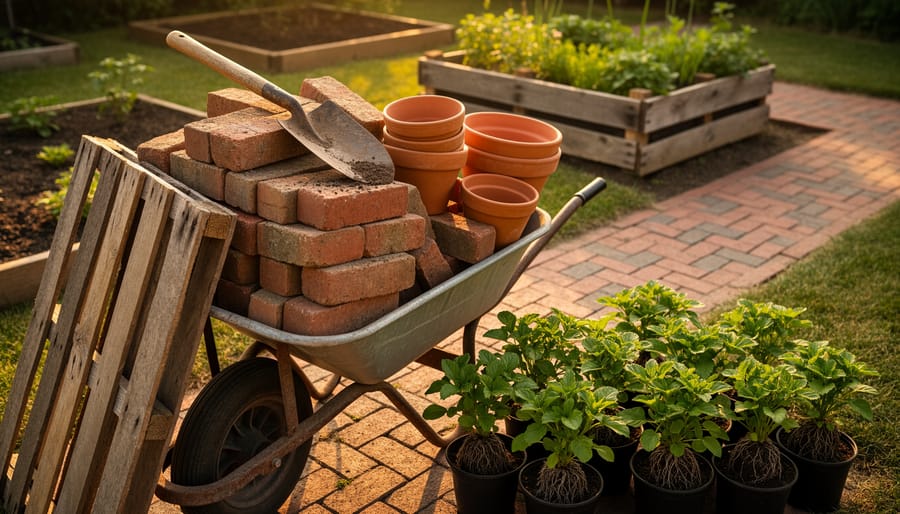
Drive through neighborhoods on bulk trash pickup days to rescue perfectly usable materials. That weathered wooden pallet becomes a vertical herb garden. Those discarded bricks create a charming garden path. One gardener’s trash truly becomes another’s treasure, and municipalities have designated collection days posted online.
Build relationships with local landscaping companies who regularly remove perfectly healthy plants during property renovations. Offer to haul away materials they’d otherwise pay to dump—stone pavers, edging materials, decorative rocks, and even mature perennials that simply don’t fit a new design. Exchange your labor for materials and everyone wins.
Join community gardening groups and neighborhood social media pages where members frequently swap plants, tools, and supplies. These networks operate on goodwill and shared passion, meaning you’ll find generous gardeners offering divisions of expensive perennials or extra bags of quality soil amendments for free or cheap.
Shopping secondhand isn’t settling for less. It’s making smart choices that stretch your budget while reducing waste. The money you save on used materials funds the plants and seeds that truly matter. Your garden won’t know the difference between a new spade and a vintage one—but your wallet will. With patience and strategy, you’ll build an abundant garden without the abundant price tag, proving that resourcefulness beats unlimited budgets every time.
Why Secondhand Materials Make Sense for Gardeners
I discovered the magic of secondhand materials quite by accident. While browsing a local marketplace, I stumbled upon weathered wooden pallets for just $5 each—the same ones selling for $40 at garden centers. That moment changed how I approached every garden project.
The financial benefits alone are compelling. Most secondhand garden materials cost 50-80% less than retail prices. That beautiful terracotta pot collection you’ve been eyeing? You’ll likely find similar pieces at estate sales for a fraction of the cost. Clay pots, wooden planters, metal trellises, and garden tools frequently appear on secondhand marketplaces at prices that make ambitious projects suddenly affordable. I’ve helped friends build entire raised bed systems for under $50 using reclaimed materials that would have cost $300 new.
Beyond your wallet, there’s something deeply satisfying about giving materials a second life. Every time we choose used over new, we’re keeping perfectly good items out of landfills and reducing the demand for newly manufactured products. It’s gardening in harmony with our environmental values, which feels right when we’re literally working with the earth.
Here’s what surprises people most: aged materials often outperform new ones. That weathered cedar fence board has already survived years of outdoor conditions, proving its durability. The terracotta pot with a lovely patina has demonstrated it won’t crack at the first frost. These materials have earned their reliability badges through real-world testing.
I understand the hesitation about quality. When sourcing secondhand, I always check for structural integrity—no rotting wood, no rusted-through metal, no cracked containers that won’t hold soil. But cosmetic imperfections? Those add character. The slightly warped vintage watering can tells a story. The moss-covered stone edging brings instant maturity to new garden beds.
Renowned gardener Sarah Jenkins, whom I interviewed last spring, keeps her entire tool shed stocked with secondhand finds. “Why pay premium prices when quality tools from decades past often surpass modern manufacturing?” she asked, showing me her collection of vintage spades and hoes, still performing beautifully after generations of use.
What Garden Materials You Can Find Secondhand
Hardscaping and Structural Materials
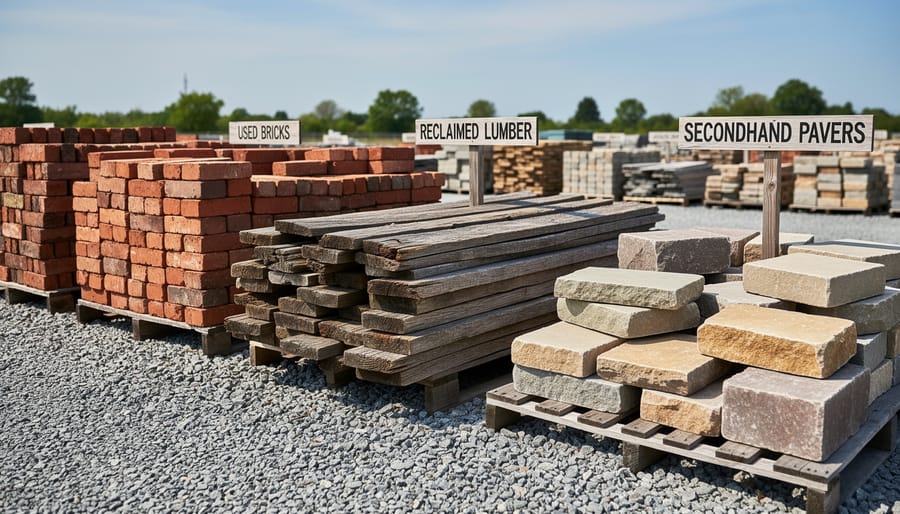
Secondhand marketplaces are treasure troves for hardscaping materials that can transform your garden space while keeping your budget happy. Bricks and pavers are among the best finds—look for pieces without major cracks or crumbling edges, though surface dirt and moss are perfectly fine and add character. A little cleaning reveals their true beauty.
When shopping for lumber, always inspect for rot by pressing a screwdriver into the wood. If it sinks easily, pass on that piece. Surface weathering is normal, but structural integrity matters most. I once scored beautiful cedar fence panels for half the retail price simply because they needed a quick wash.
Stone materials like flagstone, decorative rocks, and retaining wall blocks are practically indestructible, making them ideal secondhand purchases. Check that stones sit relatively flat and aren’t severely chipped.
For raised bed materials, measure carefully before buying and ensure wood hasn’t been treated with harmful chemicals if you’re growing edibles. Ask sellers about the material’s history when possible. Fencing materials should have solid posts and intact panels, even if they need fresh stain. Remember, imperfections often add rustic charm that brand-new materials lack.
Tools and Equipment
Garden tools and equipment are some of the best bargains you’ll find in the secondhand marketplace, and they often come with years of reliable use still ahead of them. Quality hand tools like spades, forks, rakes, and pruning shears were typically built to last decades, especially older models made before planned obsolescence became common. I’ve picked up beautifully maintained hand tools at estate sales that just needed a bit of cleaning and sharpening to work like new.
Power tools such as lawn mowers, hedge trimmers, and tillers can offer significant savings when purchased used. Just ensure you can test them before buying, and check for obvious signs of neglect like excessive rust or damaged cords. Many sellers are simply upgrading or no longer need the equipment after downsizing their gardens.
Don’t overlook practical items like wheelbarrows, garden hoses, and watering cans. These workhorses rarely wear out completely and are often sold for a fraction of retail price. A seasoned gardener I interviewed once told me that half her garden shed came from yard sales, and everything still functions perfectly after ten years. The key is inspecting for structural soundness rather than worrying about cosmetic imperfections.
Containers and Decorative Elements
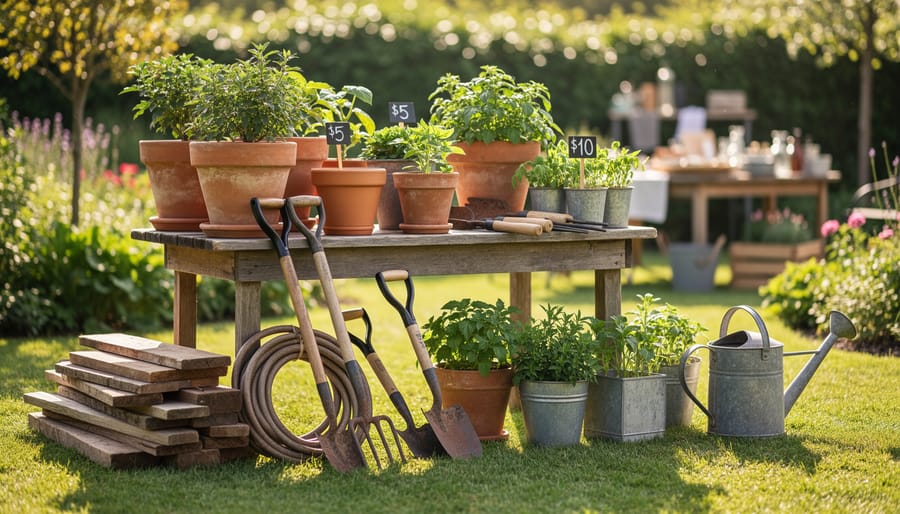
Second-hand marketplaces are absolute treasure troves for containers and decorative touches that give your garden personality. I’ve found stunning terracotta pots for a fraction of retail prices, many with that lovely weathered patina that new pots just can’t replicate. Check listings for ceramic planters, concrete urns, and even quirky items like vintage watering cans or enamelware that double as charming planters.
Garden ornaments and statuary often appear at remarkable prices. People regularly rehome garden gnomes, bird baths, stepping stones, and metal sculptures when redesigning their spaces. One gardener I spoke with furnished her entire patio with second-hand finds, including a wrought-iron bistro set for just thirty dollars.
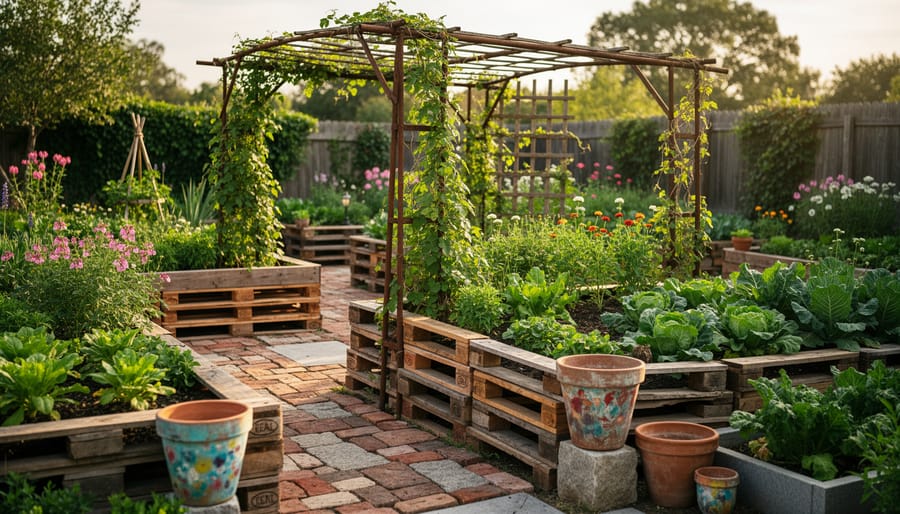
Trellises, arbors, and plant supports are frequently available too. Look for wooden or metal structures that need minor repairs, which you can easily fix yourself. Outdoor furniture like benches, tables, and chairs often need just a good cleaning or fresh coat of paint to look fantastic.
Before purchasing, inspect items for cracks in ceramics, rust on metal pieces, and rot in wooden furniture. Test furniture stability by giving it a gentle shake. These decorative elements transform ordinary gardens into personalized outdoor sanctuaries without straining your budget.
Where to Find Quality Secondhand Garden Materials
Online Marketplaces and Apps
Digital platforms have revolutionized how gardeners find secondhand treasures, making it easier than ever to score quality supplies without leaving your home. These online marketplaces connect you directly with sellers in your community, offering everything from terracotta pots to garden sheds.
Facebook Marketplace has become a go-to resource for many gardeners. Set up saved searches with keywords like “garden tools,” “planters,” or “greenhouse” to receive notifications when new listings appear. The messaging feature lets you ask specific questions about item condition, and you can often view the seller’s profile to gauge reliability. Pro tip: search during spring cleaning season (March through May) when people are purging their garages.
Craigslist remains valuable despite its bare-bones interface. Check the “free” section regularly—you’d be amazed what people give away when moving or decluttering. Use multiple search terms since sellers describe items differently. Someone’s “dirt holder” might be your perfect raised bed.
OfferUp works wonderfully for larger items like wheelbarrows or compost bins. The app’s rating system helps you identify trustworthy sellers, and the built-in shipping option expands your search beyond local pickup.
Don’t overlook Nextdoor, especially for connecting with neighbors. People often prefer selling to someone nearby, and you might discover a fellow gardener willing to share cuttings or advice alongside their secondhand offerings. The community atmosphere makes haggling feel more neighborly and less transactional.
When messaging sellers, be specific about your intended use and ask about dimensions, materials, and any damage that might affect functionality.
Local Physical Sources
Beyond online platforms, some of the best garden bargains hide in your local community. Estate sales are treasure troves for quality tools and supplies, especially when held at homes with established gardens. Arrive early on the first day for the best selection, or wait until the final hours when sellers often slash prices to clear inventory.
Weekend yard sales can yield unexpected finds like terra cotta pots, garden furniture, and hand tools. Drive through neighborhoods on Saturday mornings, keeping your eyes open for signs. I once found a perfectly functional wheelbarrow for just five dollars at a neighbor’s moving sale.
Habitat for Humanity ReStores stock donated building materials ideal for constructing raised beds, trellises, and garden structures at a fraction of retail cost. Their inventory changes constantly, so visit regularly or call ahead about specific needs.
Salvage yards offer reclaimed wood, bricks, and metal pieces perfect for creative garden projects. Many architectural salvage businesses now cater to DIY enthusiasts and provide inspiring materials with character.
Community swap events and tool libraries let you exchange plants, seeds, and equipment with fellow gardeners while building local connections. Check community centers, libraries, and gardening clubs for scheduled events in your area.
Building Relationships with Contractors and Landscapers
Building genuine relationships with local contractors and landscapers can unlock a treasure trove of gardening materials at little to no cost. These professionals frequently have leftover pavers, bricks, stones, soil, mulch, and even plants from completed projects that they’d rather give away than haul to the dump.
Start by visiting local landscaping companies during slower seasons when they’re more available to chat. Introduce yourself, explain your gardening projects, and ask if they ever have surplus materials. Leave your contact information and check in periodically. Many contractors appreciate having a go-to person for their extras, as disposal fees can add up quickly.
Construction sites can also be goldmine sources. Politely approach the site supervisor, never the workers directly, and ask about leftover materials. Always respect their time and safety protocols.
I once connected with a landscaper who called me whenever he had extra flagstone, and over two years, I built an entire garden path for free! The key is being flexible about timing and materials. You might not get exactly what you envisioned, but with creativity, these freebies often inspire even better garden designs than you originally planned.
How to Inspect Secondhand Materials Before Buying
What to Check on Wood and Lumber
Before bringing wooden materials home for your garden projects, a quick inspection can save you from disappointment. Start by checking for rot by pressing a screwdriver or sturdy knife into the wood—if it sinks in easily or the wood feels spongy, skip it. Healthy lumber should feel solid and resist pressure.
Look closely for tiny holes or sawdust trails that indicate termite or beetle activity. Run your hand along the surface to feel for tunnels beneath. Even beautiful-looking wood can harbor hidden pests that’ll spread to your garden structures.
Check for warping by placing the board on flat ground or sighting down its length like you’re aiming an arrow. Slight warps might work for rustic projects, but severe twisting makes construction frustrating.
The smell test matters too. A strong chemical odor or greenish tint suggests treated lumber, which isn’t ideal for raised beds where it contacts soil and edibles. For vegetable gardens, stick with untreated wood or ask sellers about the treatment history. When in doubt, treated lumber works perfectly fine for trellises, fencing, or decorative projects where food contact isn’t a concern. These simple checks take just minutes but ensure your secondhand finds will serve you well for seasons to come.
Evaluating Stone, Brick, and Concrete
When you’re browsing for stone, brick, or concrete pieces, take a few minutes to really examine what you’re considering. First, look closely for cracks—hold smaller pieces up to the light or run your fingers along surfaces to detect hairline fractures that might not be immediately obvious. Surface cracks aren’t always deal-breakers for decorative projects, but deep structural cracks can mean trouble down the road.
Check for weathering by noting any crumbling edges, flaking surfaces, or powdery residue. These are signs that moisture has penetrated the material through freeze-thaw cycles. For bricks, tap them gently together—a solid, clear sound indicates good integrity, while a dull thud might mean internal damage. Concrete should feel solid and dense, not brittle or lightweight.
I once passed up some gorgeous old bricks because they felt almost spongy when wet—they would’ve disintegrated within a season in my garden beds. Trust your instincts and remember that slightly imperfect materials can still create beautiful, characterful garden features if they’re structurally sound where it counts.
Testing Tools and Equipment
Before you hand over your cash for pre-loved garden tools, take a few minutes to inspect them thoroughly. I learned this lesson the hard way when I bought a spade with a hairline crack in the handle that snapped during my first dig!
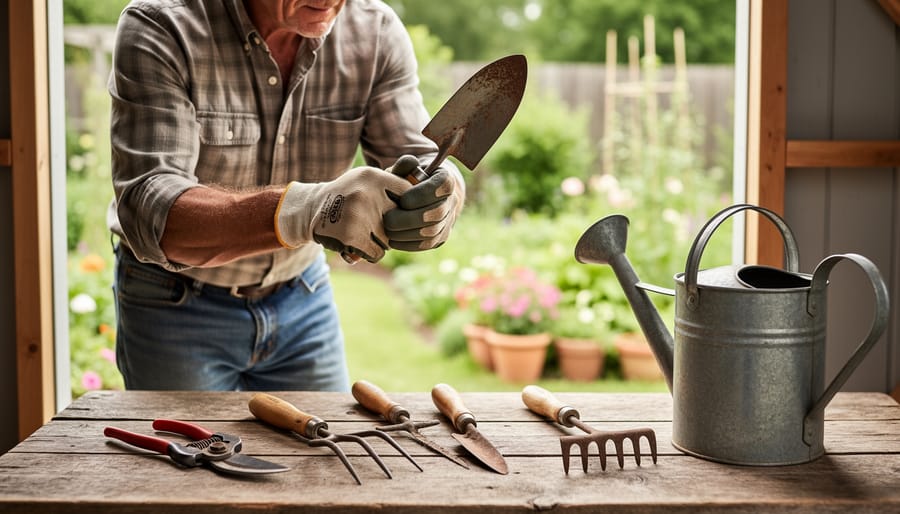
Start by checking the functionality of moving parts. Open and close pruners several times to ensure they operate smoothly. Look for rust, especially on cutting edges and joints. Surface rust can be scrubbed off, but deep pitting means the tool’s effectiveness is compromised. Run your hand along wooden handles to feel for splinters or cracks that could worsen with use.
Test the handle integrity by gently flexing it. A quality wooden handle should feel solid without any give. Check where the handle meets the metal for looseness or gaps. For tools with safety features like locking mechanisms on pruners or guards on loppers, verify these work properly. Finally, bring a small cloth to wipe away dirt and reveal the tool’s true condition underneath.
Setting Your Secondhand Garden Budget
Creating a realistic budget for your secondhand garden makeover starts with understanding what you actually need versus what catches your eye. I’ve learned this lesson the hard way after coming home with three decorative watering cans when I really needed potting soil and containers!
Begin by making two lists. Your first list should include essential items you absolutely need to complete your project. The second is your wish list of nice-to-have items. This simple exercise helps you prioritize your spending and avoid impulse purchases at estate sales and flea markets.
Next, do some comparison shopping between new and used prices. You’ll quickly discover that certain items offer incredible savings when bought secondhand. For example, terracotta pots, garden tools, and decorative items like statues or birdbaths typically cost 50-80 percent less used. Take photos of items you need with your phone and jot down new retail prices so you’ll recognize a genuine bargain when you spot one.
However, not everything should come from the secondhand marketplace. I always recommend buying new for items where safety and longevity matter most. Quality potting soil, seeds, and fertilizers are worth purchasing fresh. Likewise, if you need something specific like a certain size of raised bed or a specialized tool you’ll use frequently, sometimes buying new ensures you get exactly what you need without endless searching.
A helpful rule of thumb is the 70-30 split. Aim to source about 70 percent of your decorative items, containers, and basic tools secondhand, while allocating 30 percent of your budget for new soil, plants, and any safety equipment like sturdy gloves or quality pruning shears.
Set a total project budget and stick to it by keeping a running list on your phone. Track what you’ve spent as you go, leaving a cushion of about 20 percent for unexpected finds or needs. This flexibility lets you grab that perfect vintage garden bench without derailing your entire plan.
Negotiation Tips That Actually Work
Negotiating on secondhand marketplaces doesn’t have to feel awkward or uncomfortable. Think of it as a friendly conversation rather than a confrontation, and you’ll find most sellers are open to reasonable offers, especially when you approach them with respect and genuine interest.
Start by doing a bit of homework. Look at similar items to understand the going rate, then make an offer that’s fair but leaves room for discussion. I typically begin around 15-20% below the asking price for garden items in good condition. If something needs cleaning or minor repairs, you can reasonably go lower. The key is explaining your reasoning politely: “I’d love to take this off your hands for $40 since it needs a good scrub and has a small crack, but I can fix that up easily.”
Bundling is your secret weapon for better deals. When I’m shopping for multiple pots, tools, or materials from the same seller, I always ask about a package price. Sellers appreciate not having to deal with multiple buyers, and they’ll often reduce the total to move everything at once. Try saying something like, “These three items would be perfect for my garden project. Would you consider $75 for all of them?”
Building rapport makes a tremendous difference. Comment on their garden if you’re picking up in person, ask about how they used an item, or share what you’re planning to create. When sellers see you’re a fellow gardening enthusiast who’ll give their items a good home, they naturally want to help you out.
Remember to be patient and gracious. If a seller declines your offer, thank them anyway and stay friendly. Sometimes they’ll reconsider later or contact you if the item doesn’t sell.
Real Gardener Success Stories
Meet Sarah from Portland, who transformed her backyard patio using almost entirely secondhand finds. She scored eight terracotta pots in various sizes for just $15 at a neighborhood yard sale—pots that would have cost her at least $80 new. “The woman was downsizing, and I happened to stop by on my Saturday morning walk,” Sarah explains. She also found a wrought-iron plant stand for $10 on Facebook Marketplace that only needed a quick coat of spray paint. Her total investment was under $30, and she estimates she saved around $120 compared to buying everything new. The best part? Her patio now has that collected-over-time charm that you just can’t replicate with brand-new items.
Then there’s Miguel in Austin, who built his entire raised bed garden using reclaimed materials. He found enough cedar fence boards on Craigslist to construct four 4×8 raised beds, paying only $40 for wood that the seller had removed during a fence renovation. “I spent one Saturday afternoon cutting and assembling them, and they’ve been going strong for three years now,” he shares. Miguel also picked up garden tools at an estate sale—a pitchfork, two shovels, and a cultivator for $25 total. Comparable new tools would have run him close to $100. His advice? Check estate sales for quality tools that were well-maintained by experienced gardeners.
Finally, there’s Linda in Michigan, who furnished her entire greenhouse with secondhand shelving units. She found commercial-grade wire shelving at a local thrift store for just $35—six shelves that retail for over $200 new. “They’re sturdy, rust-resistant, and perfect for holding seed trays,” she says. Linda also found grow lights at a yard sale for $15 that still work beautifully. Her secondhand approach saved her approximately $180, money she redirected toward quality seeds and soil amendments.
Common Mistakes to Avoid
We’ve all been there—spotting what looks like the perfect garden treasure and racing to claim it before someone else does. But taking a moment to pause can save you from a few common hiccups that many secondhand shoppers experience. Think of these as friendly reminders rather than warnings, because we want your treasure hunting adventures to be successful and enjoyable.
One of the easiest oversights is forgetting to measure before you buy. That charming potting bench might look modest in the seller’s spacious garage, but it could overwhelm your actual workspace. Before heading out, measure the spot where you plan to use your find and bring a tape measure along. I once brought home a gorgeous greenhouse frame only to discover it was six inches too tall for the only sunny spot in my yard—lesson learned!
Another common slip-up is getting swept up in the excitement of a great deal without thoroughly checking for hidden issues. Take an extra few minutes to inspect items carefully. Turn pots upside down to check for hairline cracks, test tool handles for stability, and open every drawer or door. Sometimes defects hide in shadows or underneath, and sellers themselves might not even be aware of them.
Transportation costs can sneak up on you too. That heavy stone fountain at an incredible price might require renting a truck or paying for delivery, which can quickly eat into your savings. Always factor in how you’ll get your purchase home before committing.
Finally, resist the urge to buy something just because it’s cheap if you don’t have a clear purpose for it. Secondhand shopping works best when you know what you need and can recognize quality when you find it.
You don’t need to overhaul your entire garden setup overnight. The beauty of secondhand marketplace shopping is that you can start small, testing the waters with just one or two items. Maybe this week, you pick up those used terracotta pots you’ve been eyeing, or find a gently worn pair of pruning shears at a fraction of retail price. Each secondhand purchase, no matter how modest, puts money back in your pocket while keeping perfectly good materials out of landfills.
Think about it: if every gardener bought just three items secondhand this season instead of new, the collective impact would be enormous. We’d be saving thousands of dollars within our communities and diverting tons of materials from waste streams. Your individual choices genuinely matter, and they add up faster than you might expect.
Here’s your challenge for this week: identify one specific gardening item you need right now. It could be a watering can, a trowel, some landscape edging, or even bags of mulch. Then, before you head to the store, spend fifteen minutes browsing your local marketplace platforms. You might be pleasantly surprised by what’s available in your area, often listed by fellow gardeners who understand exactly what you need.
The secondhand marketplace isn’t just a shopping destination; it’s a community of people who share your values around sustainability, creativity, and smart spending. Welcome to a more resourceful way of gardening. Your wallet and the planet will thank you.