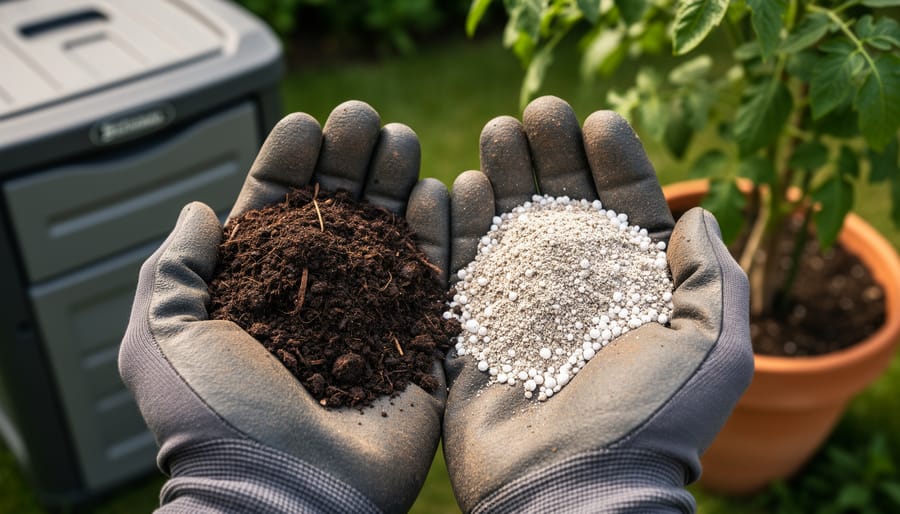
Your greenhouse is a warm, oxygen-rich environment filled with flammable materials like dried plant debris, wooden structures, plastic sheeting, and fertilizers—making it surprisingly vulnerable to fire. Add electrical heating systems, grow lights running for hours, and extension cords snaking through humid conditions, and you’ve created the perfect storm for a devastating blaze that can destroy years of careful cultivation in minutes.
The good news? Most greenhouse fires are entirely preventable when you understand the risks and take straightforward safety measures. Whether you’re running a small backyard hobby greenhouse or a larger growing operation, fire safety doesn’t require expensive overhauls or complicated systems. It starts with recognizing your specific hazards—from that frayed heater cord you’ve been meaning to replace to the pile of dry leaves gathering in the corner—and addressing them systematically.
This guide walks you through everything you need to protect your greenhouse investment and the plants you’ve nurtured. We’ll identify the most common fire triggers hiding in plain sight, show you how to set up electrical systems safely from the start, establish daily habits that dramatically reduce risk, and equip you with the right safety tools for quick response. You’ll also learn exactly what to do if fire does strike, because preparedness means having a plan before you need one.
Taking these steps now means you can focus on what matters most: growing thriving plants in a space that’s both productive and safe.
Why Greenhouses Are Fire Hazards (Even When You’re Careful)
I’ll be honest with you—when I first started using a greenhouse, I thought fire risk meant having an open flame near dry leaves. If only it were that simple! The truth is, greenhouses are surprisingly vulnerable to fires, and it has everything to do with the unique environment we create inside them.
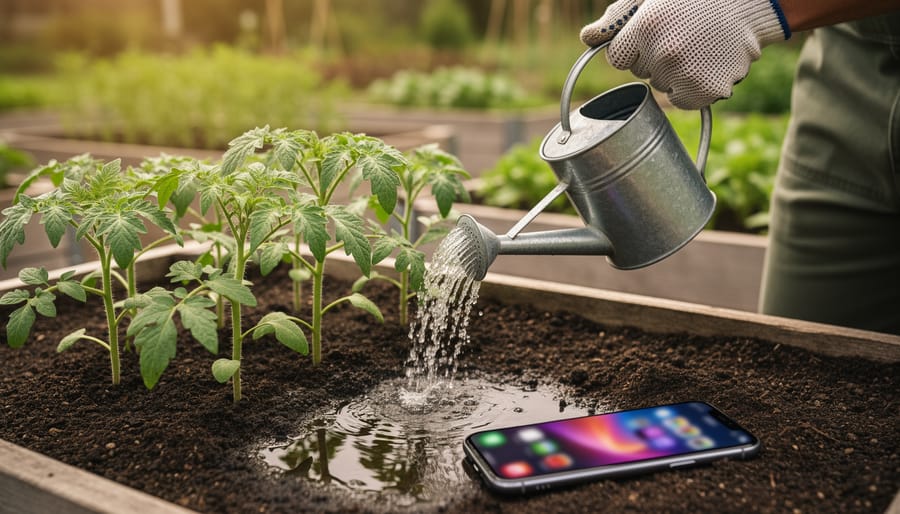
Think about it: you’re combining water and electricity in an enclosed space. Every time you plug in a grow light or heater near your watering area, you’re creating a potential hazard. Water and moisture can damage electrical cords, create shorts, and corrode connections in ways that might not happen in your living room. Understanding electrical safety basics becomes essential when you’re working in this damp environment.
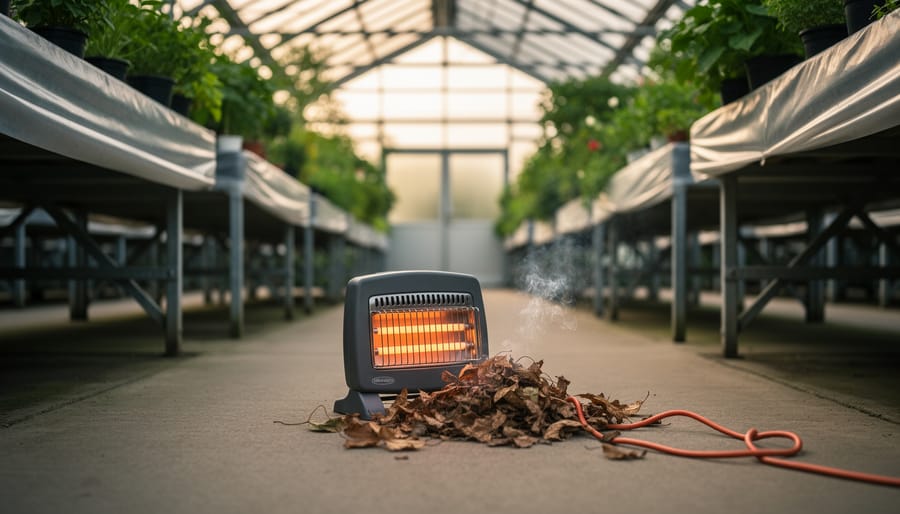
Then there’s the heat factor. Many of us use space heaters, heat lamps, or heated propagation mats to keep our plants cozy during cooler months. These devices get hot—really hot—and they’re often sitting near flammable materials like wooden benches, potting soil bags, dried leaves, and those plastic plant trays we all accumulate.
Speaking of materials, greenhouses are essentially storage units for combustible items. Fertilizers, pesticides, peat moss, wood structures, and plastic pots all burn readily. Add in the fact that many greenhouses are located away from the main house, and you might not notice smoke or flames until it’s too late.
The enclosed nature of greenhouses creates another problem. Once a fire starts, it can spread quickly in that confined space, and the heat builds up fast. Unlike an open garden area, there’s nowhere for heat to dissipate.
I’m not sharing this to scare you away from greenhouse gardening. Rather, understanding these unique risk factors helps us take the right precautions. Once you recognize why greenhouses are vulnerable, preventing fires becomes much more straightforward.
The Most Common Electrical Culprits Behind Greenhouse Fires
Extension Cords and Power Strips (Your Biggest Risk)
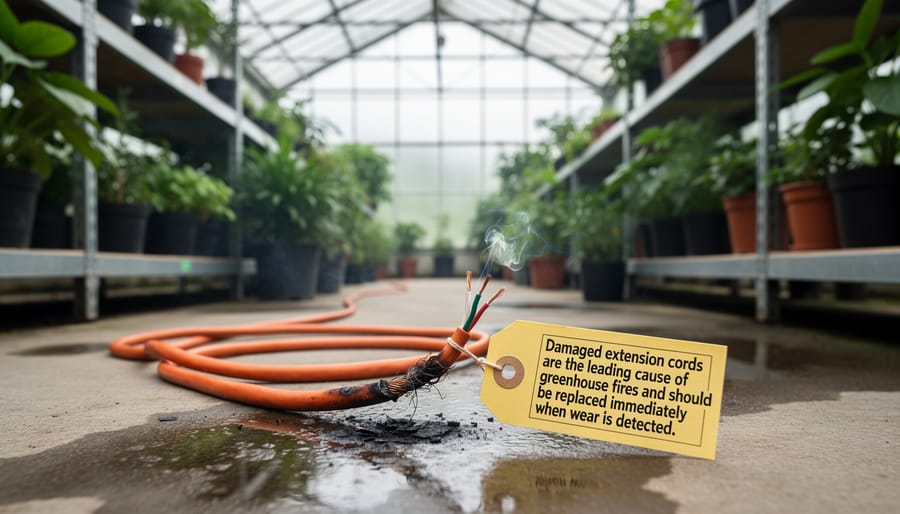
I’ve seen far too many close calls in my years of greenhouse gardening, and I’ll tell you honestly—extension cords are where most of us get into trouble. The problem isn’t that we’re careless; it’s that greenhouses demand so much power, and we often underestimate what we’re asking a simple cord to handle.
Here’s what typically goes wrong: You plug a space heater into an extension cord already powering grow lights and a fan. That single cord heats up, the insulation breaks down from moisture exposure, and suddenly you’ve got exposed wiring in a humid environment surrounded by dry plant material. It’s a recipe for disaster.
During a visit to a commercial grower last spring, she showed me a melted extension cord that had been running three heat mats simultaneously. The cord had actually fused to the plastic shelf beneath it before she caught it. That’s how quickly things can escalate.
Watch for these warning signs: warm or hot cords (they should always be cool to touch), discolored outlets, flickering lights when equipment kicks on, or that distinctive burning plastic smell. If your extension cord feels even slightly warm, you’re overloading it.
The golden rule? Never daisy-chain extension cords together, and never plug heat-producing devices like space heaters or heat mats into standard household extension cords. Use only heavy-duty, outdoor-rated cords with the appropriate gauge for your equipment’s amperage requirements—and even then, consider them temporary solutions only.
Heating Systems Gone Wrong
When selecting greenhouse heating options, safety should be your top priority. Space heaters and heat mats are wonderful tools for keeping plants cozy, but they require careful attention to prevent disasters.
I learned this lesson years ago when a friend’s greenhouse caught fire from a space heater positioned too close to a plastic seed tray. The heater was working perfectly, but simply being near flammable materials created enough heat buildup to ignite the plastic. This happens more often than you’d think.
Always maintain at least three feet of clearance around any heating device. Never place heaters directly on wooden benches or near dry plant material, paper seed packets, or plastic containers. Heat mats should rest on non-flammable surfaces with proper ventilation underneath.
Check that your heating equipment has automatic shut-off features and tip-over protection. Inspect cords regularly for fraying or damage, and replace aging equipment before it fails. Position heaters away from water sources to prevent electrical hazards, and never run extension cords under rugs or through doorways where they can become damaged.
Remember, even properly functioning heaters can cause fires when positioned carelessly. Take a few minutes each season to reassess your heating setup with fresh eyes.
Grow Lights and Ballast Issues
Grow lights are wonderful tools for extending your growing season and nurturing plants year-round, but they do require careful attention to safety. Older lighting systems, particularly high-intensity discharge (HID) lights like metal halide and high-pressure sodium bulbs, generate significant heat during operation. When these lights are positioned too close to flammable materials like plant foliage, wooden shelves, or fabric row covers, they can become ignition sources.
Ballasts, which regulate the electrical current to your grow lights, present their own fire risks. These components can fail over time, especially if they’re exposed to moisture or dust buildup common in greenhouse environments. A malfunctioning ballast may overheat, short-circuit, or produce electrical arcing—all potential fire starters. I’ve talked with experienced greenhouse growers who emphasize checking ballasts regularly for unusual humming sounds, flickering lights, or hot-to-the-touch casings, which signal trouble.
When selecting grow lights for your greenhouse, consider switching to LED systems, which run much cooler and have lower fire risk. Always follow manufacturer guidelines for installation height and clearance distances. Ensure your electrical system can handle the load, and never daisy-chain multiple lights on circuits not designed for that capacity. Regular inspections of cords, connections, and fixtures help catch problems before they become dangerous.
Faulty Wiring and DIY Electrical Work
I completely understand the appeal of handling electrical work yourself—it feels empowering and can save money. But here’s the thing: greenhouse electrical systems face unique challenges that even experienced DIYers might not anticipate. The combination of moisture, temperature fluctuations, and fertilizers creates a corrosive environment that standard household wiring simply wasn’t designed for.
If your greenhouse is more than ten years old, it’s worth having a licensed electrician inspect the wiring. I learned this lesson when a fellow gardener discovered frayed insulation on wires that looked perfectly fine on the outside. The constant humidity had been quietly deteriorating them for years.
When adding new equipment like grow lights or heating mats, resist the temptation to tap into existing circuits or use extension cords as permanent solutions. Professional electricians can install proper weatherproof outlets, ground-fault circuit interrupters, and correctly rated circuits that handle your greenhouse’s specific electrical load safely. It’s an investment that protects everything you’ve worked so hard to grow.
Setting Up Your Greenhouse Electrical System the Safe Way
Start With Proper Outdoor-Rated Equipment
When I first started setting up my greenhouse, I assumed any electrical equipment would work fine. Wrong! Greenhouses create a unique environment where moisture, humidity, and temperature fluctuations can turn regular indoor equipment into serious fire hazards.
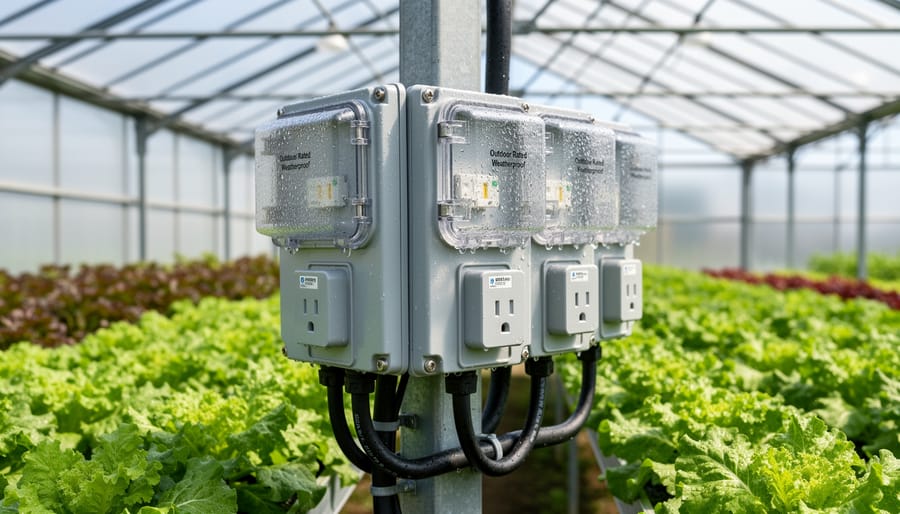
Here’s what you need to know: “outdoor-rated” equipment is designed to withstand exposure to the elements, including temperature changes and moisture. Even more important for greenhouses is “wet-location rated” equipment, which can safely handle direct water exposure and high humidity without corroding or short-circuiting.
Your heaters, grow lights, fans, extension cords, and all electrical outlets absolutely must carry these ratings. Look for labels that specifically say “wet location” or show a “WL” marking. I learned from Master Gardener Ellen Rodriguez that even if your greenhouse feels dry, condensation forms overnight and during temperature swings, creating the perfect conditions for electrical problems.
Don’t cut corners here. Yes, outdoor-rated equipment costs more upfront, but it’s designed with sealed components and corrosion-resistant materials that protect against the very conditions that cause fires. Regular indoor equipment simply wasn’t built for this environment and puts your entire greenhouse at risk.
GFCI Protection Is Non-Negotiable
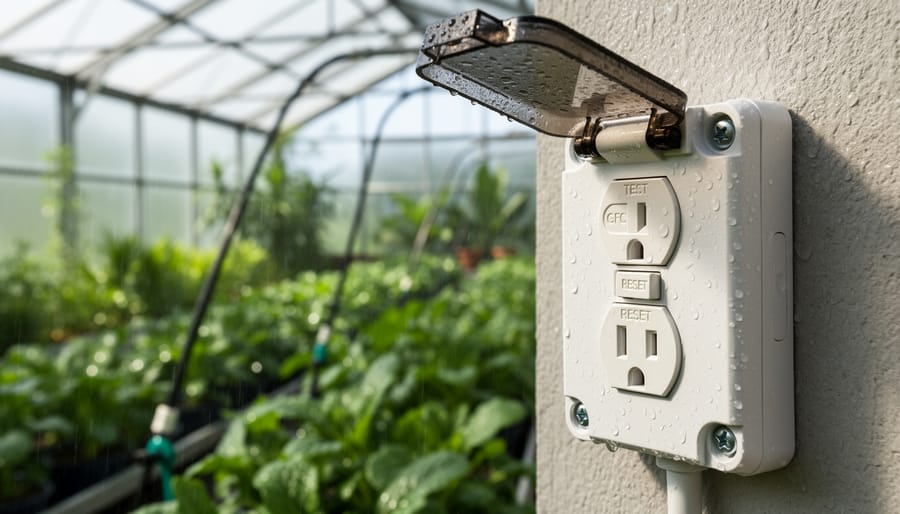
In moisture-rich greenhouse environments, standard electrical outlets simply aren’t safe enough. That’s where GFCI (Ground Fault Circuit Interrupter) outlets come in as your first line of defense against electrical fires and shock hazards. Think of a GFCI as a vigilant safety guard that constantly monitors electrical current. When it detects even a tiny imbalance—like electricity potentially flowing through water or a person—it shuts off power in a fraction of a second.
Why does this matter so much in your greenhouse? High humidity, routine watering, and occasional spills create the perfect conditions for electrical mishaps. Water is an excellent conductor of electricity, and when it comes into contact with non-GFCI protected outlets or damaged cords, the results can be devastating.
Every outlet in your greenhouse should be GFCI protected, not just those near water sources. You have two options: install GFCI outlets themselves, or use a GFCI circuit breaker that protects the entire greenhouse circuit. Test your GFCI outlets monthly using the built-in test button—it takes just seconds and could save your greenhouse. If the outlet doesn’t trip when tested, replace it immediately. This small investment in proper electrical protection is non-negotiable for greenhouse safety.
Calculate Your Power Load Before Plugging Anything In
Before you start plugging in heaters, grow lights, and fans, let’s do some simple math together. Think of your electrical circuit like a garden hose—there’s only so much water (or in this case, electricity) that can flow through at once.
Start by checking your circuit breaker. Most household circuits handle either 15 or 20 amps. A 15-amp circuit can safely handle about 1,800 watts continuously, while a 20-amp circuit handles 2,400 watts. Now grab a notepad and walk through your greenhouse, writing down the wattage of each device. You’ll find this information on labels or stickers on your equipment.
Here’s a quick example: Let’s say you have a 1,500-watt space heater, two 100-watt grow lights, and a 50-watt fan. That’s 1,750 watts total—just under the safe limit for a 15-amp circuit. But add another heater, and you’re looking at trouble.
Pro tip from my own experience: I always stay at least 20 percent below the maximum capacity. This buffer zone has saved me from countless tripped breakers and potential hazards. If your equipment exceeds what one circuit can handle, it’s time to add a dedicated circuit or redistribute your devices across multiple outlets on different circuits.
When to Call an Electrician (And Why It’s Worth It)
Here’s an honest truth from my years working with greenhouses: some electrical jobs are absolutely DIY-friendly, while others are worth every penny of professional help. Simple tasks like plugging in a timer, replacing a light bulb, or using properly rated extension cords are perfectly safe for most gardeners to handle. However, when it comes to installing permanent wiring, adding new circuits, or anything involving your electrical panel, please call a licensed electrician.
I learned this lesson after interviewing greenhouse designer Maria Chen, who’s seen too many close calls. As she told me, “The few hundred dollars you spend on an electrician is nothing compared to rebuilding after a fire.” Professional electricians understand load calculations, proper grounding, and building codes that protect your greenhouse investment. They’ll also spot potential hazards you might miss.
Think of it this way: you’re protecting not just your plants, but potentially your home and family too. When in doubt, make the call.
Daily Habits That Prevent Fires
The 5-Minute Safety Scan
Make safety checks part of your greenhouse routine, just like watering your plants. Every time you visit, take five minutes to scan for potential hazards. Start by checking all electrical cords for fraying, cracks, or exposed wires—even small damage can spark a fire. Run your hand near outlets and power strips to feel for unusual warmth, which signals an overloaded circuit.
Trust your nose. If you smell burning plastic, hot metal, or anything unusual, investigate immediately and unplug the source. Look for water pooling near electrical components, especially after watering or during humid conditions. Even a small drip can create a dangerous situation.
Check that heaters have proper clearance from plants, shelving, and any combustible materials—at least three feet is ideal. Inspect your extension cords to ensure they’re not running under rugs, through doorways, or anywhere they could get damaged. Finally, make sure your fire extinguisher is accessible and hasn’t expired.
Think of this quick scan as insurance for everything you’ve worked so hard to grow. Catching a problem early takes just minutes but could save your entire greenhouse and the plants you treasure.
Keep Combustibles Away From Heat Sources
Think of your greenhouse as a kitchen—you wouldn’t store dish towels on top of the stove, right? The same principle applies here. Flammable materials like dry leaves, paper seed packets, wooden stakes, and burlap bags should be kept at least three feet away from all electrical equipment, heaters, and power outlets. This simple rule has saved countless greenhouses from disaster.
I learned this lesson from Master Gardener Patricia Chen, who shared that she designates specific “cool zones” in her greenhouse for storage. “I use metal shelving units in the corners furthest from any heat sources,” she explained. “Everything combustible goes there, organized in metal bins rather than cardboard boxes.”
Create a mental map of your greenhouse’s heat sources—heating mats, space heaters, light ballasts, and power strips. These areas become your no-storage zones. Instead, store your paper bags and wooden supplies on metal or stone shelving units positioned away from these hot spots. Replace cardboard containers with metal or ceramic alternatives whenever possible.
During autumn cleanup, be especially vigilant about fallen leaves collecting near equipment. Even a small pile can ignite if it contacts a hot surface. Make it a weekly habit to sweep around electrical areas, keeping them completely clear of debris.
Seasonal Electrical Maintenance
Your greenhouse’s electrical needs change dramatically throughout the year, and staying ahead of these shifts is key to preventing fires. In spring and fall, inspect heating systems before heavy use begins—look for frayed cords, dust buildup on heaters, and proper thermostat function. Summer brings increased demands from fans and cooling systems, so check that circuits aren’t overloaded and ventilation fans run smoothly. During your winter greenhouse preparation, test all heating equipment thoroughly and ensure snow or ice won’t affect outdoor electrical components. Make electrical checks part of your regular maintenance routine at the start of each season. I always mark my calendar for quarterly inspections—it takes just 20 minutes but gives me tremendous peace of mind knowing my electrical systems are ready for whatever weather comes next.
Essential Fire Safety Equipment Every Greenhouse Needs
The Right Fire Extinguisher (And How to Use It)
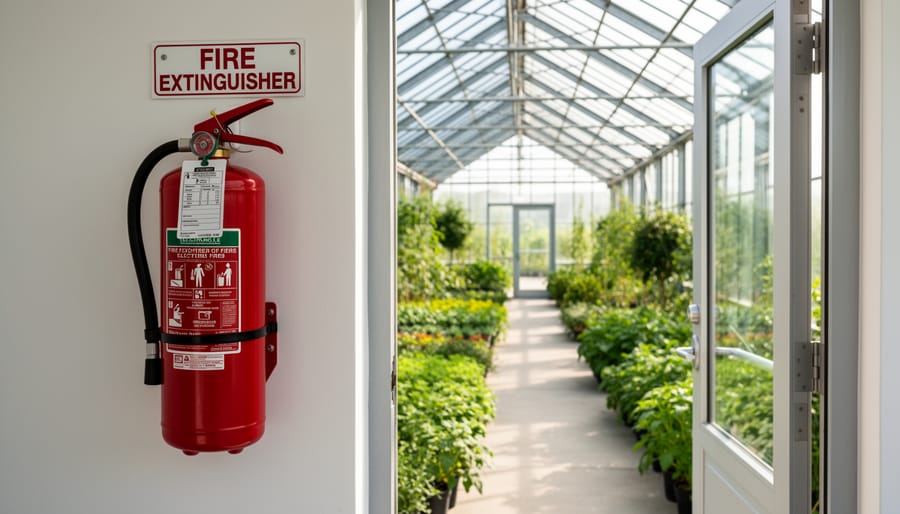
For greenhouse fires involving electrical equipment, you need a Class C fire extinguisher, which is specifically designed for electrical fires. Many extinguishers are multipurpose (rated ABC), handling ordinary combustibles, flammable liquids, and electrical fires—making them an excellent choice for greenhouses.
Mount your extinguisher near the main entrance where you can grab it quickly without having to navigate through the greenhouse. Keep it at eye level, between four and five feet high, and ensure nothing blocks access to it.
To use your extinguisher effectively, remember the PASS method: Pull the pin at the top, Aim the nozzle at the base of the flames (not the smoke), Squeeze the handle steadily, and Sweep from side to side while maintaining your aim at the fire’s base. Stand about six to eight feet away from the flames for safety.
Check your extinguisher’s pressure gauge monthly—the needle should point to the green zone. If it’s low or the extinguisher is damaged, replace it immediately. Most extinguishers need professional servicing or replacement every five to fifteen years, so note the inspection date on the label.
Smoke Detectors and Heat Sensors
Traditional smoke detectors can be tricky in greenhouse environments. The high humidity and temperature fluctuations you experience in your greenhouse may cause false alarms or reduce the effectiveness of standard ionization smoke detectors. Many greenhouse owners find themselves constantly dealing with nuisance alarms, especially during watering times or on particularly steamy summer mornings.
Here’s where heat-activated alarms shine as a better alternative. These sensors trigger when temperatures reach a dangerous threshold, typically around 135°F, making them ideal for the moist greenhouse environment. They won’t react to steam, dust, or the natural humidity your plants need to thrive.
I spoke with fire safety expert Tom Richardson, who shared this advice: “Heat detectors are my go-to recommendation for greenhouses. They’re reliable, affordable, and won’t leave you scrambling to silence false alarms every time you mist your orchids.”
Consider installing both types if your greenhouse has a separate dry storage area for supplies. Position heat sensors near heaters, electrical panels, and other potential ignition sources for maximum protection.
What to Do If You Smell Burning or See Smoke
If you notice the smell of burning plastic, see smoke, or spot sparks in your greenhouse, act immediately. Your safety and that of your family comes first, always.
Start by cutting power to the greenhouse at your main circuit breaker if you can reach it safely without entering a smoke-filled space. If there’s visible fire or heavy smoke, skip this step and get everyone out. Don’t try to investigate the source or fight the fire yourself—even a small electrical fire can spread rapidly among dry plants and wooden structures.
Once you’re at a safe distance, call emergency services right away. While waiting for help, keep people and pets away from the structure. If you’ve safely disconnected power and there’s only light smoke without flames, open greenhouse doors and vents from the outside to allow ventilation, but don’t re-enter.
After the situation is resolved, don’t restore power until a qualified electrician has inspected your system. What might seem like a minor incident could indicate serious wiring problems that need professional attention.
I learned this lesson from experienced gardener Maria Chen, who once smelled burning during an early morning greenhouse check. She immediately shut off power and called for help. It turned out to be a failing heater connection—catching it early prevented what could have been a devastating loss. Her quick response saved not just her greenhouse, but also years of carefully cultivated plants and irreplaceable gardening tools.
Remember, greenhouses can be rebuilt and plants replaced, but your safety cannot. When in doubt, always err on the side of caution and call professionals.
Here’s the good news: greenhouse fires are highly preventable when you know what to watch for and take a few simple precautions. Everything we’ve covered today—from checking your electrical setup to keeping flammable materials at bay—are straightforward steps that any gardener can implement, regardless of experience level.
I encourage you to set aside just thirty minutes this week to walk through your greenhouse with fresh eyes. Check those extension cords, test your smoke detector, and clear out any clutter that’s accumulated. Think of it as part of your regular greenhouse maintenance, just like watering or pruning. These small actions create a safety buffer that lets you enjoy your gardening sanctuary without worry.
Remember, being a responsible greenhouse gardener isn’t just about growing beautiful plants—it’s about creating a safe space where your passion can flourish for years to come. You’ve invested time, energy, and resources into your greenhouse, and protecting it is simply another way of nurturing what you love. With awareness and these practical habits in place, you can tend your seedlings, experiment with new varieties, and spend peaceful hours among your plants with complete peace of mind. Your greenhouse should be a place of joy and growth, and now you have the knowledge to keep it that way.