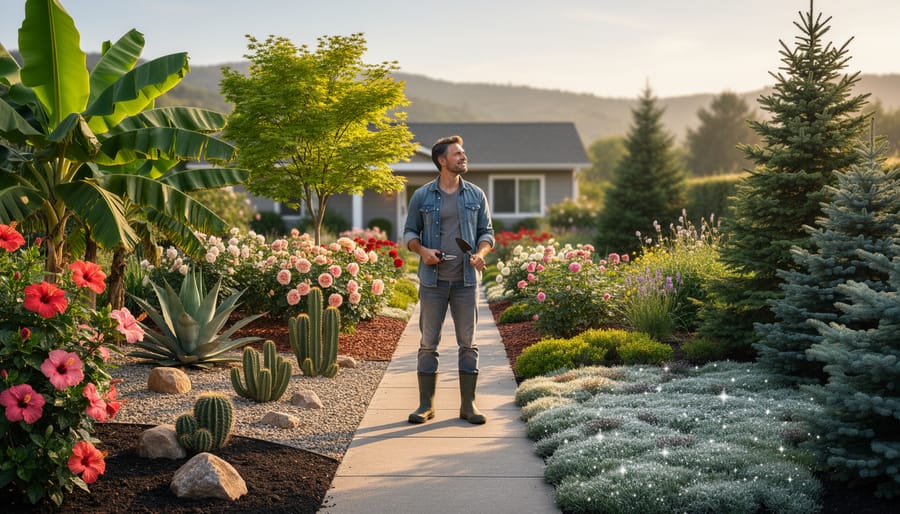
Transform your garden into a thriving ecosystem by designing with nature’s patterns in mind. Every plant, pathway, and water feature becomes part of an interconnected web that supports local wildlife, conserves resources, and creates a resilient outdoor space capable of withstanding climate challenges.
Start by mapping your garden’s natural conditions – sun patterns, water flow, and existing soil types. These environmental factors guide plant selection and placement, ensuring your garden works in harmony with local conditions rather than against them. Native plants, strategically grouped according to their water and light needs, form the backbone of an ecological garden that requires minimal intervention.
Beyond plant selection, ecological garden design embraces sustainable practices like rainwater harvesting, composting, and creating wildlife corridors. These elements work together to build a self-sustaining system that provides year-round interest while supporting biodiversity. Whether you’re working with a small urban plot or sprawling acreage, the principles remain the same: build soil health, conserve water, and create habitat connections that invite nature to flourish.
This approach to gardening doesn’t just benefit the environment – it creates a more enjoyable, lower-maintenance space that connects you with the natural world while reducing your carbon footprint and water usage.
Smart Plant Selection for Climate Resilience
Native Plants: Your Garden’s Climate Champions
Native plants are the unsung heroes of ecological gardening, having evolved over thousands of years to thrive in your local climate and soil conditions. These resilient species require less water, fertilizer, and maintenance than their exotic counterparts, making them perfect allies in creating a sustainable garden.
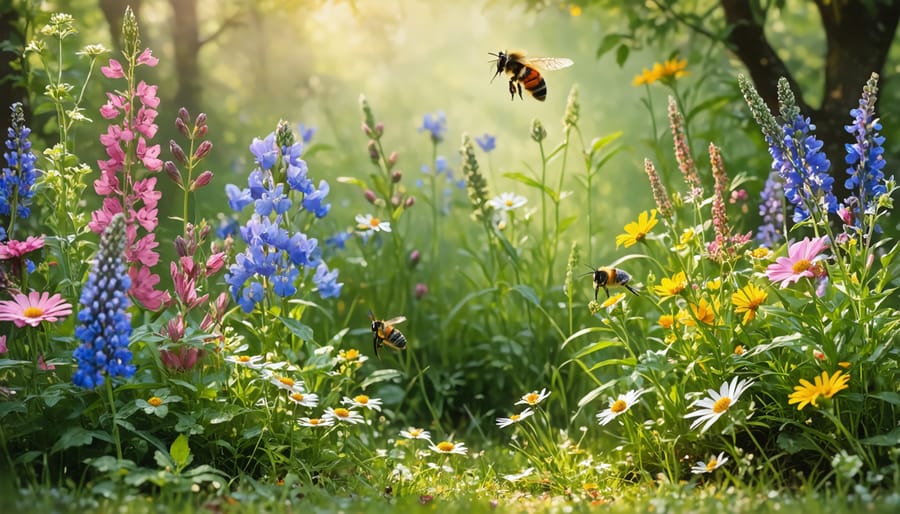
By choosing plants native to your region, you’re not just making your gardening life easier – you’re also supporting local wildlife. Native flowers provide essential nectar for pollinators like bees and butterflies, while native trees and shrubs offer food and shelter for birds and small mammals. This creates a vibrant ecosystem right in your backyard!
Think of native plants as your garden’s built-in climate defense system. Their deep root systems help prevent soil erosion and improve water infiltration during heavy rains. During dry spells, these same roots allow them to access water deep in the soil, reducing the need for supplemental watering.
Many native plants also form beneficial relationships with local soil microorganisms, creating healthier soil networks that benefit your entire garden. From spring wildflowers to summer berries and fall foliage, native plants offer year-round interest while maintaining ecological balance.
To get started, visit local native plant nurseries or botanical gardens to discover species that will thrive in your specific area. Remember, what works in one region might not work in another, so always choose plants adapted to your local conditions.
Water-Wise Plant Communities
Creating water-wise plant communities is like arranging a neighborhood where all residents have similar needs and help each other thrive. By grouping plants with similar water requirements together, you’ll not only conserve water but also create resilient garden spaces that maintain themselves naturally.
Start by identifying your garden’s microclimates – areas that differ in sun exposure, wind patterns, and natural moisture retention. Then, select plants that share similar water needs and place them together in these zones. For example, drought-tolerant Mediterranean herbs like lavender, rosemary, and sage make perfect companions, while moisture-loving ferns and hostas can share shadier, damper spots.
Consider creating layers within each community, mimicking natural ecosystems. Tall trees can provide shade and wind protection for smaller shrubs, while ground covers help retain soil moisture and reduce evaporation. Native plants are particularly valuable in these communities as they’re already adapted to local rainfall patterns.
To enhance water efficiency, incorporate plants with different root depths. Deep-rooted plants like yarrow can access water from lower soil levels, while shallow-rooted companions like thyme maximize surface moisture. This strategic placement creates a more complete use of available water resources.
Remember to mulch your plant communities generously. A 2-3 inch layer of organic mulch helps retain moisture, suppress weeds, and gradually improve soil quality as it breaks down, supporting your water-wise garden’s long-term success.
Water Management Solutions
Rain Gardens and Bioswales
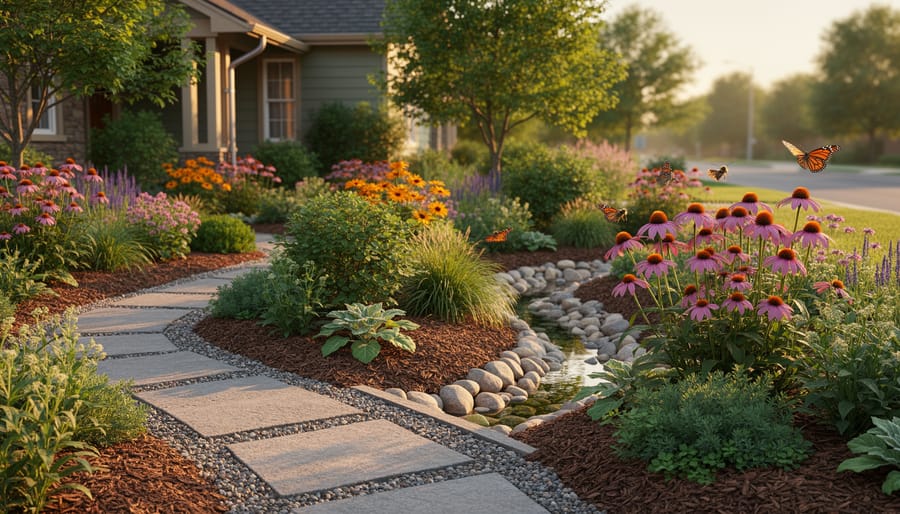
Rain gardens and bioswales are nature’s way of managing water in your garden while creating beautiful, functional spaces. These clever landscape features collect rainwater runoff from roofs, driveways, and other hard surfaces, allowing it to slowly filter through layers of soil and plants before reaching groundwater.
A rain garden is essentially a shallow depression in your yard, typically 4-8 inches deep, planted with water-loving native species. When it rains, these gardens temporarily hold water, reducing flooding and filtering out pollutants. The best part? They’re surprisingly easy to create and maintain. Choose plants like cardinal flower, swamp milkweed, and native sedges that can handle both wet and dry conditions.
Bioswales serve a similar purpose but are designed as long, gently sloping channels that direct water flow. Think of them as rain gardens in motion! They’re particularly effective along driveways or property boundaries where water naturally flows. Plant them with deep-rooted grasses and rushes that can withstand periodic flooding while helping to clean the water.
Both features attract beneficial wildlife like butterflies and birds, adding extra life to your garden. They’re also incredibly adaptable – you can scale them to fit any space, from a small urban yard to a sprawling rural property. By incorporating these natural water management systems, you’re not just creating an eco-friendly garden; you’re helping to protect local waterways and reduce the burden on municipal storm drains.

Smart Irrigation Techniques
Smart irrigation isn’t just about saving water – it’s about creating a thriving garden that works in harmony with nature. By implementing water-wise gardening techniques, you can maintain a beautiful landscape while significantly reducing water consumption.
Start by installing a drip irrigation system, which delivers water directly to plant roots, minimizing evaporation and waste. These systems can be enhanced with smart controllers that adjust watering schedules based on weather conditions and soil moisture levels. For smaller gardens, soaker hoses offer a budget-friendly alternative that achieves similar results.
Timing is crucial – water early in the morning or late in the evening when evaporation rates are lowest. Group plants with similar water needs together, creating hydrozones that make irrigation more efficient. Consider installing rain barrels to harvest rainwater, which not only reduces your water bill but also provides chemical-free water that plants love.
Mulching is another excellent way to retain soil moisture. Apply a 2-3 inch layer of organic mulch around your plants to reduce evaporation and suppress water-hungry weeds. For container gardens, try self-watering planters or water-retaining crystals that release moisture gradually.
Remember to check your irrigation system regularly for leaks and adjust sprinkler heads to avoid watering pathways or structures. These simple maintenance steps can save thousands of gallons of water annually while keeping your garden lush and healthy.
Creating Climate Buffers
Natural Shade Structures
Creating natural shade in your garden is one of the most effective ways to regulate temperature while enhancing biodiversity. Trees are nature’s perfect shade-makers, offering a cooling effect that can reduce surrounding temperatures by up to 10 degrees Fahrenheit. Deciduous trees are particularly clever choices, as they provide shade during hot summers and allow sunlight through in winter when their leaves fall.
Strategic placement of trees on the south and west sides of your garden can significantly reduce cooling costs for your home while creating comfortable outdoor living spaces. Consider fast-growing native species like maples or oaks, which also provide essential habitat for local wildlife.
Pergolas offer another eco-friendly shading solution, especially when covered with climbing plants. Grape vines, wisteria, or hardy kiwi not only create beautiful, living canopies but also produce food or flowers while keeping spaces cool. These vertical gardens maximize space efficiency while contributing to your garden’s ecosystem.
For immediate shade solutions while trees mature, consider temporary structures using bamboo or sustainable materials. Combine these with annual climbing plants like morning glory or moonflower for quick coverage. Remember to plan your shade structures with seasonal sun patterns in mind – you’ll want to ensure winter sunlight can still reach sun-loving plants and outdoor seating areas.
By incorporating these natural shade elements thoughtfully, you’ll create comfortable microclimates that benefit both people and wildlife while reducing energy consumption.
Windbreaks and Microclimates
Creating windbreaks and microclimates in your garden is like building cozy rooms outdoors, each with its own unique environment. By strategically placing trees, shrubs, and structures, you can protect delicate plants from harsh winds while creating comfortable spaces for both plants and people to thrive.
Start by observing your garden’s natural wind patterns and identifying areas that need protection. Tall evergreen trees and dense shrubs make excellent windbreaks when planted in rows or groups on the windward side of your garden. For smaller spaces, consider installing trellises or decorative screens that can support climbing plants.
These protective barriers do more than just block wind – they create microclimates, which are small areas with distinct growing conditions. South-facing walls, for instance, absorb heat during the day and release it at night, creating perfect spots for heat-loving plants. Similarly, the sheltered areas behind windbreaks can be several degrees warmer than exposed areas, extending your growing season.
You can enhance these microclimates by incorporating water features, which increase humidity and attract beneficial wildlife. Large rocks and raised beds also store heat and create warm pockets for tender plants. Remember to leave some gaps in your windbreaks to prevent stagnant air pockets and allow for gentle air circulation, which helps prevent fungal diseases and promotes healthy plant growth.
Sustainable Materials and Practices
Permeable Surfaces and Recycled Materials
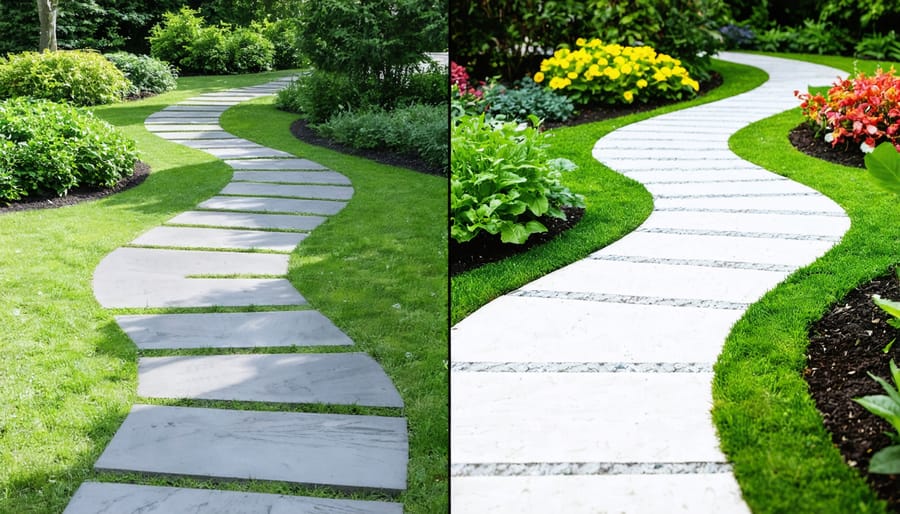
When designing an eco-friendly garden, the materials you choose for pathways, patios, and other hardscaping elements play a crucial role in supporting the environment. Permeable surfaces allow rainwater to seep naturally into the ground, reducing runoff and helping to replenish groundwater supplies. Popular options include gravel paths, which create a charming rustic look while allowing excellent drainage, and permeable pavers that offer the stability of traditional paving with the benefits of water filtration.
Recycled materials add character to your garden while keeping waste out of landfills. Consider using reclaimed brick or stone for edging and pathways – these materials often come with a beautiful weathered patina that adds instant charm. Crushed recycled concrete, known as urbanite, makes an excellent base for pathways and can be topped with gravel or left exposed for an industrial-chic look.
For deck areas, composite lumber made from recycled plastic and wood fibers offers a durable, low-maintenance alternative to traditional timber. These materials resist rot and don’t require regular staining or sealing. Old railway sleepers, provided they’re from newer stock not treated with harmful chemicals, can create raised beds or retaining walls with rustic appeal.
Remember to source materials locally when possible, reducing transportation emissions and supporting your community’s circular economy. Many landscape suppliers now specialize in recycled and sustainable materials, making it easier than ever to make eco-conscious choices for your garden’s hardscaping.
Low-Impact Maintenance Strategies
Maintaining an ecological garden doesn’t have to be labor-intensive or resource-heavy. The key is working with nature rather than against it. Start by implementing a “chop and drop” mulching technique, where pruned plant material is left on the ground to decompose naturally, returning nutrients to the soil and reducing waste.
Consider adopting a no-dig approach to preserve soil structure and protect beneficial organisms. Instead of turning the soil, add layers of organic matter on top, allowing earthworms and microorganisms to do the work for you. This method also helps retain moisture and suppress weeds naturally.
When it comes to pest management, focus on prevention through companion planting and encouraging beneficial insects. Plant aromatic herbs like lavender and thyme throughout your garden to naturally deter unwanted pests while attracting pollinators. Installing bird baths and insect hotels creates a balanced ecosystem where natural predators help control pest populations.
Water conservation is crucial in ecological maintenance. Install a rain garden or swales to capture and direct rainwater where it’s needed most. Use mulch generously around plants to reduce evaporation, and consider setting up a drip irrigation system for targeted watering. Collecting rainwater in barrels provides a sustainable water source during dry spells.
Remember to embrace some imperfection – a few holes in leaves or the occasional weed can indicate a healthy, living ecosystem rather than a problem to be solved.
Creating an ecological garden is more than just a trend – it’s a meaningful step toward a more sustainable future. By implementing the principles we’ve explored, you’re not only creating a beautiful outdoor space but also contributing to local biodiversity and environmental health.
Remember that ecological garden design doesn’t require an all-or-nothing approach. Start small by incorporating native plants, reducing water usage, or creating wildlife habitats. As your confidence grows, you can gradually expand your sustainable practices. Every small change makes a difference.
The benefits of ecological gardening extend far beyond your property lines. Your garden can become a vital link in the local ecosystem, supporting pollinators, providing shelter for beneficial insects, and creating corridors for wildlife. Plus, you’ll enjoy reduced maintenance costs, lower water bills, and a garden that becomes more resilient over time.
Don’t be afraid to experiment and learn from both successes and setbacks. Connect with other ecological gardeners in your community, share experiences, and celebrate your achievements together. Whether you’re transforming an existing garden or starting from scratch, the principles of ecological design can help you create a thriving, sustainable landscape that brings joy for years to come.
Take that first step today – your garden, and the planet, will thank you for it.