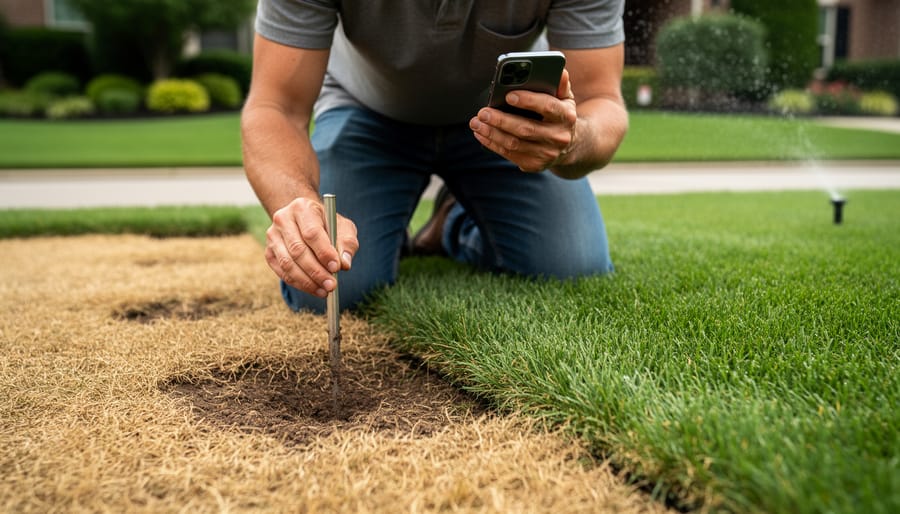
Transform your garden into a year-round sanctuary by mastering nature’s rhythm of pest control. Each season brings unique challenges, but implementing a strategic, four-season approach keeps unwanted visitors at bay while nurturing beneficial insects and maintaining ecological balance.
Spring demands proactive measures: plant companion flowers like marigolds and nasturtiums to naturally repel common pests, establish physical barriers before pest populations explode, and introduce beneficial nematodes while soil temperatures warm. Summer calls for vigilant monitoring and swift action – inspect plants weekly, maintain proper watering schedules, and strengthen plants’ natural defenses through organic fertilization.
As autumn approaches, focus shifts to prevention: remove fallen fruit and debris that harbor overwintering pests, apply protective row covers to fall crops, and establish winter-hardy beneficial insect habitats. Winter, contrary to popular belief, requires active pest management through soil preparation, greenhouse monitoring, and strategic planning for the year ahead.
This holistic, season-by-season approach ensures your garden remains productive and healthy throughout the year, working with nature rather than against it. By understanding and adapting to each season’s unique challenges, you create a resilient ecosystem that naturally keeps pest populations in check.

Spring: Preventing the First Wave
Early Detection Strategies
Staying one step ahead of pest problems can save you countless hours of garden restoration and plant rescue. The key to effective year-round pest control lies in regular monitoring and knowing the early warning signs of trouble. Take a slow walk through your garden at least twice a week, paying special attention to the undersides of leaves where many pests first appear.
Look for subtle changes in your plants’ appearance – yellowing leaves, irregular holes, or wilting sections can all signal the beginning of pest activity. Keep an eye out for sticky residue on leaves, which often indicates the presence of sap-sucking insects. White specks, webbing, or clusters of tiny eggs are also telltale signs that require immediate attention.
Consider maintaining a garden journal to track when and where you spot potential issues. This documentation helps identify patterns and predict future problems. Installing yellow sticky traps near vulnerable plants can help monitor flying pest populations before they become overwhelming.
Don’t forget to inspect new plants thoroughly before adding them to your garden – they can be unexpected carriers of pests. Creating a diverse garden environment with companion planting naturally deters many common pests and makes it easier to spot when something’s amiss.
Remember, healthy plants are more resistant to pest invasions. Regular soil testing, proper watering, and maintaining good air circulation will help your garden naturally ward off unwanted visitors while making emerging problems more visible.
Natural Spring Barriers
Spring brings new life to your garden, but it also welcomes unwanted visitors. The key to natural pest control during this season lies in strategic companion planting and creating a balanced ecosystem. Start by ensuring you have healthy garden soil to support strong, resilient plants that naturally resist pests.
Consider planting aromatic herbs like basil, mint, and lavender throughout your garden beds. These natural defenders not only add beauty and flavor to your space but also confuse and deter common spring pests. Marigolds are particularly effective at protecting your vegetables, while nasturtiums act as sacrificial plants, drawing aphids away from your prized crops.
Create physical barriers early in the season using row covers or netting to protect young seedlings from cabbage moths and other flying insects. A border of crushed eggshells around vulnerable plants will discourage slugs and snails, while coffee grounds can repel ants and cats from your garden beds.
Encourage beneficial insects by planting flowers like yarrow, dill, and cosmos. These natural allies, including ladybugs and praying mantises, will help keep pest populations in check. Remember to maintain proper spacing between plants to ensure good air circulation, which reduces the likelihood of fungal problems and makes it harder for pests to move from plant to plant.
Summer: Protecting Your Peak Harvest
Heat-Loving Pest Identification
As temperatures rise, certain pests become more active and can wreak havoc in your garden. Learning to identify these summer visitors is the first step in protecting your plants. Ants are often the first heat-loving pests you’ll notice, creating telltale mounds and trails across your garden beds. They’re particularly attracted to plants with aphid infestations, as they feed on the honeydew these smaller pests produce.
Japanese beetles, with their metallic green-bronze bodies, typically emerge in late June and can quickly skeletonize leaves, especially on roses and grape vines. Look for clusters of these insects and their distinctive lace-like damage pattern on foliage. Spider mites thrive in hot, dry conditions and create fine webbing on plant leaves. You might notice yellow stippling on leaves before spotting these tiny pests.
Tomato hornworms, despite their large size, can be surprisingly difficult to spot due to their green camouflage. Watch for stripped leaves and black droppings beneath your tomato plants. These chunky caterpillars often hide on the undersides of branches during the day.
Squash bugs and cucumber beetles become particularly active during warm weather. Check the undersides of cucumber, squash, and melon leaves for clusters of bronze-colored eggs or groups of gray-brown adults. Early detection is crucial, as these pests can transmit diseases that can devastate your crops.
Remember, seeing these pests doesn’t automatically mean you need to take action. Monitor population levels and plant damage to determine when intervention is necessary. Many of these insects have natural predators that help keep their numbers in check.
Organic Summer Solutions
When summer arrives, maintaining effective summer garden protection doesn’t mean you need to reach for harsh chemicals. Nature offers plenty of powerful solutions to keep unwanted visitors at bay while preserving your garden’s ecosystem.
Start by introducing companion planting strategies. Marigolds, lavender, and chrysanthemums naturally repel many common garden pests. Plant these aromatic defenders throughout your vegetable beds and around the perimeter of your garden. Basil isn’t just great for cooking – it helps protect tomatoes from hornworms and other troublesome insects.
Create your own natural pest deterrent spray using ingredients from your kitchen. Mix one tablespoon of neem oil, a few drops of liquid soap, and a quart of water for an effective solution. For added protection, try infusing water with garlic and hot peppers – a combination that most garden pests absolutely detest.
Encourage beneficial insects to make your garden their home. Ladybugs, praying mantises, and parasitic wasps are natural predators that help control pest populations. Plant flowers like dill, fennel, and yarrow to attract these helpful garden allies.
Don’t forget about physical barriers! Row covers, coffee grounds around sensitive plants, and copper tape for slug control are all excellent chemical-free options. For larger pests, consider installing motion-activated sprinklers that startle and deter animals without causing harm.
Remember to maintain proper garden hygiene by removing dead leaves and keeping the soil healthy. A strong, well-maintained garden naturally resists pest problems, making your organic control methods even more effective.

Fall: Preparing Your Defense
Pre-Winter Cleanup
As autumn leaves begin to fall, a thorough garden cleanup becomes your first line of defense against next season’s pest problems. Taking the right winter prep steps can significantly reduce pest populations by eliminating their winter hiding spots and breaking their lifecycle.
Start by removing all dead plant material, including fallen leaves, spent vegetables, and dried stems. These materials often harbor insect eggs and disease spores that can survive winter to cause problems in spring. Pay special attention to the base of perennial plants where pests love to nest.
Don’t forget to clean up fallen fruit from trees and vegetables that didn’t make it to harvest. These can become perfect winter homes for various garden pests and may attract unwanted visitors like rodents. Add healthy plant debris to your compost pile, but dispose of any diseased material separately to prevent spreading problems next season.
Consider applying a layer of winter mulch only after the ground has frozen. This prevents creating cozy winter quarters for pests while still protecting your plants. Clean and store garden tools properly, as neglected tools can harbor pest eggs and disease spores.
Remember to trim back overgrown areas where insects might hibernate and seal any gaps in garden structures that could become pest hideouts during the cold months. These simple but effective cleanup practices will give you a head start on pest control for the coming growing season.
Fall-Specific Treatments
As temperatures drop and pests seek warmth, fall presents unique challenges for gardeners. Create natural barriers by sealing cracks around windows and doors with weatherstripping and caulk. Beneficial nematodes work wonderfully in autumn soil to control grubs and other underground pests before they can establish winter colonies.
A mixture of dried herbs like bay leaves, cinnamon sticks, and whole cloves scattered near entry points naturally deters many crawling insects. For mice and rats seeking shelter, peppermint oil-soaked cotton balls placed strategically around the garden and home perimeter create an effective deterrent zone.
Clean up fallen leaves regularly, as these become perfect hiding spots for slugs and snails. A border of crushed eggshells or diatomaceous earth around vulnerable plants provides excellent protection. Consider companion planting with pest-repelling autumn crops like garlic, chrysanthemums, and marigolds.
For fruit trees, install sticky bands around trunks to catch climbing insects. A DIY apple cider vinegar trap (one part vinegar, one part water, plus a drop of dish soap) works wonders for fruit flies and gnats that emerge during harvest season.
Remember to harvest vegetables promptly and remove any rotting fruit or vegetables, which can attract unwanted visitors. Maintaining good garden hygiene in fall sets the stage for fewer pest problems during winter dormancy.
Winter: Planning and Prevention
Indoor Garden Protection
Indoor gardens and greenhouses present unique challenges when it comes to pest control, but they also offer greater opportunities for prevention and management. Start by inspecting all new plants thoroughly before bringing them indoors, as this simple step can prevent many pest issues from taking root. Regular monitoring is crucial – check your plants at least weekly, paying special attention to leaf undersides and stem joints where pests often hide.
Maintain proper air circulation with fans and adequate spacing between plants to discourage fungal growth and pest infestations. Consider introducing beneficial insects like ladybugs or predatory mites, which act as natural pest controllers in your indoor garden ecosystem. Sticky traps can help monitor and reduce flying pest populations, while diatomaceous earth creates an effective barrier against crawling insects.
For organic pest management, neem oil solutions and insecticidal soaps work well in controlled environments. Remember to quarantine affected plants immediately if you spot an infestation, and treat them away from healthy specimens. Keep your growing area clean by removing dead leaves and maintaining appropriate humidity levels – pests often thrive in damp, cluttered conditions.

Next Season’s Strategy
As winter winds down, it’s time to prepare for spring’s pest management challenges. Start by reviewing your essential January gardening tips and creating a comprehensive action plan. Clean up any remaining debris from winter, as these make perfect hiding spots for overwintering pests.
Inspect your garden tools and pest barriers, replacing any damaged equipment before the busy season begins. Consider starting beneficial insect populations early by planting flowers that attract natural predators like ladybugs and praying mantises. Early spring is also ideal for setting up monitoring systems to catch pest problems before they escalate.
Create a schedule for regular garden inspections and preventive treatments. Stock up on organic pest control solutions and ensure your compost is ready to boost plant health naturally. Remember, healthy plants are more resistant to pest invasions. By taking these proactive steps now, you’ll be well-prepared when temperatures rise and pest activity increases.
Remember to keep detailed notes about previous pest issues to better anticipate and prevent similar problems in the coming season. This forward-thinking approach will help you maintain a thriving, pest-resistant garden throughout spring and summer.
As we’ve explored throughout this guide, effective pest control isn’t just about quick fixes – it’s about creating a sustainable, year-round strategy that works with nature rather than against it. By approaching pest management seasonally, you’re better equipped to prevent issues before they arise and handle challenges as they emerge.
Remember that each season brings its own unique opportunities for pest control. Spring’s focus on prevention and garden preparation sets the foundation for summer’s active monitoring and natural deterrent methods. Fall cleanup and winter preparation work together to break pest cycles and protect your garden throughout the coldest months.
The key to success lies in consistency and observation. Take time to understand your garden’s ecosystem, noting which beneficial insects visit during different seasons and which pest problems tend to occur at specific times. This knowledge becomes your greatest tool in maintaining a healthy garden year-round.
Consider starting a garden journal to track your observations and successes. What worked well this year? Which strategies might need adjustment? This reflection helps you fine-tune your approach for the seasons ahead.
Most importantly, stay committed to environmentally friendly methods. By choosing natural solutions and working with seasonal rhythms, you’re not just controlling pests – you’re fostering a resilient garden that grows stronger with each passing season. Your efforts contribute to a healthier environment while creating a thriving outdoor space you can enjoy throughout the year.