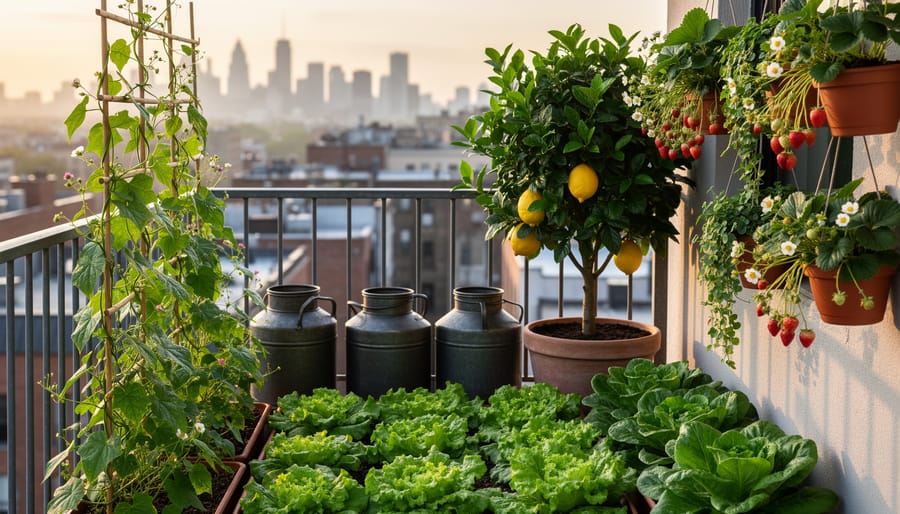
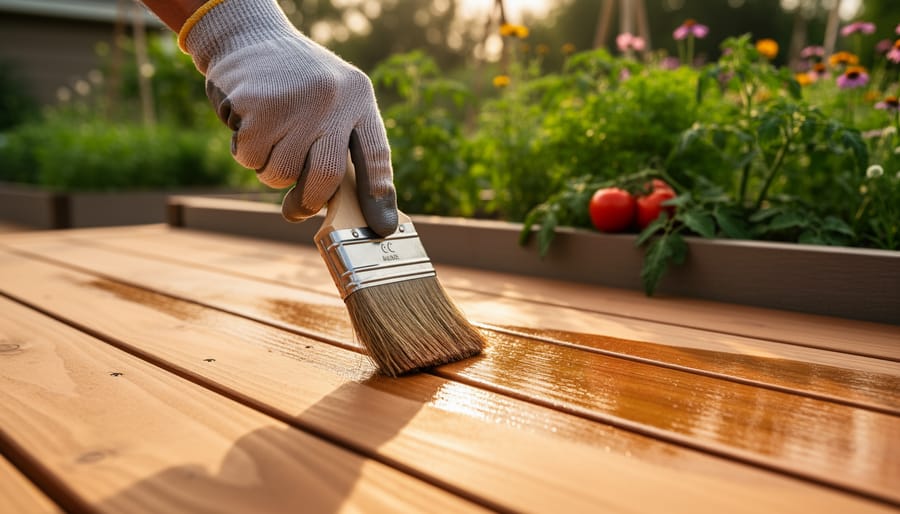
Transform your balcony or rooftop into a thriving eco-system by stacking vertical planters, implementing drip irrigation, and creating compost zones within arm’s reach. Small-space gardening drives the urban farming revolution, turning concrete jungles into vibrant food forests. Maximize growing potential by installing modular hydroponic systems along walls, incorporating native pollinators, and utilizing rainwater collection systems that feed directly into self-watering containers. Build healthy soil ecosystems through vermiculture bins tucked beneath growing stations, creating a closed-loop system that transforms kitchen scraps into nutrient-rich fertilizer. Smart crop rotation in raised beds, even in spaces as small as 4×4 feet, produces year-round harvests while naturally managing pests and soil fertility. These space-conscious methods not only yield fresh produce but also contribute to urban biodiversity, improved air quality, and reduced carbon footprints – making every square foot count in the movement toward sustainable city living.
Smart Space Planning for Urban Gardens
Vertical Growing Solutions
When space is at a premium, the only way to go is up! Vertical growing solutions offer innovative ways to maximize your urban garden’s potential while creating stunning living walls of greenery. Start with basic trellises for climbing vegetables like peas, beans, and cucumbers, which naturally want to grow upward and will thrive with proper support.
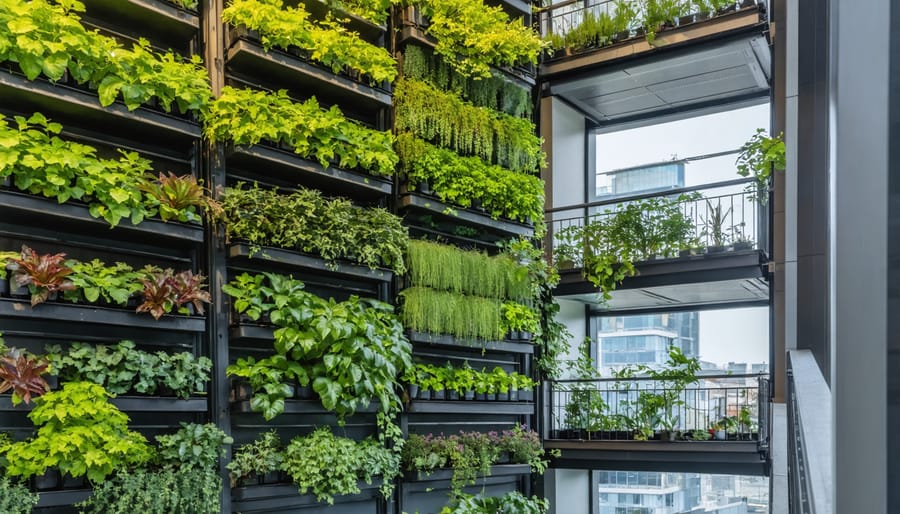
Living walls are another fantastic option, using pocket planters or modular systems attached securely to walls. These can host a variety of herbs, leafy greens, and compact flowering plants. For apartment dwellers, try mounting gutters horizontally on balcony walls – they’re perfect for growing shallow-rooted plants like lettuce and strawberries.
Hanging gardens are particularly versatile, using macramé plant hangers or repurposed containers suspended from sturdy hooks. Multi-tiered hanging systems can accommodate several plants while creating visual interest. Don’t forget about window boxes and railing planters, which can transform otherwise unused spaces into productive growing areas.
For the DIY enthusiast, pallets can be transformed into vertical gardens with some waterproof backing and proper drainage. Remember to consider weight limitations and water needs when planning your vertical garden – installing a simple drip irrigation system can make maintenance much easier while conserving water.
Container Combinations That Work
Creating successful container combinations is like arranging a harmonious garden community where plants support and complement each other. The classic “thriller, filler, spiller” approach works wonderfully – combine tall, striking plants with medium-height fillers and trailing varieties that cascade over the edges.
Try pairing tomatoes with basil and trailing nasturtiums. The basil naturally repels pests that might harm your tomatoes, while nasturtiums attract pollinators and provide edible flowers. For herb containers, combine Mediterranean favorites like rosemary, thyme, and sage, which share similar water and sunlight needs.
Vertical space warriors like pole beans or peas work brilliantly with shallow-rooted lettuces or radishes at their base. This combination maximizes both horizontal and vertical space while ensuring all plants get adequate sunlight.
For year-round interest, mix compact evergreen herbs with seasonal edibles. Plant strawberries with chives and parsley – the chives help deter pests, while parsley provides continuous harvests. Remember to group plants with similar water requirements together to prevent over or under-watering.
Consider companion planting principles when planning your containers. Marigolds pair well with most vegetables, acting as natural pest deterrents while adding cheerful color to your urban garden.
Water-Wise Urban Gardening
Rainwater Harvesting Systems
Rainwater harvesting is one of the most effective ways to maintain a sustainable urban garden while reducing your water bills and environmental impact. The simplest way to start is by installing rain barrels beneath your downspouts. These containers can collect hundreds of gallons of water during a single rainfall, providing a free and eco-friendly water source for your garden.
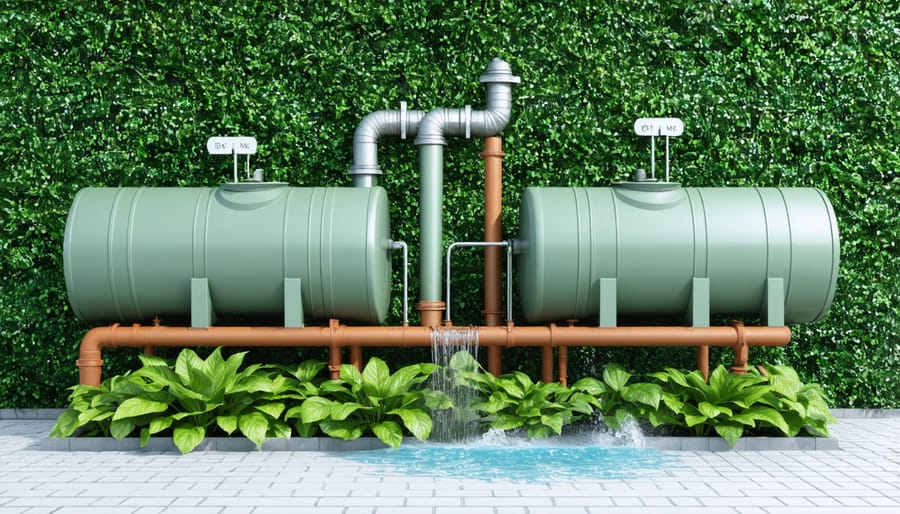
For those with more space, consider installing a larger collection system using multiple interconnected barrels or a cistern. These systems can be elegantly disguised with climbing plants or decorative screens to maintain your garden’s aesthetic appeal. Remember to place your collection containers on stable, level ground and elevate them slightly to allow for easier water access through a spigot.
To maximize your harvesting potential, install gutters with debris screens to prevent leaves and twigs from clogging the system. For urban gardeners with limited space, collapsible rain barrels offer a practical solution that can be stored away during dry seasons.
Don’t forget to incorporate a first-flush diverter, which helps filter out initial roof runoff containing dust and debris. This ensures cleaner water for your plants. During winter months in colder climates, remember to drain and disconnect your system to prevent freeze damage.
The collected rainwater is perfect for both indoor and outdoor plants, as it’s naturally soft and free from additives found in tap water. Your plants will thank you with healthier growth and more vibrant blooms.
Smart Irrigation Techniques
Making the most of water resources is crucial for any urban garden, and implementing smart water-saving garden techniques can help you create a thriving space while conserving this precious resource. One of the most effective methods is installing a drip irrigation system, which delivers water directly to plant roots, reducing waste through evaporation and ensuring optimal moisture levels.
Consider setting up a rain barrel to collect rainwater from your roof – it’s free, environmentally friendly, and plants love it! Connect it to your irrigation system or use it for manual watering during dry spells. Smart irrigation controllers take this a step further by automatically adjusting watering schedules based on weather conditions and soil moisture levels.
Mulching is another fantastic way to retain moisture in your garden. Apply a 2-3 inch layer of organic mulch around your plants to slow evaporation and keep roots cool. For container gardens, self-watering planters can be a game-changer, providing consistent moisture while reducing the frequency of watering.
Don’t forget about timing – water early in the morning or late in the evening to minimize evaporation. Group plants with similar water needs together, creating hydrozones that make irrigation more efficient. For those tech-savvy gardeners, moisture sensors and smart phone apps can help monitor soil conditions and optimize watering schedules, making sustainable gardening easier than ever.
Organic Soil Management
Composting in Small Spaces
Even with limited space, you can turn kitchen scraps and garden waste into valuable compost. Urban gardeners have several small-scale composting solutions perfect for balconies, patios, or tiny yards.
Consider starting with a compact tumbling composter, which takes up minimal space and makes turning your compost effortless. These sealed units also help control odors and keep pests away – essential features for city living. For those with even less space, bokashi composting is an excellent alternative. This Japanese method uses beneficial microorganisms to ferment kitchen waste in an airtight bucket, making it perfect for apartment dwellers.
Vermicomposting, or worm composting, is another space-efficient option. A worm bin can fit under your kitchen sink or on a covered balcony, transforming your food scraps into nutrient-rich castings. Red wiggler worms work tirelessly to break down organic matter, producing some of the finest compost available.
Remember to maintain a good balance of green materials (food scraps, fresh grass clippings) and brown materials (dried leaves, paper) to create healthy compost. With proper management, these systems can process most of your kitchen waste while providing valuable nutrients for your urban garden.
Natural Fertilizing Methods
Enriching your urban garden soil doesn’t require expensive chemical fertilizers. Nature provides everything you need to create nutrient-rich soil that your plants will love. Composting kitchen scraps, coffee grounds, and yard waste creates black gold for your garden, packed with essential nutrients and beneficial microorganisms.
One of my favorite techniques is creating compost tea – simply steep finished compost in water for 24-48 hours. This nutrient-rich liquid can be used to water plants directly or as a foliar spray. Worm composting is another fantastic method, especially for apartment dwellers. Red wigglers transform kitchen scraps into valuable castings while taking up minimal space.
Consider incorporating cover crops like clover or alfalfa between growing seasons. These plants naturally fix nitrogen in the soil and can be turned under as green manure. Grass clippings, fallen leaves, and pruned plant materials make excellent mulch, which gradually breaks down to feed the soil while retaining moisture.
For quick nutrition boosts, try banana peels around rose bushes, crushed eggshells for tomatoes, or used coffee grounds for acid-loving plants. These kitchen waste items provide specific nutrients while reducing what goes to landfills. Remember, healthy soil leads to healthy plants, and nature’s recycling system is the most sustainable approach.
Urban Wildlife and Biodiversity
Pollinator-Friendly Planting
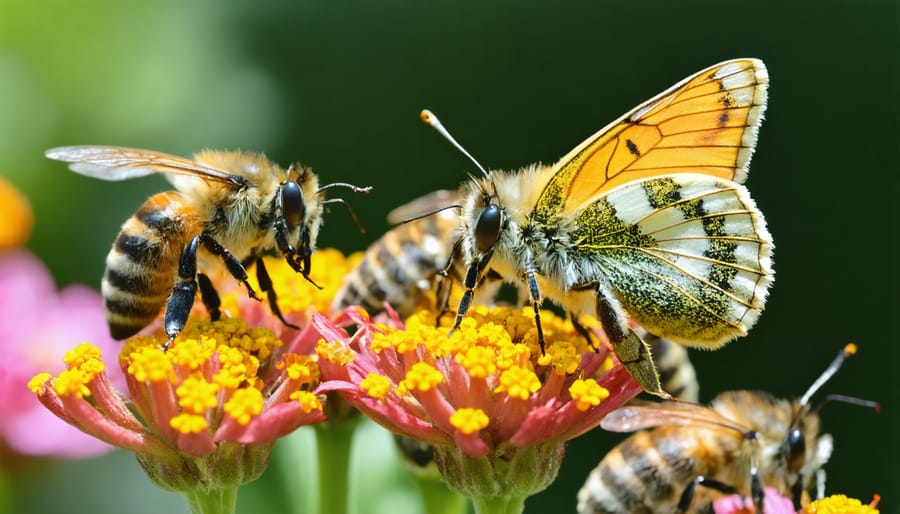
Creating a vibrant, pollinator-friendly garden is essential for maintaining biodiversity in urban spaces. When you create a pollinator paradise, you’re not just helping beneficial insects – you’re contributing to the health of your entire garden ecosystem.
Start by selecting plants that bloom throughout different seasons. Early spring flowers like crocuses and snowdrops provide vital food for emerging pollinators, while summer favorites such as lavender, bee balm, and native wildflowers keep the garden buzzing with activity. Don’t forget about late-season bloomers like asters and sedum, which support pollinators preparing for winter.
Arrange your plants in clusters rather than single specimens. This approach makes it easier for pollinators to spot their food sources and conserve energy while gathering nectar. Include plants of varying heights and shapes to create different feeding zones for different species – from ground-dwelling native bees to butterflies that prefer taller flowers.
Native plants are particularly valuable as they’ve evolved alongside local pollinator species. Include at least 70% native species in your garden to provide familiar food sources and habitat. Some excellent choices include butterfly weed, purple coneflower, and goldenrod, depending on your region.
Remember to avoid using pesticides, as these can harm beneficial insects. Instead, embrace natural pest control methods and accept that a few nibbled leaves are signs of a healthy garden ecosystem. Provide shallow water sources, like a dish with pebbles and water, to give pollinators a safe drinking spot. Leave some bare soil patches and hollow stems for native bees to nest in, making your garden a true sanctuary for these essential creatures.
Natural Pest Management
Managing pests naturally is one of the most rewarding aspects of sustainable gardening, and it’s easier than you might think! By working with nature rather than against it, you can create a thriving garden ecosystem that largely takes care of itself.
Companion planting is your first line of defense against unwanted insects. Try planting aromatic herbs like basil, mint, and marigolds throughout your garden – they naturally repel many common pests while attracting beneficial insects. For example, planting nasturtiums near your tomatoes can deter aphids, while lavender helps protect nearby plants from moths and flies.
Beneficial insects are your garden’s natural security team. Ladybugs, praying mantises, and lacewings feed on harmful pests like aphids and caterpillars. You can attract these helpful creatures by including flowering plants like yarrow, dill, and chamomile in your garden design.
Creating physical barriers is another effective strategy. Try using row covers for young plants, copper tape to deter slugs, or installing butterfly nets over brassicas. Coffee grounds scattered around plants can discourage cats and some insects, while eggshell barriers protect against slugs and snails.
For existing pest problems, natural solutions work wonders. A simple mixture of water and mild soap can control soft-bodied insects, while neem oil serves as an excellent all-purpose organic pesticide. You can also make your own pest deterrent spray using garlic, hot peppers, or other strong-smelling ingredients.
Remember that a healthy garden is naturally more resistant to pests. Focus on building rich soil, maintaining proper plant spacing, and keeping your garden clean of debris. These practices create an environment where plants thrive and pests struggle to establish themselves.
Embarking on your sustainable urban gardening journey is more than just growing plants – it’s about creating a positive impact on our environment while nurturing your own piece of nature in the city. As we’ve explored throughout this guide, even the smallest spaces can become thriving, eco-friendly gardens with the right approach and mindset.
Remember that sustainable urban gardening is a gradual process. Start small with a few container plants or a vertical garden, then expand as your confidence grows. Focus on water-wise practices, building healthy soil through composting, and choosing plants that support local biodiversity. Every small step you take contributes to a greener, more sustainable urban environment.
Don’t be afraid to experiment and learn from both successes and setbacks. Connect with other urban gardeners in your community, share experiences, and celebrate your achievements together. The joy of harvesting your first homegrown tomato or watching beneficial insects visit your flower garden makes every effort worthwhile.
Whether you’re growing food, creating a pollinator haven, or simply adding more greenery to your surroundings, your sustainable urban garden helps combat climate change, reduces food miles, and improves urban biodiversity. So grab your gardening tools, choose your plants, and start your sustainable gardening adventure today. Your future self – and our planet – will thank you for it.