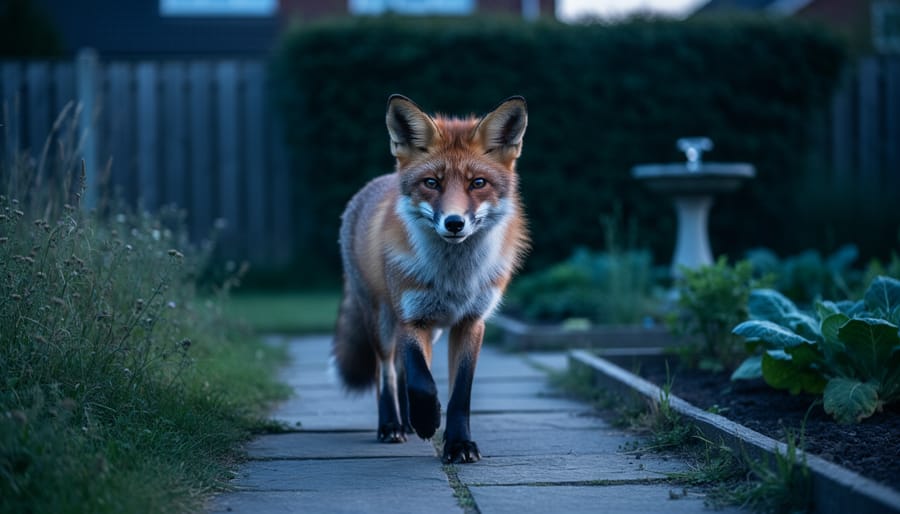
Welcome those russet shadows slipping through your garden after dark—foxes are nature’s nighttime patrol, and understanding their nocturnal habits transforms how you experience your outdoor space. Most fox species are primarily active during twilight and nighttime hours, hunting for small rodents, insects, and fallen fruit that might otherwise damage your plants or attract less desirable pests.
Creating wildlife-friendly garden spaces that accommodate these fascinating creatures requires knowing their patterns. Foxes typically begin their nightly rounds between dusk and midnight, following established paths along fence lines and hedgerows. They’re drawn to gardens with natural cover like dense shrubs or unmowed wild patches where they feel safe during their hunting expeditions.
The presence of a fox in your garden signals a healthy ecosystem at work. These adaptable animals help control populations of rabbits, voles, and mice that would otherwise feast on your vegetables and bulbs. They’re also surprisingly tidy visitors—contrary to popular belief, foxes rarely cause significant garden damage and often target the very creatures wreaking havoc on your carefully tended beds.
Whether you’re hoping to encourage these beneficial hunters or simply want to understand the mysterious nighttime visitor leaving tracks near your compost pile, learning about fox nocturnal behavior gives you the knowledge to make informed decisions. Your garden can become a peaceful coexistence zone where both your plants and local wildlife thrive together.
Understanding Fox Behavior: Why These Creatures Own the Night
Peak Activity Hours: When to Watch for Foxes
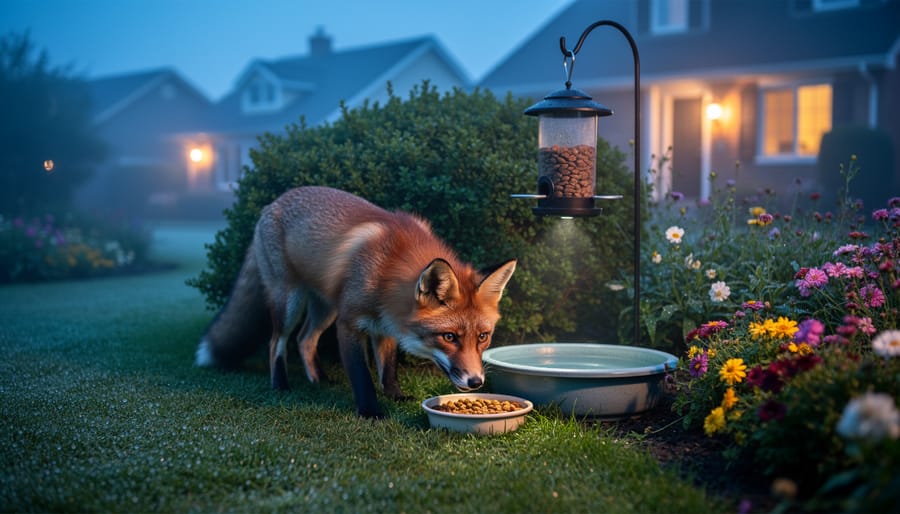
If you’re hoping to catch a glimpse of your garden’s fox visitors, timing is everything! Foxes are crepuscular creatures, meaning they’re most active during the magical twilight hours of dusk and dawn. You’ll have your best chances of spotting them in the hour just after sunset and before sunrise, when they emerge from their daytime resting spots to hunt and explore.
I’ve found that summer evenings offer particularly rewarding viewing opportunities. With longer daylight hours, foxes often begin their activities while there’s still enough light for comfortable observation from your kitchen window or garden bench. Winter brings earlier darkness, pushing their peak activity into the late afternoon and early morning hours.
Keep in mind that fox schedules shift with the seasons and food availability. During breeding season in early spring, you might notice increased activity as parents work tirelessly to feed their cubs. Similarly, autumn sees young foxes venturing out more frequently as they establish their own territories.
For the best observation experience, settle into your viewing spot about 30 minutes before sunset. Bring a cup of tea, remain quiet and still, and let the garden’s evening shift unfold naturally before you.
What Brings Foxes to Your Yard
You might be wondering why these beautiful creatures have chosen your garden as their nighttime hangout. The truth is, your outdoor space probably offers everything a fox could want—often without you even realizing it.
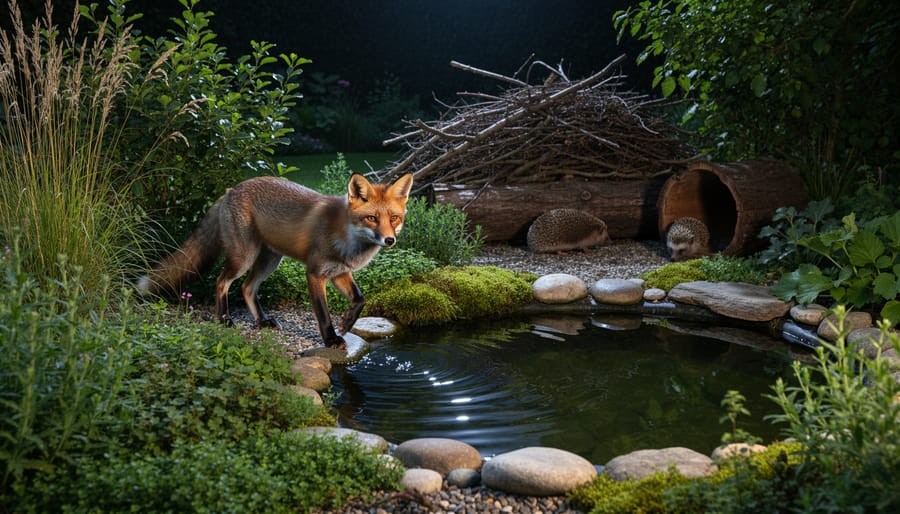
Food sources top the list of attractants. Foxes aren’t picky eaters, and your garden might be serving up an unintentional buffet. Compost bins with food scraps, fallen fruit from trees, bird feeders that drop seeds attracting mice, and even pet food left outside become irresistible treats. I once spoke with a gardener who couldn’t figure out why foxes kept visiting until she discovered they were feasting on windfall apples every night.
Water features make your yard even more appealing. Bird baths, ponds, or even areas where water collects after rain provide essential drinking spots for foxes, especially during dry spells. It’s one of those simple things we overlook but matters tremendously to wildlife.
Shelter is another major draw. Garden sheds with gaps underneath, overgrown shrubs, brush piles, wood stacks, and densely planted areas create perfect denning spots or daytime resting places. That cozy corner you’ve been meaning to tidy up might be prime real estate for a fox family.
Even your well-maintained lawn attracts them. Healthy grass supports earthworms and insects, which in turn attract small prey animals that foxes hunt. Your thriving garden ecosystem naturally becomes part of the fox’s territory, creating an interconnected web of nighttime activity.
Creating a Fox-Friendly Nocturnal Garden
Plant Selection for Fox Habitat
Creating a fox-friendly garden starts with selecting plants that naturally support their nocturnal lifestyle. Foxes are attracted to areas with dense cover and abundant prey, so your plant choices should focus on building a thriving ecosystem that works while you sleep.
Start with structural plantings like native shrubs and ornamental grasses. These create protective pathways foxes use during their nighttime travels. Consider adding elderberry, serviceberry, or native hawthorn species, which provide shelter while attracting insects and small mammals that foxes hunt. Dense evergreen shrubs like juniper or native holly offer year-round cover.
Ground covers are equally important. Native wildflowers and low-growing plants attract beetles, moths, and other nocturnal insects that draw in prey species. Clover, wild strawberry, and native sedges create diverse habitats that support the entire food chain foxes depend on.
For native plant suggestions specific to your region, research plants that naturally occur in woodland edges and meadows where foxes typically den. These environments mirror what foxes seek instinctively.
Layer your plantings thoughtfully. Tall grasses like switchgrass or little bluestem provide visual screens, while low shrubs create tunnels foxes feel safe navigating. Berry-producing plants serve double duty, feeding birds and small mammals that become part of the fox’s diet.
Remember, patience is key. A well-established wildlife garden takes time to mature, but watching foxes confidently explore your thoughtfully planted space makes every season of waiting worthwhile.
Water Features and Drinking Stations
Foxes need fresh water daily, especially during their active nighttime hours. Providing accessible water features in your garden can support these beneficial visitors while keeping them hydrated during their nocturnal activities.
Choose shallow, stable containers like terracotta plant saucers or purpose-built wildlife bowls, placing them 10-15 feet from dense cover where foxes feel safe approaching. Avoid deep birdbaths, which can be challenging for ground-dwelling wildlife to access. Position water stations near the edges of your garden rather than center stage, as foxes prefer routes along boundaries.
For nighttime accessibility, place water near natural pathways you’ve noticed foxes using. I’ve found that setting out multiple smaller stations works better than one large source, giving foxes options throughout their territory.
Maintenance is straightforward but essential. Change water every two days minimum to prevent mosquito breeding and bacterial growth. During winter, check daily for ice and provide fresh water, as natural sources freeze. Clean containers weekly with a stiff brush and rinse thoroughly without soap. This simple routine ensures foxes have safe, reliable hydration while protecting the health of all garden wildlife sharing these resources.
Shelter and Den-Friendly Spaces
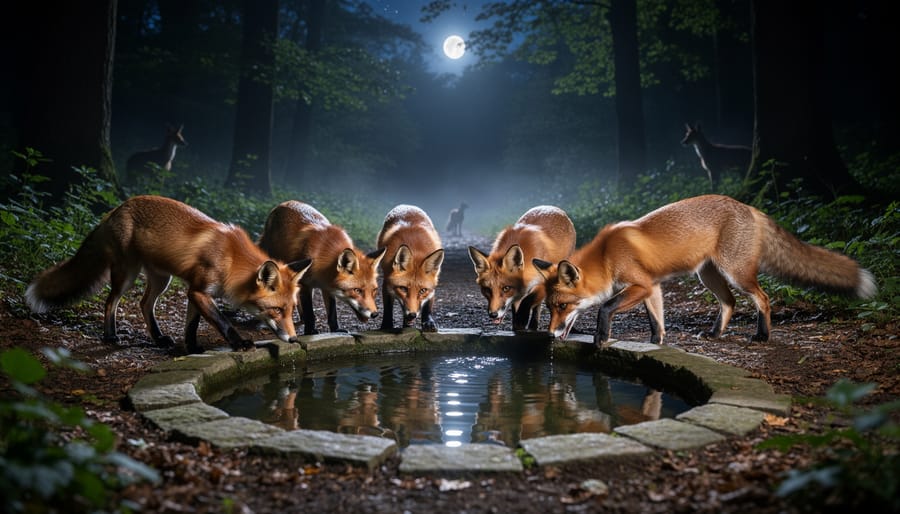
Foxes appreciate undisturbed spaces in your garden, especially during denning season from late winter through early summer. Creating wildlife-friendly areas doesn’t require major effort—simply leave a wild corner with native plants and resist the urge to tidy everything up. Brush piles made from pruned branches, stacked loosely, provide excellent shelter for foxes and their prey.
If a fox family chooses your yard for their den, congratulations! This is actually wonderful news. Fox families typically stay only six to eight weeks before the kits mature enough to venture out. During this time, avoid the den area and keep dogs away. The parents are simply raising their young and will move on naturally.
I once spoke with master gardener Elena Rodriguez, who discovered foxes denning under her garden shed. “I was thrilled,” she shared. “We gave them space, and watching the kits play at dusk became our evening entertainment. They left by mid-summer, and we never had a single issue.”
Remember, foxes are naturally wary and prefer staying hidden. They won’t bother you if you don’t bother them. If their presence truly concerns you, wait until the family leaves naturally, then block access points with hardware cloth buried twelve inches deep. Never attempt removal during denning season.
Garden Lighting Considerations
The key to fox-friendly garden lighting is thinking like a fox! Since these clever creatures rely on darkness for hunting and feeling secure, harsh floodlights can actually deter them from visiting your space. If you’d like to welcome foxes while still enjoying evening strolls through your garden, consider switching to warm, amber-toned bulbs that emit softer light closer to ground level.
Motion-sensor lights are a bit of a mixed bag. While they startle foxes initially, many adapt to them over time, especially if food sources are nearby. I’ve found that positioning sensors to illuminate pathways rather than the entire garden works beautifully—you get safety without flooding fox-friendly zones with light.
For the best of both worlds, try creating lighting “zones” in your garden. Keep areas where you’ve noticed fox activity darker, perhaps near hedgerows or quiet corners, while lighting social spaces more brightly. Low-voltage solar path lights are wonderful alternatives to harsh overhead lighting, providing just enough visibility without overwhelming wildlife. Remember, foxes have excellent night vision, so they’ll navigate your garden perfectly well in conditions that might seem dim to us!
Living Alongside Garden Foxes: What You Need to Know
Protecting Your Garden from Fox Damage
Let’s be honest—foxes can be enthusiastic garden visitors, and their nighttime activities sometimes leave evidence you’d rather not see come morning! Digging in freshly planted beds and territorial marking are the main concerns, but these issues are manageable without excluding foxes from your space entirely.
To protect vulnerable plantings, try placing chicken wire flat on the soil surface around new plants, securing it with landscape staples. Foxes dislike walking on it, yet plants grow through easily. For raised beds or prized flower patches, decorative metal hoops with netting work beautifully during establishment periods.
Renowned wildlife gardener Sarah Raven suggests creating designated “wild zones” in your garden—areas where foxes can dig without causing distress. A corner with looser soil and groundcover plants often redirects their attention naturally.
To discourage marking, avoid leaving shoes or plant pots near doorways overnight, as these attract scent-marking behavior. Motion-activated sprinklers provide gentle deterrence for specific areas without harming foxes.
Remember, foxes provide valuable pest control by hunting rodents and slugs. By protecting what matters most while tolerating some wildness, you’ll enjoy both a thriving garden and the privilege of sharing your space with these fascinating nocturnal neighbors.
Pet Safety and Peaceful Coexistence
Let’s talk honestly about foxes and your beloved pets. While it’s natural to worry, the actual risk to most pets is quite low. Foxes are typically cautious around humans and larger animals, preferring to avoid confrontation entirely.
That said, sensible precautions make good neighbors. If you have outdoor cats, consider bringing them inside during peak fox activity hours—dusk through dawn. Cats and foxes often coexist peacefully in gardens, but supervision during evening hours provides peace of mind. I learned this from wildlife expert Sarah Mitchell, who notes that “most fox-cat encounters end with mutual respect and a wide berth.”
For small pets like rabbits or guinea pigs, secure housing is essential. Ensure outdoor enclosures have sturdy wire mesh (not chicken wire, which foxes can tear), solid floors, and locks on doors. Bring smaller pets indoors overnight when possible.
Here’s the encouraging part: foxes actually help control rodent populations around your property, which benefits everyone. If you’re comfortable with foxes visiting your garden but want to protect specific areas, motion-activated lights near pet enclosures work beautifully without harming wildlife. Think of it as creating zones—spaces where foxes can thrive and spaces reserved for your pets.
When to Worry (and When Not To)
Most nighttime fox activity is completely normal and nothing to fret about. Seeing foxes after dark is simply their natural rhythm, much like how some of us are morning people while others come alive in the evening. If you spot a fox trotting through your garden at dusk or hear their distinctive calls during mating season (December through February), that’s just healthy fox behavior.
However, a few signs do warrant attention. A fox that appears during broad daylight and seems disoriented, stumbles, or shows no fear of humans could be ill. Mange, a skin condition causing hair loss, is treatable but requires professional wildlife rehabilitation. Never approach a fox that seems unwell – contact your local wildlife rescue instead.
Concerning behavior includes foxes attempting to enter your home, acting aggressively toward people, or losing their natural wariness through feeding. I spoke with wildlife expert Sarah Chen, who emphasized, “A healthy fox should maintain respectful distance from humans. If they’re following you or begging for food, they’ve become too habituated.”
The good news? Most garden fox encounters are delightful glimpses into nature’s nightshift. Trust your instincts – genuinely sick foxes look obviously unwell, while healthy ones are simply going about their nocturnal business.
Observing and Enjoying Your Nighttime Visitors
There’s something magical about catching a glimpse of a fox moving through your garden under moonlight. Once you’ve created a welcoming space for these nighttime visitors, observing them becomes a rewarding hobby that deepens your connection to the wildlife sharing your outdoor space.
The best observation spots are usually near windows overlooking your garden, where you can watch without disturbing your visitors. Keep indoor lights dim or use red-filtered lights, which are less disruptive to nocturnal wildlife. Patience is key—foxes typically visit between dusk and dawn, with peak activity around midnight and just before sunrise. I’ve found that settling in with a cup of tea about an hour after sunset often yields the best sightings.
For those interested in photography, capturing foxes at night requires some preparation. A camera with good low-light performance makes all the difference. Set your ISO between 1600 and 3200, use a wide aperture, and keep shutter speeds as fast as possible to freeze movement. Motion-activated trail cameras are fantastic alternatives, automatically capturing photos or videos without requiring you to be present. Position them near feeding areas or along pathways for best results.
I strongly encourage keeping a garden journal to track your fox observations. Note the date, time, weather conditions, and behaviors you witness. Are they hunting? Playing? Marking territory? Over time, you’ll notice patterns—perhaps they favor certain areas during different seasons or visit more frequently during particular moon phases. This journal becomes a personal wildlife diary that’s both scientifically valuable and personally meaningful.
Remember to maintain respectful distance. Never attempt to feed foxes by hand or approach them closely. The joy of fox watching lies in observing natural behaviors undisturbed. By documenting their visits and habits, you’re contributing to your understanding of local wildlife while creating memories that make your gardening experience even richer.
Welcoming foxes into your garden ecosystem opens up a wonderful world of nocturnal wildlife right outside your door. These fascinating creatures offer natural pest control, help maintain balance in your outdoor space, and provide countless moments of delight for those patient enough to observe them. The rewards extend far beyond just fox visits, as creating a fox-friendly garden naturally supports countless other species, contributing to the broader benefits of biodiversity in your local area.
You don’t need to transform your entire garden overnight. Start small with just one or two changes, perhaps leaving a wild corner undisturbed or reducing artificial lighting in one section. As you become more comfortable, you can gradually introduce more wildlife-friendly features like log piles or native plantings. Each small step makes a difference.
The beauty of nocturnal wildlife gardening lies in its ripple effects. By accommodating foxes, you’re also creating habitat for moths, bats, hedgehogs, and numerous other night-active creatures. Your garden becomes a vital refuge in an increasingly developed landscape, and you gain the privilege of witnessing behaviors most people never see.
So grab that red-filtered torch, brew a warm drink, and spend some quiet evenings discovering the hidden nightlife in your garden. The experience will deepen your connection to nature and remind you that some of the most magical moments happen after dark.