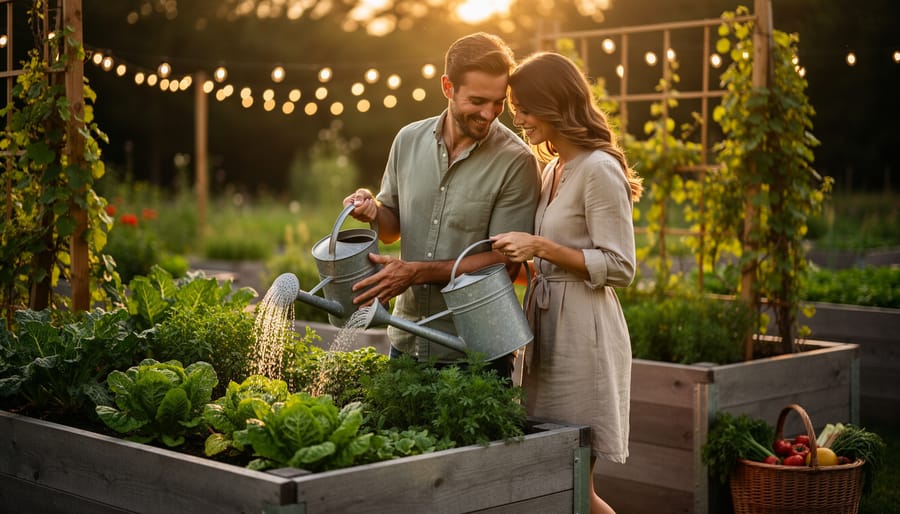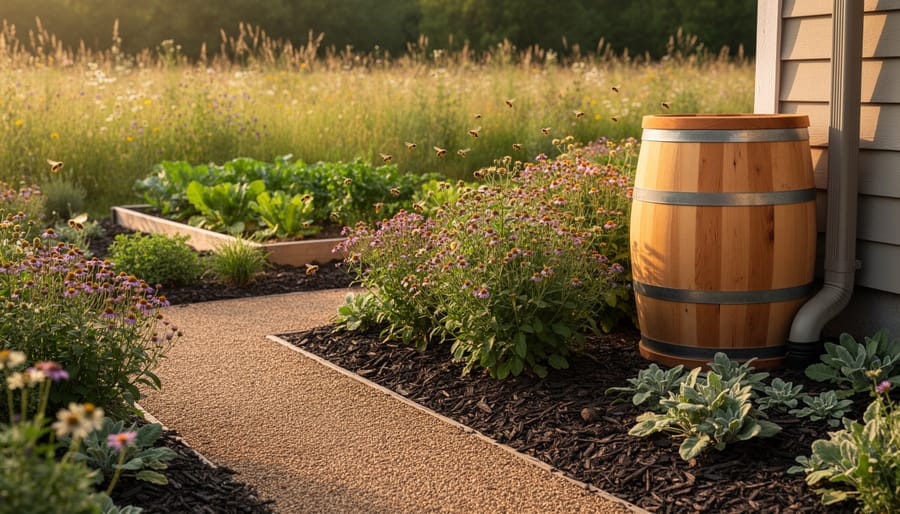
Start composing your garden beds with native plants that require 40% less water than traditional landscaping while providing essential habitat for local pollinators and beneficial insects. Choose permeable hardscaping materials like decomposed granite or permeable pavers that allow rainwater to replenish groundwater rather than creating runoff that carries pollutants into storm drains.
Layer organic mulch 3-4 inches deep around plantings to reduce water evaporation by up to 70%, suppress weeds naturally, and build healthy soil as it breaks down. Install a rain barrel or cistern to capture roof runoff, giving you free irrigation water while reducing strain on municipal systems during dry months.
Design garden zones based on water needs, grouping thirsty plants together near water sources and placing drought-tolerant specimens in drier areas to eliminate wasteful overwatering. Replace gas-powered lawn areas with low-maintenance ground covers, edible gardens, or pollinator meadows that eliminate emissions while creating productive, biodiverse spaces.
Environmentally friendly garden design isn’t about sacrifice or compromise. It’s about creating outdoor spaces that work with nature rather than against it, resulting in gardens that are healthier, more resilient, and easier to maintain. When you align your design choices with natural systems, you’ll discover that sustainable practices often save time, money, and effort while supporting the wider ecosystem.
The beautiful truth is that environmentally conscious gardens often outperform conventional landscapes in beauty, productivity, and year-round interest. By understanding a few core principles and applying practical techniques, you can transform any outdoor space into a thriving, eco-friendly haven that benefits both you and the planet.
Why Environmentally Friendly Garden Design Matters More Than Ever
The Hidden Environmental Cost of Conventional Gardens
I’ll be honest with you—I spent years tending a beautiful green lawn and lush flower beds without realizing the impact my gardening habits were having. Like many of us, I thought I was doing everything right.
Traditional gardens often demand more resources than we realize. The average American lawn guzzles around 30,000 gallons of water annually, with much of it evaporating before plants can use it. Those perfectly manicured landscapes? They’re thirsty work.
Then there’s the chemical side of things. Synthetic fertilizers and pesticides don’t just stay put—they wash into storm drains and local waterways during rainstorms, affecting fish and wildlife downstream. Even well-intentioned weekend gardeners contribute to this runoff without knowing it.
Perhaps most surprisingly, our neat, tidy gardens can actually reduce biodiversity. When we remove native plants and “messy” natural areas in favor of non-native ornamentals and vast lawns, we eliminate crucial habitat for pollinators, birds, and beneficial insects that keep ecosystems healthy.
The good news? Small changes make a real difference, and shifting to more sustainable practices doesn’t mean sacrificing beauty or enjoyment. It’s about gardening smarter, not harder.
How Your Garden Can Become a Climate Solution
Here’s the exciting part: your garden isn’t just a beautiful space, it’s actually working hard to combat climate change! Every plant you nurture becomes a tiny carbon-capturing machine, pulling CO2 from the atmosphere and storing it in leaves, stems, and soil. The more diverse your plantings, the more effective this natural climate solution becomes.
Think of your garden as creating its own microclimate. Trees and shrubs provide cooling shade that can reduce nearby temperatures by up to 10 degrees, while soil rich in organic matter acts like a sponge, absorbing rainwater and preventing runoff. This resilience matters more than ever as weather patterns shift.
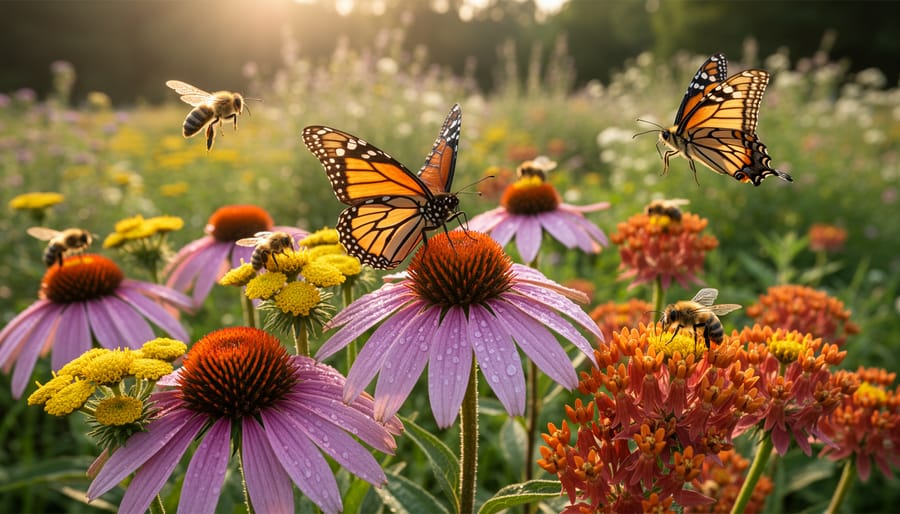
The pollinator angle is equally powerful. When you choose native flowering plants, you’re creating vital habitat corridors that support bees, butterflies, and other beneficial insects. These creatures aren’t just charming visitors, they’re essential to food production and ecosystem health.
I spoke with master gardener Elena Rodriguez, who transformed her suburban yard into a thriving ecosystem. “Within two years of switching to native plants and eliminating chemicals, I counted fifteen different butterfly species,” she told me. “My garden became a refuge.”
The best part? These benefits compound over time, making your garden increasingly valuable to the planet with each passing season.
Core Principles of Sustainable Garden Design
Work With Nature, Not Against It
The secret to creating a truly sustainable garden starts with observation rather than action. Before you dig a single hole or purchase any plants, spend time getting to know your space. Walk around at different times of day and notice where sunlight lingers, where puddles form after rain, and which areas stay dry. Understanding these natural patterns helps you work with your landscape instead of fighting against it.
Start by documenting what you observe in a garden planning journal. Note the soil type, drainage patterns, and existing vegetation. Is there a natural low spot where water collects? That’s perfect for a rain garden. Does a certain area bake in full sun all afternoon? Native prairie plants would thrive there. These observations reveal opportunities rather than obstacles.
Choosing native plants transforms your design from simply eco-friendly to actively beneficial for local ecosystems. Native species have evolved alongside local insects, birds, and wildlife, creating relationships that support biodiversity. They’re also naturally adapted to your climate, meaning less watering, no fertilizers, and minimal maintenance once established.
When designing pathways and borders, follow the natural contours of your land. Water flows downhill regardless of our plans, so design with gravity rather than against it. Position terraces and berms where they’ll naturally slow erosion and capture moisture. This approach reduces your workload while creating a landscape that feels harmonious and authentic to your region.
Design for Resource Conservation
Smart design choices today can dramatically reduce your garden’s resource needs for years to come. Think of it as setting up a system that works with nature rather than against it.
Water efficiency starts with understanding your landscape’s natural drainage patterns. I learned this the hard way when my first vegetable bed turned into a puddle after every rain! Position thirsty plants in naturally moist areas and drought-tolerant varieties on slopes or well-drained spots. Installing rain barrels captures free water while reducing stormwater runoff. Grouping plants with similar water needs means you’re not overwatering some to adequately hydrate others.
Healthy soil is your garden’s foundation and greatest resource saver. When you build organic matter through composting and mulching, soil holds moisture better, reducing irrigation needs by up to 50%. Those same practices feed beneficial microorganisms that naturally suppress diseases, cutting down on interventions.
Energy considerations might seem less obvious, but they matter too. Strategic tree placement can reduce home cooling costs by 25%, while deciduous trees provide summer shade yet allow winter sun. Choosing perennials over annuals means less replanting effort and fuel use. Even selecting hand tools over power equipment saves energy and gives you a peaceful, meditative gardening experience.
The beauty of resource-conscious design? Lower water bills, healthier plants, and more time enjoying your garden instead of maintaining it.
Create Habitat and Biodiversity
Think of your garden as a multi-story apartment building for wildlife rather than a flat, single-use space. The magic happens when you create layers – tall trees forming a canopy, understory shrubs in the middle, and groundcovers below. This vertical diversity gives different creatures their preferred living zones, from ground beetles working the soil to songbirds nesting in shrubs.
I’ve learned that monocultures are basically food deserts for beneficial insects. Instead, mix things up! Plant native flowers alongside your vegetables, tuck herbs between ornamentals, and let some areas grow a bit wild. Berry-producing shrubs like elderberry and native viburnums feed birds while flowering plants provide nectar for pollinators throughout the season.
Don’t forget what’s happening underground, either. Soil organisms thrive when you avoid tilling and add organic matter regularly. These tiny workers – from earthworms to beneficial fungi – create the foundation for everything above ground.
A gardening mentor once told me, “If you’re not seeing bugs, something’s wrong.” She was right! A truly healthy garden buzzes with life. Leave some leaf litter, include plants with different bloom times, and resist the urge to make everything perfectly tidy. That “messiness” becomes habitat, and you’ll be rewarded with natural pest control and increased pollination.
Choosing the Right Plants for Eco-Friendly Impact
Native Plants: Your Garden’s Secret Weapon
Let me tell you something that might surprise you: native plants are anything but boring! I used to think they were all just scraggly shrubs until I discovered the stunning diversity right in my own region.
Native plants are truly your garden’s secret weapon for environmental friendliness. These local heroes have spent thousands of years adapting to your specific climate, soil, and wildlife, which means they require significantly less water once established. While exotic plants often demand constant irrigation, natives thrive on natural rainfall patterns, slashing your water bills and conserving this precious resource.
The pest resistance factor is another game-changer. Native plants have evolved alongside local insects and diseases, developing natural defenses that reduce or eliminate the need for chemical pesticides. This doesn’t mean they’re immune to every problem, but they’re remarkably resilient compared to imports that struggle in unfamiliar territory.
Perhaps most importantly, native plants provide critical habitat and food sources for local wildlife, including pollinators, birds, and beneficial insects. When you choose natives, you’re essentially rebuilding the ecosystem that once flourished in your area.
Finding regional options is easier than ever. Start with your local native plant society or county extension office—they’re goldmines of information. Many nurseries now feature dedicated native plant sections with knowledgeable staff who can guide your selections.
Looking for inspiration? Check out these native plant landscaping ideas or explore native plants for lawns to transform traditional turf into vibrant, low-maintenance spaces.
Edibles and Perennials That Give Back
When you choose plants that produce food or come back year after year, you’re making a powerful statement for sustainability. These hardworking plants reduce the need for constant replanting, which means less packaging waste, fewer trips to the nursery, and more established root systems that support healthy soil.
Landscaping with edible plants transforms your garden into a productive space while maintaining beauty. Think beyond the traditional vegetable patch. Berry bushes like blueberries and currants offer spring flowers, summer fruit, and fall foliage. Dwarf fruit trees fit beautifully into smaller yards, while herbs like rosemary and thyme create fragrant borders that look lovely and taste delicious.
Perennials are the backbone of an environmentally conscious garden. Once established, plants like coneflowers, black-eyed Susans, and native asters return faithfully each year, requiring minimal intervention. They develop deep root systems that prevent erosion, improve soil structure, and need less water than annuals.
The real magic happens when your edibles and perennials support local pollinators. Plants like bee balm, lavender, and native sunflowers feed butterflies and bees while providing you with cut flowers or herbal tea. Fruit trees and berry bushes offer pollen and nectar during their blooming season, creating a win-win situation where your garden gives back to the ecosystem while nourishing your family.
Water-Wise Design Strategies That Actually Work
Xeriscaping Beyond the Desert Garden
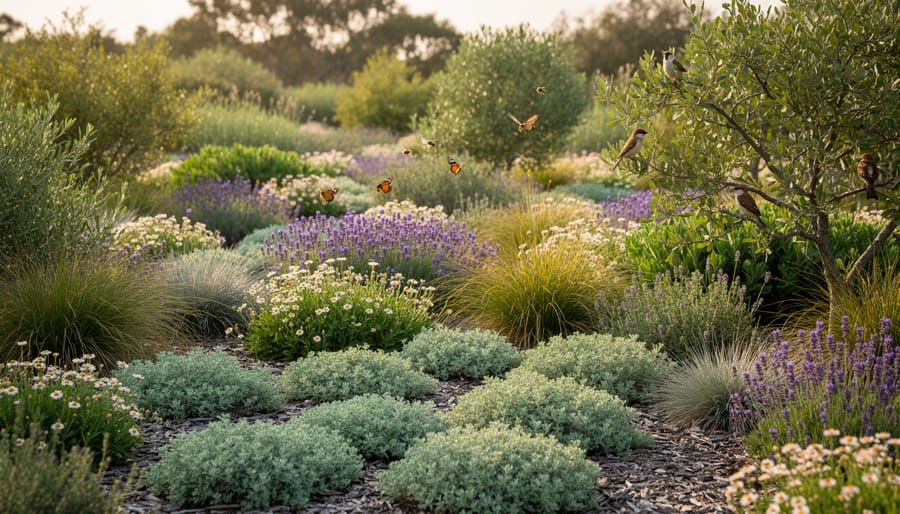
When you hear “xeriscaping,” you might picture endless rows of cacti and gravel, but that’s just the beginning of this water-wise story! The beauty of xeriscaping is that it adapts beautifully to nearly any climate, not just arid regions. The key is choosing drought-tolerant plants native to your specific area.
In the Pacific Northwest, think ornamental grasses, lavender, and sedums that thrive with minimal summer water. Midwestern gardeners can embrace coneflowers, black-eyed Susans, and native prairie plants that evolved to handle variable rainfall. Even in humid climates, xeriscaping principles reduce water waste through smart plant grouping and efficient irrigation.
The secret is working with your region’s natural rainfall patterns rather than fighting them. Group plants by water needs, place thirsty specimens where downspouts naturally water them, and use mulch generously to retain moisture. You’ll still have lush, colorful gardens that reflect your local ecosystem.
I chatted with landscape designer Maria Chen, who transformed her Pennsylvania yard using regional xeriscaping. “People are shocked to learn my garden uses 60 percent less water than traditional lawns,” she shared. “It’s not about deprivation—it’s about celebration of what naturally flourishes here.” Her gardens burst with native wildflowers, ornamental grasses, and pollinator-friendly perennials that practically care for themselves.
Rain Gardens and Swales: Capture Every Drop
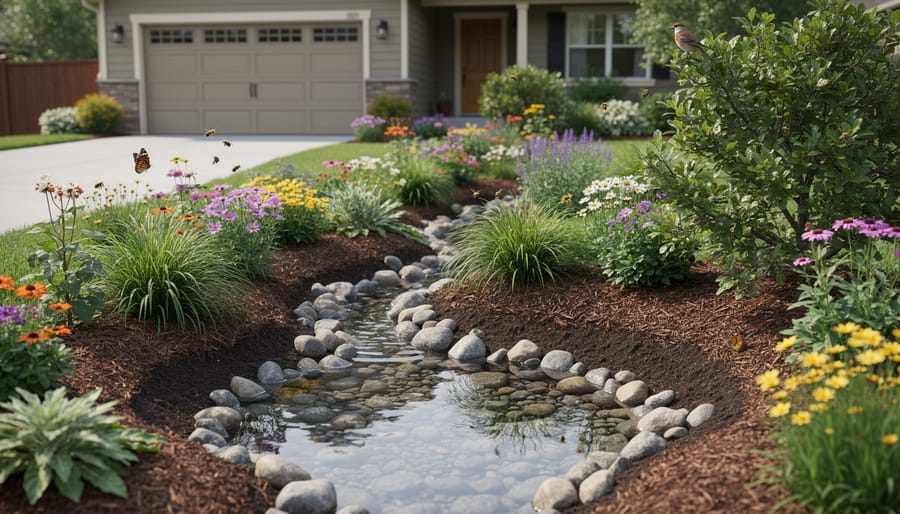
Want to transform your garden into a water-wise wonderland? Rain gardens and swales are beautiful, practical features that capture rainwater where it falls, preventing runoff and giving it time to soak back into the earth.
Start with a rain garden, which is simply a shallow depression planted with water-loving natives. Choose a spot at least 10 feet from your foundation where water naturally collects. Dig a basin about 6 inches deep and 10-15 feet wide, creating gently sloping sides. Mix in compost to improve drainage, then plant with tough beauties like sedges, Joe Pye weed, or cardinal flower that can handle both wet and dry conditions.
Swales work similarly but follow the contour of a slope. Think of them as level ditches that catch water running downhill. Dig a shallow trench along the slope’s contour line, piling the soil on the downhill side to create a berm. Plant the berm with deep-rooted perennials or shrubs.
Both features recharge groundwater, reduce flooding, and create habitat for butterflies and birds. The best part? Once established, they’re practically maintenance-free. You’re not just managing water; you’re working with nature’s rhythms to create a more resilient landscape.
Smart Irrigation and Mulching Techniques
When it comes to watering wisely, the right irrigation technique can make all the difference for both your plants and the planet. Traditional sprinklers waste tremendous amounts of water through evaporation and runoff, but there are smarter alternatives that deliver moisture exactly where it’s needed.
Drip irrigation systems are absolute game-changers. These setups use perforated tubing to release water slowly at the base of plants, ensuring deep root penetration with minimal waste. You can install them beneath mulch for even better efficiency. They’re surprisingly affordable and easy to set up, even for beginners.
Soaker hoses offer similar benefits with even simpler installation. Made from recycled rubber or porous materials, they “weep” water directly into the soil along their entire length. Simply snake them through your garden beds and let them work their magic.
Here’s where mulching becomes your secret weapon: applying a 2-3 inch layer of organic mulch around your plants dramatically reduces evaporation, keeping soil moist longer between waterings. Wood chips, shredded leaves, or straw all work beautifully while gradually enriching your soil as they decompose. Think of mulch as a protective blanket that locks in moisture while suppressing weeds. Together, these techniques can reduce water usage by up to 50 percent while promoting healthier, happier plants.
Building Healthy Soil Without Chemicals
Composting Made Simple
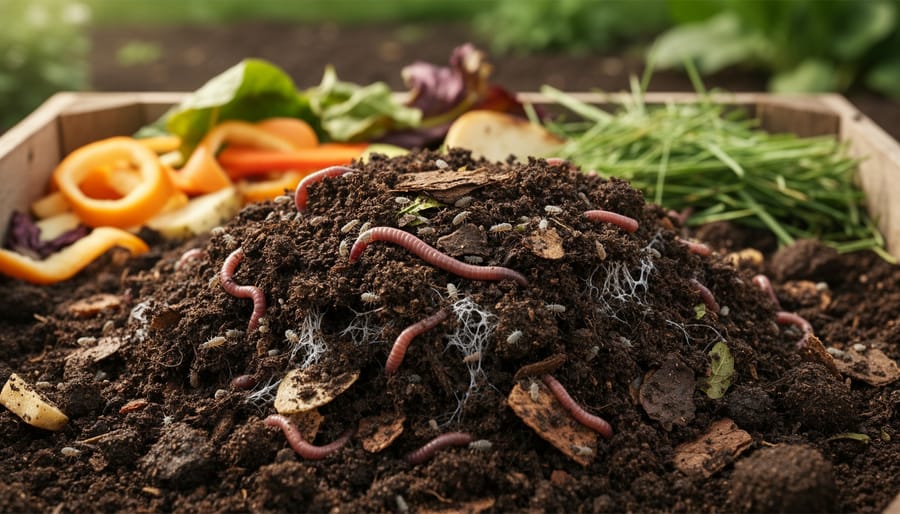
Turning your garden and kitchen waste into nutrient-rich compost is one of the most rewarding sustainable practices you can embrace. I started composting five years ago, and I’m still amazed at how scraps transform into “black gold” for my garden.
The simplest method is a traditional compost bin or heap. Layer brown materials like dried leaves and cardboard with green materials such as vegetable peelings and grass clippings. Keep it moist like a wrung-out sponge, turn it occasionally, and nature does the rest. Within a few months, you’ll have beautiful compost ready to enrich your soil.
For those with limited space, worm bins are fantastic. Red wiggler worms cheerfully devour kitchen scraps in a compact container, producing rich worm castings and liquid fertilizer. I keep mine on my apartment balcony, and it’s completely odor-free when managed properly.
Bokashi composting offers another space-saving option, fermenting food waste (including meat and dairy) in an airtight bucket using special microbes. The process takes just two weeks before you can bury the fermented material in your garden.
Whichever method you choose, remember that composting isn’t complicated. Start small, learn as you go, and celebrate every coffee ground that feeds your plants instead of filling a landfill.
Cover Crops and Green Manures
Think of cover crops as your garden’s natural workforce during the off-season. When you plant specific crops like clover, vetch, or winter rye between your main growing seasons, they’re busy enriching your soil while you’re inside planning next year’s garden.
These hardworking plants do triple duty in sustainable garden design. Legumes like crimson clover and field peas have special root nodules that capture nitrogen from the air and store it in the soil, essentially creating free fertilizer for your next crop. Meanwhile, their dense root systems grip the soil like nature’s safety net, preventing erosion during heavy rains and winds. Above ground, they form a living blanket that shades out weeds before they can establish themselves.
I’ve seen the difference firsthand in my vegetable beds. After tilling in a winter cover crop of hairy vetch, my tomatoes grew more vigorously than ever before, with deep green leaves that signaled abundant nitrogen.
Getting started is simple. Plant your cover crop after harvesting your main crops in fall, let it grow through winter, then cut it down and turn it into the soil a few weeks before spring planting. The decomposing plant matter becomes green manure, feeding beneficial soil organisms and building organic matter naturally.
Sustainable Hardscaping and Garden Materials
Permeable Surfaces and Reclaimed Materials
One of the most impactful choices you can make in garden design is replacing traditional concrete or asphalt with permeable surfaces. These allow rainwater to soak naturally into the soil rather than rushing into storm drains, reducing erosion and replenishing groundwater. Gravel paths, stepping stones with ground covers growing between them, and permeable pavers are all beautiful alternatives that benefit the environment.
When sourcing materials for patios, pathways, and raised beds, think locally and sustainably. Reclaimed brick from old buildings adds character while keeping materials out of landfills. Local stone requires less transportation energy and naturally complements your regional landscape. I’ve created stunning garden borders using broken concrete pieces, a technique called urbanite, which transforms demolition waste into rustic charm.
Natural materials like untreated wood, bamboo, and locally quarried stone decompose safely or can be reused indefinitely. Before purchasing new materials, check salvage yards, online marketplaces, and community groups where people often offer excess pavers or stones for free. A gardener I interviewed transformed her entire patio using reclaimed materials, spending half what new products would cost while creating something truly unique. These choices reduce environmental impact while adding authentic, weathered beauty to your outdoor spaces.
Sustainable Wood, Stone, and Alternatives
When building garden structures like trellises, raised beds, or pergolas, choosing the right materials makes all the difference for our planet. I always recommend starting with FSC-certified lumber, which comes from responsibly managed forests that prioritize biodiversity and regeneration. You’ll find the certification stamp right on the wood at most home improvement stores, making it easy to shop sustainably.
Locally-sourced stone is another wonderful option that I’ve grown to love over the years. Not only does it reduce transportation emissions, but it also helps your garden blend naturally with your regional landscape. Check with local quarries or landscape suppliers, and you might discover beautiful native stones you never knew existed right in your area.
For those looking beyond traditional materials, exciting alternatives are emerging. Recycled composite lumber performs beautifully in garden settings without contributing to deforestation. I’ve also seen gardeners create stunning structures using reclaimed wood from old barns or pallets, giving new life to materials that would otherwise end up in landfills.
Bamboo deserves special mention as a rapidly renewable resource that’s incredibly strong and versatile. It grows back quickly after harvesting, making it perfect for stakes, fencing, and decorative elements. Just ensure it’s sourced from sustainable suppliers who harvest responsibly.
Natural Pest Management That Protects Beneficial Insects
Building a Balanced Garden Ecosystem
Think of your garden as a neighborhood where everyone has a role to play. When you create diverse plantings with varying heights, bloom times, and textures, you’re essentially building apartment complexes for beneficial creatures. Those aphids munching on your roses? Lady beetles and lacewings will handle them if you’ve rolled out the welcome mat.
Start by planting native flowers that bloom in succession throughout the season. These provide nectar and pollen for beneficial insects like hoverflies and parasitic wasps, which feast on common garden pests. I’ve watched my own caterpillar problems disappear since adding a border of yarrow and coneflowers.
Don’t forget the birds! They’re incredible pest controllers. A single chickadee can eat hundreds of insects daily. Add a simple birdbath, leave some brush piles for nesting material, and plant berry-producing shrubs. Even a small water feature attracts dragonflies, which devour mosquitoes.
Here’s the beautiful part: you’re not spraying chemicals or fighting nature. You’re working with it. Ground beetles, toads, and spiders will move in when you provide leaf litter, stones, and logs as shelter. These unsung heroes patrol your garden at night, keeping slug and insect populations naturally balanced. It’s pest control that takes care of itself.
Gentle Interventions When Problems Arise
Even in the healthiest gardens, pests and diseases occasionally appear. Before reaching for any spray, try the gentlest approach first: handpicking. I’ve spent many peaceful mornings plucking aphids and caterpillars from my roses, dropping them into soapy water. It’s surprisingly meditative and gives you quality time with your plants.
Physical barriers work wonders too. Copper tape stops slugs in their tracks, while row covers protect young seedlings from flying insects. I’ve had great success with cardboard collars around tomato stems to prevent cutworm damage—simple, free, and completely safe for beneficial insects.
When intervention becomes necessary, reach for botanical sprays as your last resort. Neem oil, insecticidal soap, and horticultural oils target specific problems while breaking down quickly in the environment. I always spray in the evening when pollinators have finished their rounds, and I test on a small area first to ensure my plants tolerate it well.
Remember, a few nibbled leaves aren’t a crisis. In my experience, accepting minor imperfections means you’re creating space for nature’s balance to work itself out. The goal isn’t perfection—it’s creating a resilient ecosystem where problems resolve naturally more often than not.
Step-by-Step: Creating Your First Sustainable Garden Bed
Ready to get your hands dirty? Let’s build a sustainable garden bed together that puts all those eco-friendly principles into action. I promise this is easier than you might think, and you’ll be amazed at how rewarding it feels to create something truly good for the environment.
First, choose your location wisely. Spend a few days observing your yard at different times. Where does the sun linger longest? Which spots catch morning dew? You’re looking for a place that gets at least six hours of sunlight for vegetables, though partial shade works beautifully for leafy greens and herbs. Notice where water naturally flows during rain—these observations will save you headaches later.
Now for the fun part: gathering materials. Instead of buying new lumber, check local classifieds for untreated wood from old fences or pallets. I once built a gorgeous raised bed using reclaimed barn wood from a neighbor’s renovation. If you’re following beginner gardening steps, start with a manageable 4×4 foot bed about 12 inches deep. This size is perfect for reaching all areas without stepping on your soil.
Before assembling anything, lay down cardboard or several layers of newspaper directly on the grass where your bed will sit. This biodegradable barrier smothers weeds while eventually breaking down to feed your soil. It’s nature’s weed fabric, and it costs nothing.
Build your frame, securing corners with galvanized screws. Position it over your cardboard layer. Here’s where sustainable design really shines: create a lasagna-style layering system inside. Start with twigs and small branches at the bottom for drainage and slow decomposition. Add a layer of autumn leaves you’ve collected, then compost or aged manure. Top with quality topsoil mixed with more compost.
Install a simple drip irrigation system or soaker hose before planting. These deliver water directly to roots, reducing waste by up to 50 percent compared to overhead watering. Mulch around your plants with straw or shredded leaves to retain moisture and suppress weeds naturally.
Finally, keep a small journal nearby. Note what thrives, what struggles, and any visiting beneficial insects. This garden bed isn’t just growing plants; it’s growing your understanding of working harmoniously with nature.
Creating an environmentally friendly garden isn’t about perfection or overwhelming transformation. It’s about thoughtful choices that add up to something remarkable. The beauty of sustainable garden design is that it genuinely works better than conventional approaches. You’ll find yourself spending less time fighting nature and more time enjoying the fruits of your collaboration with it.
Gardens designed with environmental principles aren’t just good for the planet. They’re more resilient during droughts, require fewer inputs like fertilizers and pesticides, and attract fascinating wildlife that brings your outdoor space to life. They save you money, reduce your workload, and create spaces that feel alive and connected to their surroundings. What starts as an environmental choice becomes a practical one that makes your gardening life easier and more rewarding.
You don’t need to overhaul everything at once. Start with one technique that excites you. Perhaps you’ll begin composting kitchen scraps, or maybe you’ll replace a high-maintenance lawn section with native wildflowers. Each small change builds momentum and confidence. As you witness butterflies discovering your pollinator patch or notice how much less you’re watering, you’ll naturally want to try more.
Every garden, regardless of size or style, can contribute to a healthier environment. Your balcony container garden matters just as much as sprawling landscapes. The collective impact of gardeners choosing sustainable practices creates meaningful change. So pick one idea from this article and give it a try. Your garden is ready to become the beautiful, thriving, environmentally friendly space you’ve imagined.