Picture your garden alive with the gentle hum of bees moving from bloom to bloom, butterflies dancing in the afternoon sun, and hummingbirds darting between flowers. This isn’t just a beautiful daydream—it’s an achievable reality that also addresses one of nature’s most pressing challenges. Pollinators are in serious trouble, with bee populations declining at alarming rates and monarch butterfly numbers plummeting by more than 80% in recent decades. The good news? Your garden, no matter how small, can become a vital sanctuary that helps reverse this trend.
Creating a pollinator-friendly garden goes far beyond simply planting a few flowers. It’s about understanding what these incredible creatures need to thrive and designing your outdoor space to provide those essentials throughout the entire growing season. You’ll be joining a growing movement of gardeners who recognize that our yards and gardens collectively form a network of critical habitat—one that can make a real difference for struggling pollinator populations.
Whether you’re working with a spacious backyard or a modest balcony, transforming your space into a pollinator haven is more accessible than you might think. The principles of sustainable garden design align perfectly with pollinator needs, creating gardens that are both environmentally responsible and bursting with life.
In this guide, we’ll walk through everything you need to know to create your own pollinator paradise. From selecting the right plants and arranging them for maximum impact to maintaining your garden in ways that support rather than harm these vital visitors, you’ll gain the knowledge and confidence to make a meaningful difference. Let’s get started on this rewarding journey together.
Why Pollinators Need Your Garden More Than Ever
You’ve probably noticed fewer butterflies fluttering through your garden lately, or perhaps the familiar buzz of bees seems quieter than it used to be. You’re not imagining it. Pollinator populations have been declining steadily over the past few decades, but here’s the encouraging news: your garden can be part of the solution.
Think about this for a moment. One in three bites of food we eat depends on pollinators. Those tomatoes in your salad, the almonds in your morning granola, even the coffee you’re sipping right now all rely on these hardworking creatures. When pollinator populations struggle, our entire food system feels the ripple effects.
So what’s causing this decline? It’s a combination of factors. Habitat loss is a major culprit as natural meadows and wild spaces give way to development and conventional lawns. Pesticide use, disease, and climate changes add additional stress. Many pollinators are also dealing with a lack of diverse, nutritious food sources throughout the growing season.
Now, here’s where your garden enters the picture, and this is what gets me genuinely excited. Every pollinator-friendly garden acts like a small oasis in what can otherwise be a desert for bees, butterflies, and other beneficial insects. When neighbors across a community embrace this approach, these individual gardens connect to form wildlife corridors, allowing pollinators to travel, feed, and thrive.
I recently spoke with Master Gardener Jennifer Chen, who transformed her quarter-acre suburban lot into a pollinator haven. “Within six months, I was seeing species I’d never noticed before,” she told me. “My garden became this vibrant, living ecosystem.”
The beauty of this movement is that gardens of any size make a difference. Whether you have sprawling acreage or a few containers on a balcony, you can provide the nectar, pollen, and shelter that pollinators desperately need. Together, we’re creating change one garden at a time.
The Core Principles of Pollinator-Friendly Garden Design
Plant Diversity: Creating a Year-Round Buffet
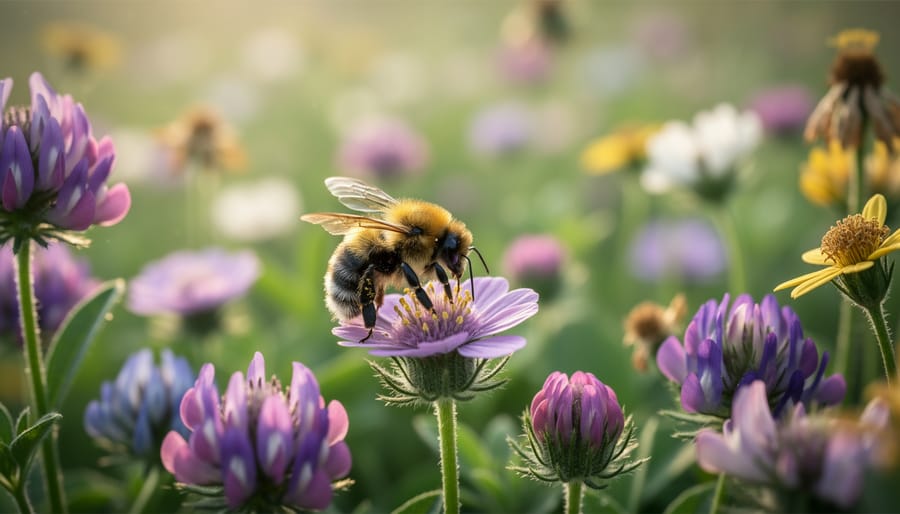
Think of your pollinator garden as a restaurant that never closes. Just as you wouldn’t want to eat the same meal every day, pollinators need variety throughout the growing season. The secret to keeping your garden buzzing with life is selecting plants that bloom in succession, from early spring through late fall.
Start by dividing your planting strategy into seasonal categories. For early spring, when pollinators emerge hungry from winter, consider crocuses, hellebores, and pussy willows. These early bloomers are absolute lifesavers for bees coming out of dormancy. I learned this from Margaret Chen, a master gardener in Vermont, who told me she always plants extra crocuses because “they’re like opening day at the ballpark for my local bumblebees.”
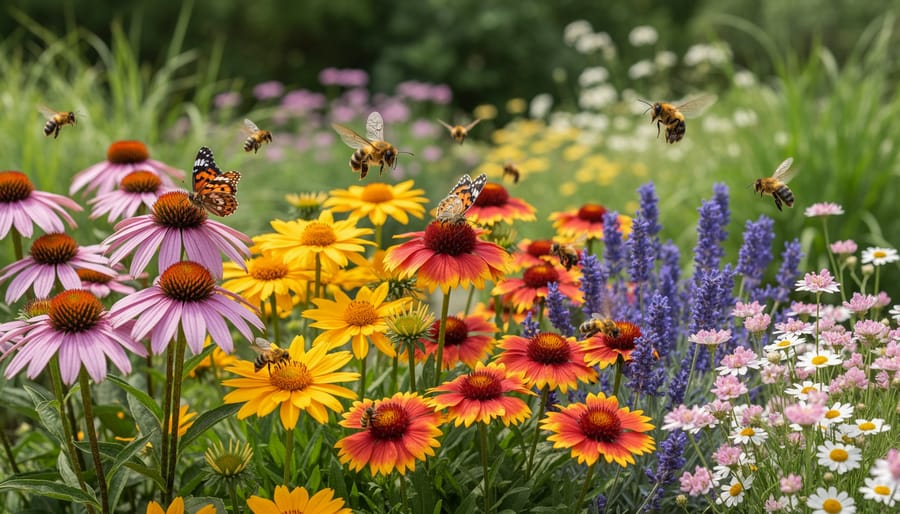
Summer brings abundant choices: coneflowers, bee balm, lavender, and zinnias keep the buffet stocked during peak activity. Then, as autumn approaches, don’t forget late-season heroes like asters, sedums, and goldenrod. These plants are crucial because many pollinators are preparing for winter or migration and need that final energy boost.
A practical tip for succession planting is to choose at least three different plants for each season, ensuring overlapping bloom times. Keep a simple garden journal noting when each plant flowers in your specific climate. This becomes your personalized planting guide for future seasons, helping you identify and fill any gaps in your pollinator buffet.
Native Plants: Your Garden’s Secret Weapon
Here’s a little secret that experienced pollinator gardeners know: native plants are like a five-star restaurant for your local bees and butterflies, while many ornamental imports are more like empty calories. Why? Because native pollinators and native plants evolved together over thousands of years, creating perfect partnerships.
When I chatted with master gardener Elena Rodriguez last spring, she put it beautifully: “Native plants speak the language of local pollinators. They bloom at exactly the right times, offer the precise nutrients needed, and their flowers are shaped perfectly for the pollinators that depend on them.”
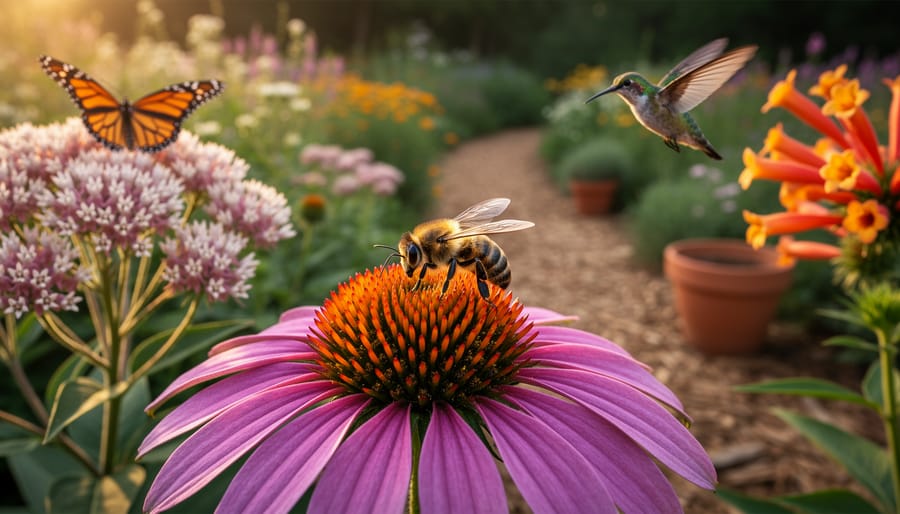
Take the native purple coneflower, for instance. While it’s gorgeous in any garden, it provides food for over 40 different species of butterflies and bees in North America. Compare that to many non-native ornamentals that might look pretty but offer little nutritional value to local wildlife.
Getting started with native plants is easier than you might think. Your local native plant society is an incredible resource, often hosting plant sales where you can find species perfectly suited to your area. Many independent nurseries now have dedicated native plant sections, and staff can help you choose varieties that match your garden’s conditions.
Don’t feel pressured to go entirely native overnight. Even replacing 20-30% of your garden with native species makes a meaningful difference. Start with easy growers like black-eyed Susans, bee balm, or native asters. These workhorses attract loads of pollinators while being forgiving to gardeners still learning the ropes.
Shelter and Nesting Sites: Beyond Just Flowers
While beautiful blooms certainly attract pollinators, they need more than just nectar stations to truly thrive in your garden. Think of your outdoor space as a complete neighborhood rather than just a restaurant. Many native bees, butterflies, and beneficial insects need specific nesting sites and shelter to complete their life cycles.
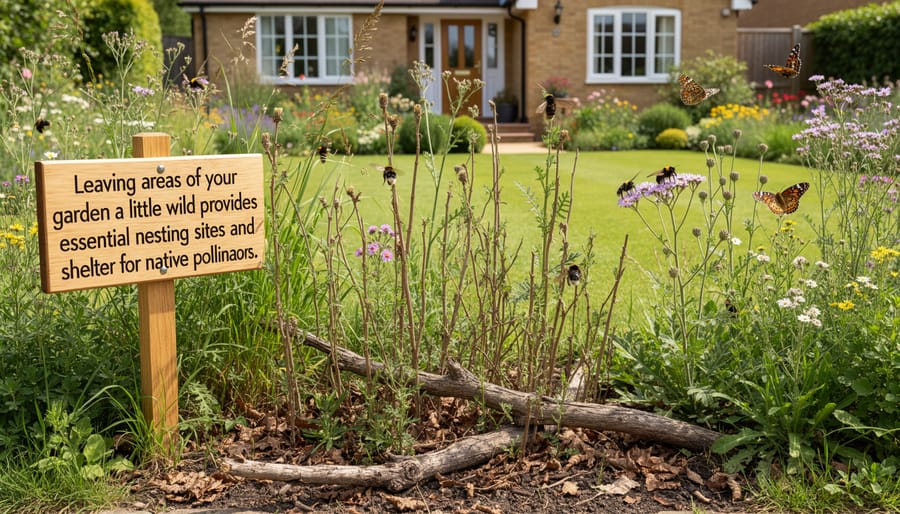
Here’s where things get wonderfully simple: sometimes the best thing you can do is a little less. Leave a corner of your garden slightly wild with leaf litter intact. Those fallen leaves aren’t just debris—they’re winter hotels for overwintering butterflies and cozy spots for ground-dwelling beetles. I learned this from master gardener Ellen Rodriguez, who told me, “The messiest corner of my garden hosts more pollinators than my pristine flower beds ever did.”
Create small patches of bare, undisturbed soil for ground-nesting bees. These solitary bees tunnel into the earth to lay their eggs, and they prefer areas without mulch or ground cover. A sunny, well-drained spot about two feet square works perfectly.
Don’t rush to remove dead wood or hollow stems either. Bundle them together vertically near your garden beds to create homes for cavity-nesting bees. Old logs stacked artistically can double as garden borders while providing essential habitat. Even a standing dead tree snag, if safe, becomes prime real estate for numerous pollinators.
The beauty of these elements is their natural aesthetic—they bring an organic, cottage-garden charm while providing exactly what your pollinator friends need most.
Building Your Pollinator Garden: A Step-by-Step Approach
Start Small: The Container and Border Strategy
You don’t need to transform your entire garden overnight to make a difference for pollinators. In fact, starting small is often the smartest approach, especially if you’re new to pollinator-friendly gardening.
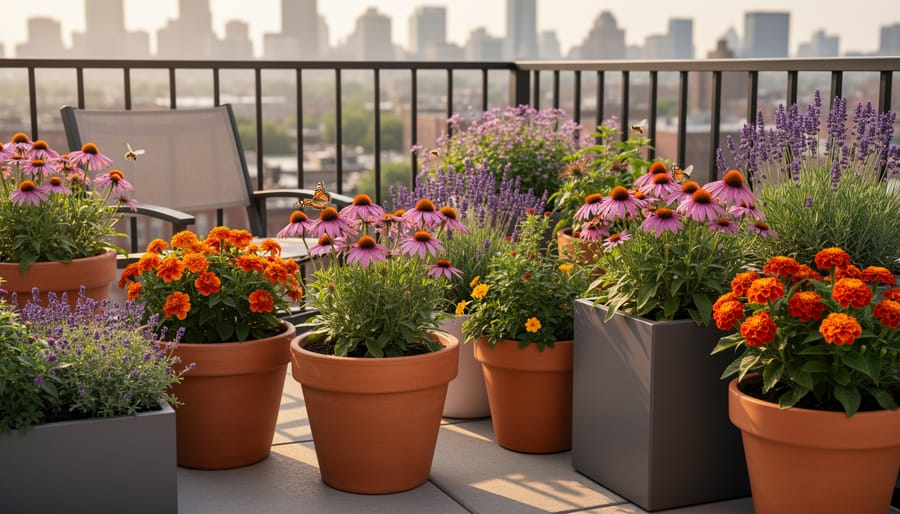
Consider beginning with containers on your patio, deck, or balcony. A few well-chosen pots filled with lavender, salvia, or native wildflowers can attract bees and butterflies while letting you learn what works in your specific conditions. Containers are wonderfully forgiving—you can move them to sunnier spots, experiment with different plant combinations, and adjust your approach without major commitments.
Another gentle entry point is adding pollinator plants to existing garden borders. Tuck a few coneflowers between your current perennials or edge a pathway with creeping thyme. These small additions integrate seamlessly while providing valuable nectar sources.
I learned this lesson myself when I planted just three container gardens on my front steps. Within days, I noticed more bees visiting, which gave me the confidence to gradually expand. That initial success made the whole process feel achievable rather than overwhelming. Remember, pollinators don’t measure your garden’s size—they simply appreciate every bloom you offer them.
Choosing the Right Plants for Your Region
Success with your pollinator garden starts with matching plants to your unique growing conditions. Think of it as introducing the right guests to your garden party—when everyone’s comfortable, the magic happens!
Start by identifying your USDA hardiness zone, which tells you which plants will thrive through your winters. Your local extension office can help with this, and it’s absolutely free! Next, observe how sunlight moves across your yard throughout the day. Does that sunny spot stay bright for six hours or more? Perfect for sun-lovers like coneflowers and black-eyed Susans. Got a shady corner? Native columbine and wild geraniums will flourish there.
Soil matters too, but here’s the good news—native plants are incredibly forgiving because they’ve adapted to local conditions over thousands of years. A simple squeeze test tells you a lot: if soil forms a ball that crumbles easily, you’ve got ideal loam. Sandy soil drains quickly and suits lavender and yarrow, while clay-heavy ground supports Joe Pye weed and swamp milkweed beautifully.
Consider choosing climate-resilient plants that can handle your region’s weather extremes. In hot, dry climates, try drought-tolerant salvias and blanket flowers. Cooler regions? Bee balm and asters are pollinator magnets that handle frost like champions.
Remember, working with your conditions rather than against them creates a garden that practically takes care of itself while feeding countless pollinators.
Layout Tips for Maximum Pollinator Appeal
Creating an inviting space for pollinators is all about thoughtful arrangement and strategic planning. When you apply proven garden design strategies, you’ll see your garden come alive with buzzing activity!
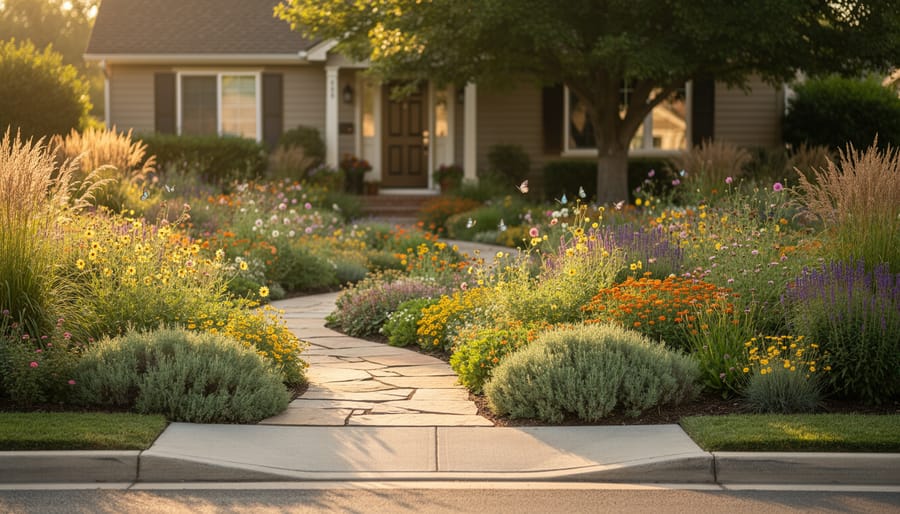
Start by grouping plants in clusters of at least three to five of the same species. This mass planting approach makes it easier for pollinators to spot their favorite flowers from a distance and creates efficient feeding stations. Think of it as setting up a buffet rather than scattered appetizers across your yard.
Consider the importance of landing pads throughout your garden. Flat-topped flowers like coneflowers, black-eyed Susans, and yarrow provide perfect resting spots where butterflies and beneficial insects can land, bask in the sun, and refuel. I’ve noticed that placing flat stones in sunny spots also gives butterflies warm surfaces for spreading their wings.
Water features don’t need to be elaborate. A simple shallow dish filled with pebbles and fresh water creates a safe drinking station where bees won’t drown. Change the water every few days to prevent mosquito breeding.
Lastly, layer your plantings by height, placing taller plants toward the back and shorter ones in front. This creates visual depth while ensuring all flowers remain accessible to pollinators. Remember to leave some bare ground patches too, as many native bees are ground-nesters who need exposed soil for their homes.
Sustainable Practices That Support Pollinators
Ditch the Chemicals: Natural Pest Management
Here’s the reality: conventional pesticides don’t discriminate. When you spray to eliminate garden pests, you’re also harming the very pollinators you’re trying to attract. Even products labeled “bee-safe” can contain neonicotinoids, which impair pollinators’ navigation and reproduction. I learned this the hard way when my thriving bee population mysteriously declined after using what I thought was a harmless spray.
The good news? Organic pest management really works. Start by encouraging beneficial insects like ladybugs and lacewings, which naturally control aphids and other pests. Companion planting is another powerful strategy—marigolds deter harmful beetles, while nasturtiums act as trap crops, luring pests away from your prized plants.
For immediate problems, try homemade solutions like diluted neem oil or insecticidal soap, applied in the evening when pollinators aren’t active. Master gardener Sarah Chen shared with me that simply hand-picking pests and using row covers prevents most issues before they start.
Remember, a few nibbled leaves are a sign of a healthy ecosystem, not a failure. Your garden doesn’t need to be perfect to be productive and beautiful.
Water Wisely: Conservation Meets Pollinator Needs
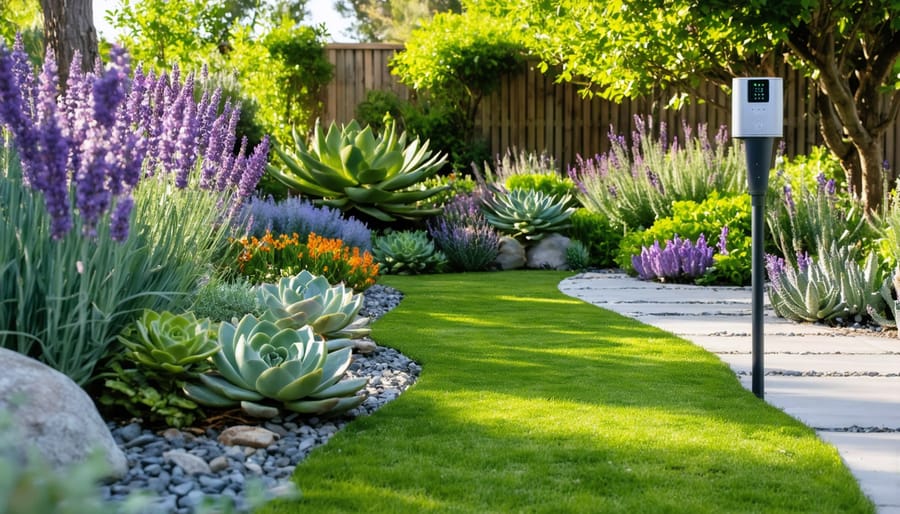
Smart watering practices can support both conservation and pollinator health beautifully. Consider installing water-efficient irrigation like drip systems that deliver moisture directly to plant roots while minimizing evaporation. Water during early morning hours when pollinators are less active, giving foliage time to dry before their daily visits.
Here’s where it gets exciting: create dedicated water sources for your buzzing friends! Place shallow dishes filled with pebbles or marbles in shaded spots throughout your garden. Add fresh water regularly so stones remain partially submerged, giving bees and butterflies safe landing pads while they drink. I’ve noticed butterflies especially love puddling stations—simply keep a patch of soil consistently moist with a slow drip or occasional watering.
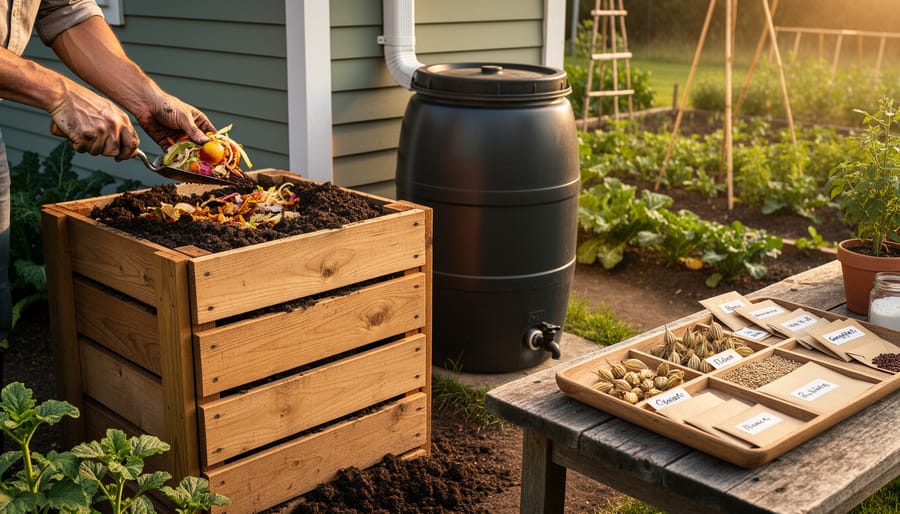
Group plants with similar water needs together, making irrigation more efficient while creating concentrated pollinator habitats. Native plants typically require less supplemental watering once established, saving you time and resources. Rain barrels offer another wonderful option, collecting free water for your garden while reducing runoff. Your pollinators will thank you with increased visits!
Let It Be a Little Wild: Embracing Imperfection
Here’s a liberating truth: the best pollinator gardens aren’t picture-perfect. In fact, a little wildness goes a long way in supporting your buzzing and fluttering friends.
Resist the urge to tidy up too much in fall. Those dried seed heads you’re tempted to cut down? They’re winter buffets for birds and hibernation hotels for beneficial insects. Black-eyed Susans, coneflowers, and ornamental grasses all provide essential shelter and food when left standing through winter.
I learned this lesson from master gardener Carol Davidson, who transformed her garden by simply doing less. “I used to deadhead everything religiously,” she told me during our interview. “Now I let nature decide what stays. My garden is messier, sure, but it’s absolutely alive with activity year-round.”
Try leaving leaf litter in garden beds rather than bagging it all up. Native bees, including bumblebee queens, nestle into these cozy spaces to overwinter. A few leaves scattered among your plants create vital habitat without looking unkempt.
The payoff? Come spring, you’ll witness an explosion of pollinator activity as overwintering insects emerge hungry and ready to work. Your slightly wild garden becomes a thriving ecosystem, not just a display.
Common Mistakes to Avoid (And How to Fix Them)
We all make mistakes in the garden—I certainly have! The good news is that most pollinator garden pitfalls are easily fixable, and recognizing them is half the battle. Let me share some common missteps I’ve seen (and made myself) along with straightforward solutions to get your garden buzzing.
One frequent mistake is choosing showy ornamental cultivars over straight native species. Those double-flowered petunias or fancy cultivars might catch your eye at the nursery, but they often have altered flower structures that make nectar and pollen difficult or impossible for pollinators to access. The fix? When selecting plants, look for single-flowered varieties and check labels for true native species rather than hybridized ornamentals. Even adding just a few native plants alongside your existing ornamentals makes a meaningful difference.
Over-mulching is another well-intentioned error. While mulch conserves moisture and suppresses weeds, too much of it (especially around the entire garden) eliminates essential nesting sites for ground-dwelling bees, which make up about 70 percent of bee species. Instead, leave some bare patches of soil in sunny spots and keep mulch layers to two inches maximum. Your ground-nesting friends will thank you!
Perhaps the biggest missed opportunity is creating a single-season garden. Planting only summer bloomers leaves pollinators without food sources in spring and fall when they desperately need energy. The solution is simple: aim for continuous bloom from early spring through fall. Include spring ephemerals like Virginia bluebells, summer stalwarts like coneflowers, and late-season heroes like asters and goldenrod.
Remember, every garden is a learning experience. If you recognize any of these patterns in your space, don’t feel discouraged—you’re already on the path to improvement. Small adjustments create big impacts for our pollinator friends, and your willingness to make changes shows true dedication to creating a thriving ecosystem.
Interview Insight: What a Master Gardener Learned About Pollinators
I had the pleasure of sitting down with Janet Morrison, a Master Gardener with over fifteen years of experience, to learn about her journey creating pollinator-friendly spaces. What she shared reminded me that sometimes our best teachers are the pollinators themselves.
“My biggest lesson came from a mistake,” Janet laughed, recalling her early days. “I planted a gorgeous bed of hybrid double petunias, thinking the bright colors would attract bees. But nothing came! That’s when I learned that many showy hybrid flowers have been bred for appearance, not for nectar or pollen. The pollinators simply ignored them.”
This experience transformed Janet’s approach. She began researching native plants and quickly noticed the difference. “Within weeks of adding native wild bergamot and black-eyed Susans, my garden was buzzing with activity. I counted seven different bee species in one afternoon!”
When I asked about her favorite pollinator plants, Janet didn’t hesitate. “Coneflowers are absolute champions. They bloom for months, attract dozens of pollinator species, and goldfinches love the seed heads in fall. It’s like getting three gardens in one.” She also emphasized the importance of plant groupings. “Don’t just plant one of everything. Pollinators need landing pads, not scattered stepping stones. I plant in drifts of at least three to five plants of the same species.”
Janet’s final piece of wisdom resonated deeply: “The moment you stop treating your garden like a picture-perfect showroom and start seeing it as a habitat, everything changes. Those messy seed heads and dried stems become winter homes for beneficial insects. You’re not just growing flowers anymore; you’re growing community.”
You’ve reached the exciting part of your journey—the moment where your garden transforms into a vibrant sanctuary for the pollinators that keep our ecosystems thriving. Every native plant you add, every patch of bare ground you leave undisturbed, and every decision to skip the pesticides creates ripples of positive change that extend far beyond your property line.
Remember, you don’t need acres of land or a complete garden overhaul to make a difference. Even a single container of native flowers on an apartment balcony can provide essential fuel for a tired bee. A small patch of milkweed might become the lifeline for a generation of monarch butterflies. Your efforts, however modest they may seem, join countless others in creating corridors of habitat that pollinators desperately need.
As renowned gardener Margaret Chen shared in our interview, “The most rewarding part isn’t just watching your garden bloom—it’s that first morning you step outside with your coffee and notice a dozen different visitors already at work.” That observation, that connection with nature happening right in your own backyard, is what makes this endeavor so special.
So take that first step today. Plant one pollinator-friendly flower, reduce one chemical application, or simply set aside time this week to watch who visits your garden. Pull up a chair, grab your favorite beverage, and spend ten minutes observing the incredible diversity of life you’re supporting. You might be surprised by the wonder you discover—and the difference you’re already making.