You’ve probably seen the labels on garden products promising they’ll harmlessly disappear back into the earth, but here’s what most gardening companies won’t tell you: the majority of so-called biodegradable garden plastics don’t actually break down in your backyard conditions. They need industrial composting facilities running at 140°F for weeks or months, which means they’re essentially regular plastic in your garden environment.
I learned this the hard way three seasons ago when I excitedly purchased biodegradable seedling pots, only to dig them up months later completely intact, stunting my transplants’ root growth. That frustrating discovery sent me down a research rabbit hole, interviewing composting experts and testing various products in my own garden beds.
The confusion stems from misleading terminology. “Biodegradable” simply means something will eventually break down, but it doesn’t specify the timeframe or conditions required. Some products take decades. “Compostable” sounds better but often requires industrial facilities you don’t have access to. Meanwhile, “bio-based” just means it’s made from plants rather than petroleum, but it might still persist in your soil for years.
This matters because tiny plastic fragments are accumulating in garden soil worldwide, potentially affecting soil health and the food we grow. If you’re trying to reduce your environmental footprint while maintaining a productive garden, you need clear information about what actually works in real-world conditions and what alternatives genuinely support a healthier ecosystem.
The Truth About ‘Biodegradable’ Garden Plastic

What Biodegradable Actually Means (It’s Not What You Think)
Here’s a surprise that might change how you shop: when most packaging says “biodegradable,” it doesn’t mean it’ll simply vanish in your compost bin. The term actually has a pretty loose definition that can be misleading for us gardeners.
Technically, biodegradable means a material breaks down through natural biological processes. Sounds perfect, right? But here’s the catch: almost everything biodegrades eventually, even regular plastic. The real questions are how long it takes and what conditions it needs.
Many biodegradable garden products require industrial composting facilities with specific temperatures, moisture levels, and microbes that your backyard just can’t provide. Without these conditions, that “biodegradable” plant pot might sit in your soil for years, breaking into smaller pieces rather than truly decomposing.
I learned this the hard way when I buried biodegradable seed starter trays in my garden bed. Six months later, they were still there, barely changed. It turns out they needed temperatures above 140°F to break down properly.
The takeaway? Don’t assume biodegradable automatically means garden-friendly. Understanding what your products actually need to decompose helps you make choices that truly benefit your garden ecosystem.
The Fine Print on Degradation Times
Here’s the truth that might surprise you: most biodegradable garden plastics don’t break down nearly as quickly as you’d hope. While packaging might promise “biodegradable” benefits, the reality depends heavily on conditions that rarely exist in typical garden settings.
Industrial composting facilities, which maintain temperatures between 140-160°F with carefully controlled moisture and oxygen levels, can break down certified compostable plastics in about 90-180 days. However, your backyard compost pile or garden soil usually doesn’t get hot enough or maintain the right conditions for this to happen.
In regular garden environments, these plastics often take 3-5 years to break down, and some may persist even longer. I learned this the hard way when I dug up “biodegradable” mulch film from the previous season and found it virtually intact!
Temperature makes a huge difference too. In cooler climates, degradation slows to a crawl. One experienced gardener I interviewed in Vermont discovered their biodegradable pots took twice as long to decompose compared to similar products used by their cousin in Georgia.
The key takeaway? Check for products certified by organizations like BPI (Biodegradable Products Institute) and understand that “biodegradable” often means “under perfect industrial conditions,” not necessarily in your garden.
Common Biodegradable Garden Plastics and How They Perform
Biodegradable Mulch Films
Biodegradable mulch films have come a long way, and I’ve been genuinely impressed with how they perform in my own garden beds. These films, typically made from plant-based materials like corn or potato starch, work similarly to traditional plastic mulch by suppressing weeds, retaining moisture, and warming the soil. The big difference? They break down naturally after your growing season ends.
In my experience, most quality biodegradable films last about 3-5 months, which is perfect for annual vegetables. I interviewed master gardener Helen Rodriguez, who shared that she’s had great success using them for tomato and pepper plants. “They hold up through the entire growing season, then I just till them under in fall,” she told me.
The breakdown time varies based on soil conditions, moisture, and temperature. Films labeled “certified compostable” tend to decompose within 90-180 days once incorporated into soil. Some of the best biodegradable mulch options include BioAgri and Organix films, which have performed reliably in commercial and home gardens alike.
These films work best for short-season crops in warmer climates where soil microbes stay active. They’re less ideal for perennials or cool-season plantings where you need longer-lasting coverage.

Plant Pots and Seed Trays
Biodegradable planting pots and seed trays have become increasingly popular alternatives to traditional plastic containers, and for good reason. Made from materials like coconut coir, peat, rice husks, or compressed paper, these containers serve you well during the growing season while eventually breaking down in your garden soil.
During my chat with master gardener Susan Chen, she explained that quality matters tremendously with these products. “Look for pots that maintain their structure for at least 8-12 weeks,” she advised. “Cheaper versions sometimes decompose too quickly, collapsing before your seedlings are ready for transplanting.”
The beauty of biodegradable pots is their convenience. You can plant them directly into your garden beds, minimizing transplant shock to delicate roots. Similar to biodegradable grow bags, these containers break down gradually, typically within one growing season, enriching your soil as they decompose.
However, durability varies significantly between products. Peat pots work beautifully for quick-growing vegetables but may become soggy if overwatered. Coconut coir containers offer better moisture resistance, while paper pots provide a middle ground. Test different materials to discover what works best for your watering habits and plant types.
Row Covers and Landscape Fabric
Row covers and landscape fabric serve as garden workhorses, protecting plants from pests and suppressing weeds while allowing water and air to reach the soil. Traditional plastic versions can last for years in your garden, which sounds great until you realize they’re contributing to long-term plastic pollution.
Biodegradable alternatives are changing the game. Biodegradable landscape fabric made from natural fibers like jute, hemp, or cellulose breaks down over time, enriching your soil rather than contaminating it. These materials typically last one to three growing seasons before decomposing, which is perfect for annual vegetable gardens.
For row covers, look for options made from cornstarch-based PLA or other plant-derived materials. They protect tender seedlings from frost and insects just as effectively as conventional plastic, but won’t leave microplastic residue behind.
One caveat: these materials do require proper composting conditions to break down fully. In dry climates or when left on the soil surface, degradation slows considerably. I’ve found that incorporating remnants into my compost pile speeds up the process and ensures complete breakdown within a few months.
Materials That Actually Break Down in Your Garden
PBAT, PLA, and Other Materials Decoded
Let me help you understand what these materials actually mean for your garden. When shopping for biodegradable plastics, you’ll often see abbreviations like PBAT, PLA, and PHA on the packaging, but what do they really tell you about how they’ll perform in your garden beds?
PLA, or polylactic acid, is derived from plant starches like corn and is the most common biodegradable plastic you’ll find. Here’s the catch: it needs industrial composting facilities with temperatures above 140°F to break down properly. In your home garden, it might sit there for years looking perfectly intact. I learned this the hard way when a PLA pot I buried stayed completely unchanged for two growing seasons.
PBAT is a petroleum-based biodegradable plastic that actually performs better in garden conditions than PLA. It breaks down more readily in soil, though still slower than you might hope. Many products combine PBAT with PLA to get better results.
PHA, made by bacteria, is the superstar of garden biodegradables. It breaks down in regular soil conditions without needing high heat, making it genuinely useful for gardeners. The downside? It’s more expensive and harder to find.
Master gardener Ellen Rodriguez, who I spoke with about sustainable practices, puts it simply: “If the package doesn’t specifically say it breaks down in home composting or soil, assume it won’t.” Look for certifications like “OK Biodegradable SOIL” which guarantee actual garden performance, not just theoretical biodegradability.
Certifications Worth Looking For
When you’re shopping for biodegradable garden plastic, it helps to know which certifications actually mean something. Think of these labels as your trusty guides through the marketing maze, because not all “eco-friendly” claims are created equal.
The BPI Certification (Biodegradable Products Institute) is one of the most reliable stamps you can find. Products with this label have been independently tested to ensure they’ll break down in commercial composting facilities within a specific timeframe. It’s like having a gardening expert vouch that something really works. BPI-certified products meet rigorous ASTM standards, which means they’ve passed scientific testing, not just marketing promises.
Another certification to look for is OK Compost, issued by TÜV Austria. This certification comes in two varieties: OK Compost INDUSTRIAL for products that break down in commercial facilities, and OK Compost HOME for items that’ll decompose in your backyard compost pile. If you’re planning to toss your garden plastic into your home compost bin, that HOME designation matters tremendously.
The European EN 13432 standard is also worth recognizing, particularly if you’re buying imported products. This certification guarantees biodegradability within 180 days under composting conditions.
Here’s what I’ve learned from talking with experienced gardeners: these certifications aren’t just fancy stickers. They provide real accountability and testing results. Without them, you’re essentially trusting the manufacturer’s word alone. When you spot these logos, you can feel confident that the product has undergone third-party verification and will actually break down as promised, helping you create a genuinely sustainable garden space.
Better Alternatives to Biodegradable Plastic
Natural Materials That Outperform Plastic
Before reaching for biodegradable plastics, consider these time-tested natural materials that gardeners have relied on for generations. They truly break down, nourish your soil, and often cost less than their plastic counterparts.
Straw mulch tops the list for its availability and effectiveness. Spread a 3-4 inch layer around plants to suppress weeds and retain moisture. It decomposes within a season, adding organic matter to your soil. Just ensure you’re using straw, not hay, which contains seeds that’ll sprout everywhere.
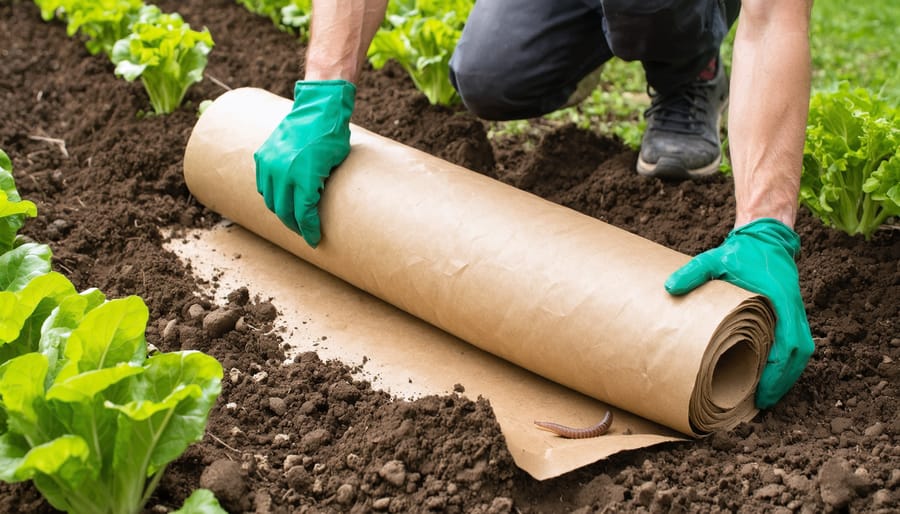
Cardboard and newspaper make excellent weed barriers under mulch. I’ve used flattened boxes between garden rows for years with great success. Remove any tape or plastic labels first, wet the cardboard thoroughly, and overlap the edges by at least six inches. Layer compost or mulch on top, and it’ll decompose beautifully within 6-12 months.
Wool felt, though pricier, offers impressive durability for raised beds and container gardening. It breathes better than plastic, regulates soil temperature, and eventually breaks down into nitrogen-rich material. Cut it to size and place it directly in contact with soil.
Burlap works wonderfully for frost protection and as a temporary ground cover. It’s biodegradable, reusable for several seasons, and allows water and air to penetrate easily.
These materials align perfectly with earth-friendly farming methods while delivering superior results. Your soil’s microorganisms will thank you for choosing materials they can actually digest and transform into nutrients.

Invest Once, Use Forever Options
Before you reach for biodegradable plastics, let’s talk about materials that truly break the cycle of waste: reusable options that last for years. I’ve discovered that the best investment isn’t something that breaks down, but something that doesn’t need replacing.
Consider landscape fabric made from heavy-duty polypropylene. Yes, it’s plastic, but hear me out. A quality piece can last 10-15 years, eliminating the need for dozens of plastic replacements. I interviewed experienced gardener Martha Collins, who told me, “I laid down professional-grade landscape fabric in my perennial beds twelve years ago, and it’s still going strong. The upfront cost felt steep, but I’ve saved hundreds by not buying yearly mulch or replacement materials.”
Row covers made from durable polyester are another smart choice. Unlike flimsy biodegradable films, these can be washed, folded, and stored for multiple seasons. One investment covers frost protection, pest control, and season extension for a decade or more.
Silicone gardening products have also revolutionized my garden routine. From plant ties to seed-starting trays, they’re completely reusable and last practically forever. They replace countless single-use items without leaving microplastics behind.
The math is simple: spending more once beats spending less repeatedly. These materials won’t contribute to landfills this season, next season, or for many years to come. They’re the ultimate combination of environmental responsibility and financial wisdom, proving that sometimes the greenest choice is the one that refuses to break down at all.
Making the Switch: A Practical Action Plan
Ready to make the transition? I promise it’s easier than you might think, and you don’t have to overhaul your entire garden overnight. Let’s walk through this together.
Start by taking inventory of what you currently use. Grab a notebook and spend a weekend observing your garden routine. Which plastics do you reach for most often? Maybe it’s those seedling pots, row covers, or landscape fabric. These are your priority items because replacing what you use frequently makes the biggest impact.
Here’s my golden rule: use what you already have until it wears out. I know, it seems counterintuitive when you’re eager to go green, but throwing away perfectly functional items creates more waste. Instead, commit to replacing conventional plastics with better alternatives as they reach the end of their life.
When it comes to budget-friendly switching, think strategic. Master gardener Elena Rodriguez, whom I interviewed last spring, shared her brilliant approach: “I replaced one type of plastic each growing season. Year one was pots, year two was mulch film, and by year three, I’d transformed my entire setup without breaking the bank.”
Prioritize items that touch your soil and plants most directly. Seed trays and pots should top your list since they’re in constant contact with growing medium. Next, tackle mulches and ground covers. Save decorative elements and storage containers for later since they have less environmental impact.
Consider starting with DIY alternatives before purchasing specialty products. Newspaper pots cost practically nothing, and cardboard makes excellent weed barriers. As your budget allows, invest in quality reusable items like sturdy wooden flats or metal row markers.
Remember, this journey isn’t about perfection. Even switching just three plastic items in your garden makes a meaningful difference. Celebrate each small victory, share your experiences with fellow gardeners, and watch how your sustainable choices inspire others in your gardening community.
Making the switch to truly sustainable gardening practices doesn’t have to happen overnight. Start small by replacing just one plastic item in your garden this season, whether that’s swapping plastic pots for terracotta or choosing natural jute twine instead of plastic ties. Each mindful choice you make reduces waste and moves you closer to a healthier, more eco-friendly garden.
Remember, being informed is your greatest tool. Now that you understand how biodegradable plastics actually work and which alternatives truly benefit your soil and plants, you can shop with confidence and skip the greenwashing. Your garden will thank you with richer soil, healthier plants, and the satisfaction of knowing you’re making a real difference.
We’d love to hear about your journey toward reducing plastic in your garden. What changes have you made? Which alternatives work best for you? Share your experiences and tips in the comments below or connect with fellow gardeners in your community. Together, we can inspire each other, learn from our successes and challenges, and create beautiful gardens that nurture both plants and planet. Your sustainable gardening story might be exactly what someone else needs to take that first step.